
If joint pain, a torn meniscus, a sports injury, or shoulder damage is limiting your daily life, arthroscopy in Mexico may be one option to discuss with a qualified orthopedic surgeon. For Canadian patients, the decision should involve more than comparing treatment costs; diagnosis, surgeon credentials, hospital authorization, anesthesia, rehabilitation, and emergency arrangements also matter.
Before traveling, ask for an itemized quote in USD, proof that the facility is authorized by Mexican health authorities, the surgeon’s professional license and specialty certification, and a written aftercare plan that continues when you return to Canada.
Quick Summary: Arthroscopy in Mexico for Canadians
- Estimated cost in USD: A reliable national Mexico average is not available for arthroscopy because the price depends on the joint, repair, anesthesia, hospital, surgeon, imaging, and rehabilitation. Request a patient-specific written quote rather than relying on a headline figure.
- Safety overview: Arthroscopy uses a camera and small instruments through small incisions, but it remains surgery. Infection, bleeding, blood clots, nerve or blood-vessel injury, persistent symptoms, and anesthesia complications are possible.
- Possible candidates: Patients with a confirmed joint problem that may respond to arthroscopy, such as selected meniscus, ligament, cartilage, loose-body, or inflamed-joint conditions. Arthroscopy is not automatically appropriate for every type of arthritis or pain.
- Recovery: Many procedures are outpatient, but recovery varies considerably. Simple diagnostic or trimming procedures may allow earlier activity than ligament reconstruction, cartilage repair, or hip arthroscopy.
- Provider credentials to check: Verify the facility’s authorization by Mexican health authorities; ask for the surgeon’s professional license, orthopedic specialty training, and current specialty certification through CONACEM or the relevant Mexican specialty council.
- Hospital quality indicators: Ask whether the facility has current certification or accreditation from Mexico’s Consejo de Salubridad General, emergency transfer access, anesthesia coverage, infection-prevention protocols, and a structured follow-up service. JCI or other international accreditation is optional, not a universal requirement.
- Main reason Canadians consider Mexico: Some patients seek a private consultation and surgical pathway that may fit their timing, location, or budget. That potential convenience does not remove the need for careful medical and travel planning.
- Important caution: Provincial and territorial health plans are generally very limited in what they cover abroad. Confirm insurance, emergency, and repatriation terms before committing to travel.
Why Canadians Consider Arthroscopy in Mexico
Canadians may consider Mexico when joint symptoms affect work, sport, sleep, or independence and they want to explore a private care pathway. Patients may also look abroad when they need a second opinion, want a different scheduling option, or are comparing the total cost of self-funded care.
The decision should begin with diagnosis, not destination. A Canadian orthopedic or sports-medicine assessment can help establish whether your symptoms come from a meniscus, ligament, cartilage, tendon, arthritis, or another condition that arthroscopy may or may not address.
Important evidence note: Public, non-commercial data do not identify how many Canadians travel to Mexico specifically for arthroscopy, nor do they provide a dependable age, sex, province, or procedure breakdown. The reasons below describe common decision factors, not a national patient census.
- Exploring private scheduling when a patient’s symptoms, work, or athletic goals make timing important.
- Comparing the total self-pay cost of surgery, hospital care, physiotherapy, travel, and accommodation.
- Seeking a second opinion for a knee, shoulder, hip, ankle, elbow, or wrist problem.
- Considering a nearby destination, particularly for Canadians who can reach a Mexican city by a direct flight.
- Looking for care coordination, language support, or help organizing medical records and appointments.
- Wanting to understand treatment choices before deciding whether to proceed in Canada, Mexico, or another country.
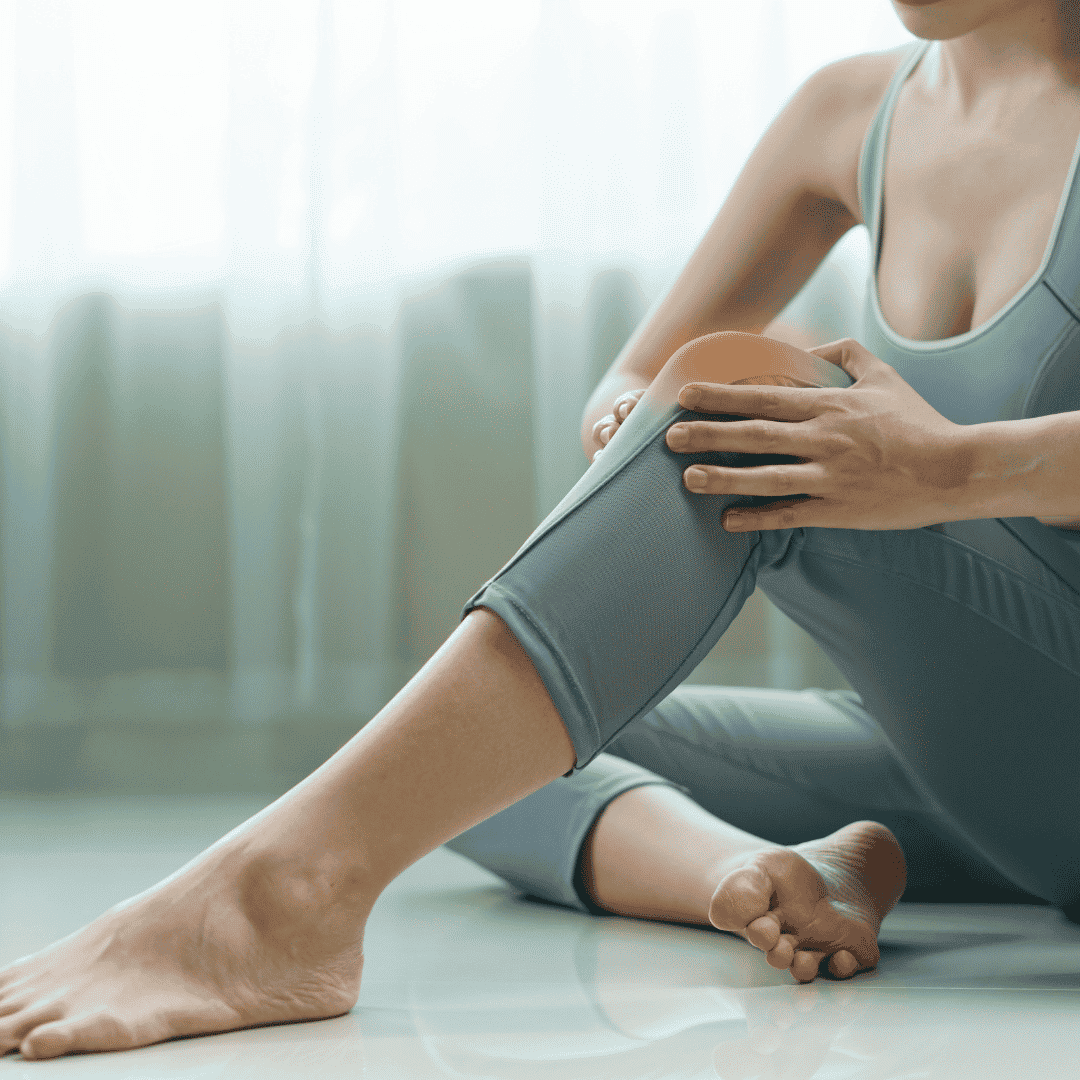
Meniscus, selected ligament, cartilage, loose-body, and synovial problems may be evaluated individually.
Possible procedures include selected labral, rotator-cuff, instability, or inflamed-tissue operations.
These joints require a specialist assessment because anatomy and rehabilitation can differ substantially.
Patient Demographics for Arthroscopy Travel from Canada
There is no verified public dataset describing the demographics of Canadians who travel to Mexico for arthroscopy. In practice, the relevant patient profile is determined more by the joint problem, physical demands, medical fitness for travel, and ability to complete rehabilitation than by age or gender alone.
You may encounter younger or middle-aged adults with sports-related injuries, working-age adults with meniscus or shoulder conditions, and older adults with carefully selected mechanical symptoms. Older age, chronic disease, blood-thinner use, obesity, smoking, and limited mobility can change anesthesia, clot, wound, and travel planning.
Evidence-limited demographic figure: This is a clinical planning profile, not a percentage distribution of Canadian medical tourists.
Bar lengths are illustrative only and must not be interpreted as population statistics. A clinic should provide its own transparent case-mix data if it makes demographic or volume claims.
Ask before travel: “How many procedures like mine has the surgeon performed in the last 12 months, and how are complications and revisions tracked?” A general orthopedic case count is less useful than volume for your exact joint and procedure.
What Arthroscopy in Mexico Involves
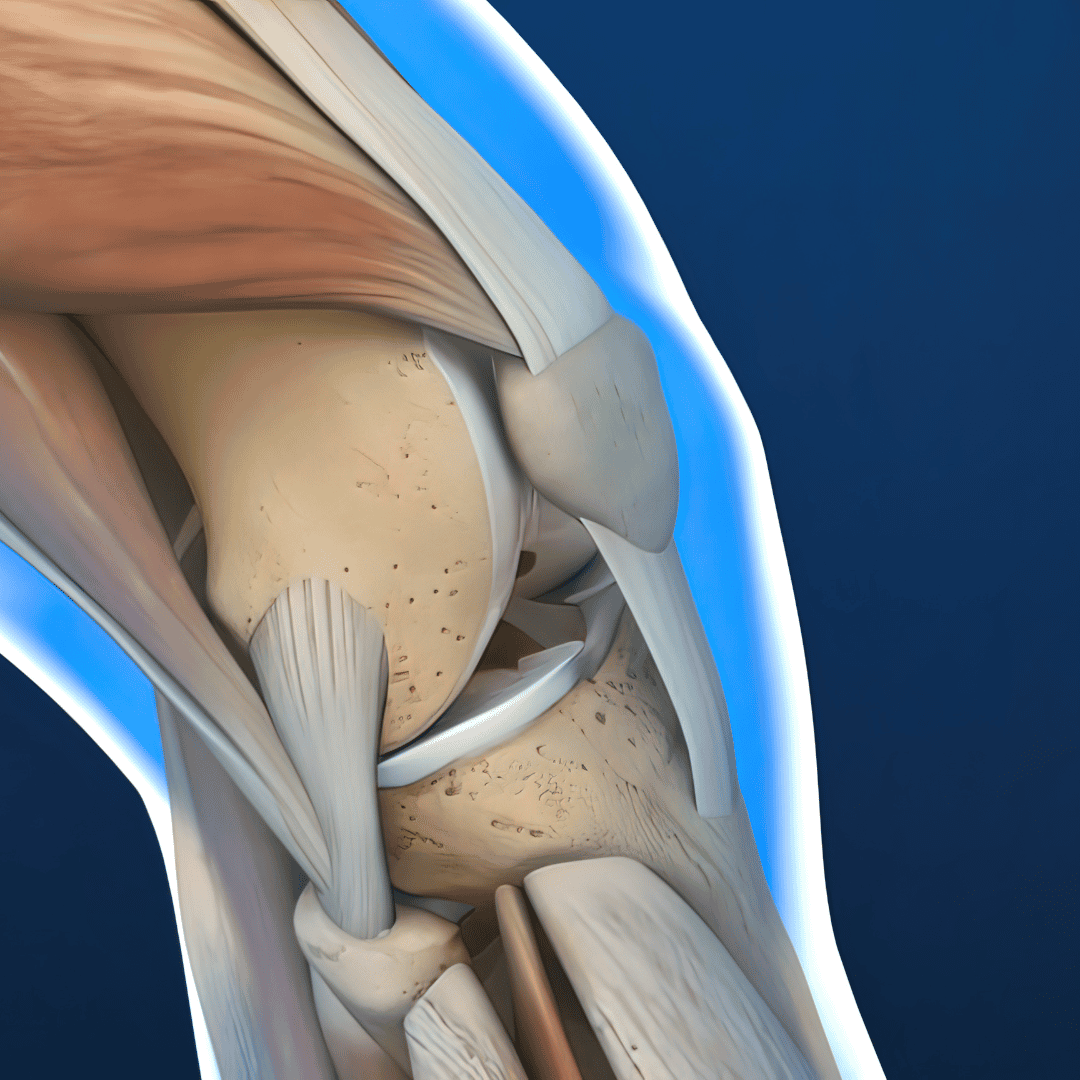
Arthroscopy is a surgical technique in which an orthopedic surgeon inserts a small camera called an arthroscope into a joint through a small incision. The camera projects the joint’s interior onto a monitor, while additional instruments can diagnose or treat selected problems through other small openings.
The exact operation depends on your imaging, examination, symptoms, and goals. A surgeon may trim or repair a meniscus, remove a loose fragment, treat inflamed tissue, repair selected ligament or labral damage, or perform a procedure intended to improve joint mechanics. A small incision does not mean a small recovery in every case.
| Procedure planning question | Why it matters in Mexico | Document to request |
|---|---|---|
| Which joint and exact diagnosis? | “Arthroscopy” is a technique, not one standardized operation. | Written diagnosis and proposed procedure name. |
| Repair or removal? | Repair can require restrictions and rehabilitation that differ from trimming. | Consent form describing alternatives and likely restrictions. |
| What happens if findings differ? | Intraoperative findings may change the plan or stop treatment. | Policy for additional procedures and extra charges. |
Who May Be a Candidate for Arthroscopy in Mexico?
You may be considered for arthroscopy when a qualified clinician confirms a joint problem for which an arthroscopic procedure is a reasonable option. The assessment should include your symptoms, physical examination, imaging, previous treatment, medical history, and your ability to complete follow-up and rehabilitation.
Arthroscopy may be less useful when pain mainly comes from advanced diffuse osteoarthritis, referred pain, nerve disease, infection, or a condition better treated without surgery. For degenerative knee symptoms, ask what evidence supports surgery over exercise therapy, physical therapy, injections, medication review, or observation.
Potentially suitable features for arthroscopy in Mexico
- Clear diagnosis
- Reasonable surgical indication
- Stable medical condition
- Realistic expectations
- Reliable post-operative support
When arthroscopy in Mexico needs reassessment
- Unclear diagnosis
- Pressure to book quickly
- No local emergency pathway
- Unexplained price changes
- No plan for Canadian follow-up
Arthroscopy in Mexico Cost Compared with Canada
There is no dependable government-published national USD cost for arthroscopy in Mexico. A quote can change according to the joint, diagnostic complexity, repair technique, surgeon, anesthesia, hospital stay, implants or anchors, imaging, physiotherapy, city, and whether the price includes accommodation or transfers.
In Canada, eligible residents may receive medically necessary hospital and physician services through their provincial or territorial plan, but coverage rules do not make every orthopedic service free or immediately available. Private assessments, imaging, physiotherapy, travel, lost income, and treatment abroad may have separate costs. Confirm your own provincial rules and insurance before using a Mexico quote for comparison.
Cost integrity rule: Do not treat a low online starting price as your total cost. If a provider cannot state what happens when the diagnosis changes, the quote is not complete enough for comparison.
| Cost component | Mexico quote | Canadian comparison question |
|---|---|---|
| Orthopedic consultation and second opinion | Ask whether included and whether imaging review is billed separately. | Is the assessment covered, private, or subject to a referral? |
| Imaging and laboratory testing | Confirm whether Canadian scans are accepted and which tests must be repeated. | Check wait time, provincial coverage, and private imaging fees. |
| Surgeon, anesthesia, and operating room | Require each fee in USD and identify who provides anesthesia. | Ask how public or private care is billed. |
| Implants, anchors, braces, or special equipment | Ask brand, quantity, regulatory status, and whether alternatives change price. | Ask whether equipment and follow-up are included. |
| Physiotherapy and aftercare | Confirm sessions in Mexico and instructions for Canadian therapy. | Check referral requirements and local physiotherapy costs. |
| Travel, accommodation, companion, and emergency reserve | Usually separate unless expressly written into the package. | Include transport, time away from work, and possible private care. |
Because reliable national pricing is not available, this article intentionally does not invent a Mexico cost range. A trustworthy provider should issue a written, itemized USD estimate after reviewing your diagnosis and records.
How to Choose a Hospital for Arthroscopy in Mexico
Choose a hospital for arthroscopy in Mexico that can show current authorization under Mexican health requirements and can safely manage both routine recovery and unexpected deterioration. A polished website is not a substitute for a license, operating-room standards, anesthesia coverage, and an emergency transfer plan.
Mexico’s Consejo de Salubridad General operates a national certification framework for healthcare establishments. Ask whether the facility has current CSG certification or another verifiable national quality credential, and request the certificate details rather than relying on a logo. International accreditation such as JCI, Temos, or ACHSI can add information when genuine, but it is not required for every reputable facility.
| What to verify | What good documentation looks like |
|---|---|
| Facility authorization | Current facility authorization or license information issued by the relevant Mexican health authority, with the legal facility name and address. |
| National quality certification | Verifiable Consejo de Salubridad General certification or another applicable national quality program. |
| Operating-room safety | Anesthesia assessment, sterilization process, infection prevention, recovery room, and emergency escalation protocol. |
| Emergency capacity | 24/7 emergency contact, hospital transfer agreement, ICU access or a clear pathway to a hospital with appropriate capability. |
| International patient support | Written English or French communication, interpreter access, records transfer, and a named contact after discharge. |
Practical check: Ask for the exact legal name of the facility. If the quotation, consent form, payment instructions, and hospital address use different entities, pause until the relationship is explained in writing.
How to Verify an Arthroscopy Surgeon in Mexico
Verify the individual surgeon, not only the clinic brand. Request the surgeon’s Mexican professional license or cédula, orthopedic specialty training, current specialty certification or recertification, and documentation of experience with your specific operation.
CONACEM provides a public specialist search and links patients to professional-license verification resources. A “board-certified” label should be traceable to the relevant Mexican specialty council or official verification system. Ask who will actually perform the procedure, who will provide anesthesia, and whether a different surgeon may substitute.
- Match the surgeon’s full legal name across the quote, consent documents, license, and hospital record.
- Verify the professional license and orthopedic specialty credentials through official Mexican sources.
- Ask for recent case volume for the same joint and procedure, not only total years in practice.
- Ask for the surgeon’s approach to non-surgical care, alternatives, and when they would decline surgery.
- Review the complication, revision, and refund policy before making a deposit.
- Confirm how operative notes, images, implant details, and discharge records will reach your Canadian providers.
Arthroscopy Recovery and Rehabilitation Timeline
Recovery after arthroscopy depends on what the surgeon finds and does. A simple diagnostic examination or limited trimming may have a different rehabilitation plan from meniscus repair, ligament reconstruction, cartilage treatment, shoulder stabilization, or hip arthroscopy.
Many arthroscopic operations are performed as outpatient procedures, but “same-day discharge” does not mean you can immediately fly, drive, walk long distances, or manage luggage. Your surgeon should give you a written activity and travel clearance based on your joint, anesthesia, mobility, pain, clot risk, and follow-up access.
| Timeframe | Biological or clinical process | Patient sensation | Activity level | Action required |
|---|---|---|---|---|
| Day 0–2 | Incisions begin healing; swelling and inflammation are expected. | Pain, tightness, fatigue, or limited motion may occur. | Short, assisted movement only if cleared. | Follow wound, mobility, and medication instructions; arrange support. |
| Days 3–14 | Early tissue recovery and swelling management continue. | Symptoms may fluctuate with activity. | Crutches, brace, or movement restrictions may apply. | Attend wound review and begin prescribed rehabilitation. |
| Weeks 2–6 | Motion, strength, and function may gradually improve. | Some soreness after therapy can be normal; worsening symptoms need review. | Progress depends on procedure and clinical clearance. | Coordinate Mexican and Canadian clinicians so restrictions are consistent. |
| Beyond 6 weeks | Repair or reconstruction may still be remodeling and strengthening. | Return of confidence may lag behind wound healing. | Sport, heavy work, or impact activity may remain restricted. | Use objective milestones from your surgeon and physiotherapist. |
Line-style travel planning graph: Recovery demands usually peak immediately after surgery and then change as activity increases. The line below is a planning model, not a time-to-recovery statistic.
The vertical position represents relative planning intensity, not a measured pain score or guaranteed recovery rate.
Travel Planning for Canadians Having Arthroscopy in Mexico
Travel planning should be part of your medical plan, not an afterthought. The Government of Canada advises Canadians considering medical tourism to research health and financial risks, the facility, language barriers, and insurance, and to discuss the plan with a primary healthcare provider in Canada.
Canadian citizens generally do not need a tourist visa for stays of up to 180 days, but entry rules can change and your passport must meet current requirements. Check official travel advice for your destination city and state, because safety conditions, routes, and medical services differ across Mexico.
- Before booking: obtain a Canadian medical assessment, imaging review, medication review, and travel-health appointment.
- Before payment: confirm the facility, surgeon, anesthesia provider, quote, cancellation terms, and emergency plan in writing.
- Before flying: arrange an adult companion if needed, mobility support, hotel access, transport, and enough recovery time.
- After surgery: do not assume you can travel based only on wound appearance; obtain clinical clearance for the return journey.
- After returning to Canada: give your family doctor, orthopedic provider, physiotherapist, and insurer your operative and discharge records.
Insurance warning: Standard travel insurance may exclude planned treatment, complications from elective surgery, or medical evacuation related to a pre-existing condition. Ask for the exclusion wording in writing, including hospital stays and repatriation.
When Arthroscopy in Mexico May Not Be the Right Choice
Mexico may not be the right setting if your diagnosis is uncertain, your health conditions are not optimized, the procedure requires prolonged local rehabilitation, or you do not have a safe plan for urgent care after returning home. The convenience of travel should never outweigh the need for continuity of care.
You should pause if a provider promises a guaranteed result, avoids discussing alternatives, refuses to show credentials, asks for immediate payment, bundles unrelated procedures, or cannot explain how complications will be managed. A responsible surgeon should be willing to say that surgery is not appropriate when the expected benefit is unclear.
| Red flag | Safer response |
|---|---|
| “Best” or guaranteed outcome | Ask for diagnosis-specific evidence, alternatives, and realistic limitations. |
| No written physician or facility credentials | Do not pay until identity and authorization are independently verifiable. |
| Quote excludes anesthesia, implants, or complications | Request an itemized quote and written change-order policy. |
| No aftercare in Canada | Identify a Canadian clinician and obtain complete records before travel. |
Questions to Ask Before Booking Arthroscopy in Mexico
A serious provider should answer practical medical, financial, and travel questions before you make a deposit. Keep the answers in writing and compare providers using the same checklist.
- What is the diagnosis?
- What alternatives exist?
- What procedure is planned?
- What would change the plan?
- Who operates?
- What is the cédula?
- Is certification current?
- What is the case volume?
- Who handles complications?
- Who pays for revisions?
- When can you fly?
- How are records transferred?
Frequently Asked Questions About Arthroscopy in Mexico for Canadians
Is arthroscopy in Mexico safe for Canadian patients?
Safety depends on your diagnosis, health, surgeon, facility, anesthesia, infection prevention, and aftercare. Ask for Mexican authorization, surgeon credentials, emergency transfer access, and a written follow-up plan. Arthroscopy is still surgery, so travel does not remove risks such as infection, bleeding, clots, or persistent symptoms.
How much does arthroscopy in Mexico cost for Canadians?
There is no reliable national Mexico price for arthroscopy. Your USD quote may depend on the joint, repair, surgeon, anesthesia, hospital, implants, imaging, rehabilitation, city, and package inclusions. Request an itemized written quote and compare it with Canadian coverage, travel, accommodation, insurance, and possible complication costs.
What credentials should I check for a Mexican arthroscopy surgeon?
Ask for the surgeon’s full legal name, professional license or cédula, orthopedic specialty training, and current specialty certification or recertification. Use CONACEM or the relevant Mexican specialty council to verify certification where applicable. Confirm that the named surgeon, not only a coordinator, will perform your procedure.
What hospital certification should I look for in Mexico?
Ask whether the facility has current authorization under Mexican health requirements and whether it holds certification from Mexico’s Consejo de Salubridad General. Also verify operating-room sterilization, anesthesia coverage, recovery-room monitoring, emergency transfer access, and a 24/7 contact. JCI or other international accreditation is optional rather than mandatory.
Which joints can be treated with arthroscopy in Mexico?
Arthroscopy may be used for selected conditions affecting the knee, shoulder, hip, ankle, elbow, or wrist. The technique and recovery vary by joint. A specialist should review your symptoms, physical examination, imaging, and prior treatment before recommending a procedure.
How long should I stay in Mexico after arthroscopy?
There is no universal stay. The surgeon should base travel clearance on the joint, procedure, mobility, wound condition, pain control, clot risk, and access to follow-up. A same-day discharge does not automatically mean same-day flying is appropriate. Obtain written instructions before booking return travel.
Will Canadian provincial insurance pay for arthroscopy in Mexico?
Do not assume it will. The Government of Canada states that most provincial and territorial healthcare programs are extremely limited in coverage offered abroad. Contact your province or territory, private insurer, and travel insurer directly, and ask about planned care, complications, hospitalization, and medical evacuation.
Can I use my Canadian MRI or X-rays in Mexico?
Possibly, but the Mexican surgeon must decide whether the images and reports are adequate and current. Send original reports and image files before travel, ask whether translation is needed, and confirm whether repeat imaging or laboratory testing will be billed separately.
What complications should Canadians plan for after arthroscopy abroad?
Plan for possible infection, wound problems, bleeding, clots, stiffness, nerve or blood-vessel injury, anesthesia problems, persistent symptoms, or additional treatment. Before travel, identify who evaluates you in Mexico, who manages you after returning to Canada, and who pays if care or revision is needed.
Is arthroscopy better than physical therapy for a knee problem?
Not always. The answer depends on the diagnosis, symptoms, examination, imaging, and goals. Some degenerative knee symptoms may be managed without surgery, while selected traumatic or mechanical problems may require an operation. Ask for a balanced comparison of non-surgical care, arthroscopy, and other procedures.
Can PlacidWay help me compare arthroscopy providers in Mexico?
PlacidWay can help you compare available provider information, understand the questions to ask about costs and credentials, review treatment options, and request information from clinics. You should still independently confirm medical credentials, facility authorization, insurance terms, and the final written treatment agreement.
References
- American Academy of Orthopaedic Surgeons – Arthroscopy
- Mayo Clinic – Arthroscopy Overview
- Johns Hopkins Medicine – Arthroscopy Procedure
- Government of Canada – Mexico Travel Advice and Advisories
- Comité Normativo Nacional de Consejos de Especialidades Médicas (CONACEM) – Specialist Certification Search
- Consejo de Salubridad General – Government of Mexico Accreditation
- Government of Canada – Travel Health Guidance
- Government of Canada – Travelling Outside Canada to Receive Medical Care
Medical Disclaimer
This information is for educational purposes only and does not replace professional medical advice. Always consult a qualified healthcare provider before making medical decisions.



















Share this listing