
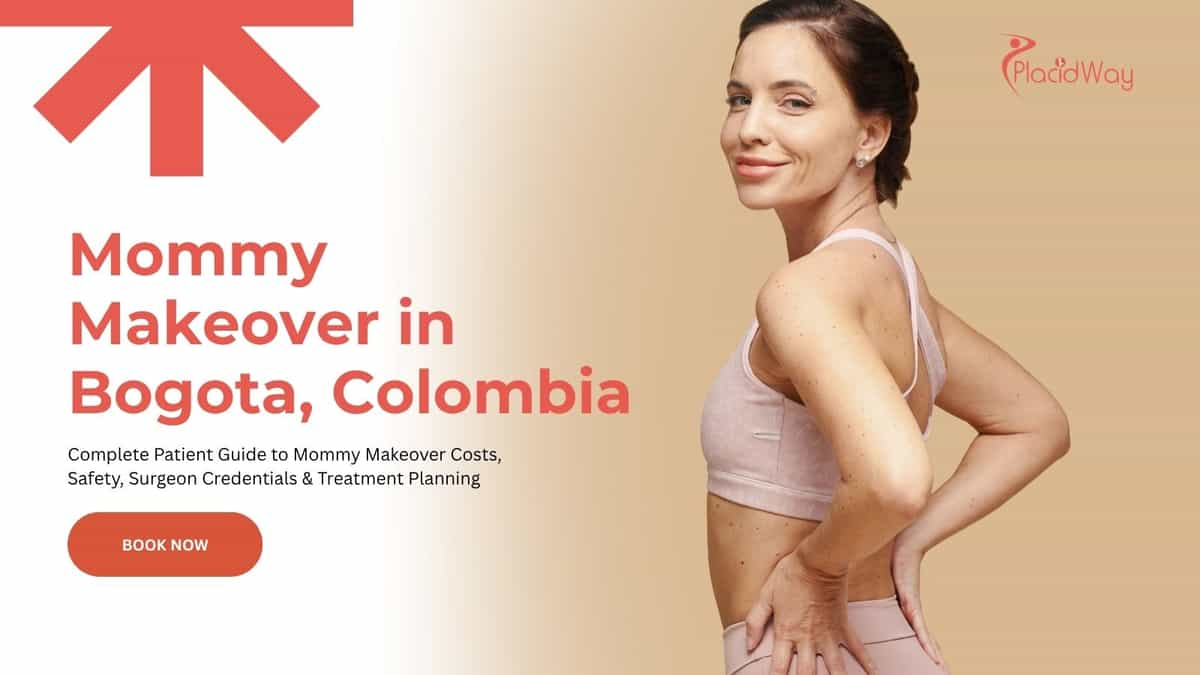
Restoring your pre-pregnancy body is a deeply personal decision that requires careful planning, skilled hands, and financial consideration. Many international patients travel for surgical treatments to access highly experienced specialists without facing the exorbitant fees typical in the United States or Canada. Knowing exactly which Colombian Society of Plastic Surgery (SCCP) board certifications to verify and understanding the true costs involved will help you secure safe, high-quality care. This guide walks you through the essential facts you must consider before booking your procedure abroad.
Quick Summary
- Estimated cost in USD ranges from $7,500 to $12,000 depending on the combination of procedures.
- Patient safety relies heavily on selecting a surgeon certified by the Sociedad Colombiana de Cirugía Plástica, Estética y Reconstructiva (SCCP).
- The ideal candidate is at least six months post-breastfeeding, at a stable weight, and free from underlying health conditions.
- Initial recovery time in the destination country requires at least 10 to 14 days before medical clearance for international flights.
- Patients primarily choose Bogota, Colombia for its high concentration of highly specialized surgeons and modern, regulated hospital infrastructure.
- Caution: Always verify that the medical facility holds an active license from the Ministerio de Salud y Protección Social (Ministry of Health).
Why International Patients Choose Mommy Makeovers in Bogota, Colombia
Deciding to undergo combined cosmetic procedures requires absolute trust in your medical team. Women traveling across borders for plastic surgery often look for destinations that balance exceptional clinical outcomes with transparent pricing. Bogota has emerged as a major medical hub in South America due to its strict medical training standards and modern healthcare facilities.
Patients are drawn to this specific destination because local specialists frequently handle complex, multi-procedure surgeries. Understanding the primary drivers behind this travel trend can help you evaluate if this route aligns with your personal health goals.
- Access to surgeons officially board-certified by the SCCP.
- Significant reductions in overall surgical and facility fees compared to North American averages.
- Comprehensive care packages that often include local transportation and specialized nursing.
- Clinics operating under strict oversight from the local health secretariats.
- Direct flight availability from major cities in the US, Canada, and Europe.
Core Procedures Included in the Surgery
This surgical plan is not a single, standardized operation. Instead, your doctor tailors a combination of procedures to address the specific physical changes caused by pregnancy, childbirth, and breastfeeding. The exact surgical protocol depends entirely on your anatomy and medical history.
Surgeons typically perform these procedures during a single session under general anesthesia. Combining operations minimizes your total exposure to anesthesia and consolidates your recovery timeframe into one period.
Abdominoplasty
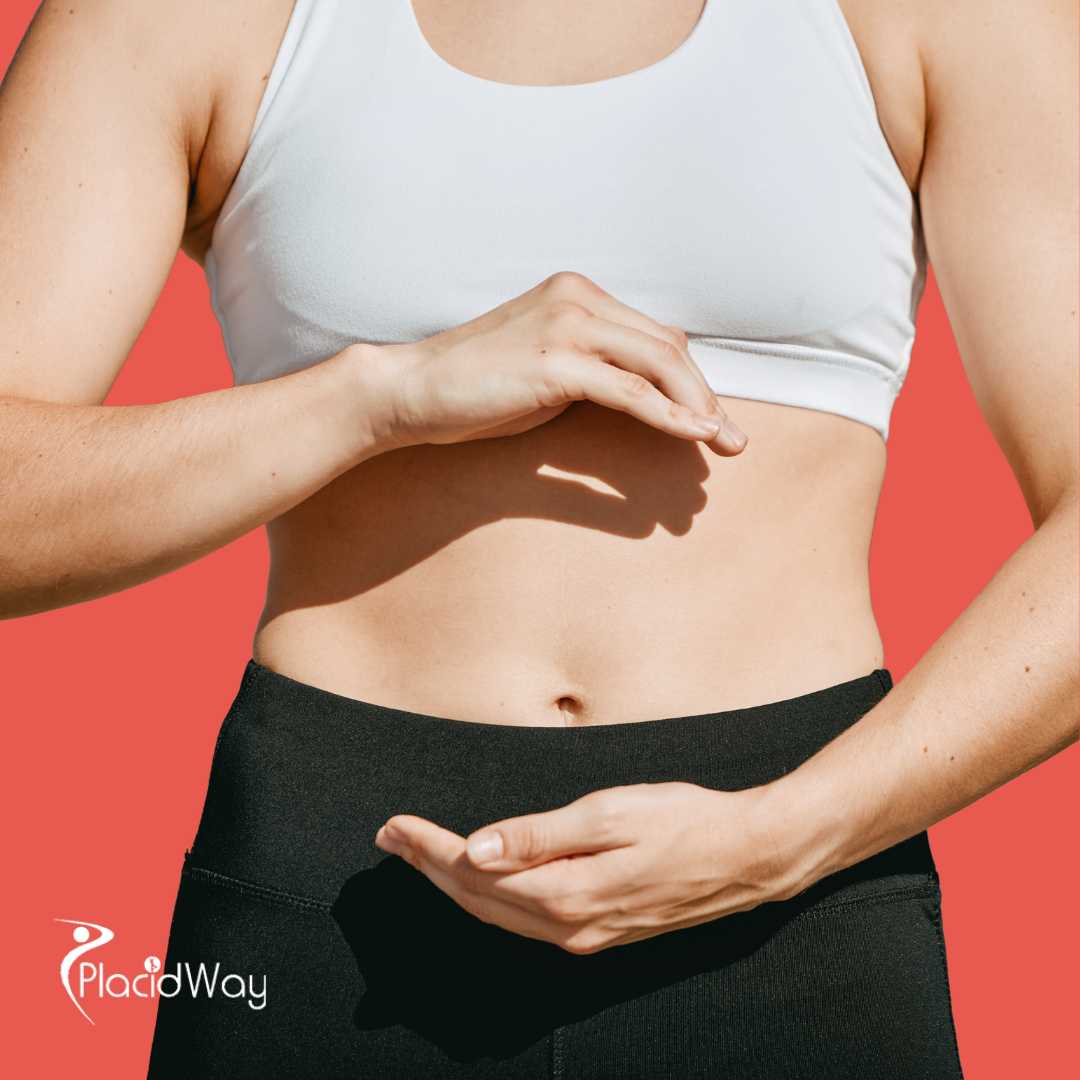
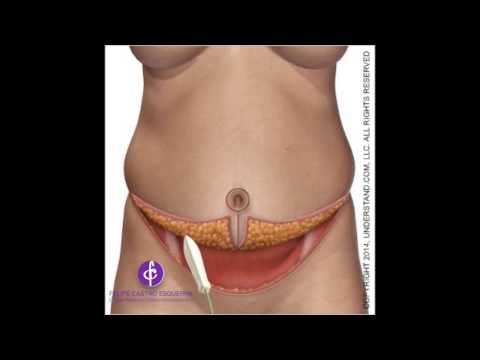
Commonly known as a tummy tuck. Your surgeon repairs separated abdominal muscles (diastasis recti) and removes excess, stretched skin from the midsection.
Breast Surgery
Depending on tissue loss, your doctor may recommend a breast lift (mastopexy) to correct drooping, or augmentation with implants to restore volume.
Liposuction
This technique removes stubborn fat pockets from the flanks, abdomen, or thighs to refine your body contours alongside the primary surgical excisions.
Cost Analysis for Treatment Comparisons
Financial transparency is critical when planning healthcare abroad. The estimated price for these combined surgeries in this destination usually falls between $7,500 and $12,000 USD. This variance exists because no two surgical plans are exactly alike. Prices fluctuate based on the specific procedures combined, the complexity of your case, and the clinic's geographical location within the city.
When you receive a quote, you must ask for an itemized breakdown. Many attractive initial quotes do not include the cost of anesthesia, operating room fees, medical garments, or required overnight hospital stays. Always confirm what is genuinely included before making a financial commitment.
| Treatment Destination | Estimated Average Cost (USD) | Typical Inclusions |
|---|---|---|
| United States | $18,000 - $28,000 | Surgeon fee, facility fee, anesthesia. Post-op garments extra. |
| Canada | $16,000 - $25,000 | Surgeon fee, facility fee. Long wait times for elective booking. |
| Bogota, Colombia | $7,500 - $12,000 | Surgeon fee, anesthesia, facility fee, overnight stay, basic garments. |
Guidelines for Choosing Hospitals and Clinics
Your safety depends heavily on where your surgery takes place. You should never undergo major combined surgeries in a facility that operates only as a spa or a basic consultation office. High-quality surgical care requires a fully equipped operating theater and comprehensive emergency protocols.
In Colombia, the government mandates strict regulations for surgical centers. The facility must hold current licensing from the Ministerio de Salud y Protección Social. Additionally, top-tier clinics in the capital city will have clear protocols for patient transfers and intensive care access in the rare event of a severe complication.
Hospital Verification Checklist
- Verify the clinic's operating license issued by the local health secretariat.
- Ensure the facility has an on-site Intensive Care Unit (ICU) or a documented rapid-transfer agreement with a nearby major hospital.
- Ask about their specific emergency complication management protocols.
- Confirm that anesthesiologists are board-certified specialists, not general practitioners.
Verifying Surgeon Credentials in the Region
The single most important decision you will make is choosing your medical provider. A doctor's ability to safely combine procedures while managing your time under anesthesia dictates both your aesthetic outcome and your physical safety. Do not rely solely on social media portfolios or before-and-after photographs.
You must confirm that your doctor has completed formal, rigorous training in plastic and reconstructive surgery. In this country, the official recognized body is the Sociedad Colombiana de Cirugía Plástica, Estética y Reconstructiva (SCCP). Membership in this society indicates that the surgeon has passed stringent educational and practical requirements.
Warning
Some doctors may market themselves as "aesthetic surgeons" or "cosmetic doctors" without completing full plastic surgery residency programs. Always explicitly verify that the physician is a registered Plastic, Aesthetic, and Reconstructive Surgeon with the SCCP.
Evaluating Your Candidacy for Combined Surgeries
Not every patient is medically suitable for multiple cosmetic operations performed simultaneously. Your doctor will conduct a thorough medical evaluation to ensure your body can withstand prolonged anesthesia and the subsequent healing demands. Safety always takes precedence over aesthetic desires.
To be considered a strong candidate, you typically must be at a stable weight for at least six months. If you recently gave birth, surgeons require you to wait at least six months after you have completely stopped breastfeeding. This waiting period allows your breast tissue to settle and your abdominal muscles to recover naturally before surgical intervention.
Ideal Candidates
- Body Mass Index (BMI) strictly under 30.
- Non-smokers (nicotine severely impairs wound healing).
- Finished having children to prevent reversing surgical results.
- No history of severe blood clotting disorders.
Medical Contraindications
- Active cardiovascular disease or uncontrolled diabetes.
- Current nicotine use or recent smoking history.
- Planning future pregnancies in the near term.
- Significant ongoing weight fluctuations.
Navigating Medical Tourism Regulations
Understanding your rights as an international patient is vital. The Colombian government recognizes the influx of medical tourists and has implemented frameworks to protect inbound patients. Medical facilities are regularly audited by health secretariats to ensure compliance with hygiene, equipment maintenance, and clinical staffing standards.
However, you must take proactive steps to protect yourself. Ensure you receive a formal, written contract detailing your surgical plan, total costs, and the clinic's policy on revision surgeries. Legitimate providers operate with high transparency regarding what happens if medical complications arise post-surgery.
Patient Demographics for Medical Travel
Data from global aesthetic registries reveals distinct patterns in medical travel for post-pregnancy reconstructive surgeries. Women navigating the complexities of post-maternity body changes form the largest cohort seeking cross-border medical care. Recent demographic studies highlight that the majority of these patients are balancing professional careers and active family lives, driving their search for efficient, high-quality interventions.
These patients frequently travel from North America and parts of Europe, motivated by the disparity in healthcare costs and the specific expertise of South American surgeons in body contouring. The typical patient age reflects the timeline of when women generally complete their family planning phases.
Preparing for Altitude and Travel Logistics
Traveling to a foreign country for surgery introduces unique physiological variables. Bogota is located at a high altitude, approximately 8,660 feet (2,640 meters) above sea level. This elevation affects how your body processes oxygen and requires your respiratory system to adapt. Proper acclimation is crucial for your cardiovascular safety during anesthesia.
Reputable medical providers will require you to arrive in the city several days before your scheduled operation. This allows your body to adjust to the altitude and gives your medical team time to run comprehensive preoperative blood panels and cardiac evaluations locally.
| Phase | Recommended Action | Clinical Purpose |
|---|---|---|
| Pre-Arrival | Cease all supplements and nicotine 4 weeks prior. | Prevent intraoperative bleeding and poor wound healing. |
| Arrival (Days 1-3) | Rest, hydrate extensively, avoid alcohol. | Allow physiological acclimation to high altitude. |
| Pre-Op Day | Final lab work, fasting after midnight. | Ensure baseline health metrics are safe for anesthesia. |
Understanding the Medical Procedure Timeline
A combined cosmetic surgery is a major medical event that demands a highly structured approach. Once you are cleared for surgery, you will be admitted to the clinic. Your surgeon will mark your body and review the exact surgical goals one final time before the anesthesiologist administers the medication.
Depending on the extent of the abdominoplasty and breast work, the surgery generally lasts between four to six hours. Due to the comprehensive nature of the excisions and the use of general anesthesia, top-tier clinics mandate at least one overnight stay in the facility for continuous cardiovascular monitoring.
Post-Operative Recovery Protocols
The days following your operation require strict adherence to medical advice. You will wake up wrapped in specialized compression garments designed to minimize swelling and support your newly contoured tissues. Surgical drains are often placed to prevent fluid buildup under the skin.
Pain management is handled aggressively in the initial 48 hours. You must walk slightly bent forward to avoid placing tension on your abdominal incision. Rest is paramount, and your primary focus should be on gentle, short walks to promote blood circulation.
Takeaway
You cannot fly immediately after surgery. The combination of prolonged immobility, high altitude, and recent surgical trauma significantly increases the risk of blood clots. You must stay in the destination country for a minimum of 10 to 14 days until your surgeon officially clears you for air travel.
Mitigating Clinical Risks and Complications
Every surgical intervention carries inherent risks. When combining multiple procedures, the physiological stress on your body increases. Potential complications include infection, adverse reactions to anesthesia, fluid accumulation (seroma), and deep vein thrombosis (DVT).
Highly credentialed surgeons minimize these risks through rigorous patient selection, limiting the time spent under anesthesia, and utilizing modern safety protocols. You must play an active role in risk mitigation by strictly following all postoperative instructions regarding medication and mobility.
| Potential Risk | Clinical Prevention Strategy | Patient Action Required |
|---|---|---|
| Deep Vein Thrombosis (DVT) | Use of sequential compression devices during surgery. | Frequent, gentle walking as soon as permitted. |
| Infection | Intravenous antibiotics administered perioperatively. | Keep incisions clean, dry, and follow wound care rules. |
| Seroma (Fluid Buildup) | Strategic placement of surgical drains. | Wear compression garments 24/7 as directed. |
Balancing Tourism with Medical Recovery
Many patients view medical travel as an opportunity to explore a new culture. While Bogota offers incredible culinary and historical experiences, you must remember that your primary purpose is medical recovery. Combined surgical recovery is physically exhausting.
Your itinerary should focus entirely on rest. Avoid planning long excursions, mountain trips, or vigorous walking tours. Select a recovery house or a comfortable, accessible hotel equipped with amenities that cater to limited mobility.
Travel Planning Tip
Look for accommodations that offer ground-floor rooms or guaranteed elevator access. You will struggle with stairs during the first week of your abdominal recovery. Many clinics partner with specialized recovery centers that provide 24-hour nursing assistance and meal preparation.
Managing Long-Term Results and Expectations
Your surgical outcomes are not immediately visible. Swelling can persist for several months, masking the final contours of your body. Patience is essential as your tissues heal, settle, and adapt to their new positions. The scars from abdominoplasty and breast lifts are permanent, though they typically fade significantly over the first year.
Surgery provides a reset, but it does not stop the aging process or prevent future weight fluctuations. To maintain your clinical results, you must commit to a balanced diet and regular physical activity once your doctor clears you for exercise.
The Importance of Ongoing Aftercare
Your medical journey does not end when you board your flight home. A structured aftercare routine is vital for achieving optimal aesthetic results. Your surgeon will likely recommend a series of manual lymphatic drainage massages to reduce persistent swelling and prevent fibrosis (hardened scar tissue).
Before leaving the country, ensure you have a clear plan for virtual follow-ups. You also need to establish contact with a local general practitioner in your home country who is aware of your surgical history and can assist if a delayed complication arises.
Frequently Asked Questions
How long do I need to stay in Bogota, Colombia after my Mommy Makeover?
International patients must typically remain in the destination for 10 to 14 days post-surgery. This timeframe allows your surgeon to monitor your initial healing, remove surgical drains, and safely clear you for the physical stress and altitude changes of international air travel.
Is it safe to have multiple plastic surgeries at the same time?
Combining procedures is generally safe for healthy candidates when performed by a board-certified specialist in an accredited hospital. However, the total operative time must be carefully managed to reduce anesthesia risks and prevent excessive blood loss. Your doctor will evaluate your individual health to determine limits.
How do I verify if a surgeon is board-certified in Colombia?
You should always look for membership in the Sociedad Colombiana de Cirugía Plástica, Estética y Reconstructiva (SCCP). You can verify a doctor's credentials directly through the SCCP official registry, ensuring they have completed rigorous, recognized specialty training.
What does a Mommy Makeover package usually cost in this destination?
Depending on the complexity of your case and the exact procedures involved, estimated costs generally range from $7,500 to $12,000 USD. Always request a fully itemized quote to confirm if facility fees, anesthesia, overnight hospital stays, and medical garments are included.
Does the high altitude in Bogota affect plastic surgery recovery?
Yes, the city's high altitude (over 8,600 feet) impacts oxygen levels and requires your body to acclimatize. Surgeons require patients to arrive a few days early to adjust. The altitude also makes strict adherence to deep vein thrombosis (DVT) prevention protocols absolutely essential.
When can I safely lift my children after the procedure?
Due to the muscle repair involved in an abdominoplasty, you must avoid lifting anything over five pounds, including children, for at least four to six weeks. Straining the abdominal wall prematurely can tear internal sutures and severely compromise your surgical results.
What happens if I experience a medical complication after returning home?
Reputable clinics provide remote follow-up care via telehealth consultations. However, before traveling, you must establish a relationship with a local general practitioner who can intervene physically if an issue like a late-stage infection or delayed wound healing occurs.
Can I undergo this surgery if my BMI is over 30?
Most highly qualified surgeons require patients to have a BMI strictly under 30 to proceed safely. Higher body mass indices significantly elevate the risks of anesthesia complications, wound healing issues, and poor aesthetic outcomes. Weight loss is often mandated before surgery.
Do I need specialized medical insurance for traveling abroad for surgery?
Standard domestic health insurance does not cover elective procedures abroad or the costs of managing international complications. Your doctor may recommend purchasing specific medical complications insurance designed for medical tourists to protect you financially in case of an emergency.
Will the scars from the abdominoplasty and breast lift fade completely?
Surgical scars are permanent, though they generally fade from red to pale lines over the course of 12 to 18 months. Proper scar care, avoiding sun exposure, and following your surgeon's silicone sheet protocols will significantly improve their long-term appearance.
Ready to Explore Your Treatment Options?
Planning a major surgical procedure abroad requires careful research and verified information. PlacidWay can help you compare top-rated, certified medical providers, understand itemized treatment costs, and ask the right clinical questions before you decide.
Disclaimer: This information is for educational purposes only and does not replace professional medical advice. Always consult a qualified healthcare provider before making medical decisions.
References
- Global Statistics and Patient Demographics 2024 – International Society of Aesthetic Plastic Surgery (ISAPS)
- Official Directory of Board-Certified Surgeons – Sociedad Colombiana de Cirugía Plástica (SCCP)
- Healthcare Provider Licensing Registry – Ministerio de Salud y Protección Social de Colombia
- Safety Protocols for Combined Surgeries – American Society of Plastic Surgeons (ASPS)
- Health and Safety Guidelines for Medical Tourists – Centers for Disease Control and Prevention (CDC)
- Travel and Altitude Considerations for DVT Risk – World Health Organization (WHO)














Share this listing