

Struggling with weight loss can take a physical and emotional toll but choosing to undergo bariatric surgery is a powerful step toward reclaiming your health and vitality. Many North American patients are turning to trusted cross border destinations to find high quality care without the steep financial barriers they face at home. By exploring your options just across the border you can access experienced surgeons who operate in modern certified facilities while saving thousands of dollars. This complete patient guide walks you through the actual costs expected recovery timelines and specific medical certifications you must look for when choosing a reliable clinic for your procedure.
- Estimated Cost: Typically ranges from $4,000 to $6,500 USD depending on the clinic surgeon expertise and all-inclusive package options.
- Ideal Candidate: Adults with a Body Mass Index over 35 or over 30 with obesity related conditions like type 2 diabetes or sleep apnea.
- Recovery Time: Most patients return to desk work in 1 to 2 weeks and resume normal physical activities within 4 to 6 weeks.
- Why Choose Mexicali Mexico: It offers close proximity to the United States border highly specialized bariatric centers and significant cost savings without compromising medical quality.
- Crucial Certifications: Always verify that your surgeon is certified by the Mexican College of Surgery for Obesity and Metabolic Diseases known as CMCOEM.
- Important Caution: While bariatric surgery is highly effective it requires a lifelong commitment to dietary changes and nutritional supplementation to maintain results safely.
Understanding the Gastric Sleeve Procedure and How It Works
The gastric sleeve procedure medically known as a laparoscopic sleeve gastrectomy is a popular bariatric surgery designed to help you achieve significant weight loss. During this operation your surgeon removes approximately eighty percent of your stomach leaving behind a narrow tube that resembles the shape of a banana. This physical restriction severely limits the amount of food you can consume in a single sitting helping you feel full much faster.
Beyond simply restricting food intake the surgery also creates profound metabolic and hormonal changes within your body. By removing the portion of the stomach that produces ghrelin the primary hunger hormone the procedure naturally diminishes your appetite and helps control food cravings. These combined anatomical and hormonal changes work together to facilitate steady and sustainable weight loss over time.
- Significantly reduces hunger hormones
- Does not require rerouting the intestines
- Lower risk of nutritional deficiencies compared to bypass
- Highly effective for resolving obesity related comorbidities
- The procedure is completely irreversible
- May worsen severe acid reflux in some patients
- Requires strict adherence to postoperative diets
- Potential for stomach stretching if overeating occurs
Why Medical Tourists Choose Mexicali Mexico for Bariatric Surgery
Mexicali has rapidly emerged as a premier destination for cross border medical tourism particularly for North American patients seeking weight loss surgery. Located directly across the border from Calexico California the city is incredibly accessible for patients driving from the West Coast or flying into nearby regional airports. This geographic convenience greatly reduces travel stress allowing you to focus entirely on your medical procedure and early recovery.
The city has developed a robust medical infrastructure specifically tailored to international patients. Many prominent bariatric clinics in Mexicali operate out of modern purpose built hospitals that feature state of the art laparoscopic technology and dedicated intensive care units. Furthermore the medical staff in these facilities are typically bilingual and accustomed to the exact standards expected by patients traveling from the United States and Canada.
- Prices are typically sixty to seventy percent lower than equivalent treatments in the United States.
- Wait times for surgery are drastically reduced compared to the Canadian public health system.
- Many facilities offer comprehensive medical lane border passes to expedite your return trip home.
- All inclusive packages often cover ground transportation hotel stays hospital fees and nutritional counseling.
Patient Demographics and Recent Medical Travel Trends
Understanding who travels for bariatric surgery can provide valuable context for your own decision making process. Recent medical tourism data from 2024 indicates that a vast majority of inbound patients to Mexican border cities originate from the United States with significant numbers also arriving from western Canadian provinces. These patients are primarily driven by the lack of adequate insurance coverage in their home countries combined with long waitlists for non emergency procedures.
The demographic profile of these patients spans multiple age groups though a distinct concentration is observed in adults seeking proactive interventions before obesity related conditions cause permanent health damage. Women consistently make up the larger percentage of medical travelers for bariatric procedures reflecting broader global trends in weight loss surgery utilization. The chart below illustrates the age distribution of international bariatric patients based on recent 2024 healthcare travel registry data.
Source: Derived from 2024 North American Cross-Border Healthcare utilization registries.
Estimated Cost of Treatment and Budgeting for Your Trip
Financial considerations are often the primary reason patients begin researching cross border healthcare options. In the United States a gastric sleeve procedure can cost anywhere from fifteen thousand to twenty five thousand dollars depending on the hospital region and your health insurance coverage limits. Many insurance plans either exclude bariatric surgery entirely or require patients to endure exhaustive waiting periods and prerequisite diets before granting approval.
In contrast traveling for care allows you to bypass these financial barriers while still receiving excellent clinical treatment. Reputable clinics typically offer comprehensive packages that bundle the surgery anesthesia hospital stay and initial medications into one transparent price. However you must carefully review these packages to ensure you understand exactly what is included and what might constitute an additional out of pocket expense during your trip.
| Treatment Location | Estimated Average Cost (USD) | Typical Package Inclusions |
|---|---|---|
| United States | $15,000 - $25,000+ | Procedure only hospital fees separate |
| Canada | $16,000 - $20,000 (Private) | Procedure and standard follow up |
| Mexicali Mexico | $4,000 - $6,500 | Surgery anesthesia hospital stay transfers |
How to Verify Hospital Quality and Medical Accreditations
When you travel abroad for a major medical procedure assessing the safety and quality of the facility is absolutely paramount. You should never compromise on clinical standards simply to secure a lower price. In Mexico the highest tier of national accreditation a hospital can achieve is granted by the Consejo de Salubridad General which translates to the General Health Council. Facilities holding this specific certification adhere to rigorous standards that closely mirror those required in the United States and Canada.
Additionally you should confirm that the clinic operates under the strict regulatory oversight of COFEPRIS which is the Mexican federal commission responsible for protecting against sanitary risks. Some elite hospitals may also hold international accreditations such as the Joint Commission International though this is not strictly necessary if the facility demonstrates strong compliance with high level national standards and maintains specialized intensive care capabilities.
Avoid freestanding surgical clinics that do not have an onsite intensive care unit or formal transfer agreements with a major hospital. While severe complications are rare during laparoscopic bariatric surgery immediate access to advanced emergency care is a non negotiable safety requirement for any patient.
Evaluating Surgeon Credentials and Specialized Experience
The skill and experience of your operating surgeon will dictate the safety of your procedure more than any other single factor. Not all doctors who perform weight loss surgery possess the same level of specialized training. You must actively research your prospective surgeons background focusing entirely on their formal qualifications rather than relying solely on marketing materials or social media testimonials.
In Mexico the most authoritative credential for a bariatric specialist is active certification by the Colegio Mexicano de Cirugía para la Obesidad y Enfermedades Metabólicas. Surgeons who hold this certification have undergone rigorous specialized training passed comprehensive examinations and proven their ongoing competence in metabolic surgical techniques. You should also verify their annual case volume as surgeons who perform high volumes of specific laparoscopic procedures generally exhibit lower complication rates.
- Verify their active Mexican medical license with the national registry.
- Confirm specialized board certification through the CMCOEM.
- Ask how many laparoscopic sleeve gastrectomies they perform annually.
- Inquire about their personal complication and leak rates over the past three years.
- Ensure they provide a structured postoperative aftercare and follow up program.
Anticipated Weight Loss Outcomes and Clinical Success Curves
Setting realistic expectations regarding your physical transformation is vital for your long term psychological well being. The surgery is an incredibly powerful tool but it is not a magical cure that works independently of your lifestyle choices. Following the procedure your body will begin shedding weight rapidly during the first six months due to strict caloric deficits and altered hormonal signals.
According to recent clinical registries tracking postoperative bariatric patients most individuals can expect to lose between sixty and seventy percent of their excess body weight within the first eighteen to twenty four months. Achieving and maintaining these optimal outcomes requires strict adherence to nutritional guidelines routine vitamin supplementation and a permanent commitment to daily physical activity. The line graph below demonstrates the standard trajectory of excess weight loss based on 2025 verified clinical outcomes data.
Source: Derived from 2025 published multi-center metabolic surgery outcome registries.
Potential Surgical Risks and Complication Prevention Strategies
Every surgical intervention inherently carries some degree of medical risk and bariatric operations are no exception. Being fully informed about these risks allows you to recognize warning signs early and seek prompt medical attention if necessary. The most serious specific risk associated with this surgery is a gastric leak where stomach fluids escape from the newly created staple line into the abdominal cavity.
Other potential complications include postoperative bleeding deep vein thrombosis surgical site infections and later structural issues such as strictures that make swallowing difficult. High quality clinics mitigate these risks by using advanced automated stapling technology performing intraoperative leak tests with special dyes and administering appropriate blood thinners during your recovery in the hospital.
| Potential Complication | Clinical Warning Signs | Clinical Prevention Strategy |
|---|---|---|
| Gastric Staple Line Leak | Severe abdominal pain fever rapid heartbeat | Intraoperative dye testing extended initial hospital stay |
| Deep Vein Thrombosis | Swelling or sharp pain in the lower legs | Compression garments early walking postoperative blood thinners |
| Strictures or Narrowing | Persistent vomiting inability to swallow liquids | Precise surgical calibration careful diet progression |
Preparing for Your Medical Trip and Preoperative Diet Protocols
Success begins well before you cross the border into Mexico. Once you are approved for surgery your medical team will require you to follow a strict preoperative diet aimed at shrinking your liver. Because the liver sits directly over the stomach reducing its size is essential for allowing the surgeon clear anatomical visibility during the laparoscopic procedure. This diet typically consists of low carbohydrate high protein shakes and clear liquids lasting anywhere from one to three weeks based on your initial body mass index.
Simultaneously you must prepare your travel logistics. Ensure your passport is valid for at least six months beyond your travel dates and coordinate your arrival with the clinics ground transportation team. Many patients find it helpful to travel with a supportive companion who can assist with luggage and provide emotional reassurance during the immediate postoperative window in the hotel before returning home.
Pack loose fitting comfortable clothing that will not rub against your abdominal incisions. Bring a small firm pillow to hold against your stomach when coughing or laughing during your journey home as this will significantly reduce pain from sudden abdominal movements.
Postoperative Care Timeline and Bariatric Diet Progression
Your recovery phase requires strict discipline particularly regarding what you consume. The newly formed stomach is healing and highly sensitive to pressure which means introducing solid foods too quickly can cause severe pain vomiting or even rupture the delicate staple line. Your clinic will provide you with a detailed nutritional guidebook that you must follow meticulously over the first six to eight weeks.
Hydration is your absolute priority during early recovery. You will need to sip fluids constantly throughout the day avoiding large gulps that trap air in the pouch. Because you can no longer eat and drink at the same time you must learn to separate your fluid intake from your meals to prevent painful stretching and ensure proper digestion.
| Timeframe | Dietary Phase | Action Required by Patient |
|---|---|---|
| Days 1 to 7 | Clear Liquids Only | Sip water broth or sugar free popsicles very slowly. |
| Weeks 2 to 3 | Full Liquids and Protein | Introduce protein shakes thin soups and low fat yogurt. |
| Weeks 4 to 5 | Pureed and Soft Foods | Blend foods to baby food consistency chew thoroughly. |
| Week 6 and Beyond | Solid Foods | Focus on dense proteins first avoid sugars and complex carbs. |
Comparing Bariatric Surgery Options and Alternative Treatments
While the sleeve procedure is the most frequently performed weight loss surgery globally it is not the only option available. Depending on your specific medical history eating habits and exact body mass index your surgeon may recommend an alternative procedure. It is crucial to have an open discussion with your medical provider to determine which anatomical intervention aligns best with your long term health goals.
The Roux en Y Gastric Bypass is often recommended for patients suffering from severe uncontrolled acid reflux or uncontrolled type 2 diabetes as it bypasses a portion of the small intestine to create malabsorption. On the other hand the Gastric Balloon is a non surgical temporary option for those who need to lose a smaller amount of weight or do not qualify for invasive surgery. Each method has distinct clinical advantages and unique postoperative requirements.
| Feature Comparison | Gastric Sleeve | Gastric Bypass |
|---|---|---|
| Surgical Mechanism | Restriction only stomach size reduced | Restriction plus intestinal malabsorption |
| Effect on Acid Reflux | May worsen existing severe reflux symptoms | Often cures or significantly improves reflux |
| Nutritional Deficiency Risk | Lower risk standard vitamins needed | Higher risk strict specialized vitamins required |
Essential Questions to Ask During Your Medical Consultation
Your initial consultation is the optimal time to assess whether a particular clinic and surgeon are the right fit for your healthcare needs. You must take an active role in this conversation rather than passively accepting the information provided. A trustworthy bariatric surgeon will welcome your questions answer them clearly without rushing and provide evidence to back up their clinical claims.
Ask about their specific protocols for handling medical emergencies and what kind of support they offer once you return to your home country. Postoperative care is critical for long term success and feeling abandoned by your medical team after paying your bill is a major complaint among poorly researched medical tourism experiences. Ensure you receive a written commitment regarding follow up consultations and nutritional guidance.
- Does the quoted price include treatment for unforeseen surgical complications?
- Who will be my primary point of contact for diet questions once I return home?
- Can you provide a fully itemized breakdown of the all inclusive package?
- What happens if my presurgical testing reveals a condition that delays the surgery?
Frequently Asked Questions About Gastric Sleeve in Mexicali Mexico
Is it safe to travel to Mexicali Mexico for a bariatric procedure
Yes it can be safe if you choose a fully licensed hospital and a board certified surgeon. The city caters extensively to cross border medical patients with secure hospital zones and specialized clinics. Always coordinate logistics through your clinic for streamlined travel from the border to the medical facility.
How long do I need to stay in Mexico after the surgery
Most clinics require you to stay for three to four days. This typically includes two nights recovering inside the hospital under direct medical supervision and one or two additional nights in a partner hotel for final clearance before traveling home.
What happens if I experience a complication after returning home
Before traveling you should identify a local primary care physician or bariatric specialist who can handle routine follow ups. In the rare event of a severe emergency you must visit your nearest local emergency room immediately. Reputable Mexican surgeons will coordinate closely with your local doctors and share all operative reports.
Are the bariatric surgeons in Mexicali fully qualified
Many surgeons operating in these specialized clinics have undergone extensive international training and hold advanced certifications from the Mexican College of Surgery for Obesity and Metabolic Diseases. Always verify your specific surgeons credentials independently before booking your procedure.
Will my United States or Canadian health insurance cover the cost
Typically standard health insurance policies do not cover medical procedures performed internationally unless you hold a specialized cross border policy. Patients usually pay out of pocket or utilize medical financing options when traveling abroad for care.
How much pain will I experience during early recovery
Because the surgery is performed laparoscopically through small incisions outer physical pain is generally manageable with prescribed medications. However you may experience significant internal discomfort cramping and gas pain in your shoulders during the first few days.
Do I have to follow a special diet before arriving for surgery
Yes your doctor will require a strict preoperative liquid or low carbohydrate diet to shrink your liver. This step is critical for surgical safety and failing to follow this diet may result in your procedure being canceled upon arrival.
Can my stomach stretch back out over time
While the physical removal of the stomach is permanent the remaining pouch can stretch slightly over years if you continuously overeat or fail to follow dietary guidelines. Maintaining portion control is essential for long term weight management.
Will I have loose skin after losing weight rapidly
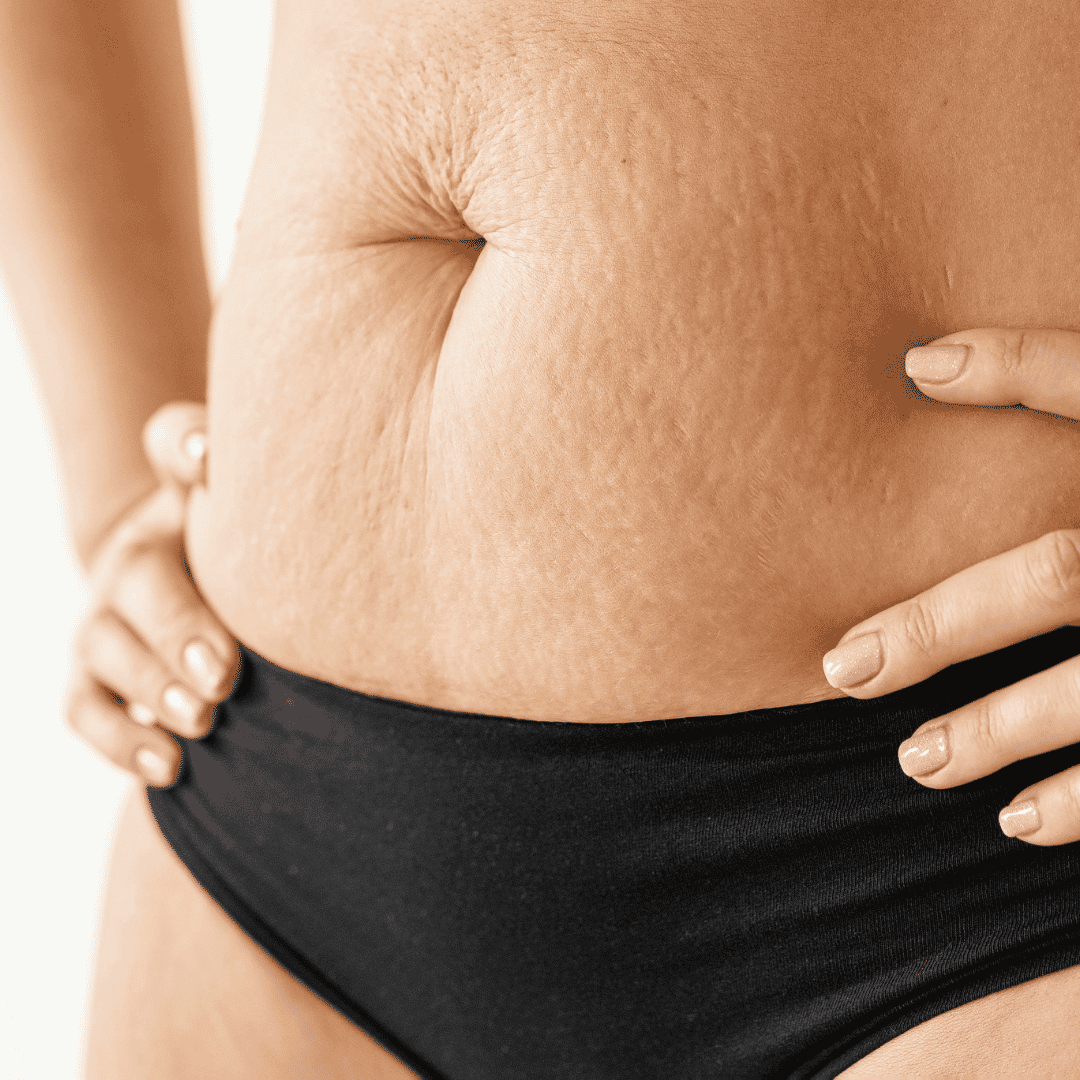
Depending on your age genetics and the total amount of weight lost you may experience excess loose skin. Many patients opt to return for specialized body contouring plastic surgery one to two years after reaching their target weight.
What are the hidden costs associated with medical travel
While packages cover most major expenses you should budget extra for flights passport fees specialized postoperative vitamins protein powders and any specific travel insurance policies you choose to purchase before leaving.
Ready to Explore Your Weight Loss Options
Navigating international healthcare choices can be complex. PlacidWay can help you compare highly rated providers understand transparent treatment costs and request detailed information directly from vetted clinics in Mexicali.
Request Free Information NowDisclaimer: This information is for educational purposes only and does not replace professional medical advice. Always consult a qualified healthcare provider before making medical decisions.
References
- Bariatric Surgery Procedures – American Society for Metabolic and Bariatric Surgery
- Medical Tourism Health and Safety Guidelines – Centers for Disease Control and Prevention
- Certificación de Cirujanos Bariatras – Colegio Mexicano de Cirugía para la Obesidad y Enfermedades Metabólicas
- Long-Term Outcomes of Sleeve Gastrectomy Clinical Review – National Center for Biotechnology Information
- Obesity and Overweight Health Facts – World Health Organization
- Certificación de Establecimientos de Atención Médica – Consejo de Salubridad General Mexico
- Weight Management and Bariatric Surgery Overview – National Institute of Diabetes and Digestive and Kidney Diseases



























Share this listing