
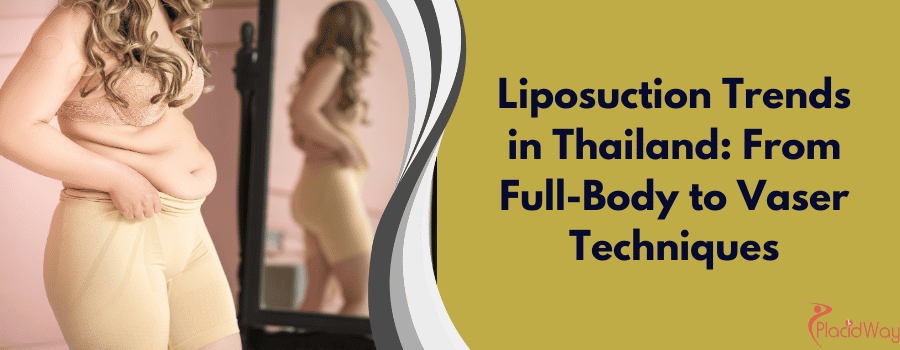
Dealing with stubborn body fat that diet and exercise will not resolve can be incredibly frustrating. If you are exploring liposuction in Thailand, you are joining thousands of international patients who travel for high-quality cosmetic care combined with significant healthcare savings. This guide will help you understand estimated treatment costs, essential medical credentials to look for, and how to safely plan your journey.
Quick Answer Summary
- Estimated Cost: Typically ranges from $1,500 to $4,500 USD per area, depending on the clinic and procedure complexity.
- Safety Overview: Generally safe when performed by a board-certified plastic surgeon in a medically licensed and accredited facility.
- Ideal Candidate: Healthy adults within 30% of their ideal body weight with firm, elastic skin and realistic expectations.
- Recovery Time: Most patients return to light activities within one to two weeks, with full swelling subsiring over three to six months.
- Why Patients Choose Thailand: High standards of private medical care, experienced surgeons, and treatment costs that are often lower than in Western countries.
- Important Caution: Always verify that your chosen clinic is licensed by the Thai Ministry of Public Health and your surgeon is registered with the Medical Council of Thailand.
Why International Patients Choose Liposuction in Thailand
Making the decision to travel abroad for cosmetic surgery requires careful thought and thorough research. Many patients look outside their home countries because domestic healthcare prices for elective procedures have become increasingly prohibitive. Thailand has established itself as a major hub for medical travel by offering a compelling balance of medical expertise and affordability.
When you seek body contouring treatments abroad, finding a destination with a mature healthcare infrastructure is essential. Thailand has decades of experience catering to international patients, offering comprehensive care that addresses both clinical needs and travel logistics.
Primary Reasons for Choosing Thailand
- Significant Cost Savings: Procedures can cost 40% to 60% less than in the US, Australia, or the UK.
- Highly Trained Surgeons: Many specialists complete fellowships internationally and are recognized by global cosmetic surgery boards.
- Advanced Technology: Top-tier private hospitals regularly invest in modern body contouring technologies like VASER and laser-assisted devices.
- Comprehensive Packages: Clinics frequently offer packages that include nursing care, airport transfers, and interpreter services.
- Post-Surgical Environment: Patients can recover discreetly in a comfortable, hospitality-focused environment before returning home.
Beyond affordability, the level of service in private Thai hospitals is often compared to luxury hospitality. Patients frequently report that the personalized care and attention to detail ease the anxiety of undergoing surgery in a foreign country.
Patient Demographics and Treatment Trends
Understanding who travels for this procedure can help you gauge the global trust in Thailand's medical sector. Medical tourism data from 2024 to 2025 indicates a steady influx of inbound patients seeking aesthetic enhancements. The most prominent groups typically arrive from countries with high domestic healthcare costs.
Patients are usually between the ages of 30 and 55, seeking body contouring after significant weight loss or pregnancy. While women make up the majority of liposuction patients, the number of male patients seeking abdominal or chest contouring has increased notably in recent years.
Inbound Medical Tourists for Cosmetic Surgery by Region (2024 Data)
*Visual representation based on 2024 inbound cosmetic surgery travel trends documented by global aesthetic registries.
Australians frequently travel to Thailand due to geographical proximity and direct flight options. Meanwhile, North American patients often combine their surgical trips with extended medical recovery holidays, making the longer flight worthwhile.
Understanding the Liposuction Procedure
Liposuction is a surgical technique designed to remove localized fat deposits that do not respond to traditional weight loss methods. It is not a treatment for obesity or a substitute for a healthy lifestyle. The primary goal is to reshape and refine specific body contours.
During the procedure, a surgeon makes small incisions and inserts a thin tube called a cannula. This cannula is used to loosen excess fat, which is then suctioned out of the body using a surgical vacuum or syringe. Thailand’s top clinics utilize several modern variations of this technique to improve safety and results.
| Technique | How It Works | Common Target Areas |
|---|---|---|
| Tumescent Liposuction | A sterile solution is injected to numb the area and shrink blood vessels, reducing bleeding and bruising. | Abdomen, thighs, flanks, and buttocks. |
| Ultrasound-Assisted (VASER) | Uses ultrasound wave energy to liquefy fat cells before they are suctioned out, allowing for smoother removal. | Fibrous areas like the male chest or upper back. |
| Laser-Assisted (SmartLipo) | A laser fiber is used to break down fat and may help mildly stimulate skin tightening during the process. | Smaller areas like the chin, neck, or arms. |
Your surgeon will recommend a specific technique based on your anatomy, the amount of fat being removed, and your skin elasticity. Discussing these options during your initial virtual consultation is a critical step in the planning process.
Ideal Candidates for Body Contouring
Not everyone who wishes to remove fat is a suitable candidate for this procedure. Surgeons in Thailand adhere to strict medical guidelines to ensure patient safety and to achieve the most predictable aesthetic outcomes. An ideal candidate must be in good overall health with no underlying conditions that could impair healing.
Skin elasticity plays a massive role in the success of body contouring. If you have poor skin tone, the skin may appear loose or sagging after the fat is removed. In such cases, your doctor may recommend a skin excision procedure, such as a tummy tuck, instead of or alongside liposuction.
Candidacy Checklist
- You are within 30% of your ideal, stable body weight.
- You do not smoke, or you are willing to quit several weeks before and after surgery.
- You have firm, elastic skin and good muscle tone.
- You do not have life-threatening illnesses or medical conditions that impair healing (e.g., uncontrolled diabetes).
- You have specific, realistic goals for body contouring.
During the pre-evaluation phase, Thai clinics will typically request your medical history, current medications, and photographs of the target areas. This allows the medical team to give you an honest assessment before you book your flights.
Estimating the Cost of Liposuction in Thailand
Cost is a driving factor for most medical tourists. While prices are highly competitive, they can vary widely depending on the city, the reputation of the hospital, and the specific technology used. The number of areas treated also significantly dictates the final price.
It is crucial to request a fully itemized quote from your provider. Some clinics advertise a low base price for the surgery but add fees for anesthesia, operating room time, compression garments, and overnight hospital stays. Transparency is a hallmark of reputable providers.
| Procedure / Expense | Estimated Cost in Thailand (USD) | Estimated Cost in US/Aus (USD) |
|---|---|---|
| Single Area (e.g., abdomen) | $1,500 - $2,500 | $4,000 - $7,000 |
| Multiple Areas (e.g., abdomen + flanks) | $3,000 - $4,500 | $7,000 - $12,000 |
| VASER or Laser Surcharge | +$500 - $1,000 | +$1,500 - $3,000 |
| Compression Garments | $100 - $200 | $200 - $400 |
When budgeting for your trip, you must also factor in flights, accommodation for the required recovery period, meals, and local transportation. Even with these travel expenses included, the overall cost remains highly favorable for most international patients.
How to Verify Surgeon Credentials in Thailand
Choosing the right surgeon is the most important decision you will make. In Thailand, cosmetic surgery can legally be performed by general practitioners, but you should exclusively seek out specialists who are formally trained in plastic and reconstructive surgery. Expertise minimizes risks and improves aesthetic results.
To ensure a high standard of care, you must know how to verify local credentials. Thailand has strict national regulatory bodies that oversee medical education, licensing, and professional conduct.
Essential Credentials to Look For
- Medical Council of Thailand: Verify that the doctor holds a valid, active medical license in Thailand.
- Society of Plastic and Reconstructive Surgeons of Thailand (ThPRS): Look for membership here, which indicates specialized board certification in plastic surgery.
- International Societies (Optional but ideal): Memberships in organizations like ISAPS (International Society of Aesthetic Plastic Surgery) or ASPS (American Society of Plastic Surgeons) demonstrate a commitment to global standards.
Do not hesitate to ask a clinic for the surgeon's medical license number and their specific experience with liposuction. A reputable surgeon will gladly provide their qualifications, before-and-after portfolios, and details about their complication rates.
Selecting a Safe and Licensed Hospital or Clinic
The facility where your surgery takes place is just as important as the surgeon performing it. Medical facilities in Thailand range from massive, internationally renowned private hospitals to smaller boutique aesthetic clinics. Both can be safe, provided they meet rigorous regulatory standards.
At a minimum, any clinic or hospital you consider must be licensed by the Thai Ministry of Public Health. This government body enforces safety protocols, hygiene standards, and emergency preparedness requirements for all medical facilities operating in the country.
Facility Accreditation and Trust Signals
- Hospital Accreditation (HA) Thailand: The national standard for healthcare quality and patient safety.
- JCI Accreditation: While not mandatory, Joint Commission International accreditation is a premium indicator of global healthcare standards. Top private hospitals in Bangkok and Phuket often hold this.
- Emergency Protocols: Ensure the clinic has an on-site Intensive Care Unit (ICU) or a documented, rapid-transfer agreement with a major hospital in case of unexpected complications.
If you are considering a smaller stand-alone clinic, confirm what type of anesthesia will be used. Procedures requiring general anesthesia should ideally take place in a fully equipped hospital setting, while minor touch-ups under local anesthesia may be safely done in a licensed clinic.
Pre-Operative Planning and Medical Clearance
Proper preparation minimizes surgical risks and sets the stage for a smooth recovery. Once you select a provider, they will give you a comprehensive list of pre-operative instructions. You will typically need to complete several steps before leaving your home country.
Surgeons generally require routine blood tests, an electrocardiogram (EKG) for older patients, and medical clearance from your primary care doctor. You may also be instructed to stop taking certain medications and supplements that can increase bleeding.
What to Stop Taking
- Aspirin and anti-inflammatory drugs (NSAIDs)
- Herbal supplements (e.g., Ginkgo Biloba, Ginseng)
- Vitamin E and Omega-3 fish oils
- Tobacco and nicotine products (at least 4 weeks prior)
What to Prepare
- Loose, comfortable clothing for recovery
- Arrangements for a chaperone or nursing care
- Pre-booked accommodation near the clinic
- Medical history and recent lab work results
Arrive in Thailand a few days before your scheduled surgery. This gives you time to adjust to the climate, recover from jet lag, and attend your in-person pre-surgical consultation. During this meeting, the surgeon will mark the surgical areas and confirm the final surgical plan.
The First Week of Recovery in Thailand
The immediate post-operative period is crucial for achieving optimal results. You can expect swelling, bruising, and soreness in the treated areas. Most patients describe the sensation as similar to an intense muscle workout rather than sharp pain.
Your surgeon will require you to wear a tight compression garment. This garment minimizes swelling, helps the skin contract to the new body contours, and provides essential support to the healing tissues. You must wear it exactly as instructed, often 24 hours a day for the first few weeks.
| Timeline | Physical Sensation | Activity Level | Patient Action Required |
|---|---|---|---|
| Days 1-3 | Significant swelling, soreness, fluid drainage. | Strict rest. Very short, slow walks to prevent blood clots. | Take prescribed antibiotics and pain medication; wear compression garments. |
| Days 4-7 | Bruising peaks; pain transitions to dull ache. | Light walking around the hotel room or local area. | Attend follow-up appointment; drains (if used) are typically removed. |
| Days 8-14 | Swelling begins to decrease gradually. | Return to normal light daily activities; no heavy lifting. | Clearance check before flying home. Continue wearing garments. |
During this first week, you must stay well-hydrated and avoid alcohol or salty foods, which can exacerbate swelling. Thailand's heat can be intense, so it is highly recommended to spend your recovery resting in an air-conditioned hotel room rather than exploring the city.
Long-Term Recovery and Final Results
Patience is mandatory when recovering from body contouring. The results are rarely immediate because post-surgical swelling obscures the new contours. While you will notice a difference in your clothing fit within a few weeks, the final clinical outcome takes much longer to manifest.
Your body continues to heal and reabsorb fluid for several months. Adhering strictly to your surgeon’s long-term aftercare instructions, including lymphatic drainage massages if recommended, can significantly improve the final smoothness of your skin.
Clinical Swelling Reduction Timeline (12 Weeks)
*Based on standard clinical recovery curves for tumescent procedures, demonstrating gradual fluid reabsorption over 6 months (2024–2025 guidelines).
To maintain your results permanently, you must adopt a healthy diet and consistent exercise routine. While the removed fat cells do not return, remaining fat cells in the body can expand if you gain weight, which can alter the proportions of your new contour.
Risks, Complications, and Safety Protocols
All surgical procedures carry inherent risks, and it is vital to approach medical travel with a realistic understanding of potential complications. While severe complications are rare when performed by qualified surgeons in accredited Thai hospitals, they can still occur.
A primary concern with this procedure is fluid shifts and lidocaine toxicity, which is why surgeons strictly limit the volume of fat that can be safely removed in a single session. Removing too much fat at once drastically increases the risk of shock and severe dehydration.
| Potential Risk | Clinical Explanation | Prevention Strategy |
|---|---|---|
| Contour Irregularities | Skin may appear bumpy or wavy due to uneven fat removal or poor skin elasticity. | Selecting a highly experienced surgeon and wearing compression garments diligently. |
| Infection | Bacterial infection at the incision sites or internally. | Operating in sterile hospital environments and completing the full course of prescribed antibiotics. |
| Deep Vein Thrombosis (DVT) | Blood clots forming in deep veins, usually in the legs, due to prolonged inactivity. | Early mobilization (walking safely) post-surgery and following flight guidelines. |
If you experience excessive bleeding, sudden shortness of breath, or severe pain that medication does not relieve, you must seek immediate emergency medical care. Ensure your chosen clinic has a 24-hour emergency contact line dedicated to post-operative patients.
Flying Home After Liposuction in Thailand
Combining surgery with long-haul international flights introduces specific medical risks, primarily the increased chance of developing Deep Vein Thrombosis (DVT). The combination of post-surgical immobility, trauma to blood vessels, and cabin pressure changes makes flying a critical phase of your recovery.
Surgeons generally require international patients to remain in Thailand for a minimum of 7 to 10 days post-surgery. This mandatory stay allows the medical team to monitor your healing, manage any early complications, and provide a final medical clearance certificate for your flight.
Safe Travel Guidelines
- Never fly without explicit, written medical clearance from your Thai surgeon.
- Wear medical-grade compression stockings during your flight in addition to your surgical garments.
- Stay highly hydrated and avoid alcohol and caffeine during the flight.
- Walk down the airplane aisle for a few minutes every hour to promote healthy blood circulation.
- Inform your airline in advance; you may require wheelchair assistance at the airport to avoid exhausting yourself.
Upon returning home, you should schedule a follow-up appointment with your local primary care physician to ensure your incisions are healing without infection. Provide them with the discharge summary and medical records supplied by your clinic in Thailand.
Frequently Asked Questions
Is liposuction in Thailand safe for international patients?
Yes, it is generally safe when you choose a licensed hospital and a surgeon registered with the Medical Council of Thailand. Verifying hospital accreditation and strictly following pre- and post-operative instructions significantly minimizes travel and surgical risks.
How long do I need to stay in Thailand for recovery?
You should plan to stay in Thailand for at least 7 to 14 days after your procedure. This allows for initial recovery, drain removal, follow-up appointments, and mandatory medical clearance before taking a long-haul flight home.
Are the results of liposuction permanent?
The fat cells removed during the surgery are gone permanently. However, if you gain weight in the future, the remaining fat cells in your body can expand, potentially altering the new contours of your body.
Can I combine liposuction with a tummy tuck in Thailand?
Yes, many patients safely combine these procedures. A tummy tuck removes excess sagging skin, while liposuction removes fat. Your surgeon will assess your health to determine if combining surgeries is medically safe for you.
How much weight will I lose with this procedure?
Liposuction is not a weight-loss treatment. Most patients only lose a few pounds. The goal is to remove localized fat to improve body shape and proportions, not to significantly reduce the number on the scale.
What is VASER liposuction and is it available in Bangkok?
VASER uses ultrasound technology to gently liquefy fat before extraction, which can result in smoother contours and less bruising. Most top-tier cosmetic clinics and private hospitals in Bangkok readily offer this advanced technology.
Will I have visible scars after the surgery?
The incisions made for the cannula are typically very small, usually less than a quarter of an inch. Surgeons strategically place these incisions in natural body folds to ensure scars fade and remain as inconspicuous as possible over time.
What happens if there is a complication after I return home?
Before traveling, you should secure medical complications insurance designed for medical tourists. Additionally, establish a relationship with a local doctor in your home country who can manage long-term aftercare or address delayed healing issues.
How much does liposuction cost in Thailand?
Prices typically range from $1,500 to $4,500 USD per targeted area. The exact cost depends on the amount of fat being removed, the technology used, the hospital's prestige, and package inclusions like anesthesia and compression garments.
When can I go to the beach or swim after surgery in Thailand?
You must avoid swimming pools, oceans, and hot tubs for at least 4 to 6 weeks, or until your incisions are completely closed and healed. Exposing unhealed incisions to water drastically increases the risk of severe bacterial infection.
Ready to Explore Your Options?
Navigating international healthcare can be complex. PlacidWay can help you compare certified providers, understand exact treatment costs, and request personalized information from trusted clinics in Thailand.
Request Information TodayDisclaimer: This information is for educational purposes only and does not replace professional medical advice. Always consult a qualified healthcare provider before making medical decisions.
References
- Liposuction Safety and Risks – American Society of Plastic Surgeons (ASPS)
- Global Statistics on Aesthetic Procedures – International Society of Aesthetic Plastic Surgery (ISAPS)
- Medical Tourism Travel Guidelines – Centers for Disease Control and Prevention (CDC)
- Verification of Medical Licenses – Medical Council of Thailand
- Healthcare Accreditation Standards – Healthcare Accreditation Institute (Public Organization) Thailand
- Recovery Timeline for Body Contouring – American Society of Plastic Surgeons (ASPS)
- Blood Clots and Travel Risk Factors – Centers for Disease Control and Prevention (CDC)

























Share this listing