
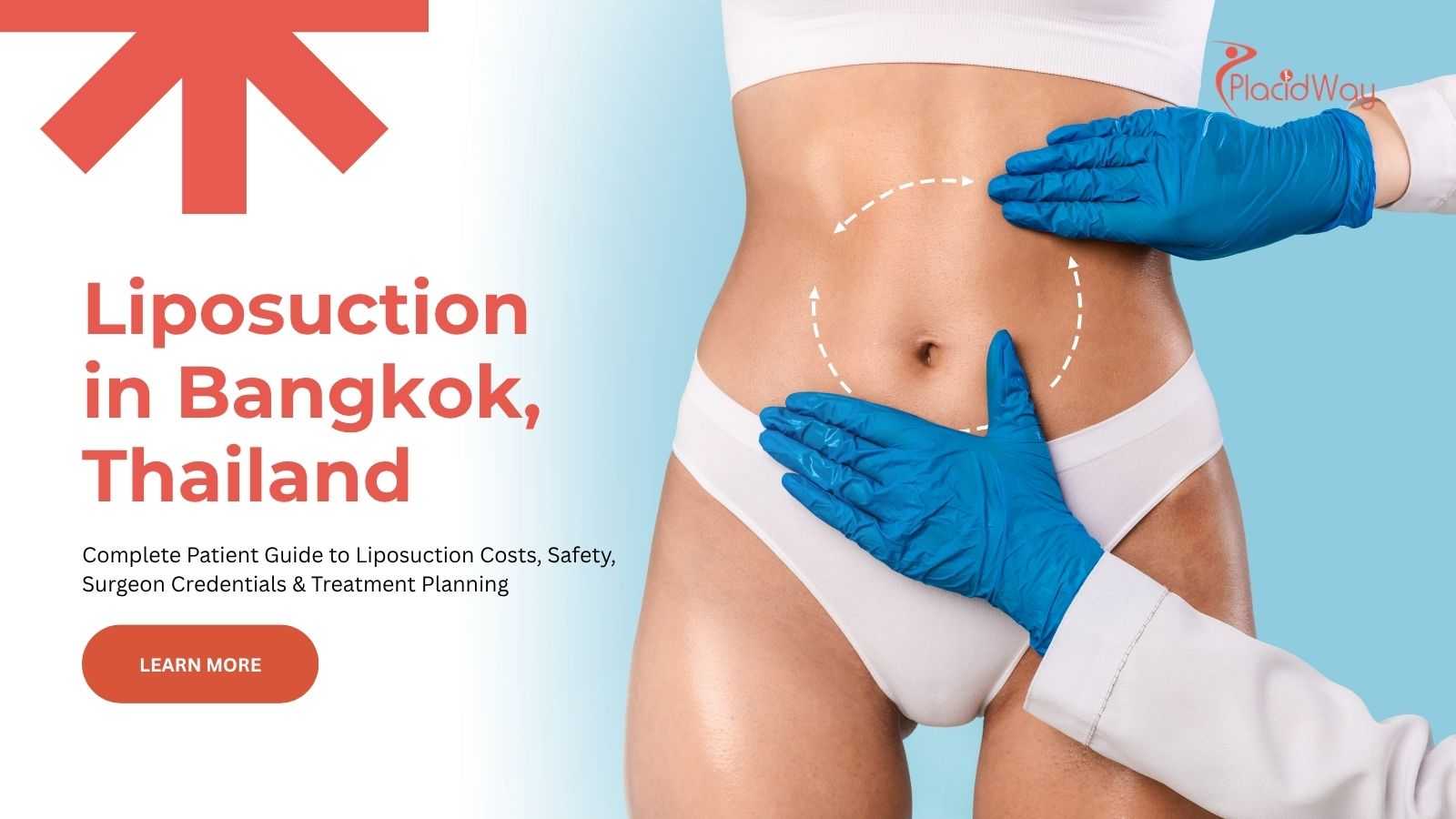
Quick Answer Summary
- Estimated Cost: Typically ranges from $1,500 to $3,500 USD per treatment area, depending on the technology used and the clinic's facility fees.
- Certifications to Look For: Verify the hospital holds Hospital Accreditation (HA) Thailand or JCI accreditation, and ensure your doctor is registered with the Thai Medical Council and the Society of Plastic and Reconstructive Surgeons of Thailand (ThPRS).
- Ideal Candidate: Adults within 30% of their ideal body weight who have firm, elastic skin and stubborn fat deposits that do not respond to diet and exercise.
- Recovery Time: Most patients need 7 to 10 days of rest in Bangkok before flying home, with full swelling resolution taking 3 to 6 months.
- Main Reason for Travel: Access to highly experienced, board-certified plastic surgeons utilizing advanced technologies (like VASER) at a fraction of Western healthcare prices.
- Important Caution: Flying too soon after surgery increases the risk of deep vein thrombosis (DVT); always follow your surgeon's specific clearance timeline before boarding a plane.
Why International Patients Choose Liposuction in Bangkok, Thailand
Medical tourism requires serious consideration, especially when it involves invasive surgery. If you are researching body contouring options, you likely want to understand why thousands of patients fly across the world for this specific procedure. Thailand has spent decades building a robust private healthcare sector specifically tailored to international standards. When you look into local options in North America, Europe, or Australia, the out-of-pocket expenses can quickly become prohibitive. Bangkok offers a unique medical landscape where highly regulated surgical care intersects with specialized hospitality. Patients consistently highlight a few core drivers for their decision to travel.
- Board-certified surgeons frequently hold international fellowships and utilize the latest body contouring technologies.
- Dedicated international patient departments provide seamless care, including translation services and post-operative nursing.
- Strict regulatory oversight by the Ministry of Public Health ensures private hospitals maintain rigorous clinical protocols.
- The opportunity to recover in a calm, discreet environment away from the daily stresses of home.
- Significant cost savings that often cover both the surgical procedure and the required travel expenses.
Understanding How Liposuction Works
Liposuction physically removes localized fat cells from specific areas of the body, such as the abdomen, thighs, arms, or neck. It is crucial to understand that this procedure is not a weight-loss solution. Instead, it is a targeted body contouring method. During the surgery, your doctor makes tiny incisions near the target area. A thin tube, called a cannula, is inserted to loosen excess fat. A medical vacuum or syringe attached to the cannula then suctions the fat away. Different technologies can assist in this process, and your surgeon in Bangkok will recommend an approach based on your anatomy and goals.
| Procedure Type | How It Works | Typical Application |
|---|---|---|
| Tumescent Liposuction | Injects a sterile solution containing saline, lidocaine, and epinephrine to swell the fat cells and reduce bleeding. | The most traditional and widely used method for most body areas. |
| Ultrasound-Assisted (VASER) | Uses high-frequency sound waves to liquefy fat cells before suctioning. | Fibrous areas like the male chest, back, or for high-definition sculpting. |
| Laser-Assisted (SmartLipo) | Utilizes targeted laser energy to melt fat and may stimulate local collagen production. | Smaller areas needing precise contouring and potential mild skin tightening. |
Patient Demographics and Travel Trends for Plastic Surgery in Bangkok
Understanding who travels for cosmetic procedures can help validate your own research process. Recent demographic data highlights a consistent flow of medical travelers seeking high-quality plastic surgery in Southeast Asia. Based on 2024 healthcare tourism reports, patients traveling to Thailand for body contouring procedures primarily originate from high-income countries where domestic elective surgery costs are restrictive. Patients are typically between 30 and 55 years old, representing individuals who have stabilized their weight but struggle with genetic fat distribution.
2024 Primary Origin Regions for Inbound Plastic Surgery Patients in Thailand
This chart illustrates the regional distribution of international patients traveling to Thailand for aesthetic procedures, based on recent 2024 medical tourism sector analyses.
The Cost of Liposuction in Bangkok Compared to Your Home Country
One of the most critical factors in your research is understanding the financial investment required. Thailand offers transparent pricing, but you must evaluate quotes carefully. Surgical costs vary based on the number of areas treated, the specific technology utilized, and the level of the hospital facility. When requesting quotes, always ask if the price is a bundled package or a base surgical fee. A complete quote should cover the surgeon's fee, anesthesiologist fee, operating room charges, standard medical supplies, and immediate post-operative care.
| Country | Estimated Cost per Area (USD) |
|---|---|
| United States | $3,500 - $8,000+ |
| Australia | $4,000 - $7,500+ |
| United Kingdom | $3,800 - $6,500+ |
| Bangkok, Thailand | $1,500 - $3,500 |
How to Choose a Safe Hospital or Clinic in Bangkok
Your safety relies heavily on the environment where the surgery is performed. Thailand's Ministry of Public Health strictly regulates medical facilities, but independent certifications provide an extra layer of reassurance for international patients. When evaluating a clinic or hospital in Bangkok, you must look beyond modern marketing materials. Investigate the specific medical licenses and accreditations the facility holds. Hospitals equipped with modern intensive care units (ICUs) and comprehensive emergency protocols offer the highest level of security.
National Certifications
Look for facilities accredited by the Healthcare Accreditation Institute (Public Organization) Thailand (HA). This certification demonstrates that the hospital meets stringent national standards for patient safety, infection control, and clinical quality.
International Accreditations
Many top-tier hospitals in Bangkok hold Joint Commission International (JCI) accreditation. While not mandatory for safe care, a JCI gold seal indicates the facility operates under globally recognized healthcare quality and safety standards.
Verifying Your Surgeon’s Credentials in Thailand
The skill and experience of your surgeon directly impact your aesthetic outcome and your physical safety. Do not choose a doctor solely based on social media before-and-after photos. You must verify their formal medical background. In Thailand, a qualified specialist should complete rigorous training in plastic and reconstructive surgery. You have the right to ask for a surgeon's license number and verify it independently.
- Thai Medical Council: Confirm the surgeon holds an active, unrestricted medical license to practice in Thailand.
- Board Certification: The surgeon should be certified by the Thai Board of Plastic and Reconstructive Surgery.
- Professional Memberships: Look for membership in the Society of Plastic and Reconstructive Surgeons of Thailand (ThPRS).
- International Affiliations: Memberships in global organizations like ISAPS or ASPS indicate a commitment to international standards.
Are You a Good Candidate for Liposuction Abroad?
Medical travel adds physical stress to your body, making patient selection criteria even stricter than domestic procedures. Your surgeon will evaluate your medical history to determine if you are fit for surgery and international flight. A thorough pre-operative assessment protects you from unnecessary complications. If you have underlying health conditions like unmanaged diabetes, high blood pressure, or a history of blood clots, your doctor may advise against the procedure.
Candidate Evaluation Checklist
- You are within 30% of your ideal, stable body weight.
- You have firm, elastic skin with good muscle tone (liposuction does not fix loose skin).
- You do not smoke, or you can commit to quitting at least 4-6 weeks before and after surgery.
- You do not have life-threatening illnesses or medical conditions that impair healing.
- You have realistic expectations regarding the outcome and understand the limitations of body contouring.
Preparing for Your Trip to Bangkok
Thorough preparation ensures a smooth transition from your arrival in Thailand to your eventual return home. Coordinating surgery abroad involves managing medical records, travel logistics, and post-operative support simultaneously. You must clear your schedule for an adequate recovery period. Rushing back to your home country too quickly places unnecessary strain on your healing body and increases travel-related risks.
| Timeline | Required Action |
|---|---|
| 4-6 Weeks Before | Cease smoking and avoid blood-thinning medications or supplements. Book medical complications insurance. |
| 2 Weeks Before | Complete any required local blood tests or ECGs requested by your Thai surgeon. Finalize accessible accommodation in Bangkok. |
| 1 Week Before | Pack loose, comfortable clothing that opens from the front. Confirm your hospital transfer arrangements. |
The Liposuction Consultation Process in Bangkok
Your initial consultation in Bangkok is a critical medical evaluation, not a sales pitch. Even if you completed a virtual consultation before traveling, an in-person physical examination is mandatory to finalize your surgical plan. During this meeting, your surgeon will assess your skin quality, measure fat deposits, and review your complete medical history. This is your opportunity to ask detailed questions about the surgical technique, the location of incisions, and the facility's emergency response capabilities.
Step-by-Step: Your Surgery Day in Bangkok
Knowing exactly what to expect on the day of your procedure helps calm your nerves. Reliable hospitals in Bangkok follow strict pre-operative protocols to ensure your safety from admission to discharge. The duration of the surgery depends on the number of areas being treated and the volume of fat removed. Most procedures take between one and three hours.
- Admission: You arrive at the hospital, complete final paperwork, and change into a surgical gown.
- Marking: Your surgeon will draw detailed guidelines on your body while you are standing to map out the fat removal.
- Anesthesia: An anesthesiologist administers either local anesthesia with intravenous sedation or general anesthesia.
- Procedure: The surgical team infuses tumescent fluid, makes small incisions, and carefully suctions the fat.
- Recovery Room: You are moved to a post-anesthesia care unit where nurses monitor your vital signs until you wake up comfortably.
Managing Your Recovery While in Thailand
The days immediately following your surgery are vital for achieving optimal results. Your body will experience swelling, bruising, and fluid drainage from the incision sites. You must wear a specialized medical compression garment constantly to minimize swelling and help your skin conform to your new contours. Most clinics require international patients to remain in Bangkok for at least 7 to 10 days post-surgery. This period allows the surgeon to monitor your healing, remove stitches if necessary, and officially clear you for air travel.
| Timeframe | Clinical Process | Action Required |
|---|---|---|
| Days 1-3 | Maximum swelling, fluid drainage from incisions, moderate discomfort. | Rest in your hotel. Take prescribed antibiotics. Walk lightly around the room to promote circulation. |
| Days 4-7 | Drainage stops. Bruising begins to change color. Energy levels slowly return. | Attend follow-up appointments. Keep compression garment tight. Avoid strenuous activity. |
| Days 7-10 | Initial healing phase stabilizes. Surgeon assesses readiness for travel. | Stitch removal (if non-dissolvable). Obtain formal fit-to-fly medical certificate. |
Post-Operative Safety and When to Seek Help
While recovering in your Bangkok hotel, you must pay close attention to how your body feels. Mild pain and localized swelling are normal, but certain symptoms require immediate medical intervention. Top-tier clinics provide 24/7 emergency contact numbers and dedicated patient coordinators. Always follow your surgeon's specific aftercare instructions regarding wound care and showering. Keeping the incision sites clean prevents localized skin infections.
Risks and Potential Complications of Liposuction
No surgical procedure is entirely risk-free. Medically accurate patient education requires a transparent discussion of potential complications. While severe complications are rare when the procedure is performed by a board-certified plastic surgeon in a regulated hospital, you must acknowledge the risks. Surgical risks include adverse reactions to anesthesia, excessive bleeding, and infection. Complications specific to liposuction can affect the aesthetic outcome and your internal health.
- Contour Irregularities: Your skin may appear bumpy, wavy, or withered due to uneven fat removal or poor skin elasticity.
- Fluid Accumulation: Temporary pockets of fluid (seromas) can form under the skin and may need to be drained with a needle.
- Numbness: You may feel temporary or, in rare cases, permanent numbness or changes in skin sensation around the treated areas.
- Deep Vein Thrombosis (DVT): Blood clots can form in the deep veins of the leg, especially when combining surgery with long-haul travel.
Long-Term Results and Expectations
Your final body contour will not be visible immediately after surgery. Post-operative tissue inflammation masks the actual fat removal. You must practice patience during the healing journey. Most patients see noticeable improvements within the first month, but residual swelling can persist for several months. Adhering strictly to compression garment protocols and undergoing recommended lymphatic drainage massages heavily influences your final outcome.
2024 Clinical Observation: Average Swelling Reduction Timeline Post-Liposuction
This graph maps the typical resolution of post-operative edema (swelling) over a 12-week period based on 2024 clinical recovery assessments.
Combining Liposuction with Other Procedures in Bangkok
Many patients traveling to Thailand choose to maximize their time away by combining liposuction with other cosmetic surgeries. Common combinations include abdominoplasty (tummy tuck), breast augmentation, or a fat transfer procedure. While combining procedures can save you money on facility fees and anesthesia, it significantly increases the surgical trauma placed on your body. Your surgeon will carefully evaluate the total anticipated surgical time and volume of fat removal to determine if combination surgery is safe for your specific physiology.
Pros of Combined Procedures
- Requires only one period of general anesthesia.
- Consolidates the total recovery time into one trip.
- Reduces overall hospital and operating room costs.
- Achieves a more comprehensive aesthetic transformation.
Cons of Combined Procedures
- Extends total time in surgery, increasing risk.
- Intensifies post-operative pain and discomfort.
- Prolongs the mandatory stay required in Bangkok.
- Increases the physiological strain on the cardiovascular system.
Traveling Home Safely After Body Contouring
The flight home from Thailand often involves long hours seated in a pressurized cabin. This environment restricts blood flow and increases the risk of blood clots. Never fly before your surgeon explicitly clears you. During your flight, wear your medical compression garments as instructed. Stay hydrated by drinking plenty of water, avoid alcohol, and get up to walk the aisle every few hours to keep your circulation moving.
Frequently Asked Questions About Liposuction in Bangkok
Is it safe to have liposuction in Bangkok?
Yes, it can be safe when performed in an accredited hospital by a board-certified plastic surgeon registered with the Thai Medical Council. You must prioritize medical credentials over price and adhere strictly to post-operative guidelines.
How many areas of fat can I have removed at once in Thailand?
The number of areas depends on the total volume of fat rather than the specific location. Guidelines recommend limiting fat removal to 3-5 liters per session to minimize systemic complications and fluid imbalances.
Do clinics in Bangkok use VASER liposuction?
Yes, many leading clinics and hospitals in Bangkok utilize advanced VASER (ultrasound-assisted) technology to break down fat cells, which is particularly beneficial for high-definition body sculpting.
How long must I stay in Bangkok after the surgery?
Surgeons typically require international patients to stay in Bangkok for 7 to 10 days after the procedure. This ensures adequate time for initial healing, drain removal, and medical clearance for air travel.
Will liposuction help me lose weight?
No, liposuction is a body contouring procedure, not a weight-loss treatment. It is designed to remove localized, stubborn fat deposits that do not respond to diet and exercise in patients near their ideal weight.
Can the removed fat return after my surgery in Thailand?
The specific fat cells removed are gone permanently. However, if you gain weight after the procedure, the remaining fat cells in your body can expand, which may alter your surgical results.
Are the costs quoted for Bangkok all-inclusive?
Not always. You must ask the hospital for an itemized quote. Ensure you know whether the price covers facility fees, anesthesia, pre-operative blood work, compression garments, and post-operative medications.
Will I have noticeable scars after the procedure?
The incisions used for the cannula are very small, typically less than a quarter of an inch. Surgeons strategically place these incisions in natural body creases to minimize the visibility of resulting scars.
How do I communicate with my surgical team in Thailand?
Major private hospitals and cosmetic clinics in Bangkok have dedicated international patient departments. They employ English-speaking medical staff and provide professional interpreters for consultations and recovery.
When can I return to normal exercise after my surgery?
Light walking is encouraged immediately to prevent blood clots. However, strenuous cardiovascular exercise and heavy lifting should typically be avoided for 4 to 6 weeks, depending on your surgeon's specific advice.
Ready to Plan Your Body Contouring Journey?
PlacidWay can help you compare certified medical providers, understand itemized treatment costs, and request detailed information directly from top clinics in Bangkok.
Request InformationDisclaimer
Disclaimer: This information is for educational purposes only and does not replace professional medical advice. Always consult a qualified healthcare provider before making medical decisions.
References
- Global Survey on Aesthetic/Cosmetic Procedures (2024 Updates) – International Society of Aesthetic Plastic Surgery (ISAPS)
- Medical Profession Act and Physician Verification – Thai Medical Council
- Liposuction Safety Guidelines – American Society of Plastic Surgeons (ASPS)
- JCI Accredited Organizations in Thailand – Joint Commission International
- National Healthcare Standards and Accreditation – Healthcare Accreditation Institute (Public Organization) Thailand
- Deep Vein Thrombosis & Air Travel (2024) – Centers for Disease Control and Prevention (CDC)
- Thailand Medical Tourism Index and Demographics (2024) – Medical Tourism Association

























Share this listing