
You want to grow your family after a previous vasectomy, but high costs or long wait times at home might make seeking specialized microsurgery in Germany an appealing option. By understanding the average treatment expenses and verifying essential national medical licenses like the Facharzt für Urologie certification, you can confidently evaluate highly qualified specialists for your procedure. Carefully assessing clinical success rates and surgeon credentials will help you make a well-informed, safe decision for your fertility journey.
- Estimated Cost: Typically ranges between $4,000 and $7,500 USD, depending on the clinic, city, and complexity of the microsurgery.
- Safety Overview: Germany maintains rigorous national healthcare standards monitored by the Federal Ministry of Health, making it a highly regulated destination for surgical procedures.
- Ideal Candidate: Men who underwent a vasectomy less than 10 to 15 years ago and have partners with confirmed female fertility usually see the highest success rates.
- Recovery Time: Most patients return to light, non-strenuous work within 7 to 10 days, while strenuous activity should be avoided for three to four weeks.
- Main Reason for Travel: International patients seek out German urologists for their advanced training in complex microsurgical techniques (vasovasostomy and vasoepididymostomy) at a competitive price compared to North America.
- Certifications to Verify: Look for registration with the Bundesärztekammer (German Medical Association) and the specialist title "Facharzt für Urologie" (Board-Certified Urologist).
- Important Caution: Reversal success (patency) does not guarantee pregnancy; fertility outcomes depend heavily on the time elapsed since the original vasectomy and the female partner's reproductive health.
Why International Patients Consider Vasectomy Reversal in Germany
Many couples face the deeply personal decision to restore fertility after a previous sterilization procedure. Germany has emerged as a respected destination for male reproductive microsurgery due to its blend of advanced medical infrastructure and highly trained surgical specialists. When evaluating your options for fertility restoration, understanding the primary motivations for cross-border care can help you determine if traveling is the right choice for your family planning needs.
Patients typically travel to German urology centers for several compelling reasons:
- Access to surgeons highly specialized in multi-layer microsurgical techniques.
- Cost savings compared to self-pay rates in the United States or the United Kingdom.
- Shorter wait times for elective procedures than in heavily burdened public health systems like the NHS or Canadian Medicare.
- Stringent national hygiene and safety regulations enforced by the German government.
- The availability of combined male fertility evaluations during the same clinical visit.
- High patient privacy standards governed by strict European data protection laws.
Travel Tip: When traveling to Germany for surgery, plan to stay in the country for at least 3 to 5 days post-operation. This allows your surgeon to conduct an initial follow-up exam and ensures you are medically cleared before a long flight home.
Understanding the Surgical Procedures in Germany
A vasectomy reversal is a delicate microsurgical operation designed to reconnect the tubes (vas deferens) that carry sperm from the testicles into the semen. In Germany, specialized urologists typically perform one of two distinct procedures, depending on the condition of the reproductive tract observed during the surgery.
The standard procedure is a vasovasostomy. During this operation, the surgeon removes the scarred ends of the vas deferens and carefully sews the healthy ends back together. This is usually possible if clear fluid containing sperm is found in the vasal segment coming from the testicle.
If your surgeon finds thick, paste-like fluid or no fluid at all, it often indicates an epididymal blowout—a secondary blockage deeper in the reproductive tract. In this case, the surgeon must perform a more complex vasoepididymostomy. This involves connecting the upper end of the vas deferens directly to the epididymis. Because this secondary blockage cannot be definitively diagnosed until the surgery is underway, it is crucial to select a surgeon experienced in both techniques.
| Procedure Type | When It Is Performed | Surgical Complexity |
|---|---|---|
| Vasovasostomy (VV) | Sperm or clear fluid is present at the surgical site. | Standard microsurgery; high success rates. |
| Vasoepididymostomy (VE) | Thick fluid or secondary epididymal blockage is present. | Highly complex; requires advanced microsurgical skill. |
Recent Trends and Clinical Success Metrics
Success in vasectomy reversal is primarily measured by the return of moving sperm to the ejaculate, known as the patency rate. According to recent clinical consensus published in major urological journals in 2024, the most significant factor influencing this outcome is the obstructive interval—the number of years that have passed since the original vasectomy.
If your original procedure was performed less than three years ago, the likelihood of restoring patency is exceptionally high. As time progresses, increased pressure in the epididymis can cause microscopic ruptures and secondary blockages, slightly lowering the success rate and increasing the need for the more complex vasoepididymostomy technique.
Microsurgical Patency Rates by Obstructive Interval (2024 Clinical Data)
Data reflects general microsurgical patency rates; individual outcomes will vary. Verified against 2024 international urological guidelines.
Cost of Treatment in Germany
For many international patients, the financial aspect of fertility treatment plays a critical role in the decision-making process. Because vasectomy reversal is usually considered an elective fertility procedure, it is rarely covered by standard health insurance in the United States, Canada, or the UK. Patients must bear the surgical costs out-of-pocket, making medical travel financially viable.
In Germany, medical pricing is generally transparent. While costs vary by region—with clinics in Munich or Frankfurt sometimes charging slightly more than those in smaller cities—the overall price remains highly competitive. The final cost will depend on whether you require a straightforward vasovasostomy or the more intensive vasoepididymostomy, as well as the type of anesthesia used.
| Country | Estimated Cost Range (USD) | Typical Inclusions |
|---|---|---|
| United States | $8,000 - $15,000 | Surgeon fee, facility fee, general anesthesia. |
| United Kingdom | $5,500 - $9,000 | Consultation, surgery, local/general anesthesia. |
| Germany | $4,000 - $7,500 | Microsurgery, anesthesia, clinic facility fees, basic follow-up. |
When requesting quotes from German providers, ask for a written, itemized estimate. Ensure you clarify whether the quoted price covers pre-operative blood tests, the anesthesiologist's fee, and potential extra costs if a vasoepididymostomy is required.
Cross-Border Patient Demographics for Male Fertility Surgery
Medical travel for urological procedures has distinct demographic patterns. Based on recent 2024-2025 European cross-border healthcare data, men traveling to Germany for vasectomy reversal generally fall into specific age brackets. The primary motivation usually stems from a change in relationship status or a renewed desire to expand their family years after their initial procedure.
The majority of these patients are between 36 and 45 years old. This age distribution highlights the importance of thorough pre-operative consultations, as both the time elapsed since the vasectomy and the advancing age of the female partner significantly impact the final pregnancy outcomes following a successful anatomical reversal.
Age Distribution of International Vasectomy Reversal Patients in Europe (2024-2025 Trends)
Visual representation of demographic volume for cross-border urological fertility care.
How to Choose a Hospital or Clinic in Germany
The German healthcare system is highly decentralized but strictly regulated at both federal and state levels. Unlike some medical tourism destinations where international accreditation like JCI is the primary trust signal, safety in Germany is overwhelmingly guaranteed by robust national licensing bodies.
When evaluating clinics for your procedure, prioritize facilities that operate under the oversight of the Federal Ministry of Health (Bundesministerium für Gesundheit). It is also wise to check if the hospital or day clinic holds national quality certifications. The KTQ (Cooperation for Transparency and Quality in Healthcare) is a prominent German hospital accreditation system that indicates a facility meets rigorous standards for patient safety and clinical management.
Quality Checklist: Ask the clinic if they possess TÜV certification or KTQ accreditation. These national standards are often more relevant indicators of quality in Germany than international badges.
Selecting a Qualified Urologist and Microsurgeon
The surgical skill of your doctor is the single most critical factor in achieving a successful vasectomy reversal. Microsurgery requires the use of high-powered operating microscopes and ultra-fine sutures, demanding specialized training well beyond a standard general surgery residency.
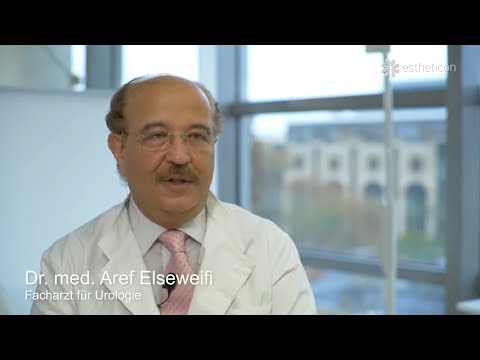
In Germany, your surgeon should hold the title of "Facharzt für Urologie" (Board-Certified Urologist). You should verify that they are registered with the Bundesärztekammer (German Medical Association), which regulates physician licensing nationwide. Furthermore, you must ask specific questions about their microsurgical volume.
- Are they a board-certified Facharzt für Urologie?
- How many vasectomy reversals do they perform annually? (High-volume surgeons typically perform 30 to 50+ cases per year).
- Are they highly experienced in performing vasoepididymostomy if a secondary blockage is discovered?
- Do they use an operating microscope with advanced optical magnification rather than just wearable surgical loupes?
The Patient Journey: Step-by-Step Timeline
Traveling to Germany for surgery requires careful coordination. Knowing what to expect at each stage can help alleviate anxiety and allow you to focus on your recovery. The process generally begins weeks before your departure and involves continuous communication with your chosen clinic.
| Timeline | Action Required | Clinical Focus |
|---|---|---|
| 4-6 Weeks Prior | Initial Virtual Consultation | Review medical history, confirm time since vasectomy, discuss partner fertility. |
| 1 Day Prior | In-Person Pre-Op Visit | Physical examination, blood work review, anesthesia consultation, finalize surgical consent. |
| Day of Surgery | Procedure | Outpatient surgery lasting 2.5 to 4 hours under local or general anesthesia. |
| 1-3 Days Post-Op | Initial Recovery | Rest in hotel/clinic. Apply ice packs. Attend post-operative check-up to ensure proper healing. |
Risks and Surgical Complications
All surgical procedures carry inherent risks, and while vasectomy reversal is generally safe, complications can occur. Before proceeding, your German urologist will explain these potential risks in detail, allowing you to sign a fully informed consent document.
Common, mild side effects include temporary bruising, swelling of the scrotum, and mild discomfort, which usually resolve within a week. More significant complications may include infection at the incision site or the formation of a scrotal hematoma (a collection of blood). To minimize these risks, you must strictly follow your surgeon's aftercare instructions, particularly regarding physical rest.
From a fertility standpoint, the primary risk is surgical failure. The tubes may scar over during the healing process, blocking the flow of sperm once again. If patency is not achieved, alternative fertility treatments, such as in vitro fertilization (IVF) with surgical sperm retrieval, may be necessary.
Recovery and Aftercare Protocol
Proper aftercare is crucial to protect the delicate microsurgical connections while they heal. The early recovery phase requires strict adherence to physical restrictions. Most clinics in Germany will provide you with a detailed aftercare sheet translated into English before you leave the facility.
For the first 48 hours, you should rest as much as possible, applying ice to the scrotal area and wearing supportive underwear (such as a jockstrap or tight briefs) to reduce tension on the surgical site. You can typically shower after two days, but you must avoid soaking in baths, hot tubs, or swimming pools until the incisions are completely healed.
Warning: You must strictly abstain from ejaculation for at least three to four weeks following the surgery. Early ejaculation can cause muscle contractions that may tear the delicate surgical sutures, leading to procedure failure.
Evaluating Partner Fertility Before Surgery
A successful vasectomy reversal restores sperm to the ejaculate, but this is only one part of the fertility equation. The ultimate goal is usually achieving pregnancy, which relies equally on the reproductive health of the female partner. Overlooking this factor is a common oversight for couples seeking treatment.
Before committing to surgery in Germany, it is highly recommended that your female partner undergo a thorough fertility evaluation in your home country. Factors such as maternal age, ovarian reserve, and tubal patency can significantly impact the chances of natural conception. If her fertility evaluation reveals significant challenges, your doctor may recommend skipping the reversal and proceeding directly to IVF with sperm extraction.
Comparing Reversal to Sperm Extraction (TESE/IVF)
Patients often debate whether to pursue a vasectomy reversal or opt for sperm retrieval combined with In Vitro Fertilization (IVF) and Intracytoplasmic Sperm Injection (ICSI). Both pathways are available in Germany, and the best choice depends on your specific clinical circumstances.
Vasectomy Reversal
- Allows for natural conception.
- Female partner avoids hormone injections and egg retrieval.
- More cost-effective if multiple children are desired.
- Success heavily depends on time since original vasectomy.
TESE + IVF
- Bypasses the blockage entirely via surgical extraction.
- Requires female partner to undergo invasive IVF treatment.
- Generally higher total cost per pregnancy attempt.
- Preferred if female fertility issues are present.
Travel and Visa Considerations for Germany
Preparing for medical travel involves practical logistical planning. Germany is a member of the Schengen Area, meaning citizens from countries like the United States, Canada, the UK, and Australia can typically enter for short-term medical treatment without a specialized visa, provided the stay is under 90 days.
However, you should always check the most current entry requirements with the German Federal Foreign Office before booking your travel. It is also vital to arrange adequate travel health insurance. Standard travel insurance may not cover complications arising from planned elective surgery, so you must specifically inquire about medical complications insurance designed for medical tourists.
Long-Term Follow-Up and Semen Analysis
Because you will likely return to your home country shortly after the surgery, long-term follow-up requires coordination with a local physician. The initial indicator of surgical success cannot be determined immediately; it requires laboratory testing.
Your German surgeon will typically request that you perform your first post-operative semen analysis at six to eight weeks. If sperm are present, it indicates the pathways are open. If the initial test shows no sperm, do not panic. It can sometimes take up to six to twelve months for sperm to reappear, especially if a vasoepididymostomy was performed. Regular testing every two to three months will track your progress.
Frequently Asked Questions
Patients researching medical treatment abroad often share similar concerns. Below are detailed answers to common questions regarding male fertility restoration in Germany.
Is a vasectomy reversal in Germany painful?
The procedure itself is performed under anesthesia, so you will not feel pain during surgery. Post-operative discomfort is generally mild to moderate, similar to the original vasectomy, and can typically be managed with over-the-counter pain relievers and ice packs.
Does the time since my vasectomy affect the cost?
Yes, indirectly. A longer time since the original vasectomy increases the likelihood that a more complex vasoepididymostomy will be required. This complex microsurgery takes longer to perform and may incur higher surgical and facility fees.
Do German clinics provide English-speaking medical staff?
Most specialized medical centers and urology clinics catering to international patients have fluent English-speaking doctors and coordinators. Always confirm language support during your initial inquiry.
When can I fly home after a vasectomy reversal?
Most surgeons recommend waiting 3 to 5 days after the procedure before taking a long-haul flight. This window allows you to attend a crucial post-operative check-up and ensures you are comfortable enough to sit for an extended period.
Are the results of the surgery guaranteed?
No medical procedure carries a 100% guarantee. While microsurgery offers excellent patency rates, factors like the formation of scar tissue during healing or unrecognized epididymal blockages can result in surgical failure.
Can I exercise during the recovery period?
You must avoid strenuous exercise, heavy lifting, and activities like cycling or running for at least three to four weeks. Light walking is encouraged to promote blood circulation, but excessive strain can damage the surgical repair.
Will my medical records be protected in Germany?
Yes, Germany adheres to the General Data Protection Regulation (GDPR), which enforces some of the strictest medical privacy and data protection laws in the world, ensuring your health information remains completely confidential.
How is local anesthesia different from general anesthesia for this surgery?
Local anesthesia numbs only the surgical site while you remain awake, often resulting in a faster recovery and lower cost. General anesthesia puts you completely to sleep, which some patients prefer for complex, longer microscopic procedures.
What happens if the vasectomy reversal fails?
If no sperm are present in the semen after 12 to 18 months, the procedure is considered unsuccessful. The primary backup option is undergoing a surgical sperm extraction (TESE/PESA) combined with IVF to achieve pregnancy.
Do German urologists require a consultation before I travel?
Yes, reputable specialists mandate a thorough virtual consultation. They will review your surgical history, operative notes from your original vasectomy (if available), and recent lab tests before accepting you as a patient and clearing you for travel.
Ready to Explore Your Fertility Options?
Navigating international healthcare can be complex. PlacidWay can help you compare highly-rated German urology centers, understand treatment costs, review doctor credentials, and request detailed medical quotes.
Request Information TodayDisclaimer: This information is for educational purposes only and does not replace professional medical advice. Always consult a qualified healthcare provider before making medical decisions.
References
- Guidelines on Sexual and Reproductive Health (2024) – European Association of Urology (EAU)
- Male Infertility Guidelines and Treatment Outcomes – American Urological Association
- National Medical Licensing and Registration – Bundesärztekammer (German Medical Association)
- Microsurgical Vasectomy Reversal Success Rates by Obstructive Interval (2024 Data) – PubMed Central
- Healthcare Quality and Patient Safety Standards – German Federal Ministry of Health
- Hospital Accreditation and Quality Management – KTQ-GmbH
- Medical Treatment Visa and Schengen Entry Requirements – German Federal Foreign Office
























Share this listing