
If hip pain is making shopping, sleep, or getting dressed difficult, you may be considering your surgical options. Total hip replacement in Mexico deserves the same careful assessment as surgery in Germany, including a clear diagnosis, suitable implant, and rehabilitation plan.
Selected PlacidWay packages list starting prices of $12,000, $12,600, and $14,000. Before comparing those amounts with German care, check insurance coverage, the hospital’s surgical sanitary licence, the surgeon’s specialist cédula and current CMOT certification, and any claimed national hospital certification.
- Published costs, USD: three reviewed total hip replacement packages in Mexico start at $12,000, $12,600, and $14,000. Final quotes and inclusions require confirmation.
- Hospital checks: verify the surgical sanitary licence under COFEPRIS requirements, the operating address, emergency resources, and any Consejo de Salubridad General certification claimed.
- Surgeon checks: verify medical and specialist cédulas, current Consejo Mexicano de Ortopedia y Traumatología (CMOT) certification, and experience with hip arthroplasty.
- Potential candidate: someone with confirmed joint damage and substantial symptoms despite suitable nonsurgical care, following individual assessment.
- Recovery: walking with assistance may begin early; recovery can take several months. Discharge and fitness for a flight to Germany are separate decisions.
- Reason to compare Mexico: a particular specialist, appointment, or complete treatment proposal may fit your needs.
- German insurance: insured care at home and self-funded overseas packages are different financial pathways. Obtain written coverage decisions before paying.
- Travel caution: Germany’s Foreign Office advises planned procedures in Germany where possible. Review its current Mexico and border-region advice before choosing a location.
Why German patients compare hip replacement in Mexico
Mexico can be part of a wider comparison when you are considering a named surgeon and a clearly defined care proposal. The relevant question is whether that complete proposal suits your medical needs and practical circumstances.
Wanting to walk comfortably again can make an early appointment attractive. Keep your goals in view while allowing time to compare the diagnosis, expected benefit, recovery support, and costs you would personally pay.
- A consultation with a surgeon experienced in your particular hip problem.
- An appointment schedule that matches your clinical needs and responsibilities.
- A written explanation of the implant and proposed surgical approach.
- Support from family or a companion who can stay with you.
- A coordinated plan for interpretation, hospital care, and early rehabilitation.
- A transparent quotation you can compare with your German care pathway.
Ask your German orthopaedic team about local appointments, a second opinion, and appropriate treatment while you decide.
What a Mexico proposal should establish
A named surgeon, operating facility, suitable procedure, and complete quote make the option reviewable. Ask which details remain provisional until an in-person examination.
What travelling for hip replacement adds
Long-distance transport, recovery lodging, language support, and care handover need planning. Consider whether you can manage an extended stay if recovery takes longer than expected.
Who may benefit from total hip replacement?
Total hip replacement may help when damaged joint surfaces cause persistent pain and restricted function despite appropriate nonsurgical treatment. An orthopaedic assessment should connect your symptoms, examination, and imaging with the proposed operation.
Common reasons include osteoarthritis, inflammatory arthritis, and osteonecrosis, where impaired blood supply damages bone. Hip or groin discomfort can also have other causes, so pain alone does not establish that replacement is appropriate.
Questions about hip replacement suitability
- Does the hip joint explain my main symptoms?
- Which treatments have I tried, and what benefit did they provide?
- What improvement is realistic for walking, sleep, stairs, and daily tasks?
- What could remain painful or difficult after surgery?
- Does my health require further preparation before surgery or travel?
Your clinician may review exercise-based rehabilitation, activity adjustments, walking aids, and suitable pain treatment before recommending surgery. Keep a short record of previous treatments so the consultation addresses what you have already experienced.
Sudden severe hip pain after a fall, an inability to bear weight, or a suspected fracture needs prompt local assessment. An urgent injury should be assessed before you consider an elective international treatment package.
Understanding hip replacement procedures and implants in Mexico
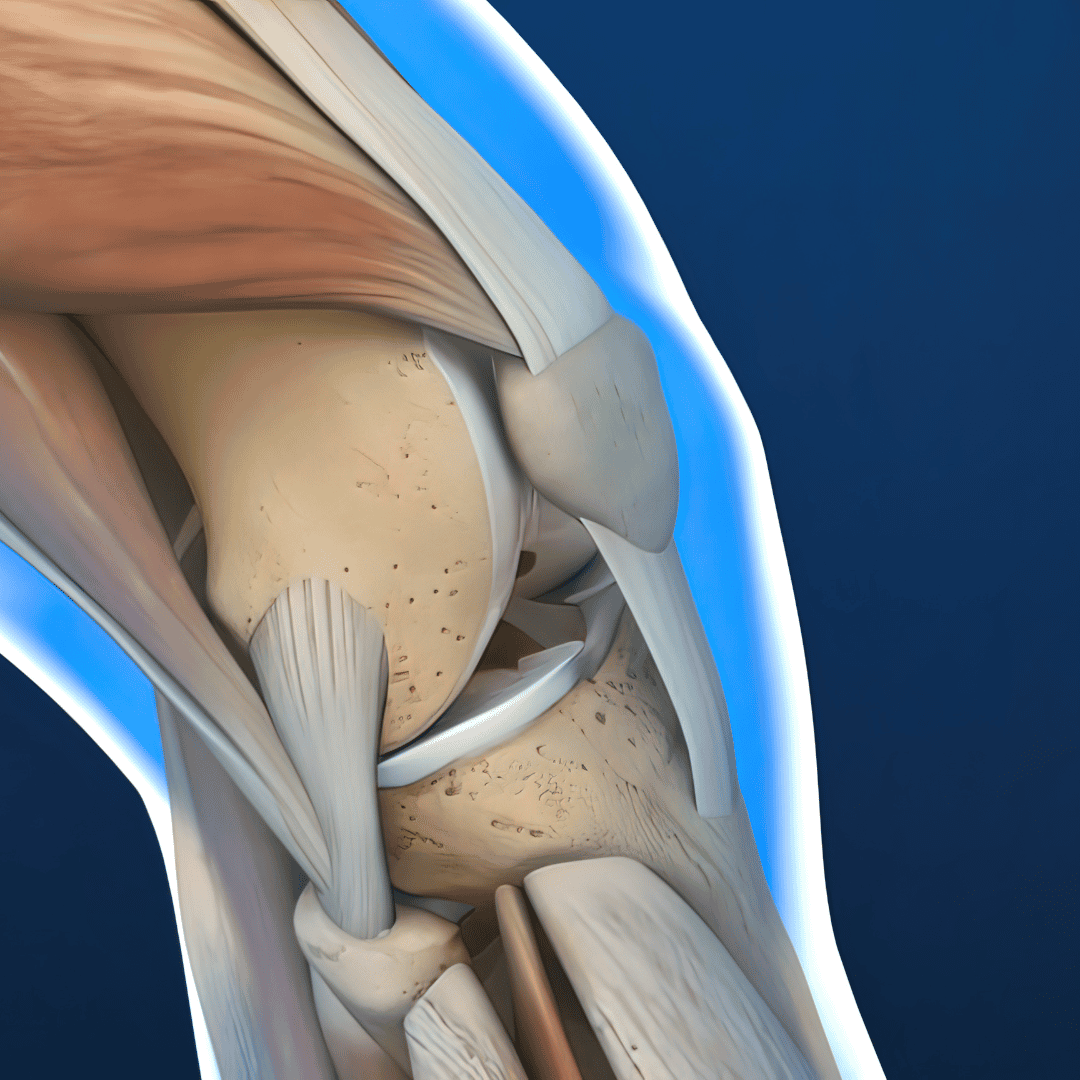
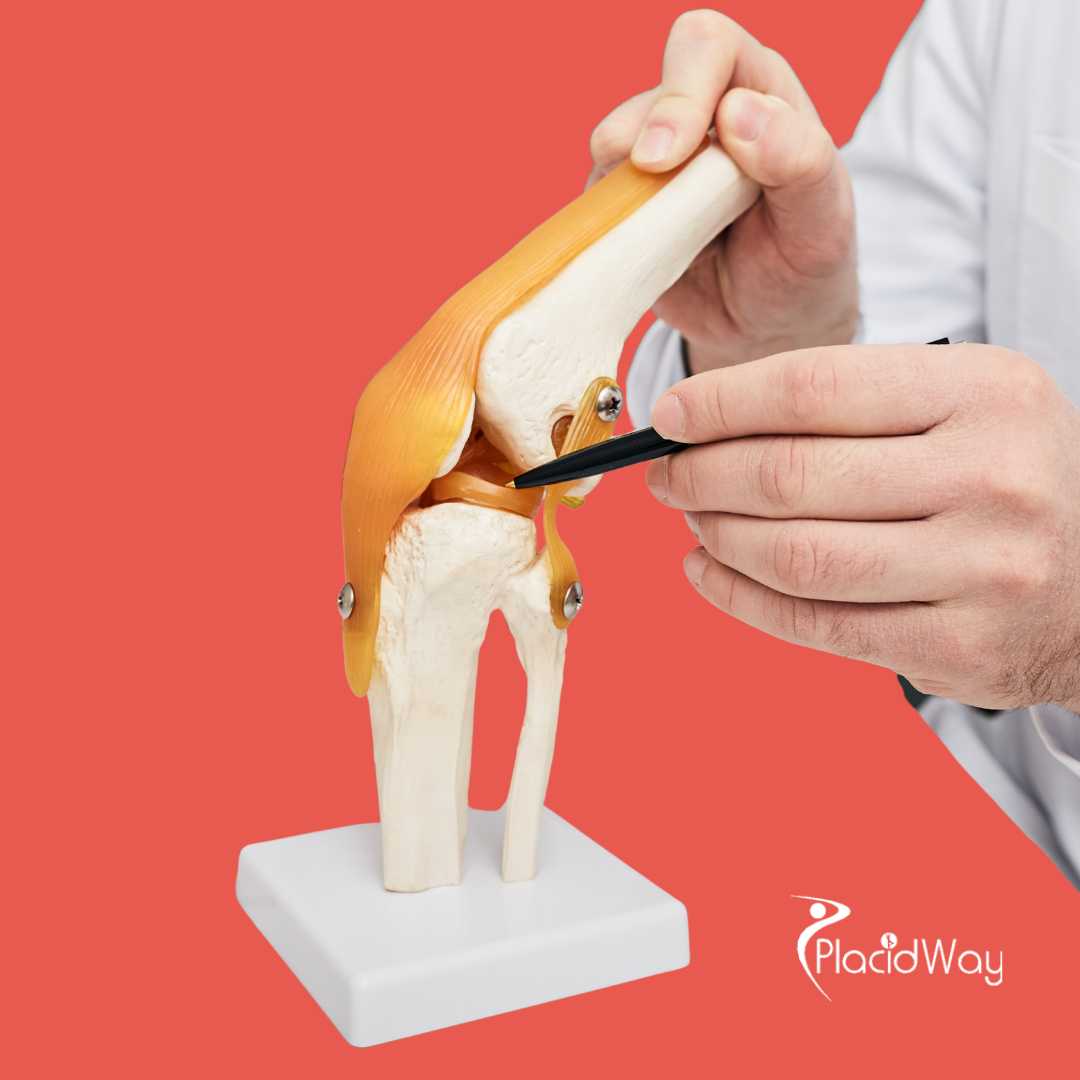
Total hip replacement, also called total hip arthroplasty or Hüft-TEP in German, replaces damaged ball-and-socket surfaces with artificial components. The surgeon selects the implant and fixation method according to your anatomy, bone quality, and clinical needs.
| Procedure or choice | What it means | What to clarify |
|---|---|---|
| Total replacement | Replace both the damaged ball and socket surfaces. | Confirm this is the operation included in your quote. |
| Partial replacement | Replace the ball while retaining the natural socket. | Ask why this would suit the diagnosis; it is a different procedure. |
| Revision replacement | Remove or exchange components from an earlier replacement. | Discuss extra complexity, testing, implants, and costs. |
| Cemented or uncemented fixation | Secure components with bone cement or a design that allows bone attachment. | Ask why the proposed fixation suits your bone. |
| Bearing materials | The surfaces that move against each other may include ceramic, metal, and medical-grade plastic. | Request the exact component names and materials. |
Surgical approach for hip replacement in Mexico
Surgeons can reach the hip through different approaches. Ask why the proposed approach suits you and how it affects early precautions. A smaller incision or the word “anterior” cannot establish your eventual recovery time.
Request the implant manufacturer, model, fixation plan, and expected follow-up requirements. Ask the hospital to document applicable Mexican regulatory authorisation and provide the component identifiers after surgery.
Total hip replacement costs in Mexico compared with Germany
Three reviewed PlacidWay packages publish starting prices of $12,000, $12,600, and $14,000 for total hip replacement. These are selected offers checked on 2 September 2026, with different details and publication histories.
| Published package | Location | Starting price, USD |
|---|---|---|
| Dr. Jose Manuel Hernandez | Puerto Vallarta | $12,000 |
| Dra. Brenda Delangel | Tijuana | $12,600 |
| Dr. Juan Carlos Alvarez Garnier | Mexicali | $14,000 |
- The Puerto Vallarta package lists surgery-related services, preoperative tests, and hospital care; confirm the implant and admission details.
- The Tijuana package requires individual assessment and written confirmation of each included service.
- The Mexicali package mentions consultation, transport, accommodation, and rehabilitation; request exact limits and exclusions.
These listings establish what PlacidWay publishes, not your final bill or a provider recommendation. The comparison does not establish a national price range or a statistically representative average.
Comparing German hip replacement payment pathways
For a person with German statutory insurance, medically necessary hospital treatment can fall within insured care. Compare your actual out-of-pocket obligations with the full overseas budget, including rehabilitation and travel.
| Pathway | Cost comparison in USD | Decision to obtain |
|---|---|---|
| Mexico, private payment | Selected starting prices above; final medical and travel totals vary. | An itemised quote after assessment. |
| Germany, statutory insurance | No private surgical price is assigned to insured treatment here. Co-payments or extras may apply. | Confirmation of the planned operation, rehabilitation, and any personal charges. |
| Germany, private insurance | Depends on your policy, provider, and agreed services. | Written benefit confirmation and a matching treatment estimate. |
| Germany, self-payment | A comparable current USD package quote was not verified for this guide. | A quote for the same procedure, implant scope, and aftercare. |
Itemising a Mexico hip replacement budget
Prices vary with your condition, city, provider, implant, operation complexity, and included services. Ask whether the package covers the full episode of hospital care or only selected procedure costs.
| Item | Details to put in writing |
|---|---|
| Surgical and anaesthesia fees | Named clinicians, assistants, consultations, and professional charges. |
| Implant and hospital care | Component model, operating room, included nights, nursing, and extra-day rates. |
| Tests and early rehabilitation | Imaging, laboratory tests, walking aids, and therapy sessions. |
| Travel and recovery accommodation | Flights, transfers, companion, meals, accessible lodging, and interpretation. |
| Continuing care | Medicines, outpatient therapy, German follow-up, and required imaging. |
| Unexpected treatment | Readmission, intensive care, revision, evacuation, and an extended stay. |
Ask about deposit refunds, cancellation, quote expiry, and currency conversion charges. Keep all planning figures in USD for comparison, while confirming how your bank or insurer converts payments from euros.
German insurance questions before hip replacement in Mexico
Obtain a written coverage decision before relying on a German insurer to fund surgery in Mexico. Rules for care elsewhere in Europe should not be assumed to apply to this trip.
Section 18 of Germany’s SGB V allows certain exceptions for recognised treatment possible only outside the relevant European area. It does not create a general entitlement to an elective overseas package because its price or appointment seems attractive.
Questions for your insurer about Mexico treatment
- Will you cover this exact operation, hospital, and surgeon?
- Is prior authorisation required, and what records must I provide?
- Are complications, rehabilitation, and follow-up separately assessed?
- Will you pay the provider directly or reimburse an approved amount?
- What happens financially if I need to stay longer or return for revision?
Private insurance terms differ by contract. An insurer’s general statement about worldwide protection may not settle coverage for a planned operation, so request confirmation that identifies the proposed treatment and exclusions.
Also ask how rehabilitation in Germany would be arranged after privately funded surgery abroad. Clarify the required referral, medical documentation, decision-maker, and timing before you assume an Anschlussrehabilitation place will be available.
Choosing a hospital for hip replacement in Mexico
Start with the operating hospital’s legal authorisation and resources for the planned procedure. Ask for its full legal name, physical address, licence number, and responsible healthcare professional.
Mexican surgical licences and hospital certification
Establishments carrying out surgical procedures require the relevant sanitary licence under COFEPRIS requirements. Match the licence to the actual operating site and confirm its status with the issuing sanitary authority.
| Priority | Evidence to request | Why it matters |
|---|---|---|
| Government licensing | Licencia sanitaria for surgical activities, matching the institution and address. | Establishes the relevant operating authorisation. |
| Emergency capability | Anaesthesia coverage, emergency assessment, intensive care access, and transfer arrangements. | Shows how deterioration or unexpected care would be managed. |
| National quality certification | Current Consejo de Salubridad General certificate and scope, if claimed. | Provides an additional national quality assessment. |
| International accreditation | Current certificate, covered site, and expiry, if claimed. | Adds information while leaving Mexican authorisation essential. |
The Consejo de Salubridad General, or CSG, has a national certification framework. Its 2026 materials refer to MOCEBPASS and the SIMOCE application system. An application or participation statement is different from an issued, current certificate.
International accreditation is not a universal requirement, and its absence alone does not establish unsafe care. Assess clinical resources and current local authorisation alongside any additional certificates.
Clarify the hospital’s complaints process and how to obtain complete records. Keep the care agreement and invoices, including the policy for readmission, implant problems, and revision surgery.
Verifying a hip replacement surgeon in Mexico
Verify professional registration, the orthopaedic specialty, and current certification before considering experience or testimonials. The operating surgeon’s name should match your consultation, treatment agreement, and hospital documents.
Cédulas and CMOT certification for Mexican surgeons
Ask for the medical and specialist cédula numbers and verify them through the official professional register. These records establish registered qualifications; ask separately about training and experience in hip replacement.
The Consejo Mexicano de Ortopedia y Traumatología, or CMOT, certifies the relevant specialty within the CONACEM system. CONACEM explains that specialist surgical practice requires a specialist cédula and current certification from the corresponding recognised council.
- Match the surgeon’s name and professional registration details.
- Verify the relevant specialist qualification and current certification.
- Ask the hospital to confirm privileges for the proposed operation.
- Request recent experience and annual case volume with comparable hip replacements.
- Discuss complication management and follow-up for international patients.
Ask what the surgeon means by a successful result and how it is measured. A percentage is difficult to interpret without the operation type, number of patients, follow-up duration, and information about missing follow-up.
Clarify who performs the key surgical steps and who covers the surgeon’s absence.
Preparing in Germany before hip replacement in Mexico
Prepare your medical records, health assessment, and home support before buying travel. A remote review can help with initial planning, but the recommendation may change after examination and preoperative tests.
| Preparation area | What to arrange |
|---|---|
| Clinical records | Hip and pelvis imaging, reports, diagnosis, previous operations, and treatment history. |
| Health information | Medicines, allergies, heart or lung conditions, diabetes, previous clots, and anaesthesia problems. |
| Communication | German interpretation if needed, consent discussions, and translated discharge information. |
| Rehabilitation | A German clinician and therapy pathway, with approval and appointments where required. |
| Home support | Help with meals, shopping, transport, stairs, and household responsibilities. |
Ask the clinical team whether medical problems, smoking, or an active infection need attention before surgery. Report dental symptoms and other infection concerns. Do not independently stop blood thinners or alter prescribed treatment.
Consent and communication for hip surgery in Mexico
Confirm which language the surgeon, nursing staff, and after-hours service can use. English support does not automatically include German interpretation. Request professional interpretation when needed to understand consent, medicines, and restrictions.
- Ask for benefits, risks, alternatives, and expected limitations before signing.
- Clarify what happens if the implant or procedure recommendation changes.
- Discuss additional charges and who authorises them.
- Ask how postponement affects your deposit and accommodation.
Agree what records your employer or insurer needs if you will be unable to work. Your German clinician can clarify local documentation requirements; an overseas package cannot settle those arrangements for you.
Hip replacement risks and signs that need urgent care
Hip replacement has recognised risks even when the operation is appropriately planned. Ask your surgeon to explain which risks are most relevant to your health, anatomy, previous surgery, and travel plans.
| Possible complication | What it means | What to discuss |
|---|---|---|
| Infection | The wound or tissues around the implant may become infected. | Prevention, early assessment, and treatment responsibilities. |
| Blood clots | Clots may form in a leg and can travel to the lungs. | Your individual prevention and flight plan. |
| Dislocation | The artificial ball can move out of its socket. | Movement precautions and emergency access. |
| Fracture or tissue injury | Bone, nerves, or blood vessels may be injured. | How the team would manage an unexpected injury. |
| Leg-length difference or persistent symptoms | Walking or comfort may remain affected. | Expected limits and the follow-up assessment. |
| Wear or loosening | Implant components may deteriorate over time. | Long-term checks and when revision might be considered. |
Contact a clinician promptly for fever, wound drainage, increasing redness, worsening leg swelling, or new calf pain. Obtain written instructions identifying who to contact while in Mexico and after returning to Germany.
Hip replacement complications after returning home
Seek local assessment first when symptoms need examination, and inform the Mexican team. Share your operative report, implant details, and medication record with the clinician assessing you.
Ask before surgery how remote advice, urgent local care, and any potential revision would be coordinated. Clarify financial responsibility instead of assuming that a package or implant warranty covers every complication.
Recovery and rehabilitation after hip replacement
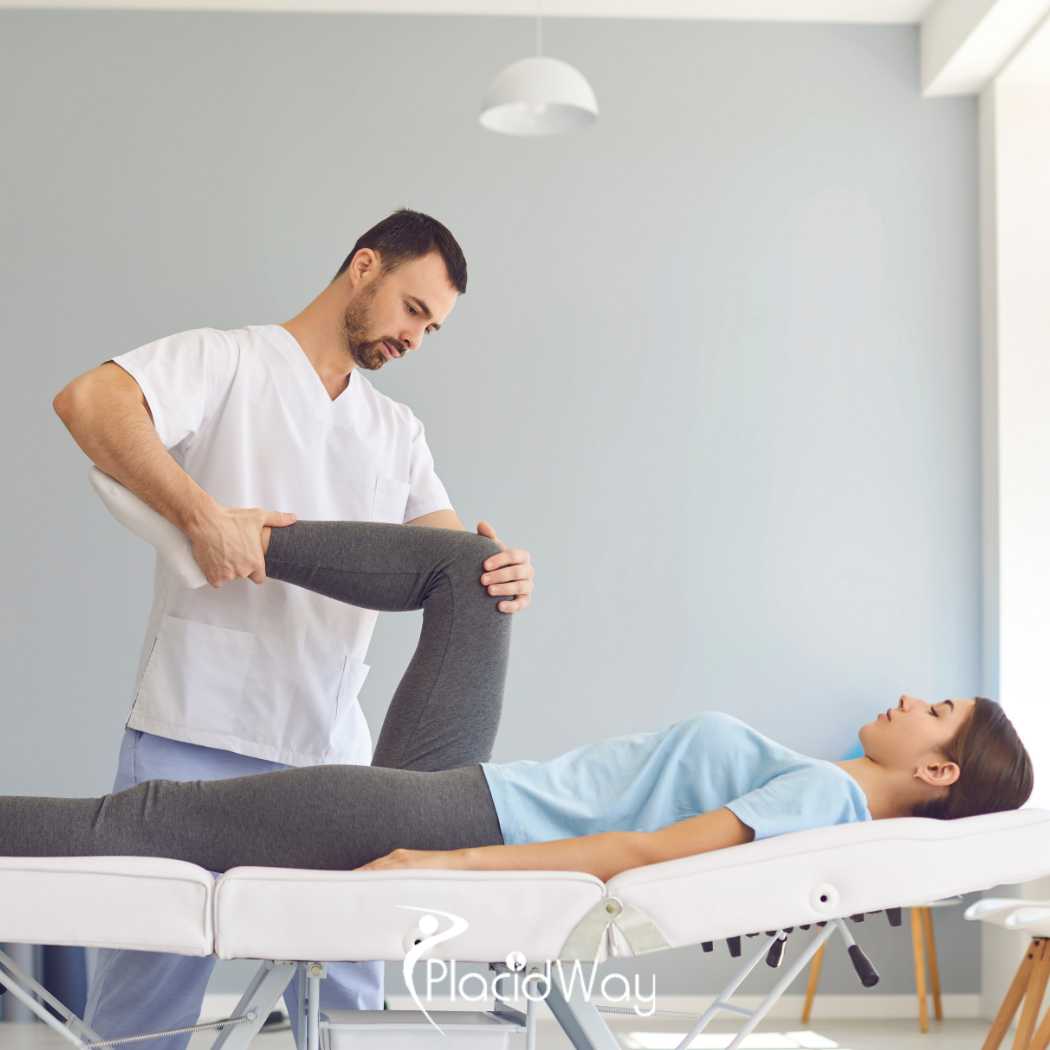
Recovery usually progresses over months, with early walking and later strengthening addressing different goals. Your team should set milestones according to your operation, health, and progress.
| Timeframe | Biological or clinical process | Patient sensation | Activity level | Action required |
|---|---|---|---|---|
| First hospital days | Anaesthesia recovery, wound observation, and initial mobility assessment. | Soreness, swelling, and fatigue. | Staff-assisted transfers and walking when appropriate. | Learn safe movement and the discharge plan. |
| First few weeks | Wound and soft-tissue healing. | Discomfort and swelling may gradually settle. | Walking aid and prescribed home exercises. | Attend wound review and report new symptoms. |
| Around 6–12 weeks | Review of strength, walking, and recovery progress. | Endurance and confidence vary. | Gradual activity progression if approved. | Discuss work, driving, therapy, and persistent limitations. |
| Following months | Further functional improvement and adjustment to the joint. | Stiffness or weakness may take longer to improve. | Activities matched to the surgeon’s advice. | Continue rehabilitation and planned orthopaedic reviews. |
The NHS notes that some generally fit patients leave hospital around one to three days after an uncomplicated operation. This is general recovery guidance, not a promised Mexican hospital stay or clearance for international travel.
Daily activities after hip replacement in Mexico
- Ask how to sit, sleep, use the bathroom, and manage stairs safely.
- Follow the movement precautions prescribed for your procedure.
- Have someone manage luggage and heavy household tasks.
- Obtain individual advice before driving or resuming demanding work.
Arrange the German rehabilitation pathway before leaving, including who will review the wound and prescribe or supervise therapy. Request a handover that states weight-bearing instructions, precautions, medicines, and the review schedule.
Travel planning and patient demographics for hip surgery in Mexico
Plan the journey around individual medical clearance and current travel advice. A package’s included nights cannot determine when you can safely sit through a long flight to Germany.
German travel advice for a Mexico treatment trip
Germany’s Foreign Office advises having planned procedures in Germany where possible. Its current advice also discourages stays in the US border region beyond the minimum needed for entry and exit, which matters when considering Tijuana or Mexicali.
Review the precise route, hospital location, and recovery accommodation before committing. A published package is not an assessment of current travel suitability. Check passport, entry-purpose, and any transit-country requirements with the relevant authorities.
| Travel task | What to confirm |
|---|---|
| Fitness to fly | Wound status, mobility, clot risk, and the clinician’s clearance. |
| Airline and transfers | Required medical forms, assistance, seating, and ground transport. |
| Recovery lodging | Step-free access, suitable bathroom, nearby care, and flexibility to extend. |
| Return to Germany | Review appointment, rehabilitation arrangements, and translated records. |
What is known about German hip patients travelling to Mexico?
Verified 2025–2026 figures identifying German hip replacement travellers to Mexico by region, age, gender, or operation volume were not found in the reviewed sources. Information is not available for a reliable demographic or trend chart.
- General tourist arrivals cannot establish numbers receiving hip replacement.
- A provider listing does not establish how many German patients it treated.
- Testimonials cannot establish complication rates or typical recovery.
Ask providers whether they maintain follow-up after international patients return home. Request your discharge summary, known as an Entlassungsbericht, implant record, images, prescriptions, and named contacts before departure.
Frequently asked questions about hip replacement in Mexico
How much does total hip replacement in Mexico cost for German patients?
Three reviewed PlacidWay packages publish starting prices of $12,000, $12,600, and $14,000, all in USD. These selected listings have different inclusions and require confirmation after assessment. Obtain an itemised quote covering the implant, hospital, surgeon, anaesthesia, and aftercare, then add travel and rehabilitation expenses.
Is hip replacement in Mexico cheaper than treatment in Germany?
It depends on what you would personally pay in Germany. Insured medically necessary treatment and an overseas private package are different financial pathways. Compare confirmed coverage, co-payments, the complete Mexico quotation, travel, rehabilitation, and unexpected-care costs. The published package prices do not establish a general savings percentage.
Will German statutory insurance cover hip replacement in Mexico?
Do not assume that your statutory insurer will reimburse planned surgery in Mexico. Limited legal exceptions exist for some overseas treatments, but they do not create general coverage for elective packages. Ask your insurer for a written decision about the exact procedure, provider, rehabilitation, and related expenses before booking.
How do I check a Mexican hip surgeon’s qualifications?
Verify the medical and specialist cédulas through official registration records, and check current orthopaedic certification through CMOT or CONACEM. Ask the hospital to confirm operating privileges. Discuss recent experience with comparable total hip replacements, complications, and follow-up. A certificate verifies qualifications but cannot guarantee your individual result.
What hospital credentials should I check for hip replacement in Mexico?
Request the relevant surgical sanitary licence, legal hospital name, operating address, and issuing authority. Verify any claimed Consejo de Salubridad General certification and international accreditation separately. Also confirm anaesthesia coverage, emergency assessment, intensive care or transfer arrangements, and a clinical contact available after discharge, including outside office hours.
Which hip implant or surgical approach should I choose?
Your surgeon should recommend an implant, fixation method, and approach based on your diagnosis, anatomy, bone quality, and clinical needs. Ask why the recommendation suits you and what alternatives exist. Request component identifiers after surgery. A particular brand or smaller incision does not guarantee faster recovery or better outcomes.
How long should I remain in Mexico after hip replacement?
Your surgeon should propose a stay that allows appropriate early recovery and follow-up, then reassess before departure. Additional treatment can extend the stay. Choose flexible flights and accommodation, and arrange a companion if advised. Included hotel nights or hospital discharge alone cannot determine whether you are ready to travel.
When can I fly back to Germany after hip replacement?
There is no single safe flying date for every patient. Ask the surgeon to assess your wound, mobility, symptoms, and clot risk, considering the full journey and connections. Confirm airline medical-document requirements and assistance. Follow the individual prevention plan and obtain clearance before finalising your return flight.
Can I arrange hip replacement rehabilitation in Germany afterwards?
Discuss rehabilitation with your German clinician and insurer before travelling. Confirm the referral, required documents, approval process, appointments, and costs rather than assuming a place is available. Bring the operative report, implant details, medication instructions, and activity restrictions. Your German team needs a clear handover to plan continuing care.
Can PlacidWay help me compare total hip replacement packages in Mexico?
PlacidWay can help you request provider information, understand published costs, and prepare questions about treatment options. Ask for a named surgeon, operating hospital, itemised quote, and aftercare proposal. Your treating clinicians must assess suitability and explain risks, while your insurer determines coverage under the applicable policy or rules.
Compare hip replacement options in Mexico with PlacidWay
Request information about providers, package costs, and treatment options. Ask for a proposal that clearly identifies the surgeon, hospital, implant, recovery arrangements, and follow-up responsibilities in Germany.
Request hip replacement information























Share this listing