Thailand offers Australian patients top-tier LASIK eye surgery at savings of up to 60% compared to local clinics in Sydney, Melbourne, or Brisbane. With internationally trained ophthalmologists, JCI-accredited hospitals, and cutting-edge bladeless technologies like Femto-LASIK and ReLEx SMILE, Australians can achieve 20/20 vision starting at just $1,200 AUD per eye. The process allows patients to combine a world-class medical procedure with a relaxing recovery in a premium travel destination, all while maintaining the highest global standards for patient safety and clinical outcomes.
For many Australians, the ultimate dream is waking up to clear vision without the constant daily hassle of reaching for a pair of glasses or spending precious minutes fumbling with expensive contact lenses. Whether you are swimming at Bondi Beach, playing local community sports, or simply trying to read a menu at a café, relying on corrective eyewear can be a persistent frustration. However, when Australians begin researching the costs of permanently fixing their vision locally, that dream can quickly shift into a daunting financial burden. This exact search for a safe, high-quality, and affordable solution has led to a massive, ongoing surge in medical tourism, specifically focusing on LASIK surgery in Thailand for Australian patients.
In major Australian cities like Sydney, Melbourne, Brisbane, and Perth, laser eye surgery is overwhelmingly classified as an elective or purely cosmetic medical procedure. Because of this classification, the surgery is rarely covered in any significant capacity by Medicare. Furthermore, private health insurance funds usually only offer minimal, capped rebates—and even then, these are typically restricted to their most expensive, top-tier premium policies. This regulatory landscape leaves the average Australian patient facing massive out-of-pocket expenses. Today, costs can easily exceed $7,000 to $8,500 AUD for both eyes, particularly when opting for the latest advanced, 100% bladeless laser treatments like ReLEx SMILE or Femto-LASIK. For many hardworking families and young professionals, this price point simply puts clear vision out of reach.
Enter Thailand. Over the past two decades, Thailand has strategically and successfully positioned itself as the premier global alternative for high-end medical care. Known worldwide for its impeccable, luxury healthcare infrastructure, Thailand perfectly combines highly skilled, English-speaking specialist surgeons with state-of-the-art diagnostic and surgical medical technology. By choosing a trusted, accredited Thai eye clinic, Australian patients can undergo the exact same life-changing procedures—using the exact same Carl Zeiss and Alcon laser machines—for a mere fraction of the local cost. This highly detailed, comprehensive guide is designed to walk you through absolutely everything you need to know about getting your vision corrected in the Land of Smiles, covering everything from decoding different laser technologies to meticulously planning your medical holiday itinerary.
Quick Facts:
| Average Cost (Per Eye): |
$1,200 - $2,000 AUD (Heavily dependent on specific laser technology used) |
| Total Procedure Time: |
15 to 30 minutes for both eyes combined (Actual laser time is seconds) |
| Popular Techniques: |
Femto-LASIK (100% Bladeless), ReLEx SMILE, TransPRK, Traditional PRK |
| Initial Recovery Timeline: |
24 to 48 hours for highly functional vision (Driving, basic computer work) |
| Required Stay in Thailand: |
Minimum 5 to 7 days to complete pre-op, surgery, and mandatory follow-ups |
| Flight Time from Australia: |
Approx. 8-9 hours (Frequent direct flights from Sydney, Melbourne, Perth) |
Why Choose Thailand for Laser Vision Correction?
When it comes to altering your vision, making the decision to go overseas is significant. You might wonder if lower prices mean lower quality. Fortunately, in the case of Thailand's private healthcare sector, the answer is a resounding no. The country has spent decades building a reputation as a global hub for medical excellence.
Internationally Accredited Hospitals
Thailand is home to numerous hospitals and specialized eye clinics that hold Joint Commission International (JCI) accreditation. This is the global gold standard for healthcare quality and patient safety. When an eye center in Bangkok is JCI-accredited, it means it operates under the same strict hygiene, safety, and clinical protocols as the top hospitals in Melbourne or Sydney.
Highly Qualified, English-Speaking Surgeons
Many of the ophthalmologists working in Thailand's premium clinics have trained or completed fellowships overseas in the United States, United Kingdom, or Australia. They are board-certified and highly experienced, often performing thousands of successful laser eye procedures every year. Furthermore, premium clinics cater heavily to expats and medical tourists, meaning English is spoken fluently by both doctors and nursing staff.
Access to State-of-the-Art Technology
Thai eye centers do not cut corners on equipment. They invest heavily in the latest FDA-approved diagnostic and surgical lasers. Walk into a top clinic in Bangkok, and you will find the exact same Carl Zeiss VisuMax femtosecond lasers or Alcon Wavelight EX500 excimer lasers used by the most expensive surgeons in Australia. The precise technology ensures that your corneal flap is created safely and your vision is corrected with microscopic accuracy.
The Perfect Recovery Environment
Recovering from LASIK is relatively fast, but you still need a few days of rest where you avoid screens, dust, and strain. Thailand offers a highly hospitable environment to relax. While you cannot swim right after surgery, relaxing in a luxury hotel room or enjoying the incredible local cuisine makes the brief recovery period feel like a true holiday.
Cost Comparison: Thailand vs. Australia
The primary driver for medical travel is financial savings. To understand exactly how much you can save, it helps to break down the costs of different procedures. Note that prices can vary based on the specific clinic, the surgeon's expertise, and the current exchange rate, but the table below represents average market rates for 2026.
| Procedure Type (Both Eyes) |
Average Cost in Australia (AUD) |
Average Cost in Thailand (AUD) |
Estimated Savings |
| Standard LASIK (Microkeratome blade) |
$3,000 - $4,500 |
$1,500 - $2,200 |
Up to 50% |
| Femto-LASIK (100% Bladeless) |
$5,500 - $7,000 |
$2,400 - $3,200 |
Up to 55% |
| ReLEx SMILE (Minimally Invasive) |
$6,500 - $8,500 |
$3,500 - $4,500 |
Up to 45% |
| PRK / TransPRK |
$4,500 - $6,000 |
$1,800 - $2,500 |
Up to 60% |
Even when factoring in the cost of return flights from Sydney, Melbourne, or Perth, plus a week of accommodation in a comfortable Bangkok hotel, the total expense is usually significantly lower than paying for the surgery alone in Australia.
Types of Laser Eye Surgery Available in Thailand
"LASIK" has become a catch-all term for laser vision correction, but there are actually several different types of procedures. Your surgeon in Thailand will conduct a comprehensive eye examination—measuring your corneal thickness, pupil size, and refractive error (myopia, hyperopia, or astigmatism)—to determine which procedure is safest and most effective for you.
Bladeless Femto-LASIK
Traditional LASIK uses a mechanical microkeratome (a tiny blade) to create a flap on the surface of your cornea. The surgeon folds the flap back, uses an excimer laser to reshape the underlying tissue, and puts the flap back in place.
Femto-LASIK, widely available in Thailand, is entirely bladeless. It uses a high-precision femtosecond laser to create the corneal flap. This reduces the risk of flap complications, allows for a thinner flap (saving more of your natural cornea), and promotes faster healing. It is the most popular choice for Australian medical tourists due to its balance of safety, rapid recovery, and cost.
ReLEx SMILE (Small Incision Lenticule Extraction)
ReLEx SMILE is the newest generation of laser eye surgery. Instead of creating a flap, a femtosecond laser is used to create a tiny, lens-shaped piece of tissue (a lenticule) inside the intact cornea. The laser then makes a microscopic incision (about 2-4mm) through which the surgeon extracts the lenticule. Removing this tissue changes the shape of the cornea and corrects your vision.
Because there is no large flap, SMILE maintains more of the eye's biomechanical strength. It also severs fewer corneal nerves, which means patients experience a significantly lower risk of dry eye syndrome after surgery. Thailand has been an early adopter of SMILE technology, and top clinics in Bangkok have surgeons highly experienced in this advanced technique.
PRK / TransPRK (Photorefractive Keratectomy)
If your corneas are too thin for LASIK or SMILE, or if you engage in contact sports (like rugby or martial arts) where a corneal flap could be dislodged, PRK is the best alternative. In PRK, no flap is created. Instead, the outer skin of the cornea (the epithelium) is gently removed, and the laser shapes the surface directly.
While the visual outcomes of PRK are identical to LASIK, the recovery process is longer. It takes a few days for the epithelial layer to grow back, during which you may experience discomfort and blurry vision. However, it is an incredibly safe procedure offered by all top Thai eye clinics.
The Patient Journey: What to Expect in Thailand?
Traveling abroad for surgery can feel daunting. Knowing exactly how the process unfolds can help reduce anxiety. Here is the typical step-by-step journey for an Australian traveling to Thailand for vision correction.
Initial Remote Consultation & Booking
Your journey starts before you leave Australia. You can contact a medical tourism facilitator or the clinic directly. You will be asked about your current prescription, medical history, and whether you wear hard or soft contact lenses (you must stop wearing soft lenses for at least 1-2 weeks before surgery, and hard lenses for 3-4 weeks). You can then secure your appointment and book your flights.
Arrival and Comprehensive Eye Exam (Day 1)
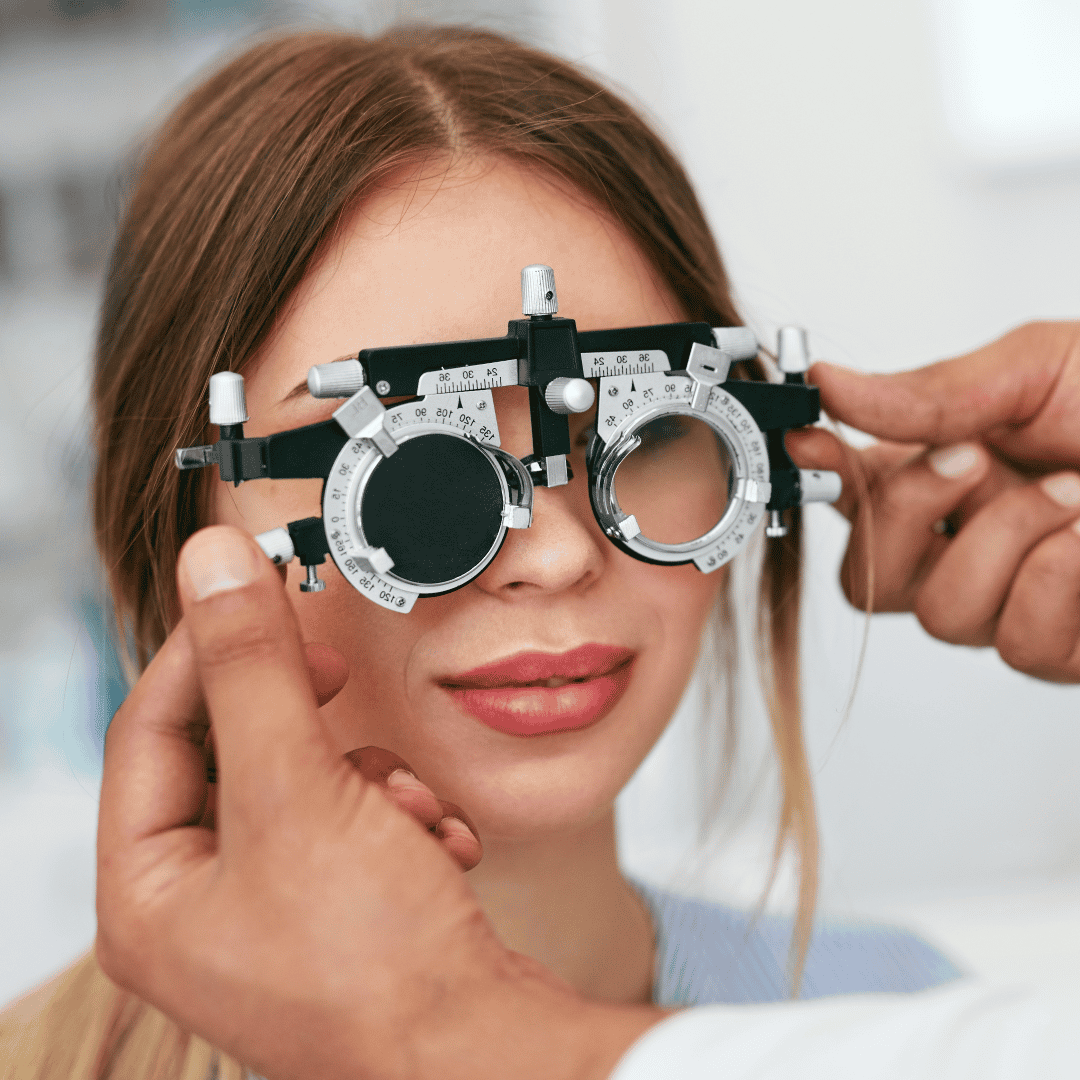
Upon arriving at the clinic in Thailand, you will undergo one of the most thorough eye examinations you have ever had. The medical team will map your cornea using advanced 3D topography, measure your pupil dynamics, check your intraocular pressure, and test for dry eyes. Only after passing these strict criteria will the surgeon approve you for surgery and discuss the best procedure for your unique eyes.
The Surgery (Day 2 or 3)
The procedure itself is surprisingly fast. You will be awake but relaxed; your eyes will be completely numbed with anesthetic eye drops. The surgeon will use a small device to keep your eyelids open so you cannot blink. The laser portion of the surgery takes less than a minute per eye, and the entire time in the operating room is usually under 30 minutes. You will notice improved vision almost immediately, though it will be slightly foggy, like looking underwater.
Recovery and Follow-up (Days 4 to 7)
You will need to wear protective goggles while sleeping for the first few nights to prevent rubbing your eyes. The clinic will schedule a mandatory 1-day follow-up and usually a 7-day follow-up. During this week, you can enjoy walking around the city, eating great food, and relaxing, but you must avoid swimming pools, the ocean, heavy sweating, and dusty environments. Once the surgeon gives you the all-clear, you are safe to fly back home to Australia.
Top Destinations and Clinics for LASIK Surgery in Thailand
While medical facilities are scattered throughout the country, the vast majority of international patients head to specific hubs that specialize in accommodating foreigners with VIP service.
- Bangkok: The capital city is the heart of medical tourism. Bangkok offers the widest choice of top-tier surgeons and cutting-edge lasers.
- Phuket: For those who want to recover near the beach, Phuket is an excellent option. Bangkok Hospital Phuket has an outstanding eye center. Just remember that post-surgery, you cannot swim in the ocean or pools for about a month to prevent infection, so you will be enjoying the view from the shade.
- Chiang Mai: A calmer, more culturally rich alternative in the north. The cost of living is lower here, which means accommodation and food during your stay will be highly affordable, while medical care remains top-notch.
Travel Logistics for LASIK Surgery in Thailand
Planning your trip is straightforward, but there are a few important details to keep in mind to ensure a smooth medical holiday.
Flights: Direct flights run daily from Sydney, Melbourne, Brisbane, and Perth to Bangkok (BKK or DMK) via airlines like Qantas, Jetstar, and Thai Airways. Flight times range from 6 to 9 hours depending on your departure city.
Visa Requirements: Australian passport holders traveling to Thailand for tourism or brief medical treatment currently receive a visa exemption on arrival, typically allowing a stay of up to 30 or 60 days (always verify current rules with the Thai embassy before flying). This is more than enough time for the procedure and recovery.
Accommodation: Choose a hotel close to your clinic to minimize travel time in Bangkok's infamous traffic. Many top hospitals have partnerships with nearby hotels and can offer discounted rates for their patients. Consider booking a room with blackout curtains to help you rest comfortably during the first 24 hours post-surgery when your eyes may be sensitive to light.
Frequently Asked Questions (FAQs)
Is it safe to get LASIK in Thailand?
Yes. Thailand’s premium international hospitals adhere to rigorous global standards, holding accreditations from organizations like the JCI. The surgeons utilize the exact same advanced, FDA-approved laser machines used in Australia, the US, and Europe.
How much does LASIK cost in Thailand compared to Australia?
On average, you can save between 40% to 60%. While bladeless LASIK might cost up to $7,000 AUD in Australia for both eyes, top clinics in Thailand charge between $2,400 to $3,200 AUD for the exact same procedure.
Can I fly back to Australia immediately after LASIK?
No, you cannot fly immediately. You must wait for your surgeon's clearance, which is usually given at your 7-day post-op checkup. The dry, pressurized air in an airplane cabin can irritate healing eyes, so sufficient recovery time is mandatory.
What happens if I need aftercare or a touch-up?
Reputable clinics provide detailed medical records and post-op care instructions for you to take home. Most routine follow-up care can be managed by your local optometrist in Australia. If an enhancement (touch-up) is needed down the line, many Thai clinics offer it for free or at a steep discount, though you would need to travel back.
Which laser eye procedure is best for me?
The best procedure depends on your corneal thickness, eye health, and lifestyle. ReLEx SMILE is excellent for reducing dry eye risks, Femto-LASIK is the standard for fast recovery, and PRK is ideal for patients with thin corneas or those playing contact sports. Your surgeon will recommend the safest option after your pre-op exam.
Do Thai eye surgeons speak English?
Yes, heavily. The surgeons and medical staff at JCI-accredited international hospitals are highly proficient in English. Many of the leading ophthalmologists completed their specialized training in English-speaking countries.
How long do I need to stay in Thailand for LASIK?
You should plan to stay in Thailand for at least 5 to 7 days. This allows time for the initial comprehensive consultation, the surgery, the mandatory 1-day follow-up, and the final check-up before you are cleared to fly back to Australia.
What are the side effects of LASIK surgery?
Common, temporary side effects include dry eyes, glare, halos around lights at night, and mild light sensitivity. These usually resolve within a few weeks to a few months as your eyes fully heal. Using prescribed lubricating drops helps manage these symptoms.
Is my Australian health insurance valid for eye surgery in Thailand?
Generally, Australian private health insurance does not cover elective procedures performed overseas. However, because the cash price in Thailand is so low, it is still almost always cheaper to pay out-of-pocket in Thailand than to pay the gap fee after insurance in Australia.
How do I book an appointment with a reliable eye clinic in Thailand?
You can reach out directly to JCI-accredited hospitals online, or you can use a trusted medical tourism platform that vets clinics and surgeons for you, helping coordinate your appointments and travel logistics safely.
Ready for Clear Vision?
Stop overpaying for vision correction. Connect with top-rated, board-certified eye surgeons in Thailand and get a free, personalized quote today.
Request Free Info Now
Credible References and Sources
The medical information and data presented in this article were curated based on clinical guidelines and statistics from the following authoritative health organizations:

.jpg)





.png)
.png)
















Share this listing