



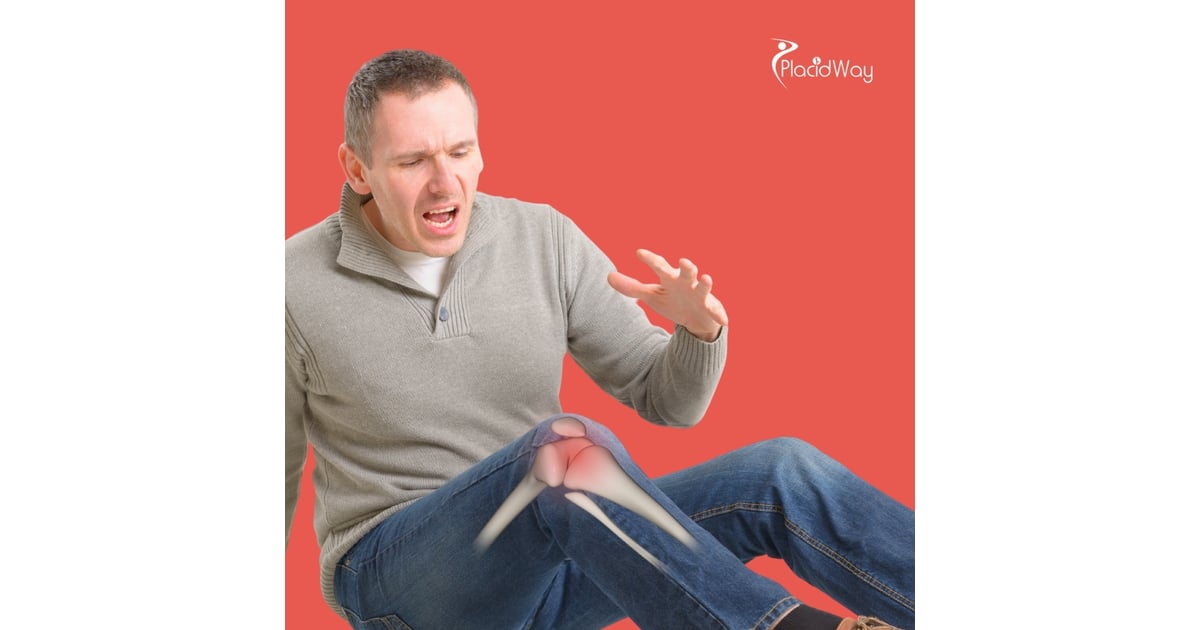
For Brazilian patients dealing with persistent knee pain from osteoarthritis, stem cell therapy for knee osteoarthritis in Mexico offers a promising, less invasive alternative to surgery.
Mexico’s specialized regenerative clinics use mesenchymal stem cells to help reduce inflammation, support cartilage repair, and improve mobility, giving patients a chance to return to daily activities with greater comfort.
Key Takeaways
-
Significant Cost Savings: Stem cell injections for knee osteoarthritis (OA) in Mexico cost $3,500 – $8,000 USD (approx. R$17,500 – R$40,000 BRL) per knee, offering up to 60% savings compared to the US and avoiding lengthy regulatory processes in Brazil.
-
Treatment Advantage: Mexico’s regulatory environment (COFEPRIS) allows clinics to use high-potency, Allogeneic Mesenchymal Stem Cells (MSCs) derived from umbilical cord tissue, which are often more effective for regeneration than a senior patient's own cells.
-
Accessibility & Language: Direct flights from São Paulo/Rio to major Mexican hubs are available. While Spanish is primary, many clinics cater to Brazilian patients, easing communication.
-
Target Conditions: Effective for early to moderate Knee Osteoarthritis (Gonartrose) and acute injuries like Meniscus Tears, offering a non-surgical path to pain relief.
Understanding Stem Cell Therapy for Knee OA
Knee Osteoarthritis is a widespread problem, particularly as patients age, leading to pain, stiffness, and reduced mobility. Traditional Brazilian treatments often involve physiotherapy, pain medication, or, eventually, Total Knee Replacement (TKR). Stem cell therapy offers a biological alternative aimed at halting joint degeneration.
How MSCs Repair the Knee Joint
-
Anti-Inflammation: MSCs inject a powerful anti-inflammatory response directly into the knee joint, reducing the swelling and pain that destroy cartilage.
-
Chondrogenesis: They release growth factors that stimulate native cells to slow cartilage degradation and potentially promote the creation of new cartilage-like tissue.
-
Synovial Health: The cells improve the quality of the synovial fluid, enhancing joint lubrication and function.
Why Mexico? Regulatory and Financial Benefits
While Brazil has advanced medical research overseen by ANVISA (Agência Nacional de Vigilância Sanitária), the clinical application of regenerative therapies outside of formal trials is heavily restricted. This forces Brazilian patients seeking immediate access to travel abroad.
1. Superior Cell Source (Allogeneic)
For joint degeneration, many Mexican clinics favor Allogeneic MSCs (from screened umbilical cord tissue).
-
Potency: These cells are younger and possess greater regenerative capacity than Autologous (patient's own) cells, which may have limited viability, especially in older patients.
-
Convenience: They are "off-the-shelf," meaning the patient does not need to undergo a second procedure (like fat harvesting or bone marrow aspiration).
2. Cost-Effective Orthopedics
Mexico offers cost savings of 50–70% compared to equivalent quality clinics in the US, making it a viable financial alternative to long-term pain management or eventual expensive surgery.
The Treatment Protocol: Quick and Minimally Invasive
Knee OA treatment in Mexico is a quick, highly focused outpatient procedure, typically requiring only a 2-3 day stay.
Day 1: Arrival & Consultation
-
Travel: Arrive in Tijuana (TIJ) or Cancún (CUN).
-
Assessment: Consultation with the orthopedic specialist. Patients must provide recent imaging (MRI, Raio X) from Brazil for review.
-
Preparation: Blood tests and final determination of the cell dosage (e.g., 25 million to 50 million MSCs per knee).
Day 2: Precision Injection
-
Anesthesia: The knee area is numbed with a local anesthetic.
-
Injection: The concentrated MSC solution (often combined with PRP or Exosomes) is injected directly into the intra-articular space of the knee. This is typically done using ultrasound or fluoroscopy guidance for pinpoint accuracy.
-
Observation: Short recovery period. Patients can walk immediately.
Day 3: Discharge & Travel Home
-
Final check-up and detailed post-care instructions.
-
The orthopedic specialist provides a rehabilitation plan focusing on gentle movement and strength building.
Logistics for Brazilian Patients
1. Flights
-
Routes: Flights from São Paulo (GRU) or Rio (GIG) to Tijuana (TIJ), Cancún (CUN), or Mexico City (MEX) are available with airlines like Aeromexico, Avianca, or LATAM, usually involving one stop.
-
Tijuana Advantage: Tijuana is highly popular for orthopedic patients due to its concentration of specialists.
2. Entry Requirements
-
Visa: Brazilian citizens do not require a visa for tourist or medical stays in Mexico (up to 180 days). A valid Brazilian passport is sufficient.
-
Language Support: While Spanish is common, clinics catering to South American patients often employ Portuguese-speaking coordinators to ensure comfort.
3. Safety and Quality Checks
-
Regulatory Compliance: Patients should verify that the clinic has the necessary COFEPRIS licensing (equivalent to ANVISA approval).
-
Lab Transparency: Ask for the Certificate of Analysis (CoA) for the stem cells used, verifying viability (should be >90%) and cell count.
Frequently Asked Questions (FAQ)
Does my Brazilian insurance (SUS or Private) cover the cost? No. Stem cell therapy for knee OA is not a standard procedure recognized by the Brazilian public health system (SUS) or private plans and is therefore an out-of-pocket expense.
Can I avoid Total Knee Replacement (TKR) with this therapy? For patients with early to moderate OA (Grade 1–3), the treatment can successfully defer or potentially eliminate the need for TKR by reducing pain and improving tissue health. It is less effective for end-stage, "bone-on-bone" degradation (Grade 4).
What kind of rehabilitation is needed? The knee needs 1–2 weeks of gentle activity, avoiding heavy loads. This is followed by physiotherapy (fisioterapia) focused on strengthening the quadriceps and hamstrings, which stabilizes the joint and maximizes the longevity of the stem cell effect.
How long does the pain relief last? The regenerative effect, providing substantial pain relief and improved function, typically lasts 3 to 5 years or longer. Booster shots of PRP may be recommended over time.
Ready to Restore Your Mobility?
PlacidWay connects Brazilian patients directly with COFEPRIS-certified orthopedic specialists in Mexico. We ensure transparent pricing and seamless logistical support for your journey.
We assist with:
-
Specialist Matching: Connecting you with clinics experienced in Brazilian patient care.
-
Medical Review: Submitting your MRI/X-ray scans for a free candidacy assessment.
-
Coordination: Managing travel, local transfers, and follow-up plans.



.png)





.png)


.png)
.png)
.png)








Share this listing