


.jpg)
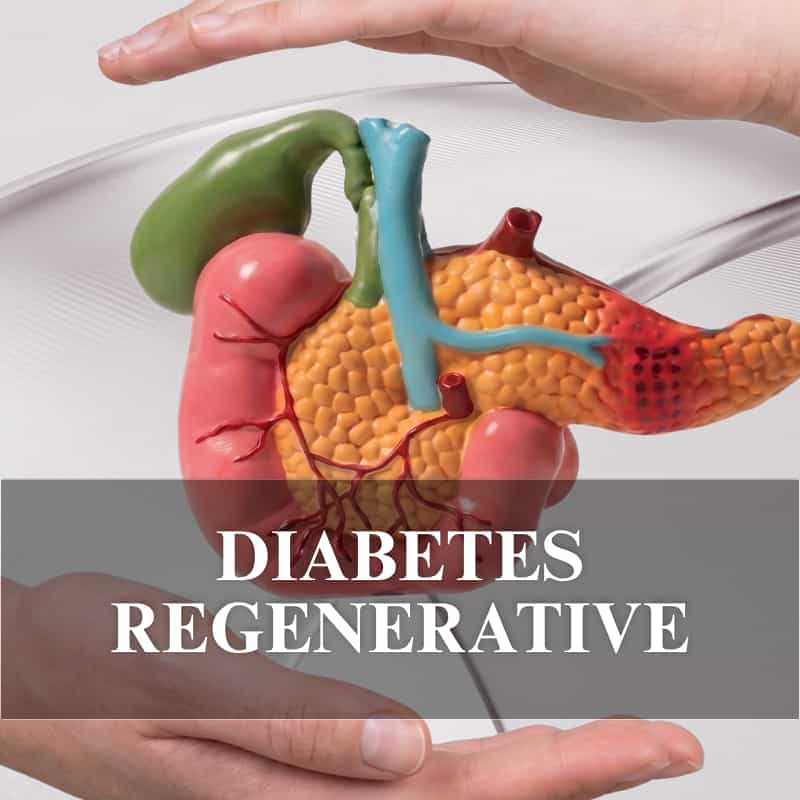
For patients in Hanoi seeking innovative solutions to better manage Type 1 or Type 2 diabetes, traveling abroad for advanced care is becoming increasingly common and diabetes stem cell treatment in Japan stands out among the top choices.
Japan is known for its strict clinical standards, highly controlled stem cell processing, and treatment protocols designed to improve insulin sensitivity and support pancreatic function.
Key Takeaways
-
Safety & Quality: Japan's Act on the Safety of Regenerative Medicine (ASRM) ensures the safest, most regulated environment globally for stem cell therapies, essential for treating systemic conditions like Diabetes.
-
Cost Range: A comprehensive stem cell treatment package for Diabetes in Japan typically ranges from $12,000 – $30,000 USD (approx. 290,000,000 – 730,000,000 VND), reflecting the cost of high-dose, lab-expanded cells.
-
Treatment Focus: Primarily targets Type 2 Diabetes by enhancing insulin sensitivity and reducing chronic inflammation, and Type 1 Diabetes by modulating the autoimmune response.
-
Visa Requirement: Patients from Hanoi require a specific Medical Stay Visa for the two-visit protocol, which requires an official Invitation Letter from the Japanese clinic/hospital.
-
Cell Potency: Japanese clinics utilize culture-expanded Autologous (patient's own) or Allogeneic (donor) Mesenchymal Stem Cells (MSCs) to deliver potent therapeutic doses.
Understanding Stem Cell Therapy for Diabetes
Stem cell therapy in Japan is positioned as an advanced regenerative support mechanism aimed at stabilizing metabolic function and preserving pancreatic health.
Diabetes Mellitus (both Type 1 and Type 2) involves cellular damage and dysfunction (either autoimmune destruction in T1D or chronic inflammation/resistance in T2D). Stem cell therapy aims to provide biological support that goes beyond synthetic medication.
The Regenerative Mechanism (MSCs)
-
Immune Reset (T1D): MSCs regulate T-cells and immune response, helping to reduce the autoimmune attack on the insulin-producing Beta cells.
-
Inflammation Control (T2D): MSCs release anti-inflammatory factors that target the chronic, low-grade inflammation often driving insulin resistance.
-
Vascular Health: They promote the growth of new blood vessels, essential for reversing microvascular damage (nephropathy, retinopathy, neuropathy) common in chronic diabetes.
Why Japan? The Vietnamese Patient Perspective
For Vietnamese patients, Japan offers a highly prestigious medical solution often unavailable domestically, focusing on transparency, safety, and verifiable cell quality.
1. Regulatory Integrity (ASRM)
The Act on the Safety of Regenerative Medicine ensures that clinics must register their treatment plan with the government (MHLW). This regulatory framework is arguably the strictest in Asia, giving Vietnamese patients confidence in the legitimacy of the procedure.
2. The Cultured Cell Advantage
Unlike many clinics in Southeast Asia that offer same-day, low-dose treatments, the Japanese protocol involves cell expansion (culturing). This allows the administration of 100 million+ high-viability MSCs, a dose considered crucial for influencing complex systemic conditions like diabetes.
3. Logistical Feasibility
Despite the distance, direct flights and high-quality infrastructure in Tokyo and Osaka minimize travel stress, which is important for patients managing diabetes.
The Treatment Protocol: A Two-Visit Plan
The necessary cell cultivation phase means the treatment requires two trips to Japan, typically separated by 4–6 weeks.
Visit 1: Harvesting and Initial Assessment (2 Days)
-
Remote Consultation: Doctor reviews Vietnamese medical records (A1C, C-peptide, lipid profile) to confirm candidacy.
-
Arrival in Japan: Final assessment, physical exam, and diagnostics.
-
Harvesting: A mini-liposuction (fat tissue, Autologous) or blood draw is performed to collect the cells.
-
Lab Phase (4-6 Weeks): The patient returns to Hanoi while cells are cultured in the Japanese CPC (Certified Cell Processing Center).
Visit 2: Infusion and Post-Care (3 Days)
-
Return to Japan: The patient flies back for the administration of the cultured cells.
-
Infusion: The high-dose MSC solution is administered via Intravenous (IV) Infusion.
-
Observation: Short stay for post-infusion monitoring. Discharge with a detailed, coordinated follow-up plan for Hanoi.
Cost Comparison and Financial Planning
As Hanoi patients explore this option, understanding the cost of diabetes stem cell treatment in Japan is essential; although pricing is generally higher than in neighboring countries, many consider it worthwhile due to Japan’s superior laboratory quality, experienced specialists, and the potential for more reliable outcomes.
|
Destination |
Procedure (Systemic Diabetes Protocol) |
Est. Cost (USD) |
Est. Cost (VND) |
Note |
|---|---|---|---|---|
|
Japan |
Cultured MSC IV Infusion |
$12,000 – $30,000 |
290M – 730M |
High safety, high cell count. |
|
Vietnam |
Clinical Trial / Low Dose |
$5,000 – $15,000 |
120M – 360M |
Availability depends on local research. |
|
Thailand |
MSC IV Infusion Package |
$8,000 – $25,000 |
195M – 600M |
Competitive regional option. |
Travel Logistics for Patients from Hanoi
1. Flights
-
Direct Flights: Frequent, direct service from Hanoi (HAN) to Narita (NRT) or Haneda (HND) on Vietnam Airlines, JAL, and ANA.
-
Duration: Approximately 4.5 hours.
2. Medical Stay Visa (MTS)
Vietnamese citizens must obtain a Medical Stay Visa (MTS) for the two-visit protocol.
-
Key Requirement: The Japanese consulate will require an Invitation Letter (????) from a Japanese medical institution and proof of financial capability.
-
Support: Reputable clinics and medical facilitators assist with securing the required documentation.
3. Language Support
-
Vietnamese Interpretation: While Japanese and English are primary, many international clinics provide Vietnamese interpretation services for the consultations to ensure the patient fully understands the complex protocol and risks.
Frequently Asked Questions (FAQ)
Can this treatment cure my diabetes completely? No. Stem cell therapy is currently considered a regenerative management tool, not a guaranteed cure. The primary goals are to reduce insulin dosage, stabilize blood sugar levels (HbA1c), and prevent severe diabetic complications.
How soon will I see results? Patients often report subjective improvements in energy and a reduction in inflammation markers within 1–3 months. Objective improvements in C-peptide production or HBA1c stabilization typically take 6 months or longer.
What are the common side effects? Since autologous (your own) cells are often used, side effects are minimal, usually limited to temporary soreness at the harvesting site or a mild, transient fever after the IV infusion.
How is the required cell dosage determined? Dosage is highly personalized, determined by the patient's body weight (kg), the severity of the diabetes, and the level of chronic inflammation indicated by blood tests. Chronic conditions typically require higher cell counts (1M–2M cells per kg).
Ready to Explore Advanced Regenerative Care?
PlacidWay connects Hanoi patients with MHLW-approved regenerative specialists in Japan. We offer expertise in managing the complex logistics and ensuring access to the highest quality cell therapies available.
We assist with:
-
Visa Documentation: Expediting the necessary Invitation Letter and guarantor forms.
-
Specialist Matching: Connecting you with physicians specializing in diabetes and regenerative endocrinology.
-
Full Coordination: Managing the two-visit protocol and local support in Japan.

.jpg)
















Share this listing