
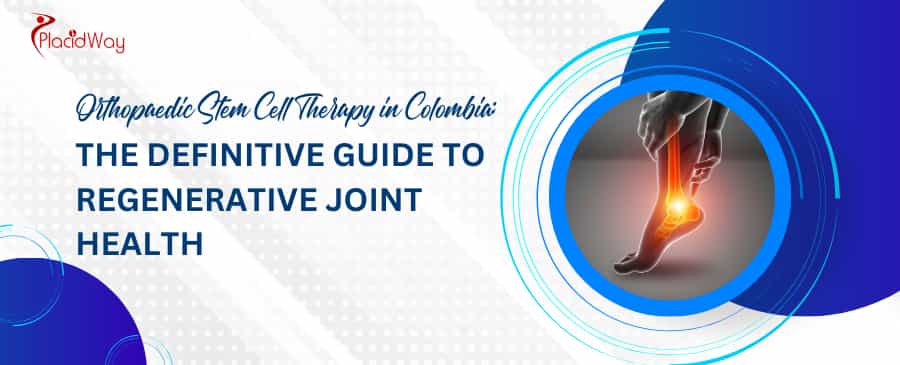
Living with chronic joint pain can drain your energy and limit your freedom, prompting many to seek advanced orthopaedic stem cell therapy in Colombia. When conservative treatments fail, regenerative medicine offers a potential pathway to support your body's natural healing processes. Before traveling, you must carefully evaluate treatment costs and verify crucial medical credentials like MinSalud licensing to ensure your safety. This comprehensive guide helps you navigate your options, empowering you to make a confident, well-informed healthcare decision.
Quick Answer Summary
- Estimated Cost: Typically ranges between $4,000 and $9,000 USD, depending on the specific joint, cellular source, and complexity of the condition.
- Safety Overview: Generally considered safe when performed by licensed specialists, though risks include injection site pain, swelling, and rare joint infections.
- Ideal Candidate: Adults experiencing early-to-moderate osteoarthritis, chronic tendon injuries, or cartilage defects who want to delay or avoid invasive surgery.
- Recovery Time: Most patients resume light daily activities within 3 to 7 days, with gradual improvement in joint function occurring over 3 to 6 months.
- Why Colombia: Patients choose Colombia for its advanced medical infrastructure in cities like Bogotá and Medellín, highly trained specialists, and rigorous national healthcare standards.
- Credentials to Verify: Always confirm the clinic holds an active MinSalud (Ministry of Health) license and the physician is certified by the Colombian Society of Orthopedic Surgery (SCCOT).
Introduction to Orthopaedic Stem Cell Therapy in Colombia
Chronic pain in your knees, hips, or shoulders can fundamentally alter how you live your life. For international patients seeking alternatives to total joint replacement, orthopaedic stem cell therapy in Colombia presents an appealing medical pathway. You might be considering this destination because you want access to modern regenerative techniques without the prohibitive expenses found in North American healthcare systems. Understanding the full scope of what this treatment entails is the first step toward reclaiming your mobility.
Colombia has quietly positioned itself as a leader in Latin American healthcare over the past decade. The country combines state-of-the-art medical technology with highly experienced orthopaedic surgeons who often train internationally. By exploring treatment here, you are tapping into a healthcare ecosystem that prioritizes comprehensive patient care and strict medical oversight.
Primary Reasons Patients Travel to Colombia for Regenerative Care:
- Specialized Expertise: Access to orthopaedic surgeons deeply experienced in complex cellular therapies and joint preservation.
- Regulatory Oversight: Strict supervision by national health authorities ensures clinical safety and proper biological handling.
- Financial Accessibility: High-quality medical care provided at a fraction of the cost found in the US, Canada, or Europe.
- Comprehensive Care: Clinics often offer holistic treatment plans, integrating physiotherapy and regenerative injections.
- Geographic Proximity: Short, direct flights from major North American hubs make medical travel physically easier on compromised joints.
Traveling abroad for a medical procedure requires careful thought and extensive planning. You must balance the physical demands of international travel against the potential clinical benefits of the therapy. This guide is designed to remove the uncertainty from your journey.
Understanding Regenerative Orthopaedic Treatments
Orthopaedic stem cell therapy focuses on harnessing the body's innate ability to repair damaged tissue. Instead of surgically removing and replacing a failing joint, specialists use concentrated cellular materials to encourage localized healing. This approach is particularly relevant for degenerative conditions where cartilage and soft tissue have slowly worn away over time. The goal is to alter the inflammatory environment inside your joint.
When you receive this therapy, your doctor introduces specialized cells directly into the site of injury or degeneration. These cells act as biological signals, instructing your body to reduce chronic inflammation and potentially stabilize tissue breakdown. It is important to know that this is not a magic cure; rather, it is a biologically assisted healing process.
Medical Tip: Stem cell therapy is most effective when combined with targeted physical therapy. The mechanical stress from guided exercises helps newly introduced cells adapt to the joint environment.
Many patients confuse regenerative injections with traditional steroid shots. While corticosteroids provide temporary chemical pain relief by suppressing the immune response, they can also weaken cartilage over time. Stem cell treatments aim for a more sustainable biological modulation, though the onset of relief may take several weeks.
Target Conditions for Cellular Joint Repair
Not every joint problem responds well to regenerative medicine. Specialists in Colombia typically recommend orthopaedic stem cell therapy for specific, well-documented structural issues. Osteoarthritis is the most common target, particularly when it affects weight-bearing joints like the knees and hips. In these cases, the therapy aims to preserve the remaining cartilage and improve the synovial fluid quality.
Soft tissue injuries are also prime candidates for cellular therapies. Chronic tendinopathies, such as tennis elbow, Achilles tendonitis, or partial rotator cuff tears, often feature poor blood supply that hinders natural healing. Introducing concentrated cellular components directly into these dense tissues can stimulate a robust healing response.
| Anatomical Area | Common Conditions Treated | Expected Biological Response |
|---|---|---|
| Knee Joint | Early to moderate Osteoarthritis, Meniscus tears | Inflammation reduction, potential tissue stabilization |
| Shoulder | Partial Rotator Cuff tears, Bursitis | Tendon repair support, decreased friction |
| Hip Joint | Mild Osteoarthritis, Labral tears | Pain modulation, improved joint lubrication |
| Elbow & Ankle | Epicondylitis, Achilles tendinopathy | Stimulation of localized blood flow and cellular repair |
Severe bone-on-bone arthritis usually does not respond well to regenerative injections. If your joint architecture is completely compromised, your Colombian specialist will likely advise against stem cell therapy. Honest patient selection is a hallmark of a trustworthy medical provider.
The Biological Mechanics of Tissue Healing
To understand why this treatment is pursued, you must look at how joints heal on a microscopic level. Cartilage, ligaments, and tendons have notoriously poor vascularity, meaning they receive very little blood flow. When you injure these tissues, the body struggles to deliver the necessary repair cells and growth factors to the site. Regenerative therapy bypasses this limitation by manually delivering a high concentration of therapeutic cells directly into the damaged area.
Once injected, these cells do not simply turn into new cartilage overnight. Instead, they release exosomes, cytokines, and growth factors that orchestrate a complex healing cascade. This biochemical signaling suppresses destructive inflammatory enzymes that cause joint degradation.
Key Takeaway: The primary mechanism of stem cell therapy in orthopaedics is immunomodulation. The cells act like microscopic managers, directing your local immune system to stop destroying tissue and start repairing it.
The success of this biological process relies heavily on the precision of the injection. Colombian orthopaedic specialists utilize ultrasound or fluoroscopic guidance to ensure the cells reach the exact millimeter of damaged tissue. Blind injections are generally ineffective and should be avoided.
Evaluating Your Eligibility for Treatment in Colombia
Traveling to Colombia for orthopaedic stem cell therapy requires a thorough pre-assessment to ensure you are a suitable candidate. The ideal candidate is typically between 35 and 65 years old, suffering from mild to moderate joint degeneration, and in generally good health. Your immune system must be functional enough to respond properly to the cellular signaling.
Certain medical conditions may disqualify you from receiving regenerative treatments safely. Active infections, blood-borne diseases, or a history of specific cancers can complicate the procedure and increase risks. Your Colombian medical team will require extensive blood work and recent MRI scans before confirming your treatment plan.
Good Candidates
- Mild to moderate osteoarthritis
- Partial tendon or ligament tears
- Failure to improve with physical therapy
- Healthy immune system
Poor Candidates
- Severe bone-on-bone arthritis
- Active infections or systemic disease
- Patients on heavy blood thinners
- Complete tendon ruptures
Do not rely solely on X-rays for your evaluation. X-rays only show bone, while stem cell therapy primarily targets soft tissues like cartilage, tendons, and synovial linings. A high-resolution MRI is essential for your Colombian specialist to map out the exact injection strategy.
Types of Cellular Therapy Used in Colombian Clinics
The term "stem cell therapy" is broad and covers several distinct biological materials. In Colombian orthopaedic clinics, treatments usually rely on adult autologous cells, meaning they are harvested directly from your own body. This approach minimizes the risk of immune rejection or disease transmission.
Bone Marrow Aspirate Concentrate (BMAC) is the gold standard for many orthopaedic applications. The doctor extracts marrow, usually from your pelvis, and centrifuges it to isolate regenerative cells and growth factors. This specific mixture is highly rich in mesenchymal stem cells, which are critical for bone and joint repair.
| Source Material | Extraction Method | Best Used For |
|---|---|---|
| Bone Marrow (BMAC) | Aspiration from the iliac crest (pelvis) | Moderate osteoarthritis, bone healing, large joints |
| Adipose Tissue (Fat) | Mini-liposuction from abdomen or flanks | Soft tissue repair, structural joint support |
| Platelet-Rich Plasma (PRP) | Standard venous blood draw | Mild inflammation, tendonitis, often combined with cells |
Some clinics may also utilize ethically sourced allogeneic products, such as umbilical cord-derived Wharton's Jelly. If a clinic offers donor cells, you must verify that the materials are strictly regulated by INVIMA, Colombia's national food and drug regulatory agency. Ensure your doctor clearly explains the exact cellular product being used in your joint.
Estimated Costs of Orthopaedic Stem Cell Therapy in Colombia
One of the primary drivers for medical travel is the significant cost difference compared to healthcare systems in the United States or Canada. In Colombia, you can expect to pay a fraction of the North American price for identical orthopaedic procedures. However, the exact price will vary based on the complexity of your joint issue and the specific cellular source required.
A single joint treatment using autologous bone marrow or adipose tissue generally ranges from $4,000 to $7,000 USD. If multiple joints are treated simultaneously, or if donor cellular materials are utilized, the total treatment package may extend up to $9,000 USD. These prices frequently encompass the medical procedure, doctor's fees, and facility costs.
| Treatment Destination | Estimated Cost Range (USD) | Cost Difference vs. US |
|---|---|---|
| United States | $8,000 - $15,000+ | Baseline |
| Colombia | $4,000 - $9,000 | Up to 50% less |
| Mexico | $4,500 - $10,000 | Comparable |
When reviewing a quote from a Colombian clinic, request a detailed, itemized breakdown. Ensure you understand whether pre-operative blood work, MRI reviews, and post-injection physical therapy consultations are included in the baseline cost. Transparent pricing is a strong indicator of a trustworthy medical provider.
Remember that the cheapest option is rarely the safest. Prices that seem drastically lower than the national average in Colombia may indicate the use of sub-standard cellular processing equipment or poorly regulated facilities. Prioritize clinical safety and verified credentials over budget pricing.
Medical Travel Expenses and Hidden Fees
The cost of the medical procedure is only one part of your total financial commitment. When traveling to Colombia for orthopaedic stem cell therapy, you must budget for comprehensive travel logistics. Flights to major medical hubs like Bogotá, Medellín, or Cali fluctuate depending on your origin city and the season.
Accommodation is another major factor, as you will need to stay in the country for several days post-treatment. Depending on your comfort preferences, hotels or recovery apartments in safe, medically oriented neighborhoods typically range from $60 to $150 USD per night. You must also account for specialized ground transportation, as navigating public transit with a freshly treated joint is not advised.
Financial Warning: Always budget an extra 15-20% for unforeseen expenses. This can cover emergency medication, extra physical therapy sessions, or flight modifications if your doctor recommends a slightly longer recovery period before flying.
International medical complications insurance is a crucial expense that many patients overlook. While severe complications are rare, possessing a policy that covers medical evacuation or extended hospital stays provides vital peace of mind. Discuss specific medical travel insurance options with your coordinator before booking flights.
Healthcare Regulations and Safety Standards in Colombia
Patient safety hinges on the strength of a country's healthcare regulatory framework. Colombia boasts one of the most structured and advanced healthcare systems in Latin America, overseen by the Ministerio de Salud y Protección Social (Ministry of Health and Social Protection). This governing body enforces strict mandates on clinical hygiene, patient care, and facility management.
For regenerative medicine specifically, biological materials are monitored by INVIMA (Instituto Nacional de Vigilancia de Medicamentos y Alimentos). INVIMA acts similarly to the FDA in the United States, ensuring that the processing, handling, and injection of cellular products meet rigorous scientific and safety standards. Clinics utilizing stem cell therapies must comply with INVIMA's biological handling protocols.
Key Colombian Regulatory Bodies to Know:
- MinSalud: The Ministry of Health that licenses all medical facilities and oversees national healthcare policy.
- INVIMA: The agency responsible for regulating medical devices, biological products, and cellular processing equipment.
- REPS: The National Registry of Healthcare Providers; all legitimate clinics must be registered here.
Furthermore, many top-tier hospitals in Colombia participate in national accreditation programs that demand high levels of operational excellence. While international accreditations like JCI are present in a few elite Colombian hospitals, a strong standing with national bodies like MinSalud is the most critical indicator of a clinic's safety and legality.
Choosing the Right Orthopaedic Hospital in Colombia
Selecting the facility for your orthopaedic stem cell therapy is a decision that directly impacts your clinical outcome. You should focus your search on specialized orthopaedic centers or modern multi-specialty hospitals with dedicated regenerative medicine departments. Clinics operating out of small, unregulated commercial spaces should be strictly avoided.
Begin by verifying the facility's REPS registration, which proves they are legally authorized by the Colombian government to provide medical care. The hospital must have an on-site, sterile processing laboratory equipped with modern centrifuges and cellular analysis technology. Proper cellular handling requires a controlled environment to prevent contamination.
| Hospital Feature | Why It Matters for Your Safety |
|---|---|
| Sterile Processing Lab | Ensures cells are handled without risk of bacterial contamination. |
| Imaging Technology | Fluoroscopy or advanced ultrasound guarantees precise injection placement. |
| Emergency Protocols | Immediate access to urgent care if an unexpected allergic reaction occurs. |
| Dedicated Translators | Ensures clear communication regarding medical history and consent forms. |
Investigate the clinic's standard operating procedures for complication management. Even minor procedures carry risks, and reputable hospitals have transparent protocols for handling post-injection infections or adverse reactions. Do not hesitate to ask the clinic coordinator for written documentation of their safety policies.
Verifying Your Stem Cell Specialist's Credentials
The success of regenerative joint therapy relies entirely on the clinical judgment and technical skill of the administering doctor. Your specialist should be a fully licensed orthopaedic surgeon or a highly credentialed sports medicine physician. General practitioners or cosmetic doctors should never perform intra-articular joint injections.
In Colombia, elite orthopaedic specialists are typically board-certified and registered with the Sociedad Colombiana de Cirugía Ortopédica y Traumatología (SCCOT). Membership in SCCOT demonstrates that the surgeon has completed rigorous national training and adheres to peer-reviewed orthopaedic standards. You can often verify their medical license through the national medical registry.
Vetting Checklist: Ask your doctor: 1. Are you registered with SCCOT? 2. How many image-guided stem cell injections have you performed this year? 3. Where did you receive your specific regenerative medicine training?
Look for specialists who have undergone additional fellowship training in orthobiologics or regenerative medicine. Because this is a rapidly evolving field, your doctor must stay updated on the latest scientific literature regarding cellular dosing and injection techniques. A trustworthy physician will gladly share their curriculum vitae and detail their specialized training.
Recovery Timeline and Post-Therapy Expectations
Recovery from orthopaedic stem cell therapy is vastly different from recovering from joint replacement surgery. Because the procedure is minimally invasive, the acute physical recovery is relatively swift. However, the biological healing process requires patience, as cellular regeneration happens slowly over a period of months.
Immediately following the procedure, you will likely experience localized pain, swelling, and stiffness in the treated joint. This is a normal biological response known as an inflammatory flare, caused by the localized cellular activity. Your Colombian medical team will advise you on safe pain management strategies, explicitly warning against NSAIDs (like ibuprofen), which can halt the healing cascade.
| Timeframe | Biological Process | Patient Sensation | Activity Level |
|---|---|---|---|
| Days 1-3 | Acute cellular signaling, localized inflammation | Swelling, stiffness, mild to moderate ache | Strict rest, minimal weight-bearing if advised |
| Weeks 1-4 | Initial tissue modulation, reduction of harmful enzymes | Gradual decrease in baseline joint pain | Light daily activities, start gentle physical therapy |
| Months 3-6 | Ongoing cellular repair, potential structural stabilization | Noticeable improvement in mobility and function | Return to normal activities, moderate exercise |
Most patients are cleared to fly home within 3 to 5 days after the injection, though you must take precautions against deep vein thrombosis (DVT) during the flight. Once home, adhering to a structured physical therapy regimen is crucial for maximizing your outcome. Movement helps direct the newly active cells to repair the appropriate tissues.
Risks, Contraindications, and Safety Warnings
While orthopaedic stem cell therapy avoids the severe risks associated with major surgery, it is a medical procedure that carries distinct vulnerabilities. The most common adverse event is post-injection site pain and temporary joint swelling. While usually self-limiting, this discomfort can be intense for the first 48 hours.
Infection is the most severe risk associated with joint injections. Septic arthritis, an infection deep within the joint space, is a medical emergency that can rapidly destroy remaining cartilage. This is exactly why verifying a Colombian clinic's sterile processing protocols and MinSalud licensing is an absolute necessity.
Warning Signs: Seek immediate medical attention if you experience a fever, severe escalating pain, extreme redness, or joints that are hot to the touch post-treatment. These are red flags for a potential joint infection.
Another risk is treatment failure. Stem cell therapy is not guaranteed to resolve your pain or regenerate cartilage. Depending on the severity of your degeneration, you may experience no clinical improvement, eventually requiring surgical intervention anyway. Your doctor must provide a realistic assessment of your individual success probability based on current medical evidence.
Patient Demographics and Medical Travel Trends
Understanding who travels for regenerative orthopaedic treatments provides valuable context for your own journey. Recent 2024-2026 data indicates a significant shift in patient demographics seeking care in Latin America. Previously, medical tourism was heavily skewed toward cosmetic procedures, but complex orthopaedic therapies now represent a major sector of cross-border healthcare.
The majority of international patients arriving in Colombia for joint preservation therapies fall into middle-age and early senior brackets. These individuals are often active adults desperate to avoid the downtime of invasive surgery. They seek to maintain their quality of life, whether for recreational sports or daily mobility, through advanced cellular interventions.
Age Distribution of Orthopaedic Stem Cell Patients (2024-2025 Data)
North American patients dominate the inbound demographic for Colombian orthopaedic clinics. The combination of geographic proximity, highly skilled bilingual specialists, and modern infrastructure makes cities like Bogotá highly attractive. Recent 2024 statistics show a continuing upward trend in medical travelers seeking out specialized biological treatments.
Patient Origin Countries for Treatment in Colombia (2024 Trends)
As regenerative medicine protocols become more standardized, patient trust continues to grow. These demographics highlight a mature medical travel market where informed patients actively seek rigorous, scientifically backed alternatives to joint replacements.
Combining Orthopaedic Therapies
Stem cell therapy is rarely utilized in isolation. Colombian specialists frequently employ a multimodal approach to maximize joint healing. Combining therapies can create a more robust biological environment, giving the injected stem cells the best possible chance to integrate and signal repair mechanisms.
Platelet-Rich Plasma (PRP) is the most common adjunct therapy. Extracted from your blood, PRP is packed with growth factors that act as a biological fertilizer for the concentrated stem cells. Doctors often perform a PRP injection a few weeks after the initial stem cell procedure to provide a secondary boost to the healing tissues.
Medical Tip: Ask your Colombian specialist if their quote includes follow-up PRP booster shots. Combining BMAC or adipose-derived cells with PRP is widely considered the optimal protocol for joint preservation.
Additionally, physical therapy is non-negotiable. While cells provide the biological tools for repair, mechanical loading through targeted exercise provides the blueprint. Your Colombian clinic will likely provide a detailed, month-by-month physical therapy regimen for you to complete with a therapist in your home country.
Travel Planning and Visa Considerations
Logistical preparation is key to a smooth medical journey. Most citizens of the United States, Canada, and the European Union do not need a specialized medical visa for short-term treatments in Colombia. You can typically enter on a standard tourist stamp, which allows you to stay for up to 90 days, providing ample time for treatment and initial recovery.
However, you must consider the physical realities of traveling to high-altitude cities like Bogotá. The altitude can affect hydration levels and potentially increase post-operative joint swelling. Discuss your destination city with your medical coordinator so you can prepare adequately for the specific climate and elevation.
| Travel Step | Action Required |
|---|---|
| Documentation | Ensure passport is valid for at least 6 months past your entry date. |
| Medical Records | Translate critical imaging reports and bring physical copies of recent MRIs. |
| Flight Booking | Request wheelchair assistance at the airport to avoid stressing the treated joint. |
| Accommodation | Book ground-floor rooms or confirm elevator access at your Colombian hotel. |
Always coordinate your arrival times with your chosen clinic. Many premium medical facilities in Colombia offer airport pickup services using vehicles equipped for orthopaedic patients. Eliminating the stress of navigating a foreign transit system immediately upon arrival protects both your physical and mental well-being.
Frequently Asked Questions
Is orthopaedic stem cell therapy in Colombia legally regulated?
Yes. The handling and administration of biological materials are strictly regulated by INVIMA, and medical facilities must be licensed by the Ministry of Health (MinSalud). Always ensure your chosen clinic holds these active registrations.
Will stem cells regrow my cartilage completely?
No therapy can guarantee complete cartilage regeneration. The primary goal of treatment is to reduce chronic inflammation, stabilize the joint environment, and potentially stimulate minor structural repairs to alleviate pain and improve function.
How painful is the bone marrow extraction process?
The extraction from the pelvis is performed under local anesthesia, sometimes with mild sedation. Patients typically describe a deep pressure or pulling sensation rather than sharp pain, followed by a dull ache for a few days.
Can I walk immediately after knee stem cell therapy?
Your doctor will likely advise minimizing weight-bearing activities for the first 24 to 48 hours. Crutches or a brace may be prescribed temporarily to protect the joint while the cells initiate the healing cascade.
How long should I stay in Colombia after the injection?
Most specialists recommend staying in the country for at least 3 to 5 days post-treatment. This allows for follow-up assessments and ensures any acute swelling is managed before you undertake a long flight.
Why are treatments cheaper in Colombia than the US?
The cost difference is driven by lower administrative overhead, favorable currency exchange rates, and lower malpractice insurance costs, rather than a decrease in medical quality or technological standards.
Is general anesthesia required for joint injections?
No, these procedures are minimally invasive and typically performed using localized numbing agents. Conscious sedation may be offered if you experience severe medical anxiety, but general anesthesia is not medically necessary.
What happens if the therapy does not work for my joint?
If you do not experience clinical improvement after 6 months, your doctor may recommend repeating the procedure, trying a different cellular combination, or transitioning to traditional surgical options like arthroscopy or joint replacement.
Are donor stem cells safe to use in Colombia?
If allogeneic (donor) cells are used, they must be rigorously screened for infectious diseases and approved by INVIMA. However, most orthopaedic specialists prefer using your own (autologous) cells to eliminate rejection risks.
Will I need an MRI before traveling to Colombia?
Yes, your Colombian specialist will require a recent, high-resolution MRI to evaluate your soft tissue damage and determine if you are a viable candidate before you commit to medical travel.
Ready to Explore Your Regenerative Options?
Navigating international healthcare options can be overwhelming, but you do not have to do it alone. PlacidWay can help you compare certified Colombian providers, understand detailed treatment costs, and request personalized information from highly vetted orthopaedic clinics.
Request Clinic InformationDisclaimer: This information is for educational purposes only and does not replace professional medical advice. Always consult a qualified healthcare provider before making medical decisions.
References
- Ministry of Health and Social Protection (MinSalud) - Government of Colombia
- National Institute for Drug and Food Surveillance (INVIMA) - Regulatory Framework for Biologicals
- Colombian Society of Orthopedic Surgery and Traumatology (SCCOT) - Professional Standards
- Efficacy of Stem Cell Therapy in Knee Osteoarthritis (2024 Review) - National Institutes of Health (NIH)
- Stem Cells: What They Are and What They Do - Mayo Clinic
- Stem Cell Therapy for Arthritis Guidelines - Arthritis Foundation
- Medical Travel Data and Cross-Border Healthcare Trends (2024-2025) - International Medical Travel Journal (IMTJ)
.png)









.jpg)
.png)
.jpg)
.png)









Share this listing