


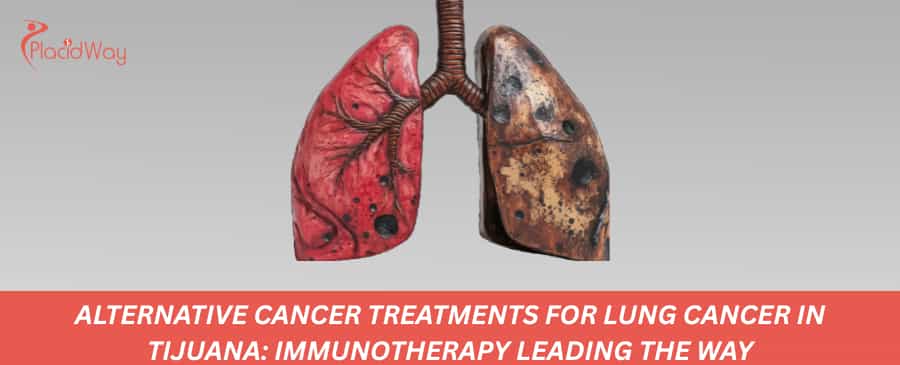
The global landscape of oncology is rapidly evolving, leading many patients to seek innovative healthcare solutions beyond their borders. Alternative cancer treatments for lung cancer in Tijuana have garnered significant attention from international patients seeking therapies that go beyond conventional modalities. Situated just across the border from San Diego, Tijuana has firmly established itself as a leading destination for cross-border medical care, offering access to advanced, integrative therapies in a supportive environment.
Among these innovative approaches, immunotherapy has emerged as a cornerstone of modern oncological care. Unlike traditional treatments that primarily target the tumor directly, immunotherapy focuses on empowering the patient's own biological defenses. In Mexico, medical professionals often integrate these advanced immunological protocols with holistic, alternative strategies. This integrative approach aims to support the body’s natural healing capabilities while addressing the complex nature of respiratory malignancies.
- Systemic Immune Activation: Therapies designed to recognize and target specific cancer cell markers.
- Integrative Protocols: Combining immunological treatments with nutritional and metabolic support.
- Personalized Medicine: Tailoring treatment plans based on comprehensive genetic and cellular profiling.
- Quality of Life Focus: Emphasizing pain management, reduced toxicity, and overall patient well-being alongside disease management.
Tijuana hosts one of the largest concentrations of integrative oncology centers in the world, drawing patients globally for treatments that are either pending approval or financially inaccessible in their home countries.
How Immunotherapy for Lung Cancer Works in Mexico
Immunotherapy represents a fundamental shift in the way medical science approaches malignant cell growth. By harnessing the patient’s own immune system, lung cancer immunotherapy in Mexico aims to stimulate the body’s natural defenses to identify, attack, and eliminate cancer cells. Because cancer cells are remarkably adept at hiding from the immune system—often disguising themselves as healthy cells—immunotherapy works by unmasking these abnormal cells so the immune system can effectively eradicate them.
In the context of lung cancer, particularly Non-Small Cell Lung Cancer (NSCLC), various types of immunotherapies are utilized. These can include checkpoint inhibitors, cancer vaccines, and cellular therapies such as dendritic cell therapy. Mexican medical centers frequently utilize customized biological approaches, carefully cultivating a patient’s immune cells in a laboratory setting before reintroducing them into the body to mount a robust defense against respiratory tumors.
- Checkpoint Inhibitors: Drugs that block proteins that stop the immune system from attacking the cancer cells.
- Dendritic Cell Vaccines: Extracting immune cells, exposing them to tumor antigens, and injecting them back to train the immune system.
- Cytokine Therapy: Introducing synthetic proteins to boost general immune response.
- Adoptive Cell Transfer: Enhancing the natural cancer-fighting ability of a patient's T-cells.
According to recent clinical data, immunotherapy has significantly improved the five-year survival rates for certain advanced lung cancer patients compared to historical outcomes associated with conventional chemotherapy alone.
Why International Patients Choose Medical Tourism in Tijuana for Oncology
The decision to travel for cancer care is never made lightly, yet thousands of patients annually make the journey to Baja California. The appeal of affordable medical tourism in Tijuana is multifaceted, driven heavily by geographic convenience for North American patients. The proximity to major US transit hubs allows for relatively stress-free travel, which is vital for patients managing the physical toll of advanced lung illness.
Furthermore, international patients are drawn to the regulatory environment in Mexico, which often allows for the swift integration of cutting-edge therapies into clinical practice. While maintaining strict medical standards, the timeline from clinical research to patient availability is frequently shorter in Mexico. This provides hope for patients who may have exhausted standard-of-care options in their home countries and are seeking compassionate, forward-thinking medical intervention.
- Geographic Proximity: Easy access from the US via San Diego international airport and land borders.
- Access to Innovation: Availability of advanced alternative and biological treatments.
- Cost Efficiency: Significant reductions in overall medical expenses without compromising care quality.
- Compassionate Care: Medical cultures that prioritize extended doctor-patient interactions and personalized attention.
When planning your medical trip, consider utilizing a medical tourism facilitator to help coordinate medical records transfers, reducing stress and ensuring your medical team has a complete picture of your health history.
Affordable Immunotherapy Cost for Lung Cancer in Tijuana
One of the most pressing concerns for patients facing an oncology diagnosis is the potential for financial toxicity. The immunotherapy cost for lung cancer in Mexico presents a viable solution for those overwhelmed by the astronomical prices of biological therapies in the United States and Canada. The cost disparity is largely attributed to lower administrative overhead, differing pharmaceutical pricing structures, and favorable exchange rates, rather than a reduction in medical quality.
It is important to understand that treatment costs can vary widely depending on the specific protocol, the duration of the stay, and the combination of therapies required. A comprehensive alternative program typically bundles accommodations, diagnostic imaging, immunotherapies, nutritional IVs, and holistic care into a single, transparent pricing structure. Below is a general cost comparison to provide realistic market expectations.
| Procedure Name / Therapy Type | Average Cost in Tijuana (USD) | Estimated Cost USA/Canada (USD) |
|---|---|---|
| Comprehensive 3-Week Alternative Oncology Protocol (Base) | $18,000 - $25,000 | $80,000 - $120,000+ |
| Dendritic Cell Therapy (per cycle) | $6,000 - $9,000 | $35,000 - $50,000 |
| Advanced Checkpoint Inhibitors (per infusion) | $3,500 - $5,500 | $10,000 - $15,000 |
| Hyperthermia / Ozone Therapy (Add-on packages) | $1,500 - $3,000 | $8,000 - $12,000 |
Comprehensive Diagnostic and Integrative Protocols in Baja California
Effective treatment begins with precise, highly individualized diagnostics. Oncology clinics in Tijuana typically refuse a "one-size-fits-all" methodology. Instead, they rely on comprehensive profiling to understand the unique genetic and metabolic behaviors of a patient’s specific lung tumor. By identifying specific biomarkers, medical teams can design immunotherapy protocols that have the highest probability of provoking a positive immune response.
These medical facilities employ state-of-the-art diagnostic tools, ranging from advanced PET-CT imaging to deep genomic sequencing. Once the diagnostic phase is complete, an integrative protocol is formulated. This protocol seamlessly blends the targeted aggression of immunotherapy with alternative treatments designed to alter the tumor microenvironment, making the cancer cells more susceptible to the immune system’s attack.
- Liquid Biopsies: Non-invasive blood tests to detect circulating tumor DNA.
- Genomic Sequencing: Analyzing the DNA of the tumor to identify targetable mutations.
- Immune System Profiling: Assessing the patient's baseline immune function before therapy begins.
- Metabolic Testing: Evaluating how the patient's body processes nutrients to starve cancer cells of their energy sources.
Integrative diagnostic approaches often reveal secondary health issues, such as chronic inflammation or nutritional deficiencies, which are treated simultaneously to enhance the primary cancer therapy's effectiveness.
Types of Alternative Therapies Combined with Lung Cancer Immunotherapy
A defining characteristic of medical travel for oncology in Mexico is the synergistic combination of treatments. While immunotherapy serves as the biological vanguard, it is frequently paired with a variety of alternative therapies. The goal of this combination is to create an inhospitable environment for the lung cancer cells to thrive, while simultaneously protecting healthy tissue from the collateral damage often associated with disease progression.
These adjunctive therapies are rigorously selected based on their potential to enhance immune function, improve oxygenation at the cellular level, and promote detoxification. Medical professionals carefully monitor these combinations to ensure safety, tracking how the body responds to multi-modal stimulation. Patients often find that these combined therapies help alleviate the physical symptoms of their illness while supporting the heavier lifting done by the immunotherapy.
- High-Dose Intravenous Vitamin C: Used for its potential pro-oxidant effects on cancer cells without harming normal tissue.
- Local and Whole-Body Hyperthermia: Elevating body temperature to make cancer cells more vulnerable to immune attacks.
- Ozone Therapy: Increasing oxygen levels in the blood to create an oxygen-rich environment that cancer cells generally struggle to survive in.
- Laetrile (B17) Therapy: An alternative therapy historically used in integrative clinics aimed at targeting malignant cells.
Candidacy and Patient Safety for Immunotherapy in Mexico
While the prospect of innovative treatment is encouraging, it is crucial to recognize that not every patient is an ideal candidate for these therapies. Candidacy for lung cancer immunotherapy in Mexico requires a rigorous pre-evaluation process. Medical teams will review pathological reports, previous treatment histories, and current physical stamina to determine if a patient can safely undergo an alternative protocol.
Patient safety remains the paramount concern. Facilities dedicated to international medical tourism adhere to stringent health protocols and maintain international certifications. Patients are typically required to participate in detailed consultations prior to their arrival. This cautious approach ensures that expectations are managed realistically and that the selected treatments pose no contraindications with the patient's existing medical condition.
- Performance Status: Patients must generally possess a baseline level of physical strength to endure travel and treatments.
- Organ Function: Adequate liver and kidney function is typically required to process treatments and detoxify the body.
- Autoimmune History: Patients with severe pre-existing autoimmune diseases may require altered protocols to avoid dangerous immune flares.
- Transparent Disclosures: Complete honesty about all current medications and previous chemotherapies is strictly necessary.
Alternative cancer treatments carry inherent risks, and outcomes cannot be guaranteed. Patients must consult with their primary oncologists before traveling internationally and clearly understand that responses to immunotherapy vary significantly from person to person.
Potential Risks and Patient Expectations During Alternative Oncology Treatments
Entering into any oncology treatment requires a clear-eyed understanding of potential side effects. While alternative and immunotherapies are generally praised for being less toxic than conventional chemotherapy, they are not without risks. Because immunotherapy fundamentally alters the immune system's activity, it can sometimes cause the immune system to attack healthy organs—a condition known as an immune-related adverse event (irAE).
Most patients experience mild to moderate side effects that are manageable with proper medical oversight. It is vital for patients and their caregivers to maintain open lines of communication with their medical team in Tijuana, reporting any new or worsening symptoms immediately. Setting realistic expectations regarding both the healing timeline and the physical experience of the therapy is essential for mental and physical endurance.
- Common Mild Side Effects: Fatigue, mild fever, chills, and muscle aches (often referred to as flu-like symptoms).
- Skin Reactions: Rashes, itching, or redness at injection sites.
- Gastrointestinal Issues: Nausea, changes in appetite, or mild diarrhea.
- Severe Risks: Though rare, serious inflammation of the lungs (pneumonitis), liver (hepatitis), or colon (colitis) requires immediate medical intervention.
The side effects of immunotherapy are often an indicator that the treatment is working, as flu-like symptoms demonstrate that the immune system has been successfully activated and is fighting actively.
The Holistic Approach to Lung Cancer Care in Tijuana Facilities
What truly sets alternative cancer treatments for lung cancer in Tijuana apart is the profound commitment to a holistic philosophy. Medical professionals recognize that cancer is a disease that affects not just the cells, but the mind, spirit, and emotional well-being of the patient. Consequently, treatment centers are designed to be restorative, offering environments that reduce stress and promote psychological healing alongside medical intervention.
Nutritional therapy forms a massive pillar of this holistic approach. Patients are often provided with organic, anti-inflammatory meals designed to support microbiome health and reduce bodily stress. In addition to nutrition, patients frequently have access to psychological counseling, meditation sessions, and spiritual support, ensuring that they possess the mental resilience necessary to combat a chronic illness.
- Nutritional Counseling: Customized diet plans focused on alkaline-promoting and nutrient-dense foods.
- Mind-Body Medicine: Stress reduction techniques including yoga, guided imagery, and acupuncture.
- Psychological Support: Counseling for patients and families to navigate the emotional trauma of a cancer diagnosis.
- Detoxification Programs: Gentle methods to support lymphatic drainage and liver function.
Studies show that high levels of stress can suppress immune function. By integrating psychological and holistic care, patients can significantly lower their cortisol levels, optimizing their body for immunotherapy.
Preparing for Your Medical Travel to Tijuana for Cancer Treatment
Traveling across borders for medical care involves detailed logistical and medical preparation. Preparing effectively can vastly reduce the anxiety associated with affordable medical tourism in Tijuana. Patients are advised to begin organizing their trip well in advance, starting with the consolidation of their comprehensive medical records. This includes recent biopsy reports, imaging discs (PET, CT, MRI), and detailed summaries of all prior oncological treatments.
Beyond medical documentation, practical travel logistics must be addressed. Patients should ensure their passports are current and make appropriate financial arrangements for international payments. Because lung cancer treatments often require multi-week stays, planning for a comfortable, extended stay with a supportive companion is highly recommended. Many medical centers assist with border crossing logistics to make the transition as smooth as possible.
- Medical Documentation: Gather all lab results, imaging files, and doctor notes translated if necessary.
- Travel Arrangements: Ensure valid passports and arrange flights to San Diego (often the closest entry point).
- Companion Support: Travel with a friend or family member who can assist with daily tasks and emotional support.
- Financial Planning: Coordinate with your bank to authorize international transactions or set up medical escrow accounts.
Always keep your physical medical records, including imaging discs, in your carry-on luggage. Checked bags can get lost, and having your medical history on hand is critical for your initial consultations upon arrival.
Post-Treatment Care and Follow-Up Strategies After Immunotherapy
The conclusion of your in-clinic treatment in Tijuana is merely a transition phase in your overall healing journey. Effective post-treatment care is absolutely critical for long-term success, especially concerning immunotherapy, which can continue to influence the immune system for months after the active treatment phase has ended. A seamless transition of care back to your home country requires robust follow-up strategies.
Most reputable facilities in Mexico provide detailed discharge plans, including supplements, ongoing oral medications, and a strict schedule for follow-up imaging and bloodwork. Patients must proactively build a collaborative relationship with their local primary care physicians or oncologists to monitor progress. Telemedicine has bridged this gap significantly, allowing the Mexican medical team to consult directly with the patient and their local healthcare providers.
- Home Care Protocols: Adhering strictly to prescribed supplements, diets, and oral immunomodulators.
- Routine Monitoring: Scheduling specific dates for follow-up PET scans and tumor marker blood tests.
- Telehealth Consultations: Maintaining regular virtual appointments with your oncology team in Tijuana.
- Local Integration: Finding an open-minded local physician willing to co-manage your integrative care plan.
Data indicates that patients who strictly adhere to post-treatment nutritional and holistic regimens experience up to a 30% reduction in cancer recurrence symptoms compared to those who revert to previous lifestyle habits.
Patient Experiences with Alternative Lung Cancer Treatments in Tijuana
While clinical data and medical methodologies provide the scientific foundation, the real-world experiences of patients often speak the loudest to those currently battling lung cancer. Oncology clinics in Tijuana have treated diverse populations, and hearing anecdotal outcomes helps prospective medical tourists understand the human element of this journey. Responses to treatment vary, but shared themes of compassionate care and renewed hope are common.
It is important to view testimonials as individual experiences rather than guaranteed outcomes. Patients frequently highlight not just the medical interventions, but the profound shift in how they were treated as individuals rather than just a set of symptoms. Below are summarized experiences from international patients who pursued integrative oncology care.
David's Integrative Journey
After traditional chemotherapy for advanced NSCLC left David severely depleted, he sought alternative options in Mexico. By combining dendritic cell therapy with targeted hyperthermia, he reported a significant return of his energy levels and stabilization of his tumor markers over a six-month monitoring period.
Maria’s Quality of Life Improvement
Maria traveled to Tijuana focusing heavily on palliative and alternative care. She utilized low-dose targeted therapies alongside high-dose Vitamin C infusions. She experienced a dramatic reduction in chronic pain and was able to enjoy a significantly improved quality of life with her family.
Robert’s Holistic Healing
Faced with limited standard-of-care options, Robert chose a facility in Baja California that emphasized immune checkpoint inhibitors alongside an intense metabolic diet. He found the holistic psychological support critical in overcoming his medical trauma, contributing to a robust physical response to the immunotherapy.
Elena’s Coordinated Care
Elena was hesitant to leave her home country but was drawn by the transparency of Mexican medical teams. Her customized biological vaccine protocol was efficiently coordinated with her local oncologist, leading to a synergistic care plan that helped manage her respiratory symptoms effectively.
How PlacidWay Assists Your Oncology Medical Tourism Journey in Mexico
Navigating the complex world of international healthcare, especially when dealing with a severe diagnosis like lung cancer, can feel incredibly overwhelming. Patients need a reliable bridge between their current medical reality and the innovative treatments waiting abroad. This is where dedicated medical tourism platforms step in to streamline the process.
PlacidWay serves as a comprehensive resource and facilitator, empowering patients with the information and connections necessary to make confident, informed medical decisions. By removing the logistical barriers of researching foreign healthcare systems, patients can focus entirely on their treatment and recovery.
- Providing transparent, comparative information regarding treatment options and facility credentials.
- Facilitating direct communication channels between patients and internationally certified oncology teams.
- Assisting with the secure transfer and translation of critical medical records and imaging files.
- Offering comprehensive resources to help patients understand treatment methodologies and realistic financial expectations.
- Guiding patients through the preliminary evaluation process to determine medical candidacy smoothly and efficiently.
PlacidWay has helped thousands of global patients connect with top-tier medical facilities worldwide, ensuring they find the right specialized care tailored to their unique medical needs.
Frequently Asked Questions About Alternative Lung Cancer Therapies in Tijuana
When considering crossing borders for advanced oncology treatments, patients and their families naturally have numerous questions regarding logistics, safety, and treatment viability. Gathering as much information as possible is the first crucial step in medical travel.
Below are detailed answers to the most common queries surrounding alternative cancer care and medical tourism in Baja California.
Is immunotherapy safe for lung cancer patients?
Immunotherapy is generally considered safe when administered by qualified medical professionals, but it carries potential risks like immune-related adverse events. Patients must undergo rigorous medical evaluations to determine if their specific cancer profile makes them a suitable candidate.
How long do I need to stay in Tijuana for alternative cancer treatment?
Most patients typically stay in Tijuana for a period ranging from two to six weeks, depending on their customized treatment protocol. Your medical team will provide a comprehensive schedule tailored to your therapies and recovery needs.
Do I need a passport or special visa to travel to Tijuana for medical reasons?
International patients from the United States and Canada must have a valid passport to cross the border into Mexico. Most medical tourists do not require a special medical visa for short stays, but it is essential to check current border regulations before traveling.
Can I continue conventional treatments while receiving alternative therapies in Mexico?
Many facilities specialize in integrative oncology, which often combines alternative therapies with conventional modalities like targeted therapy or low-dose chemotherapy. It is vital to disclose all current treatments to avoid adverse interactions and ensure coordinated care.
Does health insurance cover immunotherapy in Tijuana?
Most traditional U.S. and Canadian health insurance plans do not cover medical treatments received internationally, especially those classified as alternative or experimental. Patients generally rely on out-of-pocket payments, medical loans, or specialized health-sharing ministries.
What follow-up care is required after returning home?
Post-treatment care typically involves continuous monitoring through blood tests, imaging, and tele-health consultations with your Mexican medical team. Patients are strongly advised to maintain a relationship with their local oncologist to ensure seamless continuum of care.
How is alternative immunotherapy different from conventional chemotherapy?
While chemotherapy uses harsh chemicals to directly attack fast-growing cells, immunotherapy works by stimulating the body's natural immune system to recognize and destroy cancer cells. Alternative protocols in Mexico often combine immunotherapy with holistic treatments to minimize toxicity and support overall wellness.
Are the medical staff in Tijuana properly licensed and bilingual?
Reputable facilities in Tijuana employ highly credentialed physicians and oncologists who hold valid medical licenses, often with international training. Most medical centers catering to international patients feature fully bilingual staff to ensure clear communication and patient comfort.
What are the common side effects of immunotherapy?
While side effects vary, most patients experience mild flu-like symptoms, fatigue, and occasional skin rashes during treatment. More severe immune-mediated reactions are possible, requiring close medical monitoring throughout the therapy duration.
How quickly can I begin treatment after contacting a facility?
After submitting your medical records and completing a thorough medical review, treatment can often be scheduled within a few weeks. Prompt coordination allows patients to commence their customized protocols swiftly, minimizing delays in care.
Take the first step toward personalized, integrative lung cancer care. Contact PlacidWay today to explore alternative treatments in Tijuana and receive a comprehensive, customized quote.
Medical Disclaimer: This article is for informational purposes only and is not medical advice. Always consult a qualified healthcare provider before any medical decisions. Results may vary. Read Full Disclaimer here.
References
- National Cancer Institute. "Immunotherapy to Treat Cancer." https://www.cancer.gov/about-cancer/treatment/types/immunotherapy
- American Cancer Society. "Immunotherapy for Non-Small Cell Lung Cancer." https://www.cancer.org/cancer/lung-cancer/treating-non-small-cell/immunotherapy.html
- Mayo Clinic. "Integrative medicine and health." https://www.mayoclinic.org/departments-centers/integrative-medicine-health/sections/overview/ovc-20464567
- LUNGevity Foundation. "Immunotherapy for Lung Cancer." https://www.lungevity.org/for-patients-caregivers/lung-cancer-101/treatment-options/immunotherapy
- Cancer Research UK. "Types of immunotherapy." https://www.cancerresearchuk.org/about-cancer/treatment/immunotherapy/types




.png)











Share this listing