
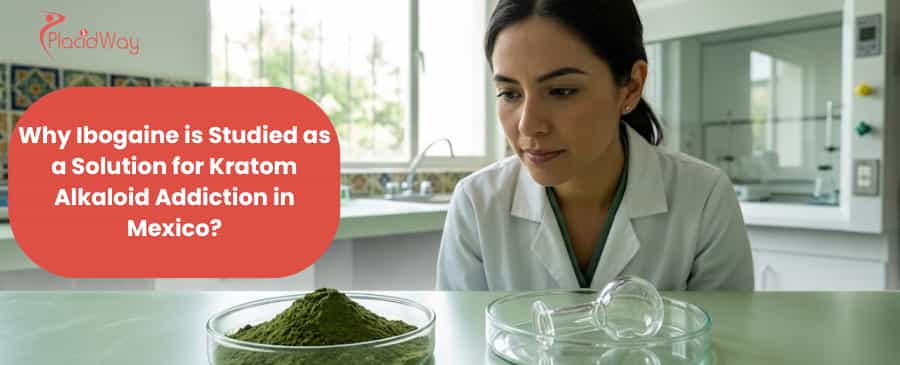
Kratom, derived from the Mitragyna speciosa tree, has gained popularity globally as a natural alternative for pain management and energy. However, its primary alkaloids, mitragynine and 7-hydroxymitragynine, act on the brain's opioid receptors, leading to significant physical and psychological dependency for many users. As kratom use rises, so does the demand for effective intervention strategies that can address the unique withdrawal profile associated with this substance.
Mexico has emerged as a primary destination for those seeking Ibogaine treatment for kratom addiction because the substance is not a controlled medication in the country. This regulatory environment allows medical professionals to study and administer ibogaine therapy in a clinical setting. Patients often travel internationally to access this treatment, hoping to interrupt the cycle of kratom dependency through a process that is not currently available in many Western nations.
Ibogaine is a naturally occurring psychoactive alkaloid found in the root bark of the African shrub Tabernanthe iboga, which has been used for centuries in traditional healing ceremonies.
The Science of Kratom Alkaloids and Ibogaine Therapy in Mexico
To understand why ibogaine is being studied for kratom, one must look at how both substances interact with the human nervous system. Kratom alkaloids are complex; they exhibit mu-opioid receptor agonism while also affecting adrenergic and serotonergic pathways. This multi-receptor interaction often makes kratom withdrawal particularly stubborn, characterized by intense anxiety, restless leg syndrome, and profound fatigue that can last for weeks.
Ibogaine treatment in Mexico works by metabolizing into noribogaine, which targets multiple receptor sites simultaneously. It is believed to "reset" the opioid receptors and increase levels of Glial Cell-Line Derived Neurotrophic Factor (GDNF) in the brain. This neuro-regeneration typically helps in mitigating the acute withdrawal symptoms of kratom, providing a "clean slate" for the patient to begin their recovery journey without the immediate burden of physical cravings.
Scientific studies suggest that ibogaine can reduce the self-administration of various addictive substances by modulating the dopamine reward system in the brain.
Benefits of Seeking Ibogaine Treatment for Kratom in Mexico
One of the primary advantages of ibogaine therapy for kratom addiction is the significant reduction in the duration of the detox process. Traditional tapering from kratom can take months and is often plagued by relapses due to the lingering psychological "fog." In contrast, a supervised ibogaine session in Mexico generally facilitates a rapid transition through the most intense withdrawal phases in just a matter of days.
Beyond the physical detox, patients often report profound psychological insights during their treatment. The psychoactive properties of ibogaine allow individuals to confront the root causes of their addictive behaviors in a dream-like state. This "interruption" of the addiction cycle provides a unique therapeutic window, making it easier for patients to implement long-term lifestyle changes once they return from their medical tourism journey in Mexico.
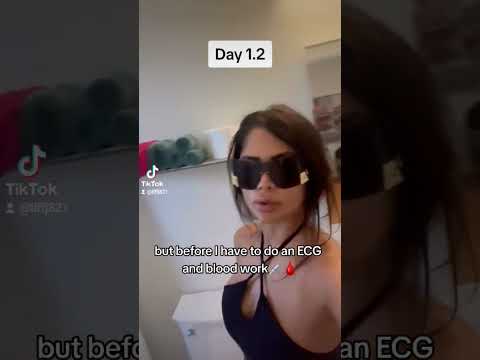
Always ensure that your chosen facility in Mexico conducts extensive pre-screening, including blood work and an EKG, before administering any ibogaine dose.
Affordable Ibogaine Treatment for Kratom Cost in Mexico
When considering addiction recovery in Mexico, cost is a significant factor for international patients. While ibogaine therapy is not "cheap" due to the high level of medical supervision required, it is often more accessible in Mexico than private, high-end retreats in other regions. The cost of ibogaine treatment in Mexico typically covers the medical team, the medication itself, psychological support, and specialized nutritional care during the stay.
Patients should be wary of prices that seem too low, as quality ibogaine clinics in Mexico must maintain rigorous safety standards and employ ACLS-certified staff. Below is a general comparison of the average cost of ibogaine therapy and associated detox services in Mexico versus other potential medical tourism destinations or traditional recovery costs in the United States.
| Procedure / Service | Average Cost in Mexico | Comparison (USA/Canada) |
|---|---|---|
| Ibogaine Treatment for Kratom (7-10 Days) | $5,500 - $8,500 | Not Available (Legality) |
| Traditional Medical Detox (Kratom) | $3,000 - $5,000 | $10,000 - $20,000 |
| Holistic Integration & Aftercare | $1,500 - $3,000 | $5,000 - $8,000 |
The Role of Specialized Ibogaine Clinics in Mexico
Mexico hosts some of the world's most experienced ibogaine practitioners. These clinics have developed specific protocols for kratom, which differs significantly from traditional opioid detox. Because kratom has a long half-life and complex alkaloid profile, specialized ibogaine clinics in Mexico often require patients to switch to a short-acting opioid or a specific stabilization protocol before the ibogaine is administered.
The environment in these clinics is designed to be therapeutic and tranquil, often located near the coast or in quiet suburban areas. This helps in lowering the stress levels of patients undergoing kratom alkaloid addiction treatment. By providing a clinical yet comfortable setting, these facilities aim to support both the physical and emotional aspects of the ibogaine recovery process.
Reports from various observational studies indicate that up to 60-70% of patients experience a significant reduction in opioid-type cravings following a single supervised ibogaine session.
Medical Supervision and Safety Protocols for Ibogaine in Mexico
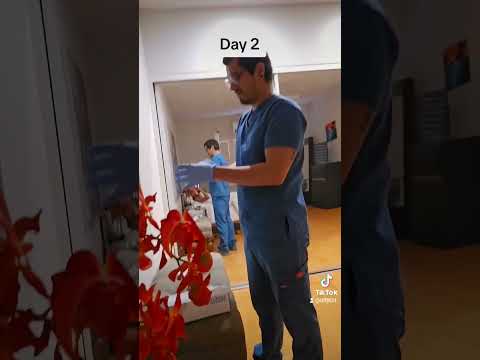
Safety is the most critical component of ibogaine therapy in Mexico. Ibogaine is known to affect heart rhythms, specifically prolonging the QT interval, which can be dangerous without proper monitoring. Reputable facilities utilize continuous EKG monitoring and have medical doctors on-site throughout the duration of the "flood dose" to ensure patient safety and manage any adverse reactions immediately.
Standard safety protocols also include comprehensive liver enzyme tests and electrolyte balancing. Since kratom can sometimes affect liver function, medical tourism in Mexico for this procedure must involve a clinic that takes these baseline health markers seriously. Most patients experience a safe journey when these strict medical guidelines are followed by experienced healthcare providers.
Ibogaine should never be taken alone or in an unmonitored setting. It is a powerful substance that requires professional medical oversight to prevent life-threatening cardiac complications.
Navigating the Ibogaine Detox Process for Kratom in Mexico
The journey of detoxing from kratom with ibogaine typically starts with a stabilization period. Because kratom's alkaloids can interfere with ibogaine, many clinics in Mexico will have patients arrive several days early to transition off kratom under medical watch. This ensures that the ibogaine flood dose is effective and reduces the risk of any negative interactions between the substances.
During the actual treatment, the patient enters a deep state of introspection that can last 12 to 24 hours. Following this, there is a "gray day" of reflection and physical rest. The ibogaine detox process in Mexico is comprehensive, moving from physical stabilization to the peak therapeutic experience, and finally into a phase of physical and mental integration before the patient returns home.
Many patients describe the ibogaine experience as "ten years of therapy in one night," referring to the rapid processing of past traumas and behaviors.
Psychological Support and Aftercare Following Ibogaine in Mexico
While the ibogaine molecule does the "heavy lifting" neurochemically, long-term recovery from kratom depends heavily on what happens after the session. Quality clinics in Mexico integrate psychological counseling and "integration" sessions into their programs. This helps patients make sense of the visions or insights they had during their ibogaine treatment for kratom addiction and translates them into actionable life changes.
Aftercare is the bridge between the clinic and a sober life at home. Most medical tourism platforms and clinics recommend a minimum of 3 to 6 months of follow-up care, which may include virtual therapy, support groups, or local counseling. Addressing the psychological dependency on kratom is just as important as the physical detox to ensure lasting success and prevent future relapses.
Plan your return home carefully. Having a therapist or support group lined up before you even leave for Mexico significantly increases your chances of long-term sobriety.
Why Mexico is a Hub for Ibogaine Treatment for Kratom Addiction?
The status of Mexico as a global hub for ibogaine therapy is due to its unique combination of legal flexibility and medical expertise. In many countries, ibogaine is classified as a Schedule I substance, making clinical research and treatment nearly impossible. Mexico's approach has allowed for the development of a specialized medical infrastructure that caters specifically to international patients looking for alternative addiction treatments.
Additionally, the proximity to the United States and Canada makes it a convenient choice for North American patients. Many ibogaine clinics in Mexico are located in border cities or popular tourist destinations, offering easy access via major international airports. This accessibility, combined with decades of collective experience among local doctors, makes Mexico the premier destination for kratom alkaloid recovery.
Eligibility and Contraindications for Ibogaine Therapy in Mexico
Not everyone is a candidate for ibogaine treatment for kratom in Mexico. Eligibility is strictly determined by medical history and current health status. Individuals with a history of heart failure, arrhythmias, or recent heart attacks are generally excluded from treatment. Furthermore, those with certain psychiatric conditions, such as schizophrenia or bipolar disorder, may be at higher risk for adverse psychological effects from ibogaine therapy.
Clinics also look at kidney and liver function, as the body must be able to process the alkaloid efficiently. Medical detox in Mexico begins with a "no-go" list that ensures only those who can safely handle the physiological stress of the procedure are admitted. This cautious approach is what maintains the high safety profile of reputable ibogaine providers in Mexico.
Ibogaine is not considered addictive; most users find the experience too intense to want to repeat it recreationally.
Comparing Traditional Rehab vs. Ibogaine Treatment in Mexico
Traditional rehabilitation centers often rely on Suboxone or Methadone maintenance to manage kratom addiction. While effective for some, these methods often replace one dependency with another. Ibogaine treatment in Mexico offers a different path by aiming for total abstinence. It is a "short-term, high-intensity" intervention compared to the "long-term, maintenance-focused" approach of traditional Western medicine.
For patients who have failed multiple times at standard rehab, the ibogaine option in Mexico represents a paradigm shift. Instead of managing symptoms, the goal is to resolve the underlying physical craving and provide a psychological breakthrough. While traditional rehab provides a structured environment for months, ibogaine therapy provides a rapid biological reset that can be life-changing for the right candidate.
Preparing for Your Medical Tourism Trip to Mexico for Ibogaine
Preparation for medical tourism in Mexico involves more than just booking a flight. Patients are typically required to undergo preliminary testing in their home country and share those results with the clinic. It is also essential to manage expectations; while ibogaine is a powerful tool, it is not a "magic pill" that removes the need for personal effort and lifestyle adjustments in the months following the treatment.
Travelers should ensure their travel documents are in order and that they have arranged for transportation from the airport to the clinic, which many facilities provide. Getting your body ready by hydrating, eating clean, and following the pre-treatment protocol provided by your Mexican medical team will help ensure the best possible outcome for your kratom addiction recovery.
Patient Success Stories and Ibogaine Treatment in Mexico
Real-world experiences provide valuable context for those considering this path. Many international patients have documented their journeys, highlighting the transition from the "kratom fog" to a state of clarity and physical freedom. While results vary, the common thread in ibogaine success stories from Mexico is the significant reduction in the typical withdrawal timeline.
Overcoming a 5-Year Kratom Habit
John, a 34-year-old from Florida, struggled with high-dose kratom use for five years. He chose an ibogaine clinic in Mexico and reported that the "restless legs" disappeared within 48 hours of his flood dose, something he could never achieve through tapering.
Clarity and New Perspective
Sarah from Toronto described her ibogaine experience in Mexico as a "mental filing cabinet reorganization," allowing her to understand why she used kratom to mask her anxiety and giving her the tools to stay sober for over two years.
Breaking the Cycle of Relapse
Michael had been through three traditional rehabs before trying ibogaine in Mexico. He credits the treatment for "resetting his brain" so that he could finally engage in therapy without the constant pull of cravings.
Rapid Detox Success
Elena used kratom for chronic pain but found herself addicted. Her 10-day stay at a Mexican ibogaine facility helped her detox quickly and transition to a non-addictive pain management plan with the help of the clinic's medical staff.
How PlacidWay Assists Your Ibogaine Treatment Medical Tourism Journey in Mexico?
PlacidWay serves as a comprehensive resource for individuals navigating the complexities of medical travel to Mexico for ibogaine. We help streamline the process of finding reputable facilities and understanding the nuances of international healthcare. Here is how we support your journey:
- Providing access to a curated network of vetted ibogaine clinics in Mexico that adhere to high safety standards.
- Offering detailed information on various recovery packages to help you compare costs and services effectively.
- Facilitating direct communication with medical providers to ensure your pre-screening questions are answered.
- Supplying educational resources on the ibogaine process, safety protocols, and what to expect during your stay.
- Assisting with the logistical understanding of medical tourism in Mexico, from clinic locations to language support.
- Connecting you with success stories and reviews from other patients who have undergone similar treatments.
- Ensuring transparency regarding the qualifications of medical staff and the types of monitoring equipment used.
Frequently Asked Questions (FAQ)
Yes, Ibogaine is currently not a restricted substance in Mexico, allowing clinics to operate legally and provide medical supervision for those in recovery.
A standard program usually lasts between 7 and 10 days, allowing for stabilization, the treatment day, and several days of recovery and integration.
The average cost ranges from $5,000 to $9,000, which typically covers medical care, the treatment itself, and your stay at the facility.
Most tourists from the US or Canada do not need a pre-arranged visa but will receive a 180-day tourist permit (FMM) upon arrival.
No, it is strictly contraindicated for people with specific heart conditions or severe psychiatric disorders, which is why rigorous screening is essential.
It is believed to reset the brain's receptor sites and mitigate the intense physical withdrawal symptoms and cravings associated with kratom alkaloids.
Many patients travel alone as clinics often provide airport pickup, but having a support person at home is highly recommended for aftercare.
Integration therapy, local counseling, and support groups are generally necessary to maintain the progress made during the ibogaine session.
Yes, reputable Mexican clinics provide 24/7 medical monitoring by trained doctors and nurses during the entire active phase of the treatment.
Mexico offers extensive experience, proximity for North American patients, and a robust medical tourism infrastructure specifically for alternative recovery.
Ready to take the first step toward freedom from Kratom addiction?
Explore the top-rated Ibogaine treatment centers in Mexico and get the professional support you deserve.
- National Institute on Drug Abuse. Kratom. https://nida.nih.gov/research-topics/kratom
- Wikipedia. Ibogaine. https://en.wikipedia.org/wiki/Ibogaine
- Multidisciplinary Association for Psychedelic Studies (MAPS). Ibogaine Therapy. https://maps.org/ibogaine/
- The American Journal of Drug and Alcohol Abuse. Ibogaine in the Treatment of Substance Use Disorders. https://www.tandfonline.com/journals/iada20
- International Center for Ethnobotanical Education, Research, and Service (ICEERS). Ibogaine Safety. https://www.iceers.org/en/studies/safety-in-ayahuasca-and-ibogaine-administration/






.png)
.png)
.png)


.jpg)
.jpg)
.jpg)
.jpg)








Share this listing