


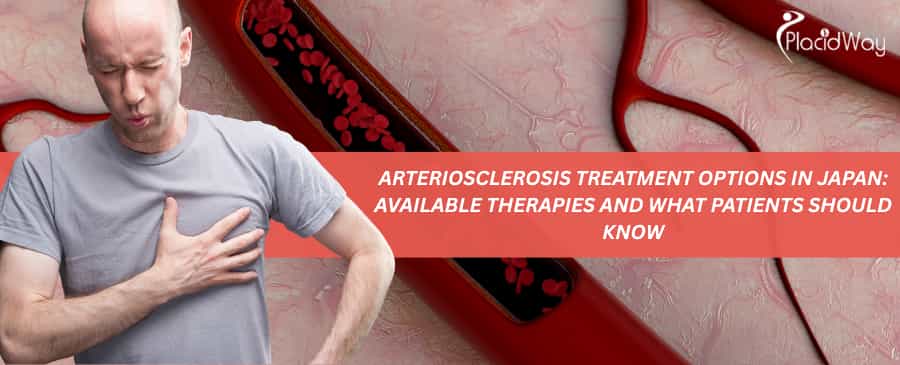
Arteriosclerosis, commonly referred to as the hardening of the arteries, remains a primary concern for global cardiovascular health. Patients seeking advanced arteriosclerosis treatment in Japan discover a healthcare landscape that blends meticulous surgical precision with the world’s most sophisticated medical imaging technology. As a global leader in longevity and heart health, Japan has refined its therapeutic protocols to address the complex needs of an aging population, making it a premier destination for international patients.
Choosing Japan for cardiovascular care means accessing a system where minimally invasive heart surgery and innovative pharmaceutical interventions are the standard of care. This guide explores the multifaceted approach Japanese specialists take toward managing arterial disease, from early diagnosis to cutting-edge regenerative options. Understanding these available therapies is the first step toward reclaiming cardiovascular vitality through medical tourism in Japan.
Japan has one of the highest densities of CT and MRI scanners per capita in the world, ensuring that arteriosclerosis is often detected at much earlier, more treatable stages compared to other nations.
Evolution of Cardiovascular Medicine in Japan
The history of cardiovascular excellence in Japan is rooted in a culture of continuous improvement and technological integration. For decades, Japanese researchers have been at the forefront of developing intravascular imaging techniques, such as Optical Coherence Tomography (OCT), which allow surgeons to see inside the arteries with unprecedented clarity. This focus on "visualizing the invisible" has significantly reduced the risks associated with complex arterial procedures.
Furthermore, Japan’s regulatory environment encourages the rapid adoption of medical breakthroughs while maintaining strict safety standards. This means that patients often have access to next-generation drug-eluting stents and robotic-assisted surgical platforms before they are widely available in other parts of the world. The commitment to perfection in Japanese medicine ensures that every patient receives a highly personalized treatment plan tailored to their specific arterial anatomy.
Japan holds some of the world's highest survival rates for complex cardiac surgeries, largely attributed to the widespread use of 'off-pump' bypass techniques that do not require stopping the heart.
Innovative Arteriosclerosis Therapies in Japan
Japan offers a comprehensive suite of arteriosclerosis treatment options, ranging from pharmaceutical management to high-tech interventions. One of the standout therapies is the use of bioresorbable scaffolds, which support the artery during healing and then gradually dissolve, leaving the vessel in a more natural state. This approach is particularly beneficial for younger patients who wish to avoid permanent metallic implants in their vascular system.
In addition to traditional mechanical interventions, Japan is leading the way in regenerative medicine for arteries. Utilizing autologous stem cell therapy, specialists are working to repair damaged vascular endothelium and promote the growth of new capillaries in patients with severe peripheral artery disease. These biological therapies represent the future of cardiovascular care, moving beyond mere "plumbing" fixes to actual tissue restoration.
Understanding Arteriosclerosis Treatment Cost in Japan
When considering medical tourism for cardiovascular care, the financial aspect is a significant factor for many international patients. Japan provides a unique value proposition: the quality of care is equivalent to or exceeds that of top-tier US hospitals, but the arteriosclerosis treatment cost in Japan is often substantially lower. This price transparency and efficiency make it an attractive option for those without comprehensive private insurance in their home countries.
Costs in Japan are generally predictable, with many facilities offering comprehensive packages for international patients. These packages typically include diagnostic testing, the surgical procedure, hospital stay, and initial follow-up medications. Below is a comparison table showcasing the estimated savings for common cardiovascular procedures in Japan versus other high-cost medical destinations.
| Procedure Name | Average Cost in Japan (USD) | Comparison (USA/UK) |
|---|---|---|
| Diagnostic Coronary Angiography | $2,500 – $4,000 | $6,000 – $10,000 |
| Angioplasty with Drug-Eluting Stent | $12,000 – $18,000 | $30,000 – $50,000 |
| Coronary Artery Bypass Graft (CABG) | $25,000 – $35,000 | $80,000 – $150,000 |
| Peripheral Artery Stenting | $10,000 – $15,000 | $25,000 – $40,000 |
Always request an "All-Inclusive Estimate" that details the cost of the medical device (stent/graft) specifically, as Japan uses high-quality, often imported devices that can vary in price.
Advanced Diagnostic Technology for Arteries
In Japan, the philosophy of "measure twice, cut once" is applied with technological fervor. Advanced diagnostic imaging in Japan utilizes high-definition IVUS (Intravascular Ultrasound) as a standard practice during stenting. While other countries might use angiography alone, Japanese doctors use these internal ultrasound probes to ensure the stent is perfectly apposed to the artery wall, which drastically reduces the long-term risk of blood clots or re-narrowing.
Moreover, the integration of Artificial Intelligence in diagnostic software helps Japanese cardiologists predict plaque rupture risks more accurately than ever before. For patients, this means more precise diagnoses and the avoidance of unnecessary invasive procedures. If a procedure is deemed necessary, the data-driven approach ensures the highest level of safety and efficacy during the arteriosclerosis treatment in Japan.
Case Study: Successful Multi-Vessel Stenting
A 62-year-old patient from Australia travelled to Japan for complex stenting after being told they required open-heart surgery. Using high-resolution OCT imaging, Japanese specialists performed a 4-hour minimally invasive procedure, successfully opening three major blockages without a single incision in the chest. The patient returned home in 10 days.
Minimally Invasive Interventions and Stenting
Japan is world-renowned for its expertise in Transradial Intervention (TRI)—performing heart catheterizations through the wrist rather than the groin. This technique, which was largely pioneered and refined by Japanese cardiologists, significantly improves patient comfort and reduces the risk of bleeding complications. Most patients in Japan are encouraged to walk within hours of their procedure, accelerating the recovery timeline for international cardiovascular patients.
The stents used in Japanese clinics are often the latest iterations of drug-eluting stents (DES) designed to release medication slowly, preventing the artery from scarring shut again. Japanese surgeons are also experts in treating "Chronic Total Occlusions" (CTO), which are arteries that have been 100% blocked for months or years—a condition that many other surgeons might consider inoperable via minimally invasive means.
Patients with pre-existing kidney disease must inform their Japanese medical team, as the contrast dyes used in arterial imaging typically require specific hydration protocols to protect renal function.
Regenerative Medicine and Stem Cell Options
One of the most exciting frontiers of arteriosclerosis treatment in Japan is the application of cell-based therapies. Under the "Act on the Safety of Regenerative Medicine," Japan has created a fast-track pathway for stem cell treatments that are proving effective for patients with "No-Option" Critical Limb Ischemia—a severe form of arteriosclerosis where traditional bypass or stenting is impossible.
These therapies typically involve extracting a patient’s own bone marrow cells or peripheral blood stem cells, concentrating them, and injecting them back into the oxygen-starved tissue. This stimulates "angiogenesis," or the growth of new blood vessels. While still considered advanced and often private-pay, these regenerative heart therapies in Japan offer hope where traditional medicine has reached its limits.
Japan was the first country in the world to approve an autologous skeletal muscle-derived cell sheet for the treatment of severe heart failure caused by ischemic cardiomyopathy.
Patient Selection and Contraindications
While Japan offers some of the most advanced care globally, not every patient is an immediate candidate for travel. Typically, patients must be stable enough to endure a long-haul flight. Surgeons in Japan generally conduct a thorough review of medical records, including recent angiograms and blood work, before confirming a patient’s eligibility for medical tourism in Japan.
Contraindications may include active systemic infections, severe uncompensated heart failure, or end-stage renal disease that might make the travel and the contrast load of the procedure too risky. However, Japanese specialists are known for their willingness to take on "high-risk" cases that have been turned down elsewhere, provided the patient can safely reach the facility. Most patients experience a smooth transition from arrival to treatment through careful pre-travel planning.
Case Study: PAD Recovery via Stem Cells
A 70-year-old patient facing leg amputation due to severe arteriosclerosis (Peripheral Artery Disease) underwent regenerative cell therapy in Tokyo. Six months post-treatment, blood flow had improved by 40%, and the patient was able to walk without pain for the first time in five years.
Success Rates and Patient Outcomes
The success rates for heart surgery in Japan are among the highest globally. For elective stenting and angioplasty, the success rate generally exceeds 99%. For more complex procedures like CABG, Japan’s mortality rates are consistently lower than the global average, which is often attributed to the high volume of cases handled by specialized heart centers and the incredible attention to detail in post-operative monitoring.
Patient outcomes are not just measured by survival, but by quality of life. Japanese cardiac rehabilitation programs are integrated into the treatment process, focusing on nutrition, exercise, and stress management. This holistic approach ensures that the benefits of the arteriosclerosis treatment in Japan are sustained for years after the patient returns to their home country.
Recent clinical data shows that 5-year patency rates (vessels remaining open) for Japanese 'off-pump' bypass surgery are approximately 92-95%, significantly higher than many Western benchmarks.
Preparing for Cardiovascular Travel to Japan
Preparation is the key to a successful medical journey to Japan. International patients should begin by gathering all their current medical records, including DICOM format imaging discs. These are essential for the Japanese surgical team to perform a preliminary assessment. It is also recommended to stabilize any co-existing conditions, such as diabetes or hypertension, under the guidance of a local doctor before departure.
Packing for the trip should include comfortable clothing and all current medications in their original packaging. It is vital to obtain a Medical Stay Visa, which requires a certificate from a Japanese medical institution. While the paperwork can seem daunting, many specialized clinics have dedicated international departments that assist with these logistical hurdles, ensuring the patient can focus entirely on their recovery.
Download translation apps specifically for medical terms, although most top-tier Japanese heart centers will provide a dedicated medical coordinator to bridge the language gap.
Aftercare and Long-Term Rehabilitation
Post-operative care in Japan is intensive and thorough. Following a procedure like stenting, patients are typically monitored in a specialized cardiac unit for 24 to 48 hours. During this time, Japanese nurses and physiotherapists begin the mobilization process. This immediate "step-down" care is a hallmark of the Japanese system, focusing on preventing complications like deep vein thrombosis (DVT).
Before discharge, international patients receive a comprehensive "Aftercare Kit," which includes copies of all surgical reports, high-resolution images of the treated vessels, and a detailed medication schedule. This documentation is crucial for the patient's local cardiologist to manage their care effectively. Most Japanese clinics also schedule a "tele-health" check-up 30 days after the patient returns home to ensure long-term success of the arteriosclerosis treatment.
Testimonial: Off-Pump Bypass Excellence
"I was terrified of having my heart stopped for a bypass. In Japan, they performed the surgery while my heart was still beating. I was walking down the hallway four days later. The level of care from the Japanese nursing staff was beyond anything I've seen in the UK." — David S., London
Navigating the Japanese Healthcare System
The Japanese healthcare system is highly structured and efficient. For international patients, the experience is often surprisingly streamlined. Most major cardiovascular clinics in Japan are equipped with English-speaking staff and sophisticated concierge services that manage everything from hospital registration to pharmacy visits. Understanding that Japanese culture highly values "Omotenashi" (wholehearted hospitality) will help patients feel at ease.
It is important to note that Japan operates on a strictly regulated pricing model for medical devices and procedures, which prevents the "price gouging" sometimes seen in other medical tourism hubs. This creates a level of authoritativeness and trustworthiness in the billing process. Patients can expect a detailed breakdown of costs, often provided in both Japanese Yen and their local currency for clarity.
Testimonial: Clarity through Diagnosis
"After years of vague chest pain, the OCT imaging in Japan showed exactly where my plaque was unstable. They didn't just put in a stent; they showed me why I needed it and how it was placed. That level of transparency gave me my life back." — Maria G., USA
How PlacidWay Assists Your Arteriosclerosis Medical Tourism Journey
Navigating international healthcare requires a partner who understands the nuances of global medical travel. PlacidWay acts as a bridge between patients and Japan’s elite cardiovascular centers, ensuring a seamless experience from initial inquiry to post-treatment follow-up. Here is how PlacidWay supports your journey:
- Connecting you with top-rated cardiovascular specialists and JCI-accredited facilities in Japan.
- Facilitating the secure transfer of medical records for expert second opinions.
- Providing transparent cost estimates to help you plan your medical budget effectively.
- Assisting with the necessary documentation for Medical Stay Visas and hospital admissions.
- Offering personalized support through dedicated medical tourism coordinators.
- Ensuring access to professional medical translation and interpretation services.
- Coordinating post-treatment communication between Japanese surgeons and your local doctor.
Common Questions About Arteriosclerosis Care in Japan
Is Japan a safe destination for international patients?
Japan is widely considered one of the safest countries for medical tourism, characterized by extremely low infection rates and rigorous healthcare regulations.
Will my insurance cover treatment in Japan?
While most standard domestic insurance plans do not cover international travel, some premium global health policies and travel insurance with medical riders may provide reimbursement.
How long should I plan to stay in Japan for surgery?
For major procedures like CABG, a stay of 3 to 4 weeks is recommended, whereas stenting typically requires a 10 to 14-day stay to ensure safe air travel.
Can I choose a specific surgeon?
Yes, international patients can often select their lead specialist based on their expertise, surgical volume, and language proficiency through the coordination process.
What language is used for medical reports?
Major Japanese heart centers provide detailed medical reports and discharge summaries in English for the convenience of international patients and their home doctors.
Are robotic heart surgeries available in Japan?
Yes, Japan is a leader in robotic-assisted thoracic surgery, allowing for even smaller incisions and faster recovery times for eligible patients.
How do I pay for my treatment in Japan?
Most hospitals accept major international credit cards and bank wire transfers, with payments usually required in Japanese Yen.
Is it possible to combine treatment with a vacation?
While recovery is the priority, Japan’s excellent infrastructure allows patients and companions to explore local culture comfortably before or well after the procedure.
What happens if there are complications?
Japanese hospitals are equipped with state-of-the-art emergency facilities and ICU units to manage any intraoperative or post-operative complications immediately.
Do I need a referral to get treatment in Japan?
While a formal referral is not always mandatory for international patients, providing a summary from your local cardiologist is highly recommended for a proper assessment.
References
- Pharmaceuticals and Medical Devices Agency (PMDA). Review of Regenerative Medical Products. https://www.pmda.go.jp/english/
- National Center for Biotechnology Information (NCBI). Outcomes of Coronary Artery Bypass Grafting in Japan. https://pubmed.ncbi.nlm.nih.gov/40038064/
- World Health Organization (WHO). Japan Healthcare System Profile. https://www.who.int/about/funding/contributors/japan
- OECD iLibrary. Health at a Glance: Japan Medical Expenditure and Outcomes. https://www.oecd.org/en/publications/health-at-a-glance-2025_15a55280-en/japan_319bfc39-en.html




















Share this listing