


In recent years, an increasing number of families from North America have been looking abroad to realize their family-building dreams. For many Canadians, local laws strictly prohibit the practice of choosing the sex of their baby unless it is to prevent severe sex-linked genetic disorders. Because the Assisted Human Reproduction Act outlaws family balancing for non-medical reasons, parents desiring a specific gender are seeking safe alternatives internationally.
This legal boundary has catalyzed a surge in medical tourism in Mexico. Renowned for its advanced medical infrastructure and welcoming healthcare policies, Mexico has become a primary destination for couples wishing to complete their families on their own terms. Combining world-class reproductive technologies with accessible pricing, the country provides a viable pathway for those navigating restrictive local regulations.
Canada's Assisted Human Reproduction Act (AHRA) was enacted in 2004, making it a criminal offense to use reproductive technologies for non-medical sex selection, leading to a steady rise in cross-border reproductive care.
Why Canadian Families Choose IVF with Gender Selection in Mexico
The decision to pursue fertility treatments abroad is never made lightly, but several compelling factors draw Canadians southward. Chief among these is the combination of geographical proximity and the high quality of care available. Direct flights from major Canadian cities to popular medical hubs in Mexico make the logistics of travel relatively straightforward and less exhausting for patients undergoing stressful medical procedures.
Furthermore, undergoing IVF with gender selection in Mexico allows patients to bypass local waiting lists and legal hurdles without compromising on medical standards. Many healthcare providers in the region hold international accreditations and have trained in the United States or Europe. This ensures that the clinical protocols align closely with the high standards Canadian patients generally expect from their domestic healthcare system.
Medical tourists often report that the personalized, empathetic approach of international fertility specialists helps significantly reduce the emotional stress commonly associated with assisted reproduction.
The Science Behind PGT-A and Gender Selection in Mexico
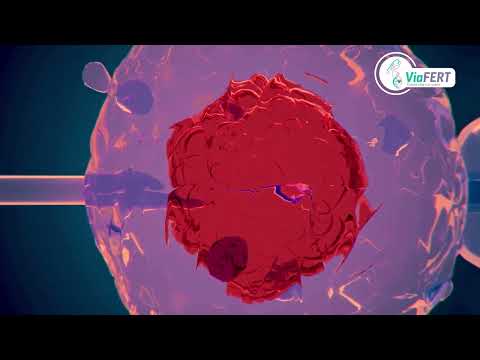
The technological cornerstone making family balancing possible is Preimplantation Genetic Testing for Aneuploidies, commonly known as PGT-A. During a standard In Vitro Fertilization (IVF) cycle, eggs are retrieved from the ovaries and fertilized in a laboratory. Once the resulting embryos reach the blastocyst stage (usually day 5 or 6), a highly skilled embryologist extracts a few cells from the outer layer of the embryo for genetic analysis.
This genetic screening not only identifies the chromosomal sex of the embryo (XX for female, XY for male) but also detects chromosomal abnormalities. By utilizing this advanced testing, fertility specialists in Mexico can selectively transfer an embryo of the desired sex that is also chromosomally normal. While this technology is sophisticated, patients must remember that biological variables play a large role, and achieving a healthy pregnancy is never guaranteed.
PGT-A testing is highly accurate, identifying the chromosomal sex of an embryo with greater than 99% accuracy in laboratory settings.
IVF and genetic testing carry inherent medical risks, including Ovarian Hyperstimulation Syndrome (OHSS) and the possibility that no embryos will survive the biopsy or freezing process. Always discuss specific contraindications with a qualified specialist before proceeding.
Affordable Gender Selection Cost in Mexico Compared to Canada
Financial considerations are a major driving force for cross-border healthcare. The reality is that fertility treatments are notoriously expensive, especially when adding advanced genetic screenings. The affordable gender selection cost in Mexico presents a stark contrast to prices found in the United States and private clinics in other permissible jurisdictions, often saving patients thousands of dollars while maintaining top-tier quality.
When planning a medical journey, it is critical to look beyond the base IVF price and understand the sub-treatments involved. A comprehensive cycle includes hormonal stimulation, egg retrieval, fertilization (often via ICSI), the PGT-A biopsy, and the eventual embryo transfer. Below is a detailed breakdown comparing typical market ranges.
| Procedure / Sub-Treatment | Average Cost in Mexico (USD) | Cost Comparison: Canada (USD Equivalent) |
|---|---|---|
| Standard IVF Cycle (Retrieval & Monitoring) | $4,500 - $6,000 | $8,000 - $12,000 |
| ICSI (Intracytoplasmic Sperm Injection) | Included or $500 - $800 | $1,500 - $2,500 |
| PGT-A Testing (Gender Selection up to 8 embryos) | $2,500 - $3,500 | N/A (Legally Prohibited for non-medical reasons) |
| Frozen Embryo Transfer (FET) | $1,000 - $1,500 | $2,000 - $3,000 |
| Fertility Medications (Estimated) | $1,500 - $2,500 | $3,000 - $5,000 |
| Total Estimated Package | $9,500 - $14,300 | Family Balancing Unavailable |
Always inquire whether fertility medications are included in your initial quote. Medication costs can vary widely depending on your specific protocol and individual response to hormones.
Legal Landscape of Gender Selection Clinics in Mexico
Navigating international healthcare requires a clear understanding of the regulatory environment. While Canada maintains stringent federal laws penalizing non-medical sex selection, the legal framework in Mexico operates differently. The country does not have specific federal legislation outlawing the use of PGT-A for family balancing purposes. This permissive legal landscape empowers gender selection clinics in Mexico to openly offer these services to international patients.
It is important for Canadians to understand that seeking treatment in a jurisdiction where the procedure is legal does not violate Canadian law upon their return. However, patients are encouraged to consult with legal professionals regarding matters of citizenship, parentage, and the import of biological materials if they plan to transport embryos back to Canada in the future.
Medical regulations in Mexico are overseen by the Federal Commission for the Protection against Sanitary Risk (COFEPRIS), which ensures that private medical facilities maintain strict hygiene and operational standards.
Step-by-Step Process for Gender Selection in Mexico
The journey toward family balancing requires meticulous planning and a phased medical approach. Typically, the process begins months before travel with remote consultations where medical histories are reviewed. Once a protocol is established, the female partner begins ovarian stimulation using injectable medications, often initiating this phase from the comfort of her home in Canada.
Travel to Mexico is usually required for the final monitoring scans, the egg retrieval procedure, and fertilization. Following fertilization, embryos grow for a few days before undergoing the PGT-A biopsy. Because genetic testing takes time, most patients experience a "freeze-all" cycle. They return home to Canada while the embryos are tested, planning a second, shorter trip to Mexico a month or two later for the precise transfer of the chosen embryo.
Safety and Success Rates of Gender Selection Procedures in Mexico
Patient safety and clinical efficacy are paramount concerns for anyone engaging in cross-border reproductive care. Top-tier medical facilities in the region invest heavily in state-of-the-art laboratory equipment, which is critical for handling delicate embryos and extracting cells without causing damage. Generally, the survival rate of blastocysts undergoing biopsy in advanced labs is exceptionally high.
While success rates are highly dependent on maternal age and individual health factors, a chromosomally normal (euploid) embryo typically has a favorable implantation rate. It is vital to maintain realistic expectations; an accurate gender selection does not equate to a guaranteed live birth. Fertility experts cautiously advise that multiple cycles may sometimes be necessary to achieve the desired outcome.
Transferring a genetically tested, euploid embryo generally results in implantation rates of 50% to 70%, depending heavily on the patient's uterine receptivity and age.
A Journey of Hope: Sarah and Mark's Experience
After having three boys, Sarah and Mark dreamed of adding a daughter to their family. Facing strict regulations in Canada, they researched options abroad. "The team in Mexico was incredibly professional and transparent about the risks and success rates," Sarah recalls. Today, they are celebrating the arrival of their healthy baby girl, deeply grateful for the advanced care they received.
Balancing the Family: David and Emily's Story
"We were nervous about traveling for a medical procedure, but the communication was flawless," says Emily, who sought treatment for a male embryo. "The genetic testing provided us peace of mind regarding the health of our baby, alongside the gender choice. The entire process felt as safe and sterile as any hospital back home."
Preparing for Medical Tourism in Mexico for Fertility Treatments
Preparation is the key to a smooth and low-stress medical journey. Before traveling for fertility treatments in Mexico, patients must ensure their passports are valid for at least six months beyond their intended return date. Organizing medical records, including previous bloodwork, semen analysis, and pelvic ultrasounds, is essential so the international team has a complete clinical picture.
Emotionally preparing for the trip is equally important. IVF is a hormonally and emotionally taxing process. Patients should plan to travel with a supportive partner or friend and arrange for comfortable, relaxing environments during their stay. Minimizing external life stressors while undergoing stimulation and retrieval typically yields a more positive overall experience.
Establish a clear communication channel with your overseas coordinator before booking flights. Ensure you know exactly who to contact in case of an after-hours medical question while you are taking stimulation medications in Canada.
What to Expect During Recovery After IVF in Mexico
The physical recovery from the IVF egg retrieval is typically brief but requires rest. The procedure is performed under mild sedation, meaning patients usually feel groggy immediately afterward. Mild cramping, bloating, and spotting are common occurrences in the days following the retrieval. Most patients experience a return to their normal daily activities within 48 to 72 hours, though strenuous exercise should be avoided.
Following the frozen embryo transfer (FET), the physical recovery is even milder, often requiring only a day of light activity. However, the emotional recovery and waiting period—commonly referred to as the "two-week wait" before a pregnancy test—can be daunting. Healthcare providers recommend maintaining a calm lifestyle and following all prescribed post-transfer medication protocols rigorously to support potential implantation.
Hydration and a diet rich in electrolytes are highly recommended by fertility specialists in the days following an egg retrieval to help mitigate the symptoms of bloating and fluid retention.
Ethical Considerations of Gender Selection Medical Tourism in Mexico
The pursuit of family balancing in Mexico inevitably intersects with complex ethical debates. In many Western nations, including Canada, medical boards argue that sex selection should be restricted solely to preventing sex-linked genetic disorders, such as Hemophilia or Duchenne Muscular Dystrophy. They raise concerns about the broader societal implications of selecting a child's gender.
Conversely, advocates for reproductive freedom believe that parents should have the autonomy to make private decisions regarding their family composition. For many Canadian couples, the motivation stems deeply from a desire to experience raising children of both sexes. While the ethical landscape is subjective, the personal choice remains a powerful driver for the international movement of patients seeking these specialized services.
Navigating Consultation and Pre-Treatment Testing for IVF in Mexico
Modern telemedicine has revolutionized how international care is coordinated. The initial steps rarely require physical travel; instead, comprehensive video consultations connect Canadian patients directly with top fertility specialists. During these virtual appointments, doctors explain the medical protocols, evaluate previous fertility challenges, and set realistic expectations regarding ovarian reserve and potential embryo yield.
To facilitate a streamlined process, patients are generally advised to undergo baseline testing at a local clinic in Canada. Blood tests evaluating hormones like AMH, FSH, and Estradiol, alongside a transvaginal ultrasound, provide the necessary data to design a custom stimulation protocol. This collaborative approach between local diagnostic centers and international specialists ensures clinical safety while minimizing the time patients must spend away from home.
Patient Experiences with Gender Selection Packages in Mexico
Real-world experiences highlight the transformative impact of accessible reproductive care. The journey is often described by patients as both challenging and profoundly rewarding. Navigating medications, flights, and biological uncertainties requires resilience, but the supportive infrastructure provided by specialized international teams often eases the burden significantly.
Reviewing patient narratives reveals a common theme: the appreciation for comprehensive care that respects patient autonomy. Families repeatedly note that while the process requires dedication, the transparency regarding procedures, ethical practices, and the high caliber of laboratory testing provided reassurance every step of the way.
Many international patients form tight-knit online support groups to share resources, timeline advice, and emotional support while navigating the unique logistics of cross-border fertility treatments.
Overcoming Obstacles: The Thompson Family
"We were exhausted by the limitations back home," shares Mr. Thompson. "Choosing to pursue treatment abroad was daunting, but the clinic's advanced PGT-A screening gave us confidence. We understood the risks, followed the protocols, and were thrilled to finally welcome a son to our family of girls."
Empowered Choices: Amanda's Journey
"As someone with a known history of genetic complexities, the decision to do IVF with PGT-A was clinical first, family balancing second," Amanda explains. "The care team was deeply knowledgeable. They never made promises they couldn't keep, but provided exceptional care that resulted in our beautiful daughter."
How PlacidWay Assists Your Gender Selection Medical Tourism Journey in Mexico
Navigating the intricacies of international healthcare can be overwhelming, especially when managing the emotional weight of fertility treatments. Finding reliable, trustworthy resources is a vital step in ensuring a safe medical journey.
PlacidWay serves as a premier medical tourism facilitator, bridging the gap between international patients and world-class healthcare providers globally. Here is how PlacidWay adds value to your journey:
- Providing access to rigorously vetted, internationally accredited fertility centers and specialized laboratories.
- Facilitating direct communications and initial virtual consultations with top reproductive endocrinologists.
- Supplying detailed profiles on facility certifications, medical team credentials, and clinical expertise.
- Offering comprehensive comparisons of medical packages to ensure patients understand the inclusions of their specific treatment plans.
- Assisting with the transfer of vital medical records and diagnostic tests securely between your local and international providers.
- Empowering patients with educational resources regarding treatment timelines, required medical tests, and procedural safety.
Frequently Asked Questions About Gender Selection in Mexico
When preparing to seek fertility treatments abroad, numerous logistical and medical questions arise. Gaining clarity on these common concerns is essential for feeling confident and secure in your healthcare decisions.
Below are frequently asked questions addressing the core aspects of traveling for reproductive care, from legalities and timelines to safety and accuracy.
Is gender selection in Mexico legal for international patients?
Yes, gender selection in Mexico is generally legally permissible and widely accessible for international patients. Unlike Canada, Mexico does not prohibit family balancing through IVF and PGT-A.
How accurate is gender selection during IVF?
Preimplantation Genetic Testing for Aneuploidies (PGT-A) is highly accurate, typically identifying the sex of an embryo with over 99% accuracy. However, achieving a successful pregnancy depends on various other biological factors.
What is the average affordable gender selection cost in Mexico?
The affordable gender selection cost in Mexico usually ranges from $7,500 to $12,000 USD, depending on the number of embryos tested and specific medical needs. This is significantly lower than equivalent treatments in the US or private medical settings elsewhere.
How long do I need to stay in Mexico for the IVF process?
Most patients experience a required stay of about 10 to 14 days for the egg retrieval phase. If doing a frozen embryo transfer in a subsequent cycle, a shorter second visit of around 5 to 7 days is usually required.
Can I do my initial IVF monitoring in Canada?
Yes, many patients partner with a local clinic in Canada for initial ultrasounds and bloodwork. The results are shared with your fertility specialists in Mexico to minimize your time spent abroad.
Are there age limits for IVF with gender selection in Mexico?
Most clinics evaluate patients on a case-by-case basis, but generally, women up to age 50 can undergo treatment. Donor eggs may be recommended for older patients to improve the likelihood of success.
What are the primary risks of IVF and PGT-A?
The procedure carries standard IVF risks, such as Ovarian Hyperstimulation Syndrome (OHSS) and multiple pregnancies, though single embryo transfers reduce the latter. Additionally, not all embryos may survive the biopsy or freezing process.
Do I need a special medical visa to travel to Mexico for fertility treatment?
Canadians typically do not require a special medical visa to enter Mexico for short-term fertility treatments. A standard tourist visa, granted upon arrival, is generally sufficient for the duration of the IVF cycle.
Is it safe to travel with IVF medications?
Yes, traveling with IVF medications is generally safe and permitted. You should always carry a doctor’s note, your prescription, and keep temperature-sensitive medications in an appropriate cooler bag.
What happens to the remaining embryos after family balancing?
Patients typically have several options for remaining embryos, including long-term cryopreservation for future use, donation to other families, or compassionate disposal. These choices are made according to the patient's personal and ethical preferences.
Ready to explore your options for safe, expert fertility care abroad? PlacidWay is here to help you connect with top specialists.
Medical Disclaimer: This article is for informational purposes only and is not medical advice. Always consult a qualified healthcare provider before any medical decisions. Results may vary. Read Full Disclaimer here.
References
- Human Fertilisation & Embryology Authority (HFEA). Pre-implantation genetic testing for aneuploidy (PGT-A). https://www.hfea.gov.uk/treatments/treatment-add-ons/pre-implantation-genetic-testing-for-aneuploidy-pgt-a/
- National Center for Biotechnology Information (NCBI). Medical Tourism and Cross-Border Reproductive Care.https://pmc.ncbi.nlm.nih.gov/articles/PMC6063838/
- Mayo Clinic. In vitro fertilization (IVF) - What you can expect. https://www.mayoclinic.org/tests-procedures/in-vitro-fertilization/about/pac-20384716
- Wikipedia. Sex selection. https://en.wikipedia.org/wiki/Sex_selection




-Package-at-Advanced-Fertility-Center-Cancun,-Cancun,-Mexico.png)





.png)










Share this listing