



In recent years, the landscape of reproductive healthcare has shifted dramatically, with a growing number of women opting for social egg freezing in Thailand. Women across Southeast Asia are increasingly prioritizing their careers, personal development, and financial stability before starting a family. Because natural fertility declines with age, many are proactively seeking safe, reliable destinations to preserve their reproductive options.
Thailand has emerged as the premier regional destination for this delicate procedure, blending world-class medical infrastructure with compassionate patient care. The country offers a highly regulated healthcare environment that appeals to international patients seeking both expertise and privacy. Women from neighboring nations often find that Thailand provides a seamless combination of advanced reproductive technology and cultural proximity.
- Accessibility: Short, direct flights from major Southeast Asian cities make multiple visits or extended stays highly manageable.
- Specialized Expertise: Board-certified endocrinologists and fertility specialists trained in international protocols manage patient care.
- Progressive Regulations: Unlike some nations with restrictive laws on elective fertility preservation, Thailand permits social freezing under strict medical ethics.
- Holistic Care Approach: Facilities prioritize emotional well-being alongside clinical excellence, reducing the stress of international treatments.
Thailand was one of the first countries in Southeast Asia to widely adopt vitrification, a rapid-freezing technology that significantly improved the survival rates of thawed eggs.
Understanding the Process of Social Egg Freezing in Thailand
The journey of fertility preservation in Thailand involves a meticulously planned series of medical steps designed to harvest healthy oocytes safely. Before any procedure begins, patients undergo a thorough reproductive health evaluation. This typically includes transvaginal ultrasounds and blood tests to measure Anti-Müllerian Hormone (AMH) levels, which help gauge the ovarian reserve.
Once cleared, the active phase of treatment begins with hormone self-injections intended to stimulate the ovaries to produce multiple mature eggs in a single cycle. During this period, patients are closely monitored by specialists to adjust medication dosages and track follicle growth. The goal is to maximize the number of viable eggs safely while minimizing the risk of complications.
- Initial Consultation and Screening: Comprehensive hormonal profiling and infectious disease screening.
- Ovarian Stimulation: Approximately 10 to 12 days of daily subcutaneous hormone injections.
- Follicle Monitoring: Frequent ultrasound scans and blood tests to ensure safe and optimal follicle development.
- Trigger Shot: A specific injection administered precisely 36 hours before retrieval to induce final egg maturation.
When planning your trip, arrive in Thailand a day or two before your menstrual cycle is expected to begin. Fertility treatments are highly time-sensitive and typically commence on the second or third day of your cycle.
Evaluating the Safety of Egg Freezing Clinics in Thailand
Patient safety is a foundational element of medical tourism in Thailand, particularly in the realm of reproductive medicine. The nation boasts numerous healthcare facilities that hold international accreditations, such as from the Joint Commission International (JCI). This ensures that clinical environments adhere to stringent global standards for infection control, patient care, and laboratory management.
Top-tier egg freezing clinics in Thailand utilize cleanroom technology in their embryology labs to prevent airborne contamination. Furthermore, these facilities employ sophisticated monitoring systems to maintain stable temperatures within the liquid nitrogen storage tanks. Strict identification protocols, such as electronic witnessing systems, are also universally implemented to safeguard the identity and security of biological materials.
- Accredited Facilities: Routine audits by international healthcare quality organizations.
- Advanced Laboratory Protocols: HEPA filtration and strict environmental controls to protect delicate oocytes.
- Secure Storage Infrastructure: 24/7 biometric security and backup power generators for cryopreservation tanks.
- Experienced Medical Teams: Multidisciplinary teams including anesthesiologists, embryologists, and fertility specialists.
While generally safe, ovarian stimulation carries a small risk of Ovarian Hyperstimulation Syndrome (OHSS), a condition where ovaries become swollen and painful. Patients must strictly adhere to their doctor's monitoring schedule and immediately report symptoms such as severe abdominal pain or rapid weight gain.
Analyzing the Affordable Egg Freezing Cost in Thailand
Financial considerations play a massive role in a patient's decision-making process. The affordable egg freezing cost in Thailand makes high-quality reproductive care accessible to women who might find the procedure prohibitively expensive in their home countries. Without compromising on medical standards, Thai facilities offer comprehensive packages that are significantly more budget-friendly than those in neighboring hubs like Singapore.
It is important for medical tourists to understand what is included in their treatment quotes. A standard package generally covers clinical consultations, laboratory tests, the retrieval surgery, and the first year of storage. However, patients should clearly verify if the cost of hormonal medications—which can vary based on individual physiological response—is included in the initial estimate.
| Procedure / Treatment Phase | Average Cost in Thailand (USD) | Average Cost in Singapore (USD) |
|---|---|---|
| Initial Consultations & Screening Tests | $200 - $450 | $500 - $900 |
| Ovarian Stimulation Medications | $1,500 - $2,800 | $3,000 - $5,500 |
| Egg Retrieval Procedure & Vitrification | $2,500 - $4,200 | $6,000 - $10,000 |
| Annual Cryopreservation Storage Fee | $300 - $500 | $600 - $1,200 |
Medical tourists traveling to Thailand for reproductive preservation can typically save between 40% to 60% on total procedural costs compared to high-income Southeast Asian and Western countries.
Advanced Technologies Available for Oocyte Cryopreservation in Thailand
The success of fertility preservation relies heavily on the laboratory technology used to freeze the eggs. Oocyte cryopreservation in Thailand leverages a state-of-the-art technique known as vitrification. Unlike older, slow-freezing methods that allowed destructive ice crystals to form inside the egg cell, vitrification cools the eggs so rapidly that they turn into a glass-like state.
This technological leap has drastically improved the post-thaw survival rates of human eggs. Thai embryology labs are equipped with high-resolution microscopic imaging and automated monitoring tools to handle these delicate cells with extreme precision. The integration of advanced cryoprotectant solutions further ensures that the cellular structure of the egg remains intact during the freezing and future thawing processes.
- Flash-Freezing Vitrification: Prevents intracellular ice formation, ensuring the egg's structural integrity.
- High-Quality Cryoprotectants: Specialized solutions used to replace the water inside the egg before freezing.
- Time-Lapse Imaging Systems: Though more commonly used for embryo monitoring, advanced lab cameras assist in the precise handling of oocytes.
- Strict Quality Control: Daily calibrations of lab equipment to maintain optimal environmental conditions.
The Ideal Age for Fertility Preservation in Thailand
A frequent concern for prospective patients is determining the optimal time to undergo this procedure. The biological clock is an undeniable reality; as a woman ages, both the quantity and the genetic quality of her eggs naturally diminish. Medical experts in Thailand typically counsel that the most advantageous window for fertility preservation lies between the late twenties and mid-thirties.
Freezing eggs prior to age 35 generally yields higher success rates, as younger eggs are less prone to chromosomal abnormalities. However, women in their late thirties and early forties can still undergo the procedure, though they may require more stimulation cycles to retrieve an adequate number of viable eggs to achieve a reasonable chance of future pregnancy.
- Ages 25 to 30: Optimal egg quality and quantity; requires fewer cycles to bank a sufficient number of eggs.
- Ages 31 to 35: Highly recommended window; strikes a balance between career establishment and preserving robust fertility.
- Ages 36 to 39: Viable, but typically requires more aggressive hormonal stimulation or multiple retrieval cycles.
- Ages 40 and above: Individualized assessment is mandatory, as naturally occurring chromosomal issues increase significantly.
Studies indicate that freezing approximately 15 to 20 mature eggs before the age of 35 provides a woman with roughly a 70% to 80% chance of at least one live birth in the future.
Preparing for Your Medical Tourism Egg Freezing Journey in Thailand
Embarking on a medical journey abroad requires thorough preparation to ensure a smooth experience. Before arriving for your treatment, Thai clinics will typically request preliminary blood work and a pelvic ultrasound to be completed in your home country. This allows the medical team to design a customized stimulation protocol tailored specifically to your unique reproductive profile.
Preparing the body holistically is also recommended to potentially improve egg quality. Doctors generally advise adopting a nutrient-rich diet, minimizing alcohol intake, avoiding smoking, and taking targeted supplements like Coenzyme Q10 and folic acid several months before the procedure. Proper physical and mental preparation contributes significantly to the overall effectiveness of the cycle.
- Pre-travel Diagnostics: Secure AMH, FSH, and infectious disease test results beforehand.
- Lifestyle Adjustments: Embrace a Mediterranean-style diet and maintain a moderate exercise routine.
- Supplementation: Discuss prenatal vitamins and antioxidants with your physician.
- Stress Management: Utilize mindfulness or yoga to manage anxiety associated with medical procedures.
Bring physical copies of all your recent medical records, even if you have transmitted them digitally. Having a dedicated medical folder ensures your specialists have immediate access to your history during your initial consultation.
What to Expect During the Egg Retrieval Procedure in Thailand
The culmination of the stimulation phase is the egg retrieval procedure in Thailand. This surgical intervention is minimally invasive, typically taking no longer than 20 to 30 minutes to complete. To ensure patient comfort, the procedure is performed under intravenous sedation, meaning patients sleep through the process and experience no pain during the extraction.
Guided by a transvaginal ultrasound, the specialist carefully guides a hollow needle through the vaginal wall directly into the ovarian follicles. Gentle suction is applied to draw out the follicular fluid containing the eggs. Immediately after extraction, the test tubes are handed to an embryologist in the adjacent laboratory to identify, grade, and freeze the mature oocytes.
- Pre-operative Prep: Fasting is required for several hours prior to the administration of anesthesia.
- Ultrasound Guidance: Ensures precise targeting of mature follicles without requiring abdominal incisions.
- Follicular Aspiration: The gentle suction process used to harvest the eggs.
- Immediate Lab Processing: Eggs are stripped of surrounding cells and instantly vitrified.
Legal and Ethical Considerations for Fertility Treatments in Thailand
Thailand operates under a well-defined legal framework regarding Assisted Reproductive Technology (ART) to protect the rights of patients and prevent medical exploitation. While commercial surrogacy is strictly prohibited for international patients, elective and medically indicated fertility preservation is fully legal and ethically supported. This clarity provides immense peace of mind to visiting medical tourists.
International patients are required to provide proper identification and sign comprehensive consent forms detailing the scope of the procedure, storage terms, and future usage rights. It is essential for patients to understand the local clinic’s policies regarding the length of time eggs can be stored and the legal protocols required should they wish to transfer their biological material to another country later.
- Clear Legal Status: Social freezing is entirely legal for foreign nationals in Thailand.
- Informed Consent: Comprehensive documentation outlining the risks, costs, and storage terms.
- Ownership Rights: The patient retains absolute legal ownership of their cryopreserved oocytes.
- Export Policies: Reputable facilities offer legal pathways to transport eggs internationally using certified medical couriers.
Thailand's Medical Council mandates strict ethical training for all licensed fertility specialists, ensuring that patient autonomy and non-commercialization of biological materials are strictly upheld.
Post-Procedure Recovery and Follow-Up Care in Thailand
Following the egg retrieval, a brief recovery period is necessary before traveling back home. Most patients wake up from sedation quickly and are monitored in a recovery room for an hour or two. It is common to experience mild side effects, such as pelvic cramping, a sensation of fullness, or light spotting, all of which generally subside within a few days.
Doctors typically recommend resting for at least 24 to 48 hours post-procedure. Patients are advised to refrain from strenuous activities and heavy lifting until their next natural menstrual cycle begins. A follow-up ultrasound is usually scheduled within a week to ensure the ovaries are healing correctly and returning to their normal size.
Post-Retrieval Care Checklist:
- Stay hydrated with electrolyte-rich fluids to reduce bloating.
- Use a heating pad for mild abdominal cramping.
- Avoid high-impact workouts for two weeks.
- Attend the mandatory final ultrasound check-up before flying home.
Comparing Thailand to Other South East Asian Fertility Hubs
When weighing options for reproductive healthcare, Southeast Asian women frequently compare Thailand to other regional centers like Singapore or Malaysia. While Singapore boasts exceptional medical infrastructure, restrictive regulations on elective egg freezing (until recent policy shifts) and exorbitant costs often deter patients. Thailand provides a highly attractive alternative without compromising clinical excellence.
Furthermore, Thailand offers a holistic medical tourism experience. The country’s robust hospitality sector seamlessly complements its healthcare system, ensuring patients receive compassionate, culturally sensitive care in a stress-free environment. English is widely spoken in Thai private medical sectors, eliminating communication barriers for international tourists.
- Cost Efficiency: Considerably lower clinical and pharmaceutical costs compared to Singapore.
- Regulatory Freedom: Welcoming environment for elective preservation, unlike nations with stringent marital restrictions.
- Language and Comfort: Dedicated international patient departments providing translation and coordination.
- Medical Infrastructure: Cutting-edge reproductive laboratories that rival any Western nation.
Many Thai fertility centers integrate traditional wellness practices—such as specialized fertility acupuncture and nutritional counseling—alongside modern medical protocols to optimize treatment outcomes.
Success Rates of Egg Thawing and IVF in Thailand
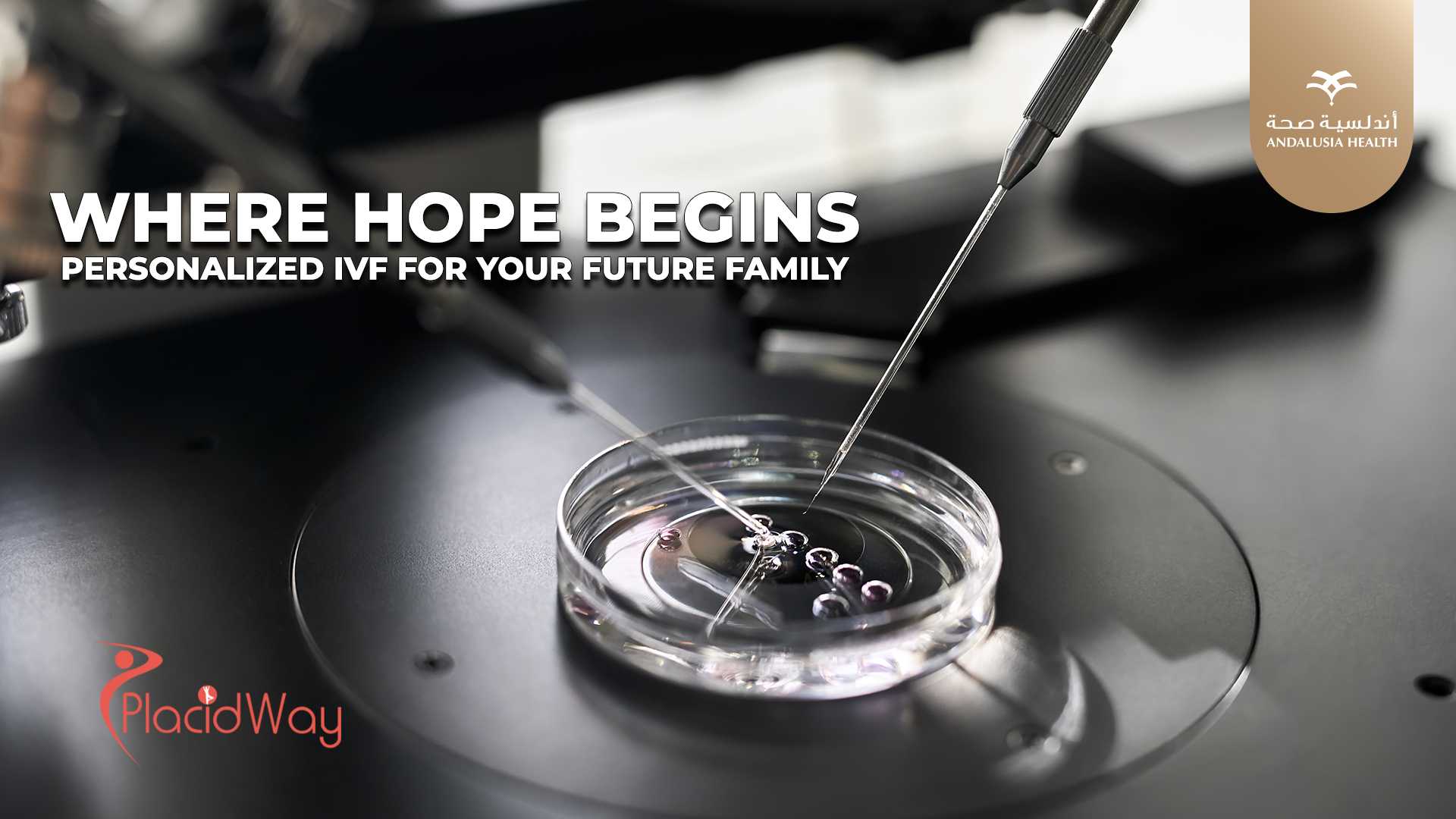
Preserving your eggs is essentially making a deposit for future use; therefore, understanding the success rates of the eventual thawing and fertilization process is critical. IVF in Thailand utilizes state-of-the-art Intracytoplasmic Sperm Injection (ICSI) techniques, where a single robust sperm is injected directly into the thawed egg, bypassing natural fertilization hurdles.
Thanks to modern vitrification methods employed by top-tier facilities, the survival rate for thawed eggs typically exceeds 90%. However, it is essential to maintain realistic expectations: a thawed, surviving egg does not guarantee a successful pregnancy. Outcomes depend heavily on the woman's age at the time of freezing, the quality of sperm used, and uterine receptivity during embryo transfer.
The Timeline of Viability:
Once frozen, oocytes remain biologically suspended in time. An egg frozen at age 30 will retain the reproductive potential of a 30-year-old, regardless of whether it is thawed five, ten, or fifteen years later.
- Thaw Survival Rate: Generally ranges between 90% and 95% with vitrification.
- Fertilization Rate: Approximately 70% to 80% of surviving eggs fertilize successfully via ICSI.
- Blastocyst Development: Roughly 40% to 50% of fertilized eggs reach the crucial Day 5 embryo stage.
- Clinical Pregnancy Rate: Varies significantly based on the age at freezing, typically mirroring IVF success rates for that age group.
Real Experiences of Social Egg Freezing in Thailand
Connecting with the stories of those who have navigated the process provides invaluable insight and reassurance. Women from various professional backgrounds across Southeast Asia have successfully utilized Thailand’s medical infrastructure to take control of their reproductive timelines. Their experiences highlight the professionalism, empathy, and efficiency of the local medical teams.
Below are summaries of experiences from international patients who chose Thailand for their fertility preservation journeys, illustrating the diverse reasons and positive outcomes associated with the procedure.
Professional from Singapore (Age 32)
Frustrated by the high costs and regulatory hurdles in her home country, she traveled to Bangkok. She found the medical team to be exceptionally transparent about the process. She successfully banked 18 mature eggs in a single cycle, describing the experience as empowering and surprisingly stress-free.
Expat Living in Vietnam (Age 35)
Working in a fast-paced corporate role, she sought a reliable medical hub nearby. She appreciated the VIP coordination services that managed her appointments around her tight schedule. The clinical care was meticulous, and she felt thoroughly supported during the hormonal stimulation phase.
Patient from the Philippines (Age 31)
Motivated by a family history of early menopause, she chose Thailand for its affordable technology. She was particularly impressed by the language support and the detailed post-procedure care she received, which eased her anxiety about traveling abroad for surgery.
Entrepreneur from Malaysia (Age 34)
Prioritizing business growth before motherhood, she underwent preservation in a globally accredited facility in Thailand. She valued the strict security protocols for biological storage, giving her confidence that her future family plans were in safe hands.
How PlacidWay Assists Your Egg Freezing Medical Tourism Journey in Thailand
Navigating healthcare in a foreign country requires careful planning, trusted connections, and reliable information. Understanding the nuances of international medical treatments can be overwhelming without the right support system to guide your choices and clarify complex medical protocols.
PlacidWay serves as a crucial bridge connecting patients with accredited global healthcare providers. Through our dedicated platform, you gain access to comprehensive resources that empower you to make informed decisions regarding your reproductive health and future.
- Providing direct access to profiles of internationally accredited reproductive centers.
- Facilitating secure and transparent communication between patients and clinical specialists.
- Supplying detailed comparisons of medical treatments, technology, and facility standards.
- Offering access to patient reviews and objective medical tourism resources.
- Assisting in the initial coordination of virtual medical consultations prior to travel.
Frequently Asked Questions
Is social egg freezing legal in Thailand for international patients?
Yes, social egg freezing is legally permitted in Thailand for both domestic and international patients. The country's medical regulations allow women to preserve their fertility for non-medical reasons under strict ethical guidelines.
How long do I need to stay in Thailand for the egg freezing process?
Patients typically need to stay in Thailand for about 12 to 14 days. This timeframe covers the ovarian stimulation phase, monitoring ultrasounds, the egg retrieval procedure, and initial recovery.
What is the best age to undergo fertility preservation in Thailand?
Medical professionals generally recommend undergoing egg freezing between the ages of 25 and 35. During this window, women typically produce a higher quantity of optimal-quality eggs, increasing future success rates.
Are there side effects associated with the hormonal stimulation?
Most patients experience mild side effects such as bloating, mood swings, headaches, or pelvic discomfort. Severe complications like Ovarian Hyperstimulation Syndrome (OHSS) are rare but possible.
How are the frozen eggs stored safely in Thailand?
Eggs are typically preserved using an advanced fast-freezing technique called vitrification. They are then stored in liquid nitrogen tanks equipped with 24/7 monitoring and backup power systems.
Can I transfer my frozen eggs from Thailand to another country later?
Yes, international shipping of cryopreserved eggs is generally possible through specialized medical courier services. However, it requires compliance with the legal import regulations of your home country.
Does the egg freezing cost in Thailand include annual storage?
The initial procedure cost usually covers the first year of storage. Subsequent years typically require an annual maintenance fee, which varies depending on the medical facility.
What happens if I decide to use my frozen eggs in the future?
When you are ready, the eggs are thawed and fertilized with sperm using Intracytoplasmic Sperm Injection (ICSI). The resulting embryos are then transferred into your uterus via In Vitro Fertilization (IVF).
Is the egg retrieval procedure painful?
The retrieval is performed under light or moderate sedation, so patients generally do not feel pain during the procedure. Mild cramping akin to menstrual pain is common for a few days afterward.
Do I need a special medical visa for egg freezing in Thailand?
Many Southeast Asian citizens can enter Thailand visa-free for up to 30 days, which is usually sufficient for the treatment. If a longer stay is required, a standard tourist or medical visa can be easily obtained.
Ready to take control of your reproductive future? Contact PlacidWay today to explore top-rated fertility clinics and receive comprehensive guidance for your medical journey abroad.
References:
- • Mayo Clinic. Egg Freezing: Why it's done. https://www.mayoclinic.org/diseases-conditions/cancer/in-depth/fertility-preservation/art-20047512
- • American Society for Reproductive Medicine (ASRM). Fertility Preservation. https://www.asrm.org/practice-guidance/coding-resources/coding/coding-summaries/fertility-preservation/
- • Cleveland Clinic. Egg Freezing (Oocyte Cryopreservation).https://my.clevelandclinic.org/health/treatments/17000-fertility-preservationdrome
- • WebMD. What to Know About Freezing Your Eggs. https://www.webmd.com/infertility-and-reproduction/egg-freezing








.jpg)









Share this listing