


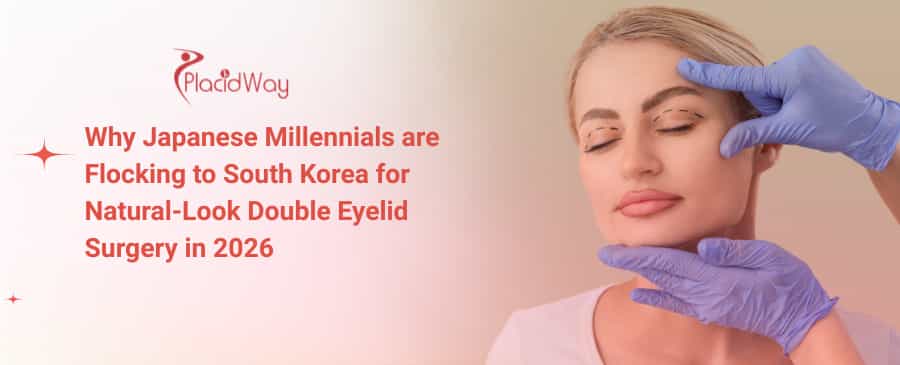
In recent years, an unmistakable shift has occurred within the aesthetic preferences of young adults across East Asia, leading to a surge in cross-border medical travel. Specifically, Japanese millennials are flocking to South Korea in record numbers to undergo natural-look double eyelid surgery. This demographic is increasingly moving away from overly dramatic, artificial enhancements, preferring subtle refinements that honor their natural ethnic features while brightening the eye area.
By 2026, the trend of traveling for cosmetic eye surgery in South Korea has evolved from a niche preference into a mainstream medical tourism movement. South Korean surgeons have mastered the art of nuanced blepharoplasty, combining advanced medical technology with a deep understanding of Asian facial anatomy. For Japanese patients, the short flight, cultural familiarity, and the promise of bespoke, delicate surgical outcomes make the journey highly appealing.
Double eyelid surgery is globally the most frequently performed cosmetic procedure among Asian demographics, and South Korea boasts the highest per capita rate of plastic surgeons worldwide.
- Shift in Aesthetics: Moving from thick, high creases to delicate, natural "in-out" or "in-line" folds.
- Accessibility: Flights between major Japanese cities and Seoul take roughly two hours.
- Advanced Techniques: South Korean clinics frequently pioneer minimally invasive surgical modifications.
Understanding the Asian Blepharoplasty Procedure in South Korea
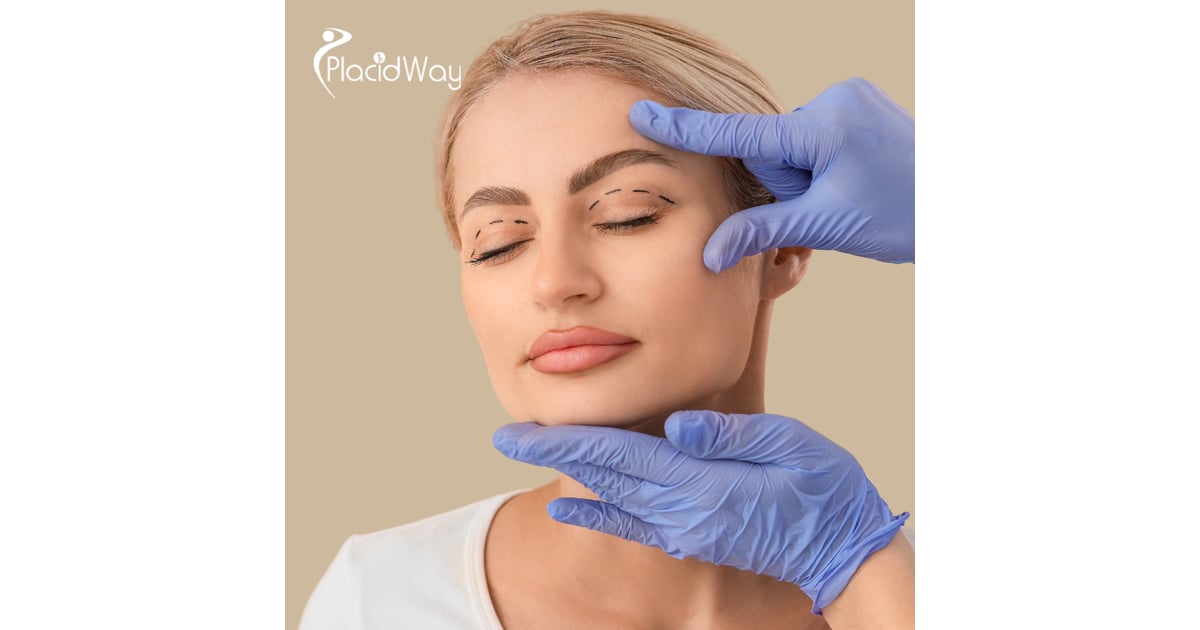
Asian blepharoplasty, commonly referred to as double eyelid surgery, is a specialized procedure designed to create a visible crease in the upper eyelid. Unlike Western blepharoplasty, which typically focuses on anti-aging and removing drooping skin, this procedure aims to construct a dynamic attachment between the eyelid skin and the underlying levator muscle. When performed correctly, this creates a crisp, aesthetically pleasing fold when the eyes are open.
When seeking blepharoplasty in South Korea, patients generally find that surgeons focus heavily on functional safety alongside aesthetic beauty. The goal is to ensure the eyelid functions perfectly, protecting the cornea while achieving a refreshed appearance. Surgeons evaluate the unique thickness of the patient's skin, the amount of orbital fat, and the strength of the eyelid muscles before deciding on a surgical approach.
Approximately 50% of the Asian population is born with a single eyelid (monolid), making the surgical creation of a crease a highly requested procedure for facial harmonization.
- Pre-surgical Analysis: Surgeons measure millimeter precision for crease height.
- Anatomical Focus: Attention is paid to the epicanthal fold, which is unique to Asian eyes.
- Customized Outcomes: The crease shape is tailored to fit the patient's overall facial structure.
Why Japanese Patients Choose South Korea for Eyelid Surgery
The decision to travel for medical tourism in South Korea is rarely made lightly, but for Japanese millennials, the advantages often outweigh the convenience of staying home. South Korea’s medical infrastructure is renowned for its hyper-specialization; many surgeons dedicate their entire careers solely to aesthetic eye procedures. This intense focus generally results in a level of artistry and precision that is difficult to find elsewhere.
Furthermore, the influence of modern beauty standards plays a significant role in this migration. Japanese patients often look toward South Korean cosmetic trends, which heavily favor an "effortless" and vibrant look. Seeking eyelid surgery clinics in South Korea allows these patients to access the very doctors who have shaped these contemporary, natural-looking aesthetic standards.
Aiko's Journey to Confidence
"I always wanted a subtle eyelid crease but was worried it would look fake. Traveling to Seoul allowed me to find a surgeon who perfectly understood the 'natural-look' I was after. The process was incredibly smooth, and the results blend perfectly with my facial features."
- Hyper-Specialization: Access to surgeons who perform thousands of eye surgeries annually.
- Trend Alignment: Alignment with the popular "natural beauty" aesthetic preferred in East Asia.
- Comprehensive Care: Clinics often provide dedicated translators and premium post-operative care.
Affordable Double Eyelid Surgery Cost in South Korea Compared to Japan
One of the most compelling reasons driving this medical travel trend is the highly competitive double eyelid surgery cost in South Korea. Due to the high density of specialized clinics in areas like Gangnam, the market is driven by competitive pricing without compromising on medical standards. For Japanese millennials managing their finances, the ability to receive world-class care at a reasonable price point is a major deciding factor.
When comparing the affordable double eyelid surgery in South Korea to domestic prices in Japan, patients often find that even with flights and accommodation factored in, the total expenditure is comparable or less. Moreover, the robust medical tourism ecosystem means that international patients frequently receive transparent, all-inclusive estimates before they travel.
| Procedure Name | Average Cost in South Korea | Average Cost in Japan |
|---|---|---|
| Non-Incisional Double Eyelid | $1,000 - $1,500 | $2,000 - $3,000 |
| Incisional Double Eyelid | $1,500 - $2,500 | $3,000 - $4,500 |
| Epicanthoplasty (Add-on) | $500 - $1,000 | $1,000 - $2,000 |
When evaluating costs, always ask if the quoted price includes anesthesia, facility fees, and post-operative medications to ensure you are comparing apples to apples.
Popular Techniques for Natural Double Eyelid Surgery in South Korea
Achieving a seamless, undetectable result relies heavily on the surgical approach chosen by the medical professional. In South Korea, techniques are broadly divided into two categories: incisional and non-incisional (suture-based) methods. The non-incisional method, often called the "burial method," is incredibly popular among younger patients as it generally involves minimal downtime and leaves no visible linear scarring.
Conversely, the incisional method is typically recommended for patients who have thicker eyelid skin or excess orbital fat. Advanced Korean blepharoplasty techniques often involve a partial-incision approach, which offers a middle ground. This allows the surgeon to remove a small amount of fat through tiny micro-incisions while using sutures to create a durable, natural-looking fold.
South Korean surgeons frequently utilize multi-point suture techniques for non-incisional surgeries, creating a more secure and longer-lasting crease compared to traditional single-loop methods.
- Non-Incisional Method: Ideal for thin eyelids without excess fat; quick recovery.
- Full Incisional Method: Best for prominent eyes, excess skin, or puffy eyelids; permanent results.
- Partial Incisional Method: Combines tiny cuts for fat removal with suture techniques for a natural finish.
Top Benefits of Getting Blepharoplasty in South Korea
Patients pursuing blepharoplasty in South Korea enjoy a multitude of benefits that extend beyond the operating table. The country's medical facilities are renowned for their cutting-edge technology, stringent hygiene protocols, and comfortable, patient-centric environments. This commitment to excellence generally ensures that international patients feel safe and well-cared for throughout their journey.
Another distinct advantage is the tailored approach to beauty. Surgeons understand that the goal of a natural-look double eyelid surgery is not to Westernize the eye, but to enhance the patient's innate features. This sophisticated understanding of ethnic aesthetics typically results in outcomes that are harmonious, balanced, and highly customized to the individual.
Kenji's Experience
"As a man getting cosmetic surgery, I was worried about looking 'overdone.' The clinic in Seoul was fantastic. The surgeon recommended a very low, in-line crease. The result is so subtle that my friends just think I look more rested."
- State-of-the-Art Facilities: Access to modern surgical tools and sterile environments.
- Ethnic Sensitivity: Deep understanding of Asian facial harmony and preservation of ethnic identity.
- Efficient Timelines: Streamlined consultation, surgery, and follow-up processes designed for international travelers.
Preparing for Your Cosmetic Eye Surgery in South Korea
Proper preparation is critical for ensuring a smooth surgical experience and optimal healing. Before traveling for eyelid surgery in South Korea, patients should engage in thorough virtual consultations. These initial discussions allow the surgeon to assess the patient's eye structure, review medical history, and set realistic expectations for the outcome.
In the weeks leading up to the trip, patients are generally advised to cease smoking, avoid alcohol, and pause the use of blood-thinning medications or supplements. Preparing for medical tourism in South Korea also means organizing travel logistics, ensuring your passport is valid, and planning a comfortable space for your initial recovery days in Seoul.
Patients with pre-existing eye conditions, such as severe dry eye syndrome, glaucoma, or retinal detachment issues, must disclose these to their surgeon. These conditions may serve as strict contraindications for elective eyelid surgery.
- Virtual Consultations: Share high-quality, unedited photos of your eyes in natural lighting.
- Medication Review: Stop taking aspirin, ibuprofen, and certain herbal supplements to reduce bleeding risks.
- Packing Essentials: Bring sunglasses, a travel neck pillow for sleeping upright, and comfortable clothing.
What to Expect During Eyelid Surgery Recovery in South Korea
The post-operative phase requires patience and adherence to the surgeon's guidelines. Following a double eyelid surgery, patients typically experience swelling, mild bruising, and a feeling of tightness around the eyes. If a non-incisional method was used, the swelling generally subsides much faster, often allowing patients to look presentable within a week.
For those who underwent incisional methods, sutures are usually removed five to seven days post-surgery. During this recovery period at an eyelid surgery clinic in South Korea, patients are instructed to use cold compresses, keep their heads elevated, and attend scheduled follow-up appointments. Most patients report that the procedure involves more mild discomfort than actual pain.
While initial swelling goes down within weeks, it can take up to six months for the eyelid tissues to fully settle and reveal the final, permanent crease shape.
- First 48 Hours: Maximum swelling occurs; diligent icing is highly recommended.
- Days 5-7: Suture removal (if applicable); bruising begins to fade to yellow.
- Weeks 2-4: Majority of visible swelling resolves; normal social activities can typically resume.
Evaluating the Best Blepharoplasty Clinics in South Korea
Selecting the right facility is arguably the most important step in your medical travel journey. The best blepharoplasty clinics in South Korea are typically distinguished by their board-certified plastic surgeons, transparent communication, and extensive portfolios of verifiable before-and-after cases. It is vital to look for clinics that prioritize patient safety over high-volume turnover.
When researching affordable double eyelid surgery in South Korea, do not base your decision on price alone. Investigate the clinic's credentials, the surgeon's specific training in ophthalmologic plastic surgery, and the availability of in-house translation services. Trustworthy clinics will never pressure you into unnecessary additional procedures.
Look for surgeons certified by the Korean Society of Plastic and Reconstructive Surgeons (KPRS), as this indicates they have completed rigorous training specific to plastic surgery.
- Verify Credentials: Ensure the surgeon is a fully qualified plastic surgeon, not a general practitioner.
- Analyze Portfolios: Look for patients with similar "before" eye shapes to yours.
- Check Reviews: Read international patient testimonials regarding post-operative care and communication.
Risks and Safety Considerations for Eyelid Surgery in South Korea
While cosmetic eye surgery is widely performed and generally safe, it remains a medical procedure with inherent risks. Patients traveling for a blepharoplasty in South Korea must be aware of potential complications, which can include temporary dry eyes, blurred vision, or mild asymmetry between the two eyelids. Cautious planning and selecting a highly skilled surgeon mitigate many of these risks.
More severe, though rare, complications can include infection, adverse reactions to local anesthesia, or the need for revision surgery if the crease loosens over time. Reputable clinics prioritize safety by conducting thorough pre-operative blood tests and maintaining strict sterilization standards to protect international patients.
Yumi's Cautionary Tale Turned Success
"I almost booked with a clinic just because they were cheap. Thankfully, I did more research and chose a board-certified surgeon. I experienced some minor dry eyes during week one, but my doctor was available on WhatsApp to guide me through it safely. The peace of mind was worth every penny."
- Common Side Effects: Temporary swelling, bruising, and tightness.
- Aesthetic Risks: Minor asymmetry or crease height that appears too high during initial swelling.
- Medical Risks: Infection or prolonged dry eye symptoms, requiring eye drops.
Combining Double Eyelid Surgery with Other Procedures in South Korea
To achieve a comprehensive enhancement of the eye area, many patients opt to combine their primary surgery with complementary procedures. When undergoing cosmetic eye surgery in South Korea, a common addition is epicanthoplasty. This procedure involves making a tiny incision at the inner corner of the eye to release the epicanthal fold, resulting in wider, more open-looking eyes.
Another frequently combined procedure is ptosis correction, which addresses a weak levator muscle that causes the eyelid to droop over the pupil. By combining these treatments, patients can maximize their time during medical tourism in South Korea, addressing multiple aesthetic and functional concerns in a single recovery period.
Combining double eyelid surgery with ptosis correction not only improves facial aesthetics but can also alleviate forehead wrinkles, as patients no longer have to raise their eyebrows to open their eyes fully.
- Epicanthoplasty: Extends the horizontal length of the eye at the inner corner.
- Lateral Canthoplasty: Elongates the outer corner of the eye for a softer appearance.
- Ptosis Correction: Tightens the eye muscle to prevent a sleepy or drooping look.
Navigating Medical Tourism in South Korea for Japanese Patients
The cultural and geographical proximity between Japan and South Korea makes the logistical aspect of this medical journey highly manageable. The robust infrastructure for medical tourism in South Korea is well-equipped to handle Japanese patients, with many major clinics situated in Seoul employing fluent Japanese translators and international patient coordinators.
Understanding the nuances of traveling for affordable double eyelid surgery in South Korea involves planning your stay around follow-up appointments. Most patients arrange a comfortable hotel near their clinic in areas like Gangnam or Apgujeong, allowing for easy transit to the clinic for check-ups and suture removal before flying home.
Rina's Smooth Travel Experience
"I was nervous about the language barrier, but the clinic had a dedicated Japanese coordinator who stayed by my side from consultation to the operating room. Being able to navigate Seoul easily made my recovery feel like a relaxing vacation."
- Language Support: Ensure your chosen facility offers dedicated in-house translation.
- Transportation: Seoul's subway system is highly accessible, though taxis are recommended immediately post-surgery.
- Post-Op Care: Plan to stay in South Korea for at least 5 to 7 days for safe monitoring.
How PlacidWay Assists Your Double Eyelid Surgery Journey in South Korea
Embarking on a cross-border healthcare journey requires trust, research, and expert guidance. PlacidWay serves as a premier medical tourism platform, dedicated to connecting international patients with top-tier healthcare providers worldwide. We streamline the process of finding the right provider for your specific needs.
Navigating international healthcare options can be overwhelming, but utilizing a structured platform simplifies your research. Here is how PlacidWay facilitates your pathway to safe and effective medical care:
- Provider Matching: Connecting you with highly rated, board-certified surgeons specialized in Asian blepharoplasty.
- Credential Verification: Showcasing clinics that adhere to strict international healthcare standards.
- Transparent Estimates: Providing clear, upfront pricing structures for various surgical techniques.
- Patient Education: Offering comprehensive resources to help you understand the risks and benefits of your procedure.
- Multilingual Support Access: Facilitating communication between you and international patient coordinators at your chosen clinic.
Frequently Asked Questions About Eyelid Surgery in South Korea
When considering an international cosmetic procedure, having clear, accurate information is vital. Below, we address some of the most common inquiries patients have regarding the surgical journey, expected outcomes, and the recovery process.
These FAQs are designed to provide foundational knowledge. However, always remember that individual consultations with a certified medical professional are necessary to address your unique anatomical needs and medical history.
How long does recovery from double eyelid surgery typically take in South Korea?
Most patients experience the most significant swelling during the first week after surgery. Generally, patients can return to normal social activities within two to three weeks, though complete healing may take several months.
Is non-incisional eyelid surgery better than incisional?
Neither technique is universally better; the choice depends entirely on your eyelid anatomy and skin thickness. Non-incisional methods are typically suited for thinner skin, while incisional methods are generally required for removing excess fat or skin.
Do Japanese citizens need a visa for medical tourism in South Korea?
Currently, Japanese citizens typically do not need a visa for short-term visits to South Korea, which covers most recovery periods for cosmetic procedures. Always check the latest immigration policies before booking your travel.
Are the results of double eyelid surgery permanent?
Incisional double eyelid surgery generally provides permanent results, though natural aging will continue to affect the eye area. Non-incisional methods are long-lasting but may occasionally loosen or require a revision after several years.
What is the average double eyelid surgery cost in South Korea?
The cost typically ranges between $1,000 and $2,500 depending on the complexity of the technique and whether additional procedures like epicanthoplasty are included. This is generally much more affordable than comparable treatments in Japan.
Is it safe to fly back to Japan immediately after eyelid surgery?
Surgeons generally recommend waiting at least five to seven days before flying, usually until after the stitches are removed. Flying too soon can exacerbate swelling due to cabin pressure changes.
Will there be visible scarring after the procedure?
Non-incisional methods typically leave no visible linear scars. Incisional methods do leave a scar hidden within the new eyelid crease, which generally fades over time and becomes highly discreet.
Can I wear makeup and contact lenses during recovery?
You will generally need to avoid eye makeup and contact lenses for at least two weeks post-surgery to prevent infection. Your surgical team will provide specific timelines based on your individual healing process.
What happens during a consultation for Asian blepharoplasty?
During the consultation, the surgeon will assess your eyelid skin, fat distribution, and facial symmetry. They will typically use a special tool to demonstrate potential crease heights and help you choose a natural-looking outcome.
How do I choose the right clinic for eyelid surgery in South Korea?
Focus on finding board-certified plastic surgeons with extensive experience in Asian blepharoplasty. Reviewing before-and-after photos, checking international patient reviews, and consulting through platforms like PlacidWay can guide your decision.
References
- National Center for Biotechnology Information (NCBI). Asian Blepharoplasty: Anatomy and Technique. https://pubmed.ncbi.nlm.nih.gov/3154592/
- International Society of Aesthetic Plastic Surgery (ISAPS). Global Statistics on Cosmetic Procedures. https://www.isaps.org/discover/about-isaps/global-statistics/
- American Society of Plastic Surgeons (ASPS). Eyelid Surgery (Blepharoplasty). https://www.plasticsurgery.org/cosmetic-procedures/eyelid-surgery
- Cleveland Clinic. Blepharoplasty (Eyelid Surgery). https://my.clevelandclinic.org/health/treatments/8409-eyelid-surgery-blepharoplasty
- Mayo Clinic. Blepharoplasty. https://www.mayoclinic.org/tests-procedures/blepharoplasty/about/pac-20385174
.jpg)




.jpg)








Share this listing