
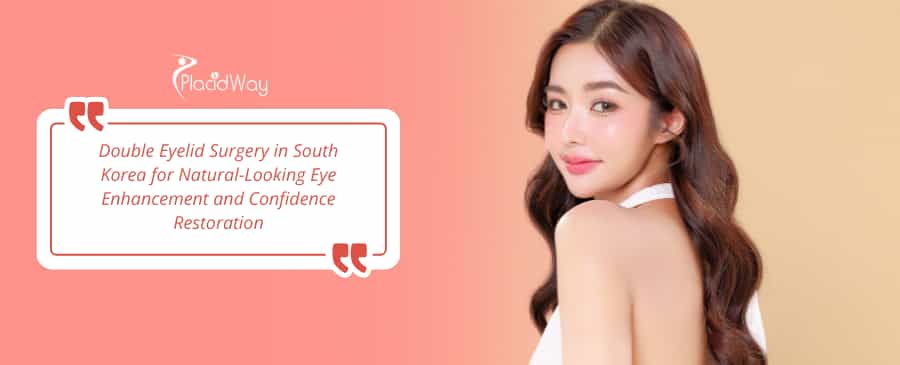
South Korea is widely recognized as the plastic surgery capital of the world, with double eyelid surgery (blepharoplasty) being the most frequently performed procedure. For international patients, Seoul offers a unique combination of advanced medical technology, highly specialized surgeons, and an aesthetic philosophy deeply rooted in creating natural, harmonious results. Whether you are seeking to define a crease, correct asymmetry, or address drooping eyelids (ptosis), clinics in Gangnam and across Seoul provide world-class care at a fraction of Western prices.
Key Takeaways: Blepharoplasty in Seoul
Choosing South Korea for your eye surgery means accessing surgeons who perform thousands of eyelid procedures annually, ensuring a level of precision rarely found elsewhere. Packages often include airport transfers, translation services, and post-op deswelling treatments.
- ? Significant Cost Savings: Save 40-60% compared to prices in the US or UK without compromising quality.
- ? Technique Variety: Access to advanced Non-incisional (Suture), Partial Incision, and Full Incision methods tailored to Asian eye anatomy.
- ? Average Costs:
- South Korea: $1,500 – $3,500
- Thailand: $800 – $2,500
- USA: $4,000 – $8,000+
- ? Package Inclusions: Comprehensive quotes typically cover surgeon fees, anesthesia, facility costs, and 1-3 post-op checkups.
Why Choose South Korea for Blepharoplasty?
Beyond competitive pricing, South Korea attracts patients globally due to its hyper-specialization in Asian eye anatomy. Surgeons here prioritize a "natural adhesion" look that avoids the startled, over-corrected appearance sometimes seen in Western blepharoplasty.
The primary reason patients flock to Seoul for eyelid surgery is the unparalleled level of expertise. In top districts like Gangnam, many surgeons focus exclusively on eye procedures, refining techniques to minimize scarring and speed up recovery. Korean surgeons are masters of the "dynamic crease," which ensures the double eyelid looks natural both when the eyes are open and closed.
Furthermore, medical tourism infrastructure in Korea is highly developed. Clinics routinely employ in-house English, Chinese, and Russian translators, and the government strictly regulates hospitals attracting foreign patients, ensuring they meet safety standards equivalent to JCI accreditation or ISO certification.
"The concept of 'customized design' is critical in Korean blepharoplasty. Surgeons don't just create a fold; they analyze the patient's facial ratio to decide between an In-fold (natural, starts from inner corner), Out-fold (Western style, parallel to eye), or In-Out fold (starts narrow, gets wider). This attention to detail is why eyelid surgery in Seoul delivers such harmonious results."
Types of Double Eyelid Procedures Available in Seoul
Korean clinics offer a spectrum of techniques ranging from non-invasive suture methods to comprehensive surgical corrections. The choice depends largely on eyelid skin thickness, fat volume, and muscle strength.
1. Non-Incisional (Buried Suture) Method
This is the most popular method for younger patients or those with thin eyelids and no excess fat. The surgeon creates tiny punctures along the eyelid and uses a single continuous thread or individual sutures to create the crease.
Pros: Minimal swelling, no visible scarring, fast recovery (3-5 days).
Cons: Higher chance of the fold loosening over time; not suitable for thick/puffy eyes.
2. Full Incisional Method
The incisional double eyelid surgery involves a full cut along the eyelid crease. This allows the surgeon to remove excess skin, muscle, and orbital fat before suturing the skin to the muscle to create a permanent fold.
Pros: Permanent results, highly defined crease, can address puffy eyes (fat removal).
Cons: Longer recovery (2 weeks+ for major swelling), visible scar line (fades over months).
3. Partial Incision Method
A hybrid approach where a small incision (usually 1-2 cm) is made to remove a small amount of fat, combined with the suture method to define the crease. This offers a balance between the permanence of the incisional method and the faster recovery of the suture method.
4. Ptosis Correction
Often performed simultaneously with blepharoplasty, ptosis correction targets the levator muscle responsible for lifting the eyelid. It is essential for patients with "sleepy eyes" where the eyelid covers more than 1-2mm of the iris. In Korea, this can often be done non-incisionally for mild cases.
South Korea has one of the highest densities of plastic surgeons per capita in the world. In the Gangnam district alone, there are over 500 clinics concentrated in a few square miles, driving intense competition that keeps technology cutting-edge and blepharoplasty costs relatively stable despite high demand.
Step-by-Step Treatment Journey in South Korea
For international patients, the process is streamlined to maximize efficiency during a short stay. Most cosmetic clinics in Seoul are experienced in compressing the timeline without sacrificing safety.
1. Consultation and Design
Upon arrival, you will have a detailed face-to-face consultation. The surgeon will use a metal probe to simulate different crease heights and shapes on your eyelid to agree on the desired look. Photos are taken for medical records.
2. The Procedure
Surgery is typically performed under local anesthesia with IV sedation (twilight sleep). You will be asleep for the anesthetic injection but may be woken up briefly during the procedure to open your eyes so the surgeon can check symmetry. The surgery takes 30 to 60 minutes.
3. Immediate Post-Op & Recovery
You can leave the clinic immediately after the anesthesia wears off. You will be given a "pumpkin juice" drink (a popular Korean remedy for swelling) and a cold pack. Stitches for incisional methods are removed 5-7 days later.
Cost of Double Eyelid Surgery in South Korea vs. Global Prices
While not the cheapest destination in Asia, South Korea offers the best value proposition when weighing cost against the sophistication of the medical outcome and facility standards.
| Procedure Type | South Korea (Avg) | USA (Avg) | Thailand (Avg) | Recovery (Social) |
|---|---|---|---|---|
| Non-Incisional | $1,200 - $2,500 | $3,500 - $5,500 | $700 - $1,500 | 3 - 7 Days |
| Full Incision | $2,000 - $4,000 | $5,000 - $8,000+ | $1,000 - $2,500 | 2 Weeks |
| Revision Surgery | $3,000 - $6,000+ | $8,000 - $12,000 | $2,000 - $4,000 | 2 - 3 Weeks |
| Epicanthoplasty | $800 - $1,500 | $2,500 - $4,000 | $500 - $1,000 | 1 Week |
*Note: Prices are estimates and can vary based on the clinic reputation, surgeon experience, and exchange rates.
"Many patients combine procedures to maximize their trip. A common combination is Double Eyelid Surgery + Epicanthoplasty (inner corner widening) or Lateral Canthoplasty (outer corner widening). Korean surgeons are experts at these 'Dual' or 'Triple' eye surgeries to dramatically change the eye shape while maintaining balance."
Recovery and Aftercare for International Patients
Proper aftercare is pivotal for minimizing scarring and swelling. Korean clinics often provide complimentary 'deswelling treatments' such as LED light therapy or oxygen chambers.
International patients typically stay in Korea for 7 to 10 days. This allows enough time for the initial consultation, surgery, and stitch removal (usually on day 5 or 7). Before flying home, the surgeon will perform a final check to ensure the incision is healing correctly.
- Day 1-3: Maximum swelling. Use cold packs 15 mins/hour. Sleep with head elevated.
- Day 5-7: Stitch removal. Swelling starts to subside rapidly. Warm compresses may be recommended.
- Week 2: Makeup can cover residual bruising. Return to non-strenuous work.
- Month 3-6: Final results visible. Incision lines fade to skin color.
Finding the Best JCI-Accredited Clinics in Seoul
Navigating the hundreds of clinics in Gangnam can be overwhelming. Prioritizing accreditation and board certification is the safest way to ensure quality care.
When searching for a clinic, look for those that specialize in eye surgery rather than "factory" clinics that do everything. Reliable clinics will display their surgeons' board certifications from the Korean Society of Plastic and Reconstructive Surgeons (KSPRS). Additionally, top-tier facilities often hold JCI (Joint Commission International) accreditation or KAHF (Korean Accreditation Program for Hospitals Serving Foreign Patients), indicating they meet rigorous global safety standards.
International tourists in Korea have historically been eligible for a VAT (Value Added Tax) Refund of approximately 10% on cosmetic procedures. While this program has been popular, regulations change annually. It is vital to check with your clinic or a medical tourism provider about the current status of tax refunds for medical services in 2026.
Frequently Asked Questions
How much does double eyelid surgery cost in South Korea?
On average, primary double eyelid surgery costs in South Korea between $1,500 and $3,500 USD. Revisions or complex cases involving ptosis correction can range from $3,000 to over $6,000 USD.
Is double eyelid surgery in Korea painful?
Patients rarely feel pain during the surgery due to local anesthesia and sedation. Post-surgery, the pain is usually mild—often described as a tight or bruised feeling—and can be managed with over-the-counter painkillers.
How long is the recovery time?
You can typically return to social activities within 1 to 2 weeks once major swelling subsides and stitches are removed. However, the eyelids will look fully natural after 3 to 6 months when all internal healing is complete.
What is the difference between incisional and non-incisional methods?
Non-incisional (suture) uses threads to create a fold without cutting, offering fast recovery but less permanence. Incisional involves cutting skin to remove fat and muscle, providing a permanent crease suitable for thick or droopy eyelids.
Do I need to remove stitches?
Yes, if you have incisional surgery, stitches are usually removed 5 to 7 days post-op. Non-incisional methods often use buried sutures that dissolve or remain under the skin and do not need removal.
Can I wear makeup after surgery?
You should avoid eye makeup for at least 2 weeks to prevent infection in the incision lines. Face makeup can be worn earlier, avoiding the eye area.
Is it safe to have surgery in Korea?
Yes, provided you choose a reputable, government-approved clinic. Korea has high medical standards, but "ghost surgery" (unauthorized substitution of surgeons) is a rare risk, so choose clinics with transparent practices and verified reviews.
What is Ptosis correction?
Ptosis correction is a muscle-tightening procedure for people with weak eyelid muscles (droopy eyes). It helps the eyes open wider and is often combined with double eyelid surgery for a brighter, more alert look.
When can I fly home?
Most patients can fly home shortly after stitch removal (Day 7). If you had non-incisional surgery, you might be able to fly home after 3-4 days, but staying for a week is recommended for follow-ups.
Ready to Enhance Your Gaze?
Achieving the perfect, natural-looking double eyelid requires a master's touch. PlacidWay partners with South Korea's top-rated, JCI-accredited clinics to bring you exclusive packages for blepharoplasty and eye enhancement.
Get a free, no-obligation quote today and let our medical care team guide you to the best cosmetic surgeons in Seoul tailored to your specific eye shape and aesthetic goals.
Get a Free Quote for Surgery in Korea.png)
.png)
.jpg)
.png)

.jpg)
.jpg)
.jpg)
.jpg)








Share this listing