


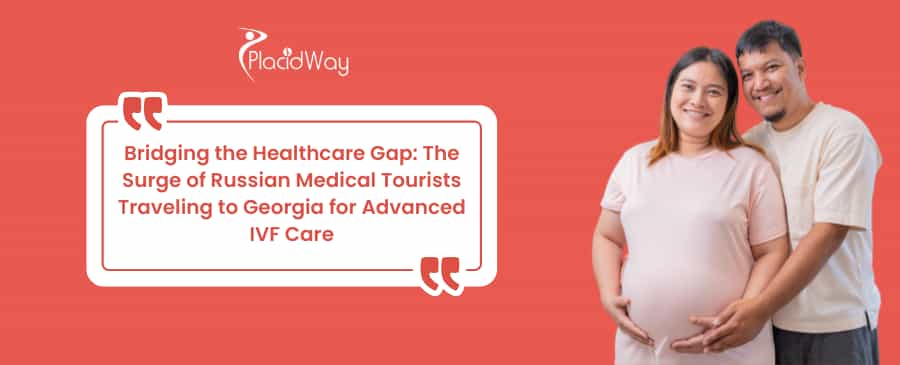
In recent years, the landscape of global healthcare has shifted significantly, resulting in a notable surge of international patients seeking specialized reproductive treatments across borders. Among these emerging trends, the movement of Russian medical tourists traveling for IVF in Georgia has become a prominent bridge over the regional healthcare gap. Couples facing complex infertility challenges are increasingly looking beyond their home country to find modern, legally secure, and medically advanced fertility solutions.
This cross-border medical journey is largely driven by a desire for comprehensive, cutting-edge reproductive care that aligns with international standards. Georgia has rapidly modernized its healthcare infrastructure, positioning itself as a premier hub for medical tourism in Georgia. For Russian couples, the combination of highly skilled reproductive endocrinologists, accessible geography, and an empathetic approach to family building creates an ideal environment for navigating the emotional complexities of in vitro fertilization.
Georgia has been actively developing its reproductive health sector since the late 1990s, making it one of the earliest adopters of advanced fertility laws in the region.
Why Choose Georgia for Advanced Fertility Treatments?
The decision to pursue fertility treatment abroad is deeply personal and requires careful consideration of medical expertise, legal safety, and overall patient experience. Many international intended parents choose Georgia for its robust regulatory framework, which firmly protects the rights of those undergoing assisted reproductive technology. The country’s commitment to healthcare excellence ensures that patients have access to state-of-the-art laboratory environments and sophisticated diagnostic tools vital for successful embryology.
Furthermore, the cultural and linguistic compatibility plays a vital role in reducing the stress typically associated with medical travel. Russian patients find immense comfort in seamless communication, as the Russian language is widely spoken among medical professionals and support staff in IVF clinics in Georgia. This cultural familiarity, paired with a renowned tradition of Georgian hospitality, transforms a clinical medical procedure into a supported, holistic healthcare journey.
Modern fertility clinics in Georgia adhere to strict European and international protocols, regularly participating in external quality control assessments to maintain high clinical standards.
Comprehensive Overview of the In Vitro Fertilization Process
In Vitro Fertilization is a multi-step medical process designed to assist couples who have been unable to conceive naturally. The journey begins with a thorough medical evaluation, where fertility specialists conduct detailed hormonal and ultrasound assessments to tailor a specific protocol for the patient. After formulating a customized plan, the female patient typically undergoes controlled ovarian hyperstimulation, utilizing carefully monitored medications to encourage the development of multiple viable eggs.
Once the follicles reach optimal maturity, a minimally invasive surgical procedure is performed under light sedation to retrieve the eggs. These eggs are then securely transported to an advanced embryology laboratory where they are fertilized with sperm, and the resulting embryos are closely monitored for several days. Finally, the highest quality embryo is selected and delicately transferred into the patient's uterus, with any remaining viable embryos safely cryopreserved for potential future use.
- Initial Consultation and Diagnostics: Comprehensive blood tests, genetic screenings, and pelvic ultrasounds.
- Ovarian Stimulation: 10 to 14 days of injectable hormonal medications to stimulate follicle growth.
- Egg Retrieval: A brief outpatient procedure performed using ultrasound guidance.
- Fertilization and Cultivation: Combining gametes in the lab and monitoring embryo cellular division for 3 to 5 days.
- Embryo Transfer: A painless procedure inserting the selected embryo into the uterine lining.
Affordable IVF Cost in Georgia Compared to Russia
Financial considerations are frequently a defining factor when couples are evaluating their fertility treatment options. The affordable IVF in Georgia offers a distinct financial advantage for Russian tourists, presenting world-class medical services at a fraction of the cost found in many Western European nations or premium clinics in Moscow and St. Petersburg. Patients are empowered to undergo complex, highly specialized procedures without encountering the prohibitive financial barriers common in their domestic healthcare markets.
Understanding the IVF cost in Georgia involves looking at inclusive packages that generally cover stimulation monitoring, egg retrieval, fertilization, and embryo transfer. While standard IVF provides an economical baseline, specialized sub-treatments like ICSI (Intracytoplasmic Sperm Injection) or PGT-A (Preimplantation Genetic Testing) will adjust the overall investment. By comparing realistic market ranges, intended parents can confidently plan their medical budget.
| Procedure Name | Average Cost in Georgia (USD) | Cost Comparison with Russia (USD) |
|---|---|---|
| Standard IVF Cycle | $3,000 - $4,500 | $4,500 - $6,500 |
| IVF with ICSI | $3,500 - $5,000 | $5,500 - $7,500 |
| IVF with Egg Donation | $6,000 - $8,500 | $8,000 - $12,000 |
| PGT-A Screening (per embryo) | $350 - $500 | $500 - $800 |
Legal and Ethical Framework for Reproductive Medicine in Georgia
One of the strongest magnets drawing Russian patients to the Caucasus region is the transparent, highly supportive legal environment governing assisted reproduction. Georgian law explicitly protects the rights of heterosexual couples seeking fertility assistance, including complex arrangements involving gamete donation and surrogacy. Upon the birth of a child via these advanced reproductive methods, the intended parents are legally recognized as the sole legal parents from the moment of conception.
This progressive legislative approach drastically reduces the legal anxieties that often accompany third-party reproduction in other jurisdictions. Ethics committees actively oversee clinical practices to ensure that donor anonymity is respected and that all parties provide informed, voluntary consent. This secure legal structure provides international patients with invaluable peace of mind during an inherently emotional journey.
Under current Georgian legislation, certain advanced reproductive services, such as commercial surrogacy, are legally restricted to married or cohabiting heterosexual couples. Always consult with a specialized legal advisor in Georgia to confirm your eligibility before initiating treatment.
Advanced Reproductive Technologies Available in Georgia
To effectively address complex cases of infertility, specialists require access to the most sophisticated clinical technologies available globally. Fertility centers in Georgia are highly equipped with modern embryology laboratories that routinely perform advanced micromanipulations, significantly elevating the potential for successful fertilization. Techniques such as ICSI ensure that severe male-factor infertility can be successfully bypassed by directly injecting a single, morphologically sound sperm into the mature egg.
Beyond fertilization, genetic screening technologies play a critical role in modern advanced fertility treatments. Preimplantation Genetic Testing (PGT) allows embryologists to analyze blastocysts for chromosomal abnormalities prior to transfer. By utilizing time-lapse incubators and magnetic cell sorting (MACS) for sperm selection, Georgian clinics are able to offer international patients the same cutting-edge scientific advantages found in top-tier Western facilities.
Time-lapse embryo incubators allow embryologists in Georgia to monitor cell division 24/7 without removing the embryos from their controlled environment, leading to better selection of the most viable blastocyst.
Evaluating Success Rates and Realistic Expectations for IVF
Understanding clinical success rates is essential for medical tourists preparing for their reproductive journey. While modern science has drastically improved outcomes, success rates for IVF generally depend on a multitude of individual biological factors, with maternal age being the most significant variable. Clinics in Georgia maintain high success rates that are highly competitive on an international scale, particularly for patients utilizing donor gametes or comprehensive genetic screening.
It is vital for international patients to approach their treatment with realistic, medically grounded expectations. Reputable fertility specialists will never guarantee a pregnancy; instead, they provide transparent, data-driven probabilities based on a patient's unique diagnostic profile. Most patients experience successful outcomes after one to three carefully managed IVF cycles, emphasizing the importance of patience and clinical consistency.
Cumulative live birth rates for IVF patients generally range from 40% to 50% for women under 35, highlighting the effectiveness of modern reproductive interventions when performed in advanced clinical settings.
Preparing Physically and Mentally for Fertility Treatment Abroad
Embarking on a medical tourism journey for IVF requires thorough physiological and emotional preparation. Patients are typically advised to optimize their physical health several months prior to treatment by adopting a nutrient-rich diet, eliminating alcohol and nicotine, and taking appropriate prenatal supplements like folic acid. Regulating sleep patterns and maintaining moderate exercise can also help create an optimal bodily environment for impending hormonal stimulation and embryo transfer.
The psychological aspect of fertility travel is equally demanding, as navigating medical procedures in a foreign country can induce notable stress. Building a strong emotional support system, whether through a supportive partner, professional counseling, or specialized patient coordinators, is crucial for maintaining mental resilience. Being well-prepared mentally helps patients handle the inevitable waiting periods and emotional fluctuations associated with hormone therapies.
Organize all your past medical records, operative notes, and diagnostic lab results into a secure digital folder before traveling. Having immediate access to your medical history helps your Georgian specialist tailor your protocol perfectly.
The Role of Egg and Sperm Donation in Georgian IVF Clinics
For individuals facing severe diminished ovarian reserve, premature menopause, or complex male-factor infertility, third-party reproduction serves as a vital pathway to parenthood. Georgian clinics offer extensive, legally protected donor programs that provide access to rigorously screened egg and sperm donors. Donors undergo exhaustive genetic, psychological, and infectious disease testing to ensure the highest standards of safety and gamete quality.
Georgian law ensures strict anonymity for donors while providing intended parents with comprehensive non-identifying profiles, including physical characteristics, educational background, and blood type. This regulated access to high-quality donor material has transformed the reproductive prospects for many Russian medical tourists who might otherwise face prolonged waiting lists or strict legal limitations in their home country.
Elena and Dmitry’s Experience
After multiple failed cycles in Moscow due to low ovarian reserve, Elena and her husband traveled to Georgia to explore egg donation. They appreciated the extensive donor database and the compassionate care they received. Today, they are celebrating the arrival of their healthy baby boy.
Anna’s Journey to Motherhood
Facing complex genetic challenges, Anna sought out a Georgian clinic equipped with advanced PGT-A screening and a reputable sperm donor bank. The transparent legal process and clear communication with her Russian-speaking coordinator made her medical journey surprisingly stress-free.
Managing Risks and Potential Complications During IVF
While In Vitro Fertilization is generally considered a safe and heavily monitored medical procedure, it does carry inherent clinical risks that patients must understand. Ovarian Hyperstimulation Syndrome (OHSS) is one potential complication where the ovaries become swollen and painful in response to fertility medications. To mitigate this, specialists in Georgia utilize highly individualized, carefully adjusted medication protocols and closely monitor follicle development via frequent ultrasounds.
Another risk associated with IVF is the possibility of multiple pregnancies, which naturally carry higher risks for both the mother and the fetuses, such as premature birth or gestational diabetes. To counter this, modern international protocols heavily favor Elective Single Embryo Transfer (eSET), prioritizing the safety of the patient while maintaining excellent clinical success probabilities.
- Mild Side Effects: Most patients experience mild cramping, bloating, and breast tenderness during the stimulation phase.
- OHSS Prevention: Specialists may alter medication triggers or freeze all embryos to allow the patient's body to recover before transfer.
- Ectopic Pregnancy: Though rare, there is a minor risk of an embryo implanting outside the uterus, requiring immediate medical intervention.
- Emotional Fatigue: The psychological toll of hormonal shifts and outcome anticipation requires diligent emotional self-care.
Cultural and Geographic Accessibility for Russian IVF Patients
The geographic proximity of Georgia makes it an incredibly convenient destination for Russian citizens seeking specialized medical care. Short, direct flights or simple transit routes mean that the physical toll of traveling during a sensitive medical treatment is significantly minimized. Patients can easily schedule their trips around their specific clinical cycles without enduring exhausting, long-haul travel across time zones.
Culturally, the shared history and widespread use of the Russian language effectively eliminate the communication barriers that frequently complicate international medical tourism. Russian patients are welcomed with renowned Georgian warmth, allowing them to feel secure and understood while navigating the intricacies of complex reproductive consultations and legal consent forms.
Maria and Ivan’s Treatment
The convenience of a short flight from southern Russia allowed Maria to manage her work commitments while undergoing her IVF cycle. The fact that their entire medical team spoke fluent Russian provided immense comfort during crucial decision-making moments.
Svetlana's Relief
Anxious about traveling abroad for medical care, Svetlana found herself deeply reassured by the Georgian hospitality. Her dedicated clinic coordinator handled all her scheduling needs, making her two-week stay in Tbilisi both clinically productive and personally rejuvenating.
Post-Treatment Care and Monitoring After IVF in Georgia
The conclusion of the embryo transfer marks the beginning of the crucial "two-week wait," a period where post-treatment monitoring becomes vital. Before returning home, patients are provided with explicit post-operative instructions and a carefully outlined schedule for their ongoing hormonal support medications. Georgian specialists ensure that patients are fully equipped with the necessary prescriptions and medical summaries to facilitate a smooth transition of care.
Once the patient returns to Russia, ongoing communication remains a cornerstone of the medical tourism experience. The clinical team in Georgia routinely collaborates with the patient’s local obstetrician-gynecologist to monitor early pregnancy blood tests (hCG levels) and early viability ultrasounds. This collaborative, cross-border continuum of care helps ensure the safety and progression of the early pregnancy.
Before flying back to your home country, secure a localized contact for a trusted gynecologist who can promptly perform your official beta-hCG pregnancy blood test exactly 10 to 14 days post-transfer.
How PlacidWay Assists Your IVF Medical Tourism Journey in Georgia
Navigating the complex landscape of international medical travel requires strategic planning, deep industry knowledge, and reliable support. PlacidWay acts as an essential facilitator for international patients, streamlining the overwhelming process of finding suitable healthcare providers abroad. By empowering intended parents with comprehensive information, PlacidWay removes the guesswork from coordinating complex reproductive care across borders.
Choosing to utilize a dedicated medical tourism platform ensures that you have access to a vetted network of internationally accredited facilities. The focus is entirely on connecting you with high-quality medical expertise, allowing you to prioritize your physical and emotional well-being throughout your family-building journey.
- Provider Connectivity: Direct access to an expansive network of internationally recognized and accredited fertility centers.
- Comprehensive Information: Detailed clinic profiles, transparent treatment overviews, and physician credentials available at your fingertips.
- Personalized Guidance: Tailored support to help you evaluate which medical facility best matches your unique clinical diagnosis.
- Bilingual Coordination: Facilitating seamless communication between international patients and foreign medical teams.
- Streamlined Consultations: Assistance in organizing initial virtual consultations before you ever board a flight.
Frequently Asked Questions About IVF Medical Tourism in Georgia
When preparing for an international fertility journey, intended parents often share common concerns regarding the legal, logistical, and clinical aspects of their care. Understanding these elements is crucial for managing expectations and ensuring a smooth, stress-free experience abroad. Below are some of the most common questions regarding reproductive travel to the region.
Whether you are curious about clinical timelines, regulatory protections, or the availability of specialized screening tests, having clear answers is the first step toward a successful cycle. Review these frequently asked questions to help finalize your medical tourism strategy.
Is IVF legal in Georgia for international patients?
Yes, IVF and other assisted reproductive technologies are fully legal and well-regulated in Georgia for both domestic and international patients. The country has established clear legal frameworks to protect the rights of intended parents seeking fertility treatments.
Why do Russian patients choose Georgia for fertility treatment?
Russian patients typically choose Georgia due to its close geographic proximity, absence of language barriers, and the availability of advanced reproductive technologies. Additionally, the favorable legal environment for fertility care provides a secure foundation for intended parents.
What is the average duration of an IVF cycle in Georgia?
An average IVF cycle typically takes about three to four weeks from the start of ovarian stimulation to the embryo transfer. However, the exact timeline depends on individual medical protocols and whether patients require fresh or frozen embryo transfers.
Can international patients utilize egg donation during IVF in Georgia?
Yes, international patients can legally utilize egg and sperm donation services as part of their fertility treatment in Georgia. The country maintains diverse, rigorously screened donor registries to assist couples facing severe gamete factor infertility.
How does the cost of IVF in Georgia compare to Russia?
The cost of IVF in Georgia is generally very competitive, offering advanced treatments like ICSI and PGT at highly accessible price points compared to premium clinics in major Russian cities. Patients often find comprehensive packages that provide excellent value for international medical care.
Are egg and sperm donors anonymous in Georgian clinics?
According to Georgian reproductive laws, gamete donation is strictly anonymous. Intended parents receive detailed medical and phenotypic profiles of the donors, but personal identifying information remains fully confidential.
Is PGT-A testing available during IVF in Georgia?
Yes, Preimplantation Genetic Testing for Aneuploidies (PGT-A) is widely available in modern Georgian fertility centers. This technology helps embryologists select chromosomally normal embryos, which generally improves the chances of a successful implantation.
What languages are spoken at fertility clinics in Georgia?
Most major fertility clinics in Georgia employ medical staff and patient coordinators who are fluent in Russian, Georgian, and English. This ensures seamless communication for international patients navigating complex medical terminology.
How long should I plan to stay in Georgia for an IVF cycle?
Patients are generally advised to stay in Georgia for roughly 15 to 20 days if undergoing a complete fresh cycle. Some couples choose to make two shorter trips: one for the initial consultation and gamete retrieval, and a second for the embryo transfer.
Are there age limits for women undergoing IVF in Georgia?
While Georgian law is generally flexible regarding reproductive care, most clinics recommend age cut-offs around 50 to 53 years for female patients utilizing donor eggs. Treatment eligibility is ultimately determined by a physician based on the patient's individual health and medical profile.
Ready to start your fertility journey? Let PlacidWay connect you with top-tier, internationally accredited IVF specialists in Georgia.
Medical Disclaimer: This article is for informational purposes only and is not medical advice. Always consult a qualified healthcare provider before any medical decisions. Results may vary. Read Full Disclaimer here.
References
- World Health Organization (WHO). In vitro fertilization (IVF) and Assisted Reproductive Technology. https://www.who.int/news-room/fact-sheets/detail/infertility
- European Society of Human Reproduction and Embryology (ESHRE). ART Fact Sheet and Cross-Border Reproductive Care. https://www.eshre.eu/Press-Room/Resources
- National Center for Biotechnology Information (NCBI). In Vitro Fertilization. https://www.ncbi.nlm.nih.gov/books/NBK562266/
- Wikipedia. Medical Tourism: Destination Countries and Reproductive Tourism. https://en.wikipedia.org/wiki/Fertility_tourism



.png)







.png)





.png)








Share this listing