
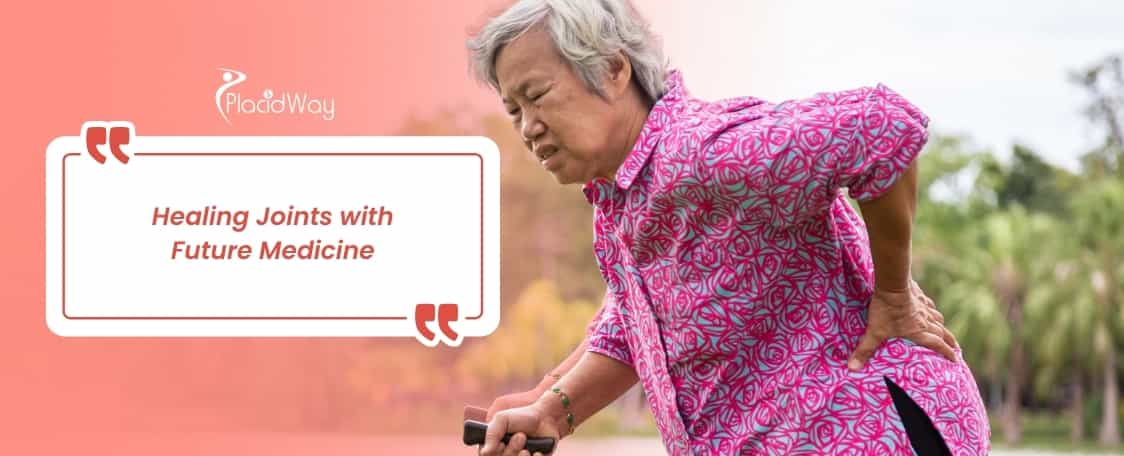
The growing trend of Indian patients seeking advanced stem cell therapy for osteoarthritis in Dubai highlights a significant shift in global medical travel. The United Arab Emirates has rapidly transformed into a premier hub for regenerative medicine, offering specialized interventions for chronic joint deterioration. Many individuals suffering from progressive cartilage issues are looking beyond their domestic options to access highly sophisticated biological orthopedic solutions.
Osteoarthritis is a degenerative disease that typically affects weight-bearing joints such as the knees and hips, leading to significant discomfort and restricted mobility. Regenerative treatments are designed to utilize the body's natural healing mechanisms to potentially slow tissue degradation and reduce systemic inflammation. For many Indian medical tourists, this destination provides a seamless blend of state-of-the-art laboratory infrastructure and internationally recognized orthopedic protocols.
Osteoarthritis is the most common form of arthritis globally, and regenerative medicine aims to target the underlying biological environment of the joint rather than just masking the pain symptoms.
Why Indian Patients Choose Medical Tourism in Dubai
The excellent geographic proximity between the Indian subcontinent and the Middle East makes medical tourism in Dubai a highly logical choice for healthcare seekers. Frequent flight connectivity and short travel durations are crucial advantages for patients dealing with severe orthopedic pain who cannot endure long-haul journeys. Additionally, the cultural familiarity, dietary overlaps, and availability of regional language support provide an essential layer of emotional comfort during a medical trip.
Beyond geographical logistics, the unparalleled quality of clinical infrastructure heavily influences patients seeking regenerative orthopedics abroad. Healthcare facilities in the emirate frequently integrate the latest cell-processing technologies and maintain sterile environments that align with rigorous global standards. This unwavering commitment to medical excellence assures visiting patients that they are receiving care guided by strict international protocols.
Patient Case Summary: Rajesh's Journey
Rajesh, a 58-year-old from Mumbai, struggled with chronic knee pain for years. He chose the UAE for its advanced medical regulations and rapid access to specialized orthopedic diagnostics, noting that the short flight made his medical journey highly manageable.
- Short, direct flight routes from major Indian cities to the UAE.
- Stringent regulatory oversight ensuring high clinical safety standards.
- Access to multidisciplinary teams with international medical credentials.
- Cultural comforts and ease of communication in multiple languages.
Types of Regenerative Medicine for Joint Pain Available
When researching orthopedic stem cell clinics in Dubai, international patients will discover various specialized biological therapies customized for individual joint conditions. The most universally applied methods involve autologous cell treatments, where biological material is harvested directly from the patient prior to processing. Utilizing the patient's own tissues generally minimizes the risk of adverse immune responses or disease transmission.
Healthcare professionals typically evaluate the extent of cartilage degradation before determining the most viable cellular source for the procedure. Mesenchymal cells derived from bone marrow aspirate or adipose (fat) tissue are the established standards for therapeutic joint interventions. Each biological extraction technique carries distinct clinical indications depending on the patient's age, baseline health, and specific grade of osteoarthritis.
Mesenchymal cells (MSCs) are unique because they have the potential to differentiate into various types of tissue cells, including cartilage, making them a focal point in degenerative joint research.
- Bone Marrow Aspirate Concentrate (BMAC): Harvested typically from the pelvic bone.
- Adipose-Derived Therapy: Extracted from abdominal or flank fat tissue.
- Platelet-Rich Plasma (PRP): Often used in conjunction with cellular therapies to stimulate the local healing environment.
Cost of Stem Cell Therapy for Osteoarthritis in Dubai
Evaluating the cost of stem cell therapy for osteoarthritis in Dubai is a fundamental step for medical tourists planning their healthcare budgets. While the UAE represents a premium healthcare market compared to standard local Indian clinics, it offers highly competitive pricing relative to European or North American facilities. The overall financial investment is usually dictated by the specific biological extraction method, the complexity of the processing, and the number of joints being treated.
When searching for affordable stem cell therapy in Dubai, patients must meticulously review what is included within the comprehensive clinical packages. A transparent quotation typically covers the preliminary orthopedic consultations, the extraction and laboratory processing of cells, and the final image-guided injection. Understanding the market ranges helps international patients make well-informed and realistic financial decisions.
| Procedure Name | Average Cost in Dubai (USD) | Cost Comparison with India (USD) |
|---|---|---|
| Basic PRP Therapy (Single Joint) | $800 - $1,500 | $300 - $600 |
| Adipose-Derived Therapy (Single Joint) | $5,000 - $8,000 | $2,500 - $4,500 |
| Bone Marrow Aspirate Concentrate (BMAC) | $6,000 - $9,500 | $3,000 - $5,000 |
| Bilateral Joint Treatment (Both Knees) | $8,500 - $14,000 | $4,500 - $7,000 |
Always request a highly detailed itemized invoice during your initial virtual consultation. Ensure that diagnostic imaging, anesthesia, and immediate follow-up appointments are explicitly listed to prevent unexpected expenses during your trip.
The Diagnostic and Evaluation Process Before Treatment
Prior to confirming any regenerative procedure, a rigorous clinical evaluation is strictly mandated by leading orthopedic specialists in the UAE. This comprehensive preliminary phase is vital to ascertain if the patient is biologically suitable for cell-based therapies and establishes a measurable baseline for post-treatment progress. Evaluating physicians will analyze existing medical histories, current medication regimens, and previous physical therapy outcomes.
High-resolution radiological imaging serves as the cornerstone of accurately mapping the joint's internal environment. Weight-bearing X-rays and advanced MRI scans are typically required to visualize cartilage erosion, underlying bone health, and synovial inflammation. This meticulous diagnostic foundation ensures that the proposed treatment for degenerative joint disease is scientifically justified and precision-targeted.
Patient Case Summary: Meera's Diagnostics
Meera traveled to the Middle East hoping for quick injections, but was impressed when her doctors required a thorough, updated MRI first. The imaging revealed exact focal points of cartilage wear, allowing her medical team to tailor the injection trajectory precisely.
What to Expect During the Joint Injection Procedure
The sequence of administering stem cell injections for joints is generally conducted as a minimally invasive, same-day outpatient procedure. To maximize patient comfort, local anesthetics are widely utilized to numb both the cellular extraction site and the final target joint. The complete medical process—from harvesting biological material to final inoculation—typically requires only a few hours inside a sterile clinical environment.
Immediately after the extraction phase, the autologous tissue is transferred to an on-site laboratory where specialized centrifuges isolate and concentrate the therapeutic cells. Using advanced fluoroscopic or ultrasound guidance, the orthopedic specialist meticulously injects this concentrated serum directly into the compromised joint space. Image-guided delivery is absolutely essential to ensure that the cartilage regeneration therapy reaches the specific areas of structural damage.
The use of real-time ultrasound guidance during joint injections increases the accuracy of fluid delivery to nearly 100%, compared to much lower accuracy rates for unguided "blind" injections.
Recovery Timeline After Orthopedic Stem Cell Treatment
Successful recovery from stem cell therapy heavily relies on patient patience and strict compliance with postoperative medical instructions. During the first 48 to 72 hours, it is common for patients to experience localized joint stiffness, mild swelling, and temporary discomfort at the injection sites. This initial flare-up is generally considered a normal biological response as the body's inflammatory healing mechanisms are artificially activated.
Medical tourists visiting from India are typically instructed to limit weight-bearing activities and rest adequately before undertaking their scheduled flights home. A medically supervised physical therapy regimen is frequently prescribed a few weeks post-procedure to safely restore range of motion and strengthen supporting musculature. The actual biological remodeling process is gradual, meaning noticeable improvements in joint mobility and pain relief typically unfold over several weeks to months.
Patients are typically advised to strictly avoid non-steroidal anti-inflammatory drugs (NSAIDs) for a specific period before and after the procedure, as these medications can actively suppress the necessary biological healing response.
- Days 1-3: Expected mild pain and swelling; strictly resting the joint.
- Weeks 1-3: Gradual return to light daily activities; avoiding strenuous exertion.
- Months 1-3: Initiation of physical rehabilitation; typical onset of symptom relief.
Efficacy and Success Rates of Regenerative Joint Therapy
When analyzing stem cell treatment success rates, medical tourists must approach the available data with practical and realistic clinical expectations. Numerous international studies indicate that many patients report a significant reduction in chronic joint pain and enhanced functional mobility following regenerative protocols. However, it is crucial to understand that biological therapies do not guarantee a definitive cure, and outcomes are intricately tied to the patient's existing joint anatomy.
Individuals with mild to moderate osteoarthritis generally demonstrate more favorable clinical responses compared to those suffering from end-stage, bone-on-bone degeneration. The primary objective of this non-surgical osteoarthritis treatment in Dubai is typically to alleviate severe symptoms, improve overall quality of life, and potentially delay the necessity for total joint arthroplasty. Ongoing clinical follow-ups are essential to properly document and evaluate long-term joint health.
Clinical data frequently suggests that maximum symptomatic improvement from orthobiologic injections is typically observed between 3 to 6 months post-treatment as the cellular environment gradually stabilizes.
Potential Risks and Contraindications for Joint Procedures
While generally considered safe when administered by credentialed medical experts, all interventional procedures possess inherent clinical risks that must be discussed openly. Because standard protocols utilize autologous materials (the patient's own tissues), the likelihood of severe immune rejection or cross-contamination is exceedingly low. Nevertheless, patients must be educated on general risks associated with any needle-based regenerative joint injections, such as localized infection or minor nerve irritation.
Strict contraindications are rigorously enforced by healthcare professionals to protect patient well-being and maintain ethical standards. Individuals suffering from active systemic infections, profound blood clotting disorders, or specific oncological histories are typically disqualified from undergoing cell-based therapies. Comprehensive pre-travel consultations ensure that these potential risk factors are thoroughly evaluated before any international medical journey is booked.
Rigorous sterilization protocols in internationally accredited medical facilities drastically reduce the risk of joint infection (septic arthritis) following intra-articular injections.
- Potential for minor bleeding or bruising at the extraction sites (pelvis or abdomen).
- Temporary, localized flare-ups of joint pain lasting a few days.
- Risk of non-response, where the patient's biological environment does not visibly improve.
Legal Framework and Medical Standards in the UAE
The regulatory ecosystem in the United Arab Emirates provides an exceptionally high level of clinical security for international medical tourists. Local health ministries enforce stringent oversight on all medical institutions offering regenerative medicine in Dubai, demanding rigorous licensing and strict adherence to global bioethical guidelines. This proactive governmental regulation is specifically engineered to filter out unproven treatments and safeguard patients from clinical malpractices.
For visitors from India, this robust legal and regulatory framework fosters a deep sense of clinical trust and psychological comfort. Facilities must continuously demonstrate certifications for their on-site biological laboratories, and attending physicians must hold verified international credentials. Choosing highly regulated medical tourism clinics in the UAE ensures that the care provided aligns seamlessly with established global scientific consensuses.
Patient Case Summary: Anil's Peace of Mind
Anil, researching orthopedic treatments from Bangalore, was initially hesitant about traveling abroad. His concerns were alleviated when he learned about the stringent regulations governing clinical laboratories in the emirate, which provided him with the necessary confidence to proceed.
Preparing for Your Orthopedic Trip to the Middle East
Strategic and methodical preparation is the key to ensuring a comfortable and medically successful medical travel experience to Dubai. Prospective patients should initiate their journey by systematically compiling their comprehensive medical portfolios, including recent MRI scans, previous surgical notes, and a list of current prescriptions. Securely transmitting these medical documents to the selected international clinic facilitates a highly accurate and productive virtual consultation.
Furthermore, navigating logistical requirements such as securing medical visas and establishing travel insurance are imperative phases in the planning timeline. Many esteemed international clinics provide dedicated concierge assistance with official documentation to expedite visa approvals for Indian passport holders. Traveling with a trusted companion and booking easily accessible, ground-floor recovery environments can significantly enhance the post-procedural healing phase.
Always travel with physical copies of your essential medical records and radiological imaging on a USB drive. In the event of digital communication issues, having physical backups ensures your orthopedic consultation proceeds without delays.
Comparing Regenerative Orthopedics: UAE vs India
When systematically evaluating osteoarthritis treatment options between India and the UAE, several crucial medical and experiential factors come into play. India is renowned for its skilled physicians and highly accessible domestic pricing, which remains an excellent option for local healthcare. However, the UAE often provides faster access to newer, highly specialized laboratory isolation techniques and premium medical infrastructures that may not be universally available in standard regional hospitals.
The core appeal of the Middle East lies in its comprehensive approach to international patient care, merging world-class medical precision with a comfortable, privacy-focused environment. For those pursuing advanced stem cell therapy abroad, the destination offers an unparalleled intersection of strict bioethical oversight, advanced diagnostic tools, and internationally trained clinical teams. This premium amalgamation of factors often justifies the added logistical effort of cross-border healthcare travel.
Patient Case Summary: Sunita's Choice
After exploring options in Delhi, Sunita decided to travel to the UAE for her bilateral knee treatment. She cited the availability of advanced bone marrow aspiration techniques and the clinic's dedicated international patient coordinators as the deciding factors.
Many international medical facilities in the UAE hold prestigious Joint Commission International (JCI) accreditation, recognized globally as the gold standard for healthcare quality and patient safety.
How PlacidWay Assists Your Stem Cell Therapy Journey in Dubai
Coordinating complex healthcare logistics across international borders can be an intimidating endeavor, particularly when researching sophisticated orthopedic procedures. PlacidWay functions as a dedicated facilitator, bridging the informational gap between medical tourists and highly regulated healthcare institutions. The platform is intentionally designed to empower individuals with comprehensive educational resources and verified medical connections.
By leveraging an extensive, carefully vetted global healthcare network, individuals seeking stem cell therapy for joints can navigate their clinical research with enhanced confidence. The primary objective is to deliver value-based informational assistance, ensuring that patients can make educated, autonomous healthcare decisions supported by absolute clinical transparency.
- Providing detailed, verified profiles of internationally accredited clinical facilities.
- Facilitating direct, preliminary virtual consultations with certified orthopedic specialists.
- Assisting with the secure and confidential transfer of sensitive medical records and radiological images.
- Offering clear, comparative cost estimates to aid in accurate financial healthcare planning.
- Connecting patients with multi-disciplinary medical teams focused on regenerative joint care.
Frequently Asked Questions About Joint Regeneration Abroad
Acquiring factual and comprehensive information is a vital precursor to finalizing any international healthcare decisions. To assist patients in navigating their clinical options for advanced osteoarthritis treatments in Dubai, we have detailed answers to the most common practical and procedural inquiries. These responses aim to clarify logistical protocols and clinical expectations associated with regenerative travel.
Please remember that while these FAQs provide structured educational guidance, they do not replace formal clinical evaluations. Every individual's physiological response and joint anatomy are distinctly unique, requiring personalized consultations to verify biological candidacy. Always consult directly with a licensed orthopedic professional before proceeding with cross-border therapies.
Why are Indian patients choosing Dubai for osteoarthritis stem cell therapy?
Indian patients often choose Dubai for its stringent medical regulations, access to internationally accredited laboratories, and proximity. The combination of high-end clinical infrastructure and specialized medical experts makes it an attractive destination.
How much does stem cell therapy for joints cost in Dubai?
The cost typically ranges between $5,000 and $14,000 USD, depending on the specific joint being treated and the biological extraction method used. This usually includes consultation, cellular processing, and the intra-articular injection.
Is regenerative joint therapy painful?
The procedure is generally well-tolerated as it is performed under local anesthesia to numb the harvesting and injection sites. Most patients experience only mild discomfort or a sensation of pressure during the process.
How long should I stay in the UAE for this orthopedic procedure?
Medical tourists are typically advised to stay in the country for 5 to 7 days. This allows adequate time for preliminary diagnostics, the outpatient procedure, and a post-treatment follow-up before flying home.
Are the results of stem cell treatments guaranteed?
No medical procedure can guarantee specific results, and efficacy varies based on individual health and osteoarthritis severity. While many experience improved mobility and reduced pain, outcomes are highly personalized.
What type of cells are used for cartilage repair in Dubai clinics?
Specialists generally utilize autologous mesenchymal cells, which are extracted directly from the patient's own bone marrow or adipose (fat) tissue. This significantly lowers the risk of immune rejection.
Do I need a special visa for medical travel to Dubai?
Indian passport holders require a visa to enter the UAE, which can be a standard tourist visa or a specific medical treatment visa. Clinics frequently provide official letters to support the medical visa application process.
How long is the recovery timeline after joint injections?
Initial joint stiffness and mild swelling typically subside within the first week. However, the biological healing process is gradual, and significant symptomatic improvements may take several months to manifest.
Can severe bone-on-bone osteoarthritis be treated with cells?
Patients with advanced, bone-on-bone osteoarthritis may not be ideal candidates for regenerative injections alone. In such severe cases, orthopedic specialists typically recommend surgical interventions like total joint replacement.
Are medical clinics in the UAE safely regulated?
Yes, healthcare authorities in the region mandate strict licensing and regulatory compliance for all medical practices. Clinics offering biological therapies must adhere to stringent international bioethical and safety standards.
Ready to explore advanced osteoarthritis solutions? Let PlacidWay connect you with trusted international clinics.
Medical Disclaimer: This article is for informational purposes only and is not medical advice. Always consult a qualified healthcare provider before any medical decisions. Results may vary. Read Full Disclaimer here.
References
- Arthritis Foundation. Osteoarthritis Symptoms and Diagnosis. https://www.arthritis.org/diseases/osteoarthritis
- National Center for Biotechnology Information (NCBI). Mesenchymal Stem Cell Therapy for Osteoarthritis. https://pmc.ncbi.nlm.nih.gov/articles/PMC4949411/
- Mayo Clinic. Regenerative Medicine and Orthopedics. https://sportsmedicine.mayoclinic.org/service/regenerative-medicine/
- Cleveland Clinic. Biologics for Arthritis Treatment. https://consultqd.clevelandclinic.org/three-studies-investigate-injectable-biologic-therapies-for-osteoarthritis
- Wikipedia. Medical Tourism in the United Arab Emirates. https://en.wikipedia.org/wiki/Medical_tourism_in_the_United_Arab_Emirates


-Package-in-Dubai,-UAE-by-Dr.-Ebenezer-Abel-Paul.jpg)

-(9).png)
.png)
.png)














Share this listing