

In recent years, the landscape of global oncology has shifted dramatically, with advanced cancer treatment in China emerging as a beacon of hope for international patients. For many dealing with complex hematological malignancies, navigating treatment options at home can be daunting and limited. Vietnamese patients, in particular, are increasingly looking beyond their borders to access innovative therapies that are either unavailable or prohibitively expensive locally. Among these groundbreaking treatments is Chimeric Antigen Receptor (CAR) T-cell therapy, a revolutionary form of immunotherapy that harnesses the body's own immune system to target and destroy cancer cells.
China has rapidly positioned itself at the forefront of cellular immunotherapy research and application. By investing heavily in state-of-the-art biotechnology and clinical trials, the nation offers world-class oncology infrastructure right next door to Southeast Asia. Choosing CAR-T cell therapy in China means patients generally benefit from highly experienced medical teams, cutting-edge laboratory facilities, and a streamlined approach to complex cellular engineering. For Vietnamese patients, this represents a unique opportunity to receive cutting-edge care without the geographical and financial hurdles associated with traveling to the West.
China currently registers the highest number of clinical trials for CAR-T cell therapies globally, making it a leading hub for cellular immunotherapy innovation.
- Personalized Medicine: Treatment is custom-engineered using the patient's unique T-cells.
- Targeted Approach: Modified cells specifically seek out proteins found on the surface of certain cancer cells.
- Living Drugs: The infused CAR-T cells can multiply in the body, providing ongoing surveillance against cancer.
- Rapid Advancement: Continuous clinical research in China frequently leads to refined and optimized therapy protocols.
Why Vietnamese Patients Seek Advanced Oncology in China
The decision to travel abroad for medical care is never taken lightly, especially when dealing with a severe diagnosis like cancer. However, for many patients in Vietnam, the local healthcare system, while improving, may not yet offer widespread access to highly specialized cellular therapies. The scarcity of CAR-T cell therapy for Vietnamese patients domestically drives them to seek alternatives. China, sharing a border and maintaining a deep cultural and historical connection with Vietnam, presents an accessible and logical destination for highly complex medical procedures.
Beyond geographical proximity, the appeal of medical tourism in China lies in its unparalleled combination of medical expertise and efficiency. Patients typically find that wait times for critical treatments are significantly shorter, which is vital when battling aggressive blood cancers. Furthermore, Chinese oncology centers are heavily equipped with international-standard technology and are staffed by specialists who often collaborate on a global scale, ensuring that the treatment protocols are both modern and meticulously executed.
Geographical proximity means a flight from Hanoi or Ho Chi Minh City to major medical hubs in China like Guangzhou or Beijing takes only a few hours, minimizing travel stress for immunocompromised patients.
- Shorter travel distances compared to traveling to the US, Europe, or even distant parts of Asia.
- Access to vast clinical experience due to the high volume of patients treated in Chinese specialized centers.
- Availability of dedicated international patient departments that cater specifically to cross-border medical travelers.
- More flexible and responsive healthcare infrastructure designed to accommodate urgent international oncology cases.
How CAR-T Cell Therapy Works for Blood Cancers
At its core, CAR-T cell therapy is a complex biological process that turns a patient's own immune system into a powerful, cancer-fighting weapon. This sophisticated treatment is generally reserved for patients with specific types of blood cancers, such as acute lymphoblastic leukemia (ALL), diffuse large B-cell lymphoma (DLBCL), and multiple myeloma, particularly when these cancers have relapsed or become refractory to standard treatments. Understanding the science behind hematology and oncology treatments in China helps patients appreciate the precision and care required during this medical journey.
The process begins with the extraction of T-cells—a type of white blood cell—from the patient's blood. In high-tech laboratories, scientists genetically alter these cells by inserting a gene that produces a chimeric antigen receptor (CAR). This specialized receptor enables the T-cells to identify and latch onto specific antigens present on the surface of the tumor cells. Once the modification and multiplication phases are complete, the newly engineered "fighter" cells are infused back into the patient's bloodstream, where they typically initiate a targeted attack against the malignancy.
Some clinical studies indicate that CAR-T cell therapy can achieve a complete remission rate of over 70% in certain relapsed or refractory blood cancers.
- Extraction (Apheresis): Blood is drawn, and T-cells are carefully separated from other blood components.
- Reprogramming: Cells are sent to a specialized laboratory where the CAR gene is introduced using a viral vector.
- Expansion: The modified CAR-T cells are grown in the lab until they reach millions in number.
- Conditioning: The patient undergoes a short course of chemotherapy to prepare the body to accept the new cells.
- Infusion: The engineered cells are reintroduced into the patient to seek and destroy cancer.
Affordable CAR-T Cell Therapy Cost in China Compared to Vietnam
One of the most compelling reasons Vietnamese patients cross the border is the affordable CAR-T cell therapy cost in China. In Western countries, the price of cellular immunotherapy can be staggeringly high, often exceeding hundreds of thousands of dollars just for the cell manufacturing process, excluding hospital stays and conditioning chemotherapy. In Vietnam, if the treatment is accessed via international partnerships or private proxy transfers, the costs can also be prohibitively inflated due to logistical overheads.
In contrast, medical tourism in China offers a highly cost-effective alternative without compromising on the quality of clinical care or the sophistication of the biotechnology used. The robust domestic biotech industry in China allows for streamlined manufacturing processes and lower overhead costs. While exact prices vary based on the specific type of cancer and individual patient needs, the table below illustrates a typical comparison of associated costs, helping patients plan their medical budgets effectively.
Always ask for a comprehensive breakdown of costs, including pre-treatment conditioning, hospital stays, and post-infusion monitoring, as these are critical components of the overall expense.
| Procedure / Treatment Phase | Average Cost in China (USD) | Average Cost in US/Singapore (USD) |
|---|---|---|
| Initial Oncology Consultation & Screening | $1,000 - $3,000 | $5,000 - $10,000 |
| Leukapheresis & Cell Manufacturing | $40,000 - $60,000 | $300,000 - $450,000 |
| Conditioning Chemotherapy | $3,000 - $5,000 | $15,000 - $30,000 |
| Inpatient Infusion & ICU Monitoring | $6,000 - $12,000 | $50,000 - $100,000 |
| Estimated Total Range | $50,000 - $80,000 | $370,000 - $590,000+ |
Leading Hematology and Oncology Treatments Available in China
While cellular immunotherapy takes the spotlight, oncology clinics in China offer a comprehensive spectrum of cancer care. Treating complex malignancies rarely relies on a single modality. Instead, a multidisciplinary approach is essential for achieving the best possible outcomes. Chinese medical institutions are well-equipped to provide an integrated care plan that supports and enhances the effectiveness of immunotherapies, ensuring patients receive holistic and continuous management of their condition.
For international patients, this means having access to an entire ecosystem of advanced medical services under one roof. Whether a patient requires specialized radiological imaging, targeted drug therapies, or nutritional oncology support, these facilities can generally accommodate all ancillary needs. This comprehensive infrastructure makes cancer treatment in China a robust choice, ensuring that if a patient's condition shifts or requires adjunctive therapies, the medical team is fully prepared to adapt.
- Hematopoietic Stem Cell Transplantation (HSCT): Often utilized alongside or as a precursor to cellular therapies.
- Targeted Therapies: Utilizing advanced genomic sequencing to prescribe highly specific medications.
- Advanced Radiotherapy: Including Proton Therapy and CyberKnife for precise localized tumor control.
- Next-Generation Chemotherapy: Tailored dosing protocols to minimize toxicity and side effects.
The Medical Tourism Experience for Vietnamese Patients in China
Undertaking a medical journey abroad can induce anxiety, but the medical tourism experience for Vietnamese patients in China is increasingly streamlined and patient-centric. Top-tier hospitals have established dedicated international departments that function as a bridge between the clinical staff and the visiting patient. These departments recognize the unique cultural and linguistic needs of Southeast Asian patients, striving to create an environment that feels welcoming and secure during a highly vulnerable time.
Language barriers, often a primary concern for medical travelers, are addressed through professional interpretation services and bilingual medical coordinators. These coordinators typically manage everything from translating complex medical terminology to guiding patients through hospital administrative processes. Consequently, Vietnamese families can focus entirely on treatment and recovery rather than the stress of navigating a foreign healthcare system.
A Seamless Journey
"I was initially terrified about receiving treatment in a different country. However, the international coordinators made sure every medical document was translated, and a Vietnamese interpreter was present during every consultation. It brought immense peace of mind to my family."
- Dedicated medical concierges to assist with hospital registration and appointment scheduling.
- Professional medical translation of all diagnostic reports and treatment plans.
- Culturally sensitive dietary options provided within inpatient ward menus.
- Assistance with navigating local transportation and hospital campus logistics.
Evaluating Safety and Success Rates of CAR-T Cell Therapy in China
When considering affordable cancer treatment in China, patients naturally prioritize safety and efficacy. It is crucial to understand that CAR-T cell therapy is an intensive medical procedure with inherent risks. However, Chinese oncology centers are generally staffed with highly trained intensivists and hematologists who follow rigorous international safety protocols. They have extensive experience managing the complex physiological responses that can occur when the engineered immune cells begin attacking the cancer.
While outcomes vary based on the patient's age, overall health, and the specific nature of their cancer, success rates in leading Chinese centers typically align with those reported in Western clinical trials. The most critical aspect of ensuring safety is the intensive monitoring that takes place immediately following the infusion. Medical teams are hyper-vigilant in tracking patient vitals and lab work to mitigate risks swiftly and effectively.
CAR-T cell therapy carries risks of severe side effects, most notably Cytokine Release Syndrome (CRS) and neurological toxicities. Treatment requires close monitoring in a specialized facility, and results can never be guaranteed.
- Stringent Quality Control: Laboratory manufacturing of cells adheres to strict Good Manufacturing Practice (GMP) standards.
- ICU Readiness: Hospitals are equipped with specialized intensive care units designed specifically for immunotherapy patients.
- Rapid Intervention Protocols: Standardized procedures for administering tocilizumab or corticosteroids at the first sign of CRS.
- Multidisciplinary Safety Teams: Neurologists and immunologists collaborate with oncologists to manage potential complications.
Preparing for Your Oncology Journey from Vietnam to China
Thorough preparation is the key to a successful medical tourism experience in China. For Vietnamese patients, this means compiling comprehensive medical histories, pathology slides, and imaging reports long before stepping on a plane. An organized approach ensures that the receiving oncologists have a complete understanding of the patient's medical background, which is crucial for determining eligibility for advanced immunotherapies.
Additionally, emotional and practical preparation cannot be overstated. Engaging in CAR-T cell therapy for Vietnamese patients involves an extended stay away from home, typically lasting several weeks. Patients are strongly encouraged to travel with a primary caregiver—a family member or close friend—who can provide daily support, manage communications with extended family, and assist with personal needs during periods of fatigue or recovery.
Always carry high-quality physical copies of your medical records and a USB drive with all DICOM format imaging (MRI, PET, CT scans) to ensure no delays in your initial consultations.
- Consolidate all previous treatment records, including chemotherapy regimens and surgical reports.
- Obtain official English translations of critical medical documents prior to departure.
- Discuss long-term leave from work or personal responsibilities, as the process takes 4 to 8 weeks.
- Establish a secure communication channel (like WeChat) to stay in touch with your medical coordination team.
Comprehensive Screening and Eligibility for CAR-T Cell Treatment
Not every patient is a candidate for this advanced procedure. Upon arrival at the chosen oncology clinic in China, a rigorous screening phase commences. This evaluation is critical to ensure that the patient’s body can withstand the physiological demands of both the conditioning chemotherapy and the subsequent immune response triggered by the cell infusion. Doctors generally look for a specific threshold of organ function and disease progression before greenlighting the procedure.
This comprehensive diagnostic period utilizes state-of-the-art imaging and laboratory technologies to map out the exact status of the malignancy. The medical team will assess cardiac, pulmonary, and renal functions, alongside detailed bone marrow biopsies if necessary. This meticulous approach underscores the high standards of advanced cancer treatment in China, ensuring patient safety remains the ultimate priority.
Thorough Evaluation
"The screening process was intense but highly professional. They checked my heart, lungs, and blood counts over several days. The doctors clearly explained why each test was necessary, which made me feel safe and confident in their hands."
- Echocardiograms and pulmonary function tests to evaluate cardiovascular and lung resilience.
- Comprehensive metabolic panels to ensure kidney and liver functions are adequate.
- Flow cytometry and genetic profiling of the cancer cells to confirm the presence of specific target antigens (like CD19 or BCMA).
- Infectious disease screening to rule out active infections that could compromise treatment.
The Step-by-Step CAR-T Cell Therapy Process in China
Understanding the timeline and physical demands of CAR-T cell therapy in China helps patients mentally prepare for the road ahead. The journey is highly structured, typically broken down into distinct clinical phases. The first major step is leukapheresis, where the patient is connected to a machine that filters their blood to extract the precious T-cells. This outpatient procedure usually takes a few hours and is generally well-tolerated.
Once the cells are collected, the manufacturing phase begins, which can take two to three weeks. During this waiting period, patients may receive bridging therapy to keep the cancer at bay. Finally, a few days before the newly engineered cells are ready, the patient undergoes lymphodepleting chemotherapy. This crucial step clears out existing immune cells, creating a welcoming environment for the CAR-T cells to thrive and multiply upon infusion.
The actual infusion of CAR-T cells often takes less than 30 minutes, yet the biological impact of those engineered cells continues to work inside the body for months or even years.
- Phase 1: Clinical evaluation and leukapheresis (cell collection).
- Phase 2: Laboratory engineering and expansion of the customized CAR-T cells.
- Phase 3: Lymphodepletion (conditioning chemotherapy) administered over a few days.
- Phase 4: The single-dose intravenous infusion of the engineered cells.
- Phase 5: Intensive in-patient monitoring for 1 to 2 weeks post-infusion to manage potential side effects.
Navigating Post-Treatment Care and Recovery Close to Home
The success of any highly complex medical procedure relies heavily on the quality of post-treatment care. After completing hematology and oncology treatments in China, patients enter a critical recovery phase. The first 30 days post-infusion are vital, requiring patients to remain close to the treating facility. This allows the medical team to immediately address any delayed side effects, such as late-onset neurotoxicity, and to monitor blood counts as the immune system slowly rebuilds itself.
Once deemed stable, returning home to Vietnam is an exciting milestone. However, the medical journey continues. Top Chinese hospitals generally provide comprehensive discharge plans and establish protocols for remote follow-up. By collaborating with local hematologists in Vietnam, the Chinese oncology team can oversee regular teleconsultations, review interval PET scans, and ensure the patient remains on a steady path to recovery.
Post-treatment immune recovery can take several months. During this time, patients are often advised to avoid crowded places and adhere to strict hygiene practices to prevent infections.
- Mandatory stay near the Chinese hospital for 2 to 4 weeks after discharge for close monitoring.
- Prescription of prophylactic medications to prevent viral and bacterial infections during recovery.
- Scheduled virtual check-ins between the Chinese specialist and the patient’s local doctor in Vietnam.
- Routine blood tests required every few weeks initially to track the persistence of CAR-T cells and disease markers.
Legal and Visa Requirements for Medical Tourism in China
Traveling across borders requires careful administrative planning, and securing the right documentation is a critical step for Vietnamese patients seeking medical tourism in China. Generally, citizens of Vietnam require a visa to enter China. For healthcare purposes, patients typically apply for a specialized medical visa or an appropriate short-term visitor visa that covers the duration of their anticipated treatment and recovery period.
To facilitate this process, reputable oncology clinics in China will issue an official invitation letter and a detailed medical treatment plan. These documents are vital when presenting your case to the Chinese embassy or consulate in Vietnam. Ensuring that your passport is valid for at least six months beyond your planned stay and that your caregiver also secures the necessary visa are essential logistical steps to avoid delays.
Smooth Administration
"Applying for the visa was much easier than expected. The international department of the hospital provided a very clear invitation letter detailing my treatment schedule, which allowed the embassy to process our visas quickly and without hassle."
- Ensure passports for the patient and caregiver have at least 6 months of validity and blank pages.
- Obtain an official hospital invitation letter stamped by the treating institution in China.
- Provide proof of financial means to cover the CAR-T cell therapy cost in China and living expenses.
- Check for any updated cross-border health declarations or specific travel protocols before departure.
Real Patient Experiences with CAR-T Cell Therapy in China
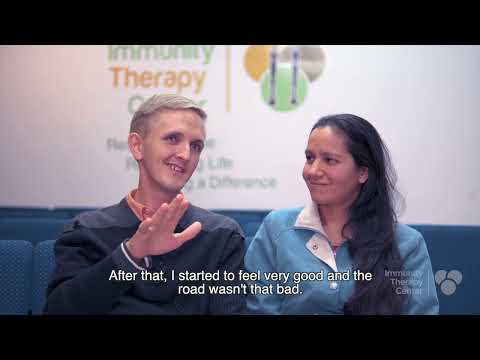
Hearing from those who have walked the path can provide profound comfort and insight. The lived experiences of individuals who have sought CAR-T cell therapy in China highlight not just the clinical efficiency, but the profound human element of medical tourism. Patients often speak of the transition from despair—upon exhausting local treatment options—to renewed hope when presented with viable cellular therapies across the border.
While every medical journey is distinct and results vary, many Vietnamese families reflect positively on the comprehensive care they received. They note the meticulous attention to detail by the nursing staff, the clarity provided by interpreters, and the reassuring expertise of the leading oncologists. These stories underscore why China has become a highly respected destination for advanced, life-saving oncology care.
A Second Chance
"After my lymphoma relapsed, options in Vietnam were very limited. Traveling to China for CAR-T therapy was the most important decision we made. The side effects were tough for a few days, but the medical team managed everything perfectly. Today, I am grateful to be back home with my family, feeling stronger every day."
Many international patients form lasting bonds with their medical coordinators, maintaining contact long after they have successfully returned to their home countries.
- Patients appreciate the structured and predictable timeline of the clinical process.
- Caregivers frequently highlight the value of dedicated international patient lounges.
- Many note the high level of cleanliness and modernization within the oncology wards.
- The integration of empathetic care with advanced biotechnology is consistently praised.
How PlacidWay Assists Your CAR-T Cell Therapy Medical Tourism Journey in China
Navigating the complexities of international healthcare requires a trusted partner. At PlacidWay, we specialize in connecting patients worldwide with top-tier medical facilities that align with their specific healthcare needs. We understand that organizing medical tourism in China for advanced oncology requires meticulous planning, transparency, and reliable information.
Our goal is to empower Vietnamese patients and their families by providing clear, accessible pathways to world-class treatment. We focus on bridging the gap between you and highly specialized medical providers, ensuring you have the resources needed to make informed healthcare decisions.
- Facilitating direct communication with accredited oncology centers offering specialized therapies.
- Assisting with the secure transfer of your medical records for preliminary specialist evaluation.
- Providing comprehensive, transparent cost estimates for medical procedures to aid in your financial planning.
- Offering access to a global network of vetted healthcare institutions that meet stringent international quality standards.
- Supporting you with dedicated case managers to answer your questions and guide your medical inquiry process.
Frequently Asked Questions
Is CAR-T cell therapy in China safe for international patients?
Yes, treating blood cancers with CAR-T cell therapy in China is generally considered safe when performed at accredited, top-tier oncology hospitals. These facilities typically adhere to rigorous international medical standards and closely monitor patients for side effects.
How much does CAR-T cell therapy cost in China compared to Vietnam?
While advanced cellular therapies are often unavailable or highly priced in Vietnam via third-party transfers, the cost in China typically ranges from $50,000 to $80,000. This is significantly more affordable than the $350,000+ often seen in the United States.
What types of cancer can CAR-T cell therapy treat?
CAR-T cell therapy is predominantly used to treat specific blood cancers, including relapsed or refractory B-cell acute lymphoblastic leukemia, diffuse large B-cell lymphoma, and multiple myeloma.
Do Vietnamese patients need a visa for medical tourism in China?
Yes, Vietnamese citizens generally require a visa to enter China. Patients seeking treatment will typically need to apply for a medical or tourist visa using an official invitation letter provided by the treating hospital.
How long do I need to stay in China for CAR-T cell therapy?
Patients usually need to stay in China for approximately 4 to 8 weeks. This timeframe accounts for the initial screening, cell extraction, manufacturing period, infusion, and critical post-treatment monitoring.
Will there be a language barrier at oncology clinics in China?
Top hospitals catering to international medical tourists typically offer dedicated international patient departments. They generally provide fluent English-speaking staff and can arrange professional Vietnamese interpreters to ensure clear communication.
What are the common side effects of CAR-T cell therapy?
The most common significant side effects include Cytokine Release Syndrome (CRS) and neurotoxicity. Medical teams in China are highly experienced in identifying and managing these risks promptly.
Can I bring a family member with me during treatment?
Yes, it is highly recommended to bring a caregiver or family member. They can provide essential emotional and physical support during your recovery period.
How is follow-up care managed once I return to Vietnam?
After returning home, follow-up care is typically managed through coordinated teleconsultations between your Chinese oncologists and your local hematologist in Vietnam. Regular blood tests and scans are shared to monitor your progress.
Why is China considered a leader in CAR-T cell research?
China conducts a massive number of clinical trials for cellular immunotherapy, rivaling the United States. This extensive research translates into advanced manufacturing capabilities, high expertise, and more accessible treatment options.
Ready to explore advanced oncology options and find out if CAR-T Cell Therapy is right for you? Let PlacidWay guide you to affordable, world-class medical care.
Medical Disclaimer: This article is for informational purposes only and is not medical advice. Always consult a qualified healthcare provider before any medical decisions. Results may vary. Read Full Disclaimer here.
References:
- National Cancer Institute. CAR T Cells: Engineering Patients' Immune Cells to Treat Their Cancers. https://www.cancer.gov/about-cancer/treatment/research/car-t-cells
- Mayo Clinic. Chimeric antigen receptor (CAR) T-cell therapy. https://www.mayoclinic.org/tests-procedures/car-t-cell-therapy/about/pac-20585020
- National Center for Biotechnology Information (NCBI). The rapid development of CAR-T cell therapy in China. https://pmc.ncbi.nlm.nih.gov/articles/PMC8115146/
- Cancer Research UK. CAR T-cell therapy. https://www.cancerresearchuk.org/about-cancer/treatment/immunotherapy/types/CAR-T-cell-therapy

.png)








.jpg)








Share this listing