


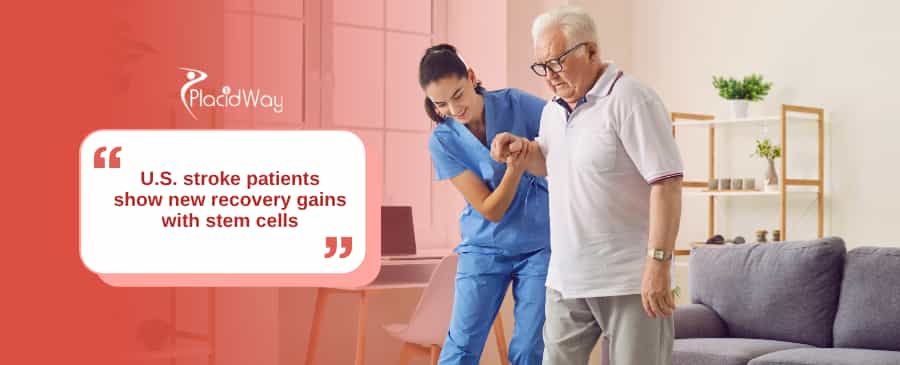
A stroke can be a devastating life event, often leaving individuals with long-term motor, cognitive, and speech impairments that heavily impact daily life. Traditional rehabilitation has historically been the primary avenue for recovery, but many patients reach a plateau where progress slows down significantly. In recent years, stem cell therapy for stroke in Mexico has emerged as a deeply promising alternative, providing new avenues for neural regeneration and functional improvement for international patients.
Guadalajara, renowned for its advanced medical infrastructure, is quickly becoming a global hub for these cutting-edge regenerative treatments. Patients traveling from the United States and Canada are finding that Mexican clinics offer world-class therapies that are both highly regulated and accessible. By utilizing regenerative medicine, individuals are able to access innovative therapies that are often restricted or prohibitively expensive in their home countries.
Stroke is a leading cause of long-term disability worldwide. Innovative regenerative therapies aim to directly address the damaged brain tissue rather than merely managing the resulting symptoms.
How Stem Cells Target Brain Damage After a Stroke
When a stroke occurs, the interruption of blood flow leads to the death of brain cells and triggers a massive inflammatory response in the surrounding tissue. Stem cell treatment in Guadalajara works by introducing powerful, adaptable cells into the body that specifically target these zones of inflammation. Once administered, these cells release trophic factors—specialized proteins that protect surviving neurons and stimulate the brain's inherent healing processes.
Beyond reducing harmful inflammation, stem cells play a critical role in promoting neurogenesis (the creation of new neurons) and angiogenesis (the formation of new blood vessels). Most patients experience gradual improvements as these biological processes work together to restore blood flow to the ischemic penumbra—the damaged but salvageable area of the brain. This unique mechanism of action enhances the brain's natural neuroplasticity, essentially rewiring damaged neural circuits over time.
- Immunomodulation: Stem cells actively reduce acute and chronic brain inflammation.
- Angiogenesis: They promote new blood vessel growth to restore vital oxygen supply.
- Neuroprotection: Secreted growth factors protect remaining brain cells from further damage.
- Neuroplasticity: The treatment encourages the brain to form new synaptic connections.
Why U.S. Patients Choose Stem Cell Treatment in Guadalajara
Guadalajara is the second-largest city in Mexico and boasts an impressive array of internationally accredited hospitals and specialized medical centers. For patients facing the daunting aftermath of a stroke, the city provides a perfect blend of high-tier medical expertise and a comfortable, modern environment. Medical tourism in Mexico has grown exponentially because local clinics invest heavily in state-of-the-art laboratory equipment and employ bilingual specialists trained across the globe.
Proximity is another massive advantage for U.S. and Canadian citizens, as direct, short flights make the journey far less taxing for individuals dealing with limited mobility. Additionally, the cultural warmth and personalized, patient-centric care found in Guadalajara stand in stark contrast to the often rushed nature of corporate healthcare systems. Patients generally report feeling profoundly supported by dedicated medical teams who prioritize holistic, long-term recovery over simple transactional care.
Guadalajara is often referred to as the "Silicon Valley of Mexico," heavily investing not just in technology, but also in cutting-edge biotechnology and regenerative medicine research.
Affordable Stem Cell Therapy for Stroke Cost in Mexico
The financial aspect of advanced healthcare in the United States often creates insurmountable barriers for families already struggling with post-stroke care expenses. In contrast, affordable stem cell therapy in Mexico allows patients to receive premium, multi-dose treatments at a fraction of the cost found north of the border. This pricing discrepancy is not due to lower quality, but rather favorable exchange rates, lower administrative overhead, and mitigated liability costs in the Mexican healthcare system.
Patients researching their options will find that clinics in Guadalajara offer highly transparent pricing structures for comprehensive treatment protocols. Typically, a complete package includes the cellular infusions, pre-treatment diagnostics, specialized consultations, and immediate post-operative care. Below is a realistic market estimate comparing the financial requirements of these complex neurological treatments.
| Procedure / Service Name | Average Cost in Guadalajara (USD) | Estimated Cost in US/Canada (USD) |
|---|---|---|
| Comprehensive IV Stem Cell Infusion | $4,500 - $7,000 | $15,000 - $25,000 |
| Intrathecal (Spinal) Stem Cell Delivery | $6,000 - $9,500 | $20,000 - $35,000 |
| Multi-Day Stroke Recovery Package (with Rehab) | $8,000 - $12,000 | $30,000 - $50,000+ |
What to Expect During Stroke Stem Cell Therapy in Guadalajara
Undertaking international medical travel requires a clear understanding of the clinical process from the moment you arrive. The journey typically begins with an exhaustive medical evaluation where neurologists and regenerative specialists review your recent MRI scans and medical history. This detailed assessment ensures that the specific stroke recovery programs in Mexico are custom-tailored to the unique location and severity of your brain injury.
The actual administration of the cells is generally straightforward and minimally invasive, emphasizing patient comfort and safety. Depending on the customized protocol, cells are usually delivered via a systemic intravenous (IV) drip or through a lumbar puncture (intrathecal injection) to bypass the blood-brain barrier. After the short procedure, patients rest in comfortably appointed recovery suites under observation before being cleared to return to their local accommodations.
Wear loose, comfortable clothing on the days of your treatment. Hydrate well prior to your IV infusions, as this can make vein access easier for the medical staff.
Types of Stem Cells Used for Neurological Recovery
The efficacy of regenerative medicine heavily depends on the specific type and quality of the biological material utilized during the procedure. For stroke rehabilitation, Mesenchymal Stem Cells (MSCs) are the globally preferred standard due to their incredible ability to home in on damaged tissue and secrete healing exosomes. In top-tier Mexican clinics, these are typically ethically harvested from donated Wharton’s Jelly found in human umbilical cords.
Allogeneic (donor-derived) umbilical cord MSCs are favored because they are young, robust, and highly highly proliferative compared to the patient's own older adult stem cells. Furthermore, because these specific cells are immunoprivileged, they generally do not trigger rejection or require dangerous immunosuppressive drugs. This makes stem cell clinics in Mexico highly attractive to older stroke survivors whose autologous (self-derived) cells may no longer be optimal for aggressive healing.
Studies suggest that human umbilical cord tissue yields millions of highly potent Mesenchymal Stem Cells per centimeter, offering vastly superior regenerative capabilities compared to bone marrow extraction in elderly patients.
Evaluating Top Stem Cell Clinics in Guadalajara
Patient safety must always be the paramount concern when selecting a destination for advanced regenerative interventions. It is crucial to evaluate prospective facilities based on their adherence to strict international laboratory protocols, transparency regarding their cell sourcing, and the credentials of their neurological staff. Reputable centers provide clear documentation regarding the viability, purity, and exact count of the cells being administered during your session.
For example, exploring facilities like CellsTime Clinique Guadalajara can give you an insight into how premier clinics operate when offering specialized stem cell therapy for stroke in Mexico. Quality facilities will always insist on a comprehensive preliminary telemedicine consultation to honestly assess whether you are a suitable candidate. They prioritize realistic expectations over aggressive sales tactics, ensuring that every patient's medical journey is grounded in ethical science.
- Verify the clinic operates an onsite or closely partnered ISO-certified laboratory.
- Ensure they are fully licensed by COFEPRIS (Mexico's equivalent to the FDA).
- Request transparency regarding the cell count (e.g., 50 million vs. 100 million cells).
- Look for facilities offering multidisciplinary care, including neurologists and rehab specialists.
Preparing for Your Medical Tourism Journey to Mexico
Thorough preparation is the key to ensuring a stress-free and medically successful experience across international borders. Start by gathering all relevant, up-to-date medical records, including recent MRI/CT imaging, comprehensive blood panels, and detailed reports from your primary neurologist. Sharing these critical documents well in advance allows the medical team in Guadalajara to properly design and synthesize your specific cellular protocol prior to your arrival.
From a logistical standpoint, ensure your passport is valid for at least six months beyond your planned date of entry into Mexico. It is typically recommended to travel with a dedicated companion or family member who can assist with mobility and emotional support during the post-treatment phase. Most clinics provide precise pre-treatment dietary and medication guidelines, which often involve temporarily pausing certain anti-inflammatory drugs to maximize the therapy's effectiveness.
Notify your bank of your international travel plans to avoid issues with your credit or debit cards while paying for medical services or local dining in Guadalajara.
The Recovery Process After Stem Cell Infusion
The immediate aftermath of the infusion procedure is generally mild, with most patients only reporting slight fatigue or a low-grade fever, which are normal signs of cellular activity. The regenerative specialists will monitor you closely in the hours following the treatment to ensure complete stability before discharging you. It is highly advised to engage in deep rest during the first 48 hours, allowing the newly introduced cells to properly migrate and nest within the central nervous system.
Understanding the timeline of recovery is essential, as stroke recovery programs in Mexico initiate biological changes rather than mechanical fixes. Cellular regeneration is a profound, slow-moving process, and visible functional improvements usually manifest gradually over a period of three to six months. Patients are strongly encouraged to maintain detailed journals of their progress to share during remote follow-up consultations with their Mexican medical team.
Stem cell therapy is not a magic, overnight cure. Results vary greatly depending on the severity of the stroke, and patients must remain patient as the biological repair mechanisms take time to rebuild neural pathways.
Real Patient Success Stories with Stem Cells in Guadalajara
The true impact of any medical intervention is best understood through the lived experiences of those who have undertaken the journey. Many U.S. and Canadian stroke survivors who felt abandoned by conventional rehabilitation ceilings have found renewed hope and mobility in Mexico. These documented success stories often highlight significant improvements in balance, speech articulation, and upper limb dexterity.
While results naturally vary from person to person, the shared thread among these medical tourists is the comprehensive care and enhanced quality of life they achieve. The following summaries represent the typical types of functional gains reported by international patients after completing their therapy in Guadalajara.
Testimonial Summary: Robert (Texas, USA)
Two years post-stroke, Robert struggled with severe right-side paralysis. Six months after his intrathecal stem cell therapy in Guadalajara, he regained enough motor control in his leg to walk with a cane, bypassing his reliance on a wheelchair.
Testimonial Summary: Maria (California, USA)
Maria suffered from severe expressive aphasia, making communication nearly impossible. Following an IV stem cell protocol combined with local speech therapy, her family noted a dramatic 60% improvement in her vocabulary and speech fluidity within four months.
Testimonial Summary: David (Ontario, Canada)
Dealing with intense post-stroke spasticity and chronic fatigue, David sought alternative treatments abroad. His comprehensive cellular treatment in Mexico resulted in substantially relaxed muscle tone and doubled his daily energy levels.
Testimonial Summary: Susan (Florida, USA)
Susan’s fine motor skills were devastated by an ischemic stroke. After receiving Wharton's Jelly MSCs in Guadalajara, she reported being able to hold utensils, write her name legibly, and reclaim a significant degree of her personal independence.
Navigating Safety and Efficacy of Stem Cell Treatments
A common misconception regarding medical tourism is the assumption that foreign clinics lack proper oversight and regulatory stringency. In reality, authorized stem cell clinics in Mexico operate strictly under the purview of COFEPRIS, the federal commission tasked with protecting public health. This agency enforces rigorous standards regarding biological materials, requiring meticulous screening of all cord tissue donors for infectious diseases and genetic anomalies.
Furthermore, leading regenerative centers in Guadalajara utilize Good Manufacturing Practice (GMP) compliant laboratories to cultivate and expand the cells. This guarantees that the cellular products are sterile, highly viable, and free from contaminants before they ever reach the patient. By adhering to these stringent, globally recognized safety protocols, Mexico has successfully established itself as a deeply trustworthy destination for complex biological treatments.
Mesenchymal Stem Cells (MSCs) possess an innate "homing" capability, allowing them to autonomously detect chemical distress signals emitted by damaged brain tissue and migrate directly to the site of the stroke.
Combining Stem Cell Therapy with Physical Rehabilitation
To maximize the transformative potential of stem cells, medical professionals universally agree that the therapy should not be viewed in isolation. Introducing new, powerful cells into the brain creates a heightened state of neuroplasticity, essentially opening a wide window of opportunity for re-learning lost skills. Intensive physical, occupational, and speech rehabilitation acts as the necessary architect, guiding the newly formed neural pathways on how to function properly.
The synergy between biological regeneration and physical training is what typically yields the most profound functional recoveries for stroke survivors. Many patients opt to undergo intensive physical therapy blocks in their home country immediately following their stem cell treatment in Guadalajara. This combined, holistic approach ensures that the brain is actively stimulated right when it is most biochemically receptive to healing and structural reorganization.
- Physical Therapy: Retrains major muscle groups and improves walking gait.
- Occupational Therapy: Focuses on fine motor skills needed for daily living tasks.
- Speech Therapy: Helps rebuild language processing and swallowing mechanics.
- Cognitive Exercises: Strengthens memory, problem-solving, and attention spans.
Long-Term Outlook for Stroke Survivors Receiving Stem Cells
The journey of stroke recovery is a marathon, and stem cell therapy provides patients with renewed endurance and superior biological tools to keep progressing. The long-term outlook for individuals who integrate this treatment into their recovery protocol is generally highly optimistic, characterized by sustained improvements in functional independence. By mitigating chronic inflammation and continually supporting neural health, patients often avoid the severe secondary cognitive declines commonly associated with stroke damage.
Continued success deeply relies on healthy lifestyle modifications, including cardiovascular exercise, a nutrient-rich diet, and stringent management of underlying conditions like hypertension or diabetes. Regular telemedicine follow-ups with your Mexican medical team ensure that your progress is tracked over the years. By taking a proactive, multifaceted approach, stroke survivors are successfully rewriting their prognoses and reclaiming the active lives they deserve.
Ongoing clinical observations reveal that the anti-inflammatory benefits of stem cell therapy can persist in the central nervous system long after the initial administration, providing extended neuroprotection.
How PlacidWay Assists Your Stem Cell Medical Tourism Journey in Mexico
Navigating the landscape of international healthcare can be an overwhelming task, particularly when managing the complexities of post-stroke limitations. Our dedicated mission is to empower patients globally by providing transparent access to world-class regenerative medicine in premier destinations like Guadalajara. We focus entirely on the medical and logistical coordination required to ensure a smooth, safe, and highly professional healthcare experience.
By leveraging our extensive global network, we remove the guesswork from selecting reputable clinics and highly vetted specialists. Our patient-first methodology focuses heavily on facilitating accurate clinical communication, guaranteeing that your unique neurological needs are perfectly matched with the right facility.
- Connecting you exclusively with fully accredited and rigorously vetted stem cell centers.
- Facilitating the secure transfer of your MRI scans and medical records for expert review.
- Coordinating comprehensive, transparent treatment quotes directly from the medical providers.
- Scheduling priority telemedicine consultations with leading neurologists and regenerative experts.
- Providing dedicated, ongoing case management from your initial inquiry through your safe return home.
Frequently Asked Questions
Is stem cell therapy for stroke safe in Mexico?
Yes, when performed at certified clinics, stem cell therapy is generally safe. Top facilities in Mexico strictly adhere to international medical standards and local regulatory protocols to ensure patient safety.
How much does stem cell therapy for stroke cost in Mexico?
The cost typically ranges from $5,000 to $12,000 depending on the number of sessions and cell types used. This represents a significant saving compared to the higher prices commonly found in the United States.
Do I need a visa to travel to Guadalajara for medical treatment?
Citizens of the United States and Canada generally do not need a visa for stays under 180 days. A valid passport and a completed tourist card, usually provided by the airline, are typically sufficient.
How are the stem cells administered during the procedure?
Stem cells are usually administered through minimally invasive methods, such as intravenous (IV) drips or intrathecal injections into the spinal canal. The delivery method is chosen based on the patient's specific neurological needs.
When will I see results after my stem cell treatment?
Results vary widely, but most patients experience gradual improvements over three to six months. Stem cell therapy is not an overnight cure; it initiates long-term healing processes in the damaged brain tissue.
Can stem cells completely cure the damage caused by a stroke?
Stem cells are not a guaranteed cure for stroke damage, but rather a regenerative therapy. They typically aim to improve motor function, speech, and overall quality of life by supporting the repair of damaged neural pathways.
What type of stem cells are used for stroke recovery?
Mesenchymal Stem Cells (MSCs), typically ethically sourced from human umbilical cord tissue, are most commonly used. These cells are favored for their potent anti-inflammatory properties and ability to promote neurogenesis.
Is physical therapy required alongside stem cell treatment?
Yes, specialized physical and occupational therapy is highly recommended. Combining stem cells with active rehabilitation maximizes neuroplasticity and generally leads to better functional outcomes.
How long do I need to stay in Guadalajara for the treatment?
Most patients stay in Guadalajara for roughly five to ten days for a complete treatment cycle. This timeframe allows for initial consultations, the cell infusion procedures, and crucial post-treatment monitoring.
How does PlacidWay assist me in getting this treatment?
PlacidWay provides comprehensive coordination, connecting you with accredited clinics and experienced specialists in Guadalajara. We facilitate the communication and documentation needed to streamline your medical journey.
Ready to explore innovative stroke recovery options in Guadalajara? Let PlacidWay guide you to certified stem cell specialists.
Medical Disclaimer: This article is for informational purposes only and is not medical advice. Always consult a qualified healthcare provider before any medical decisions. Results may vary. Read Full Disclaimer here.
References
- National Institutes of Health (NIH). Stem Cell Therapy for Ischemic Stroke: A Review of the Literature. https://pmc.ncbi.nlm.nih.gov/articles/PMC7936858/
- Mayo Clinic. Stem cells: What they are and what they do. https://www.mayoclinic.org/tests-procedures/bone-marrow-transplant/in-depth/stem-cells/art-20048117
- ClinicalTrials.gov. Efficacy and Safety of Mesenchymal Stem Cells for Ischemic Stroke. https://clinicaltrials.gov/ct2/show/NCT03004976
.png)

















Share this listing