
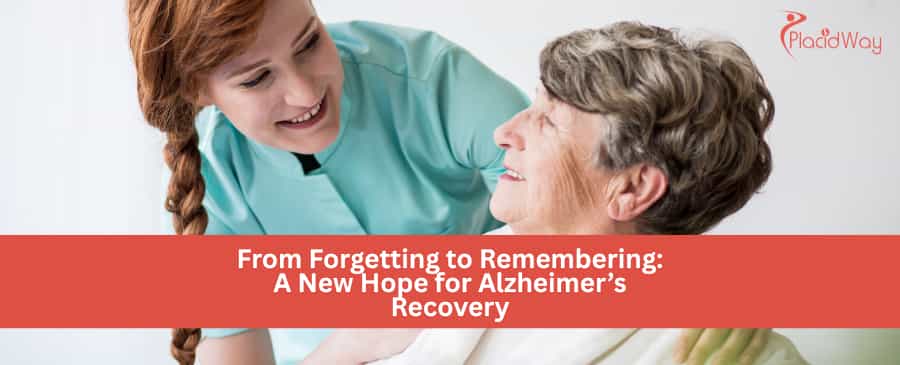
The global landscape of modern healthcare is rapidly evolving, bringing new hope to families facing complex neurological conditions. Stem cell therapy for Alzheimer's in Tijuana has emerged as an innovative option for individuals seeking alternative pathways to manage cognitive decline. By tapping into the body's natural healing mechanisms, regenerative medicine offers a highly specialized approach designed to target the underlying inflammation associated with degenerative brain diseases.
Many patients from the United States are looking across the border to access treatments that are still in prolonged clinical trial phases at home. Medical facilities in Mexico provide an accessible route to these advanced therapies, combining internationally trained medical professionals with state-of-the-art laboratory standards. Through careful evaluation and personalized protocols, these clinics aim to help patients reclaim their quality of life.
- Targets neuroinflammation at a cellular level.
- Utilizes advanced Mesenchymal Stem Cells (MSCs).
- Focuses on improving daily function and cognitive stability.
- Provides a minimally invasive alternative to traditional management.
Regenerative medicine focuses heavily on the "bystander effect," where stem cells secrete growth factors that encourage the body's own damaged cells to repair themselves, rather than just replacing them directly.
How Regenerative Medicine Addresses Cognitive Decline in Mexico
Alzheimer’s disease is characterized by the accumulation of amyloid plaques and tau tangles, which create severe inflammation and destroy neural connections. Regenerative medicine for cognitive decline steps in to address this highly toxic brain environment. The introduced stem cells are known for their immunomodulatory properties, meaning they actively work to calm the aggressive immune response that accelerates brain cell death.
Furthermore, stem cells release neurotrophic factors—specialized proteins that promote the survival, development, and function of neurons. While this therapy is not a definitive cure, most patients experience a stabilization in their symptoms. The goal is to create a healthier neural environment, typically allowing the brain to maintain its current functional capacity for a longer duration.
- Reduces systemic and localized brain inflammation.
- Stimulates angiogenesis (formation of new blood vessels).
- Promotes the secretion of Brain-Derived Neurotrophic Factor (BDNF).
- Aims to clear toxic protein build-ups over time.
According to early clinical observations globally, over 65% of patients undergoing stem cell therapy for neurodegenerative diseases report subjective improvements in energy levels and mental clarity within the first six months.
Why U.S. Patients Choose Medical Tourism in Tijuana for Neurological Care
The geographic proximity of Tijuana to the United States makes it a prime destination for medical travelers, particularly those flying into San Diego and crossing the border via specialized medical fast-lanes. U.S. patients often pursue medical tourism in Tijuana for neurological care because the regulatory environment in Mexico allows for the safe, ethical application of expanded stem cell treatments. This grants patients access to therapies that are otherwise restricted by lengthy bureaucratic processes in North America.
Beyond accessibility, the level of personalized care is a massive draw. Patients frequently report that specialists in Mexico spend significantly more time during consultations, thoroughly addressing family concerns. For example, those seeking advanced stem cell treatments at CellsTime Clinique Tijuana often find multidisciplinary teams ready to craft tailored protocols. This holistic, patient-first methodology fosters deep trust and peace of mind for families navigating complex health journeys.
- Seamless border crossing from San Diego, California.
- Access to ethical, legally approved stem cell therapies.
- Highly personalized, attentive medical consultations.
- Bilingual healthcare staff adhering to international protocols.
When flying into San Diego, ask your chosen clinic if they provide a medical border pass. This pass grants access to a dedicated lane at the border, drastically reducing wait times for patients.
Affordable Stem Cell Therapy for Alzheimer's Cost in Tijuana
One of the most compelling reasons families look abroad is the severe financial burden of experimental neurological treatments. The Alzheimer's treatment cost in Mexico is a fraction of what one might pay out-of-pocket in the U.S. or Europe. The affordability is primarily due to lower administrative and operational costs in Mexico, not a compromise in the quality of the biological materials or laboratory standards.
Transparent pricing is a hallmark of reputable medical tourism facilities. Patients generally receive comprehensive packages that include the cellular products, specialized medical fees, and essential pre-treatment blood work. Below is a realistic comparison to help families budget for this significant healthcare investment.
| Procedure / Treatment Protocol | Average Cost in Tijuana (USD) | Estimated Cost in U.S. (USD) |
|---|---|---|
| Mesenchymal Stem Cell IV Infusion | $5,500 - $8,500 | $20,000 - $35,000+ |
| Stem Cells + Exosome Therapy | $7,000 - $10,500 | $28,000 - $40,000+ |
| Intrathecal Stem Cell Administration | $8,000 - $12,000 | Rarely Available / $45,000+ |
| Specialist Neurological Consultation | $150 - $300 | $500 - $1,500 |
Exosomes are tiny vesicles secreted by stem cells. Many modern clinics in Tijuana now combine exosomes with stem cells to amplify the cellular communication and enhance the therapeutic outcome.
The Patient Evaluation Process at Stem Cell Clinics in Tijuana
Before any cellular therapies are administered, patient safety protocols require a rigorous medical evaluation. Stem cell clinics in Tijuana mandate comprehensive health screenings to determine if an individual is a suitable candidate for regenerative medicine. This evaluation protects the patient and ensures the therapy has a realistic chance of providing clinical benefit.
The process generally begins weeks before travel with telehealth reviews of the patient's existing MRI scans, neurological reports, and blood work. Once the patient arrives in Mexico, in-person physical assessments and updated laboratory tests are conducted. Doctors look closely at cardiovascular health, liver and kidney function, and the specific stage of cognitive decline.
- Remote review of neurological and medical records.
- Comprehensive on-site blood panels (CBC, metabolic panel).
- Detailed cognitive and physical examinations.
- Final approval by a certified regenerative medicine specialist.
Stem cell therapy is generally contraindicated for patients with active cancer, severe active infections, or terminal stages of certain diseases. A strict medical evaluation is mandatory to ensure patient safety.
Types of Stem Cells Used for Alzheimer's Treatment in Mexico
The success and safety of regenerative procedures depend heavily on the quality and source of the biological material. The premier stem cell clinics in Mexico rely almost exclusively on Mesenchymal Stem Cells (MSCs). For neurological conditions, these are typically allogeneic cells, meaning they are sourced from carefully screened, healthy donors.
Umbilical cord tissue, specifically Wharton's Jelly, is the preferred source for these MSCs. Because umbilical cord cells are extremely young, they possess robust replication abilities and potent immunomodulatory factors. Furthermore, these cells are immune-privileged, meaning there is virtually no risk of rejection by the patient's immune system, removing the need for blood-matching.
- Wharton's Jelly MSCs: Sourced ethically from donated umbilical cords post-birth.
- Autologous Cells: Derived from the patient's own fat or bone marrow (less common for advanced age due to cellular aging).
- Exosomes: Acellular products used alongside MSCs to boost neural signaling.
- High Viability Rates: Labs ensure cells are expanded to millions with over 90% survival rates.
Mesenchymal Stem Cells lack the specific markers that trigger a foreign body immune response, making them highly safe for transplant without the need for immunosuppressive drugs.
What to Expect During Your Stem Cell Procedure in Tijuana
Understanding the clinical timeline helps alleviate anxiety for both patients and their caregivers. A typical protocol for regenerative medicine for cognitive decline spans three to five days. It is generally conducted on an outpatient basis, meaning patients return to their hotel or recovery suite each afternoon after their sessions.
The administration itself is usually straightforward and minimally invasive. In most scenarios, millions of stem cells are delivered directly into the bloodstream via a slow intravenous (IV) drip, taking about one to two hours. For more targeted delivery across the blood-brain barrier, some specialized neurologists may perform an intrathecal injection (into the spinal canal) under strict sterile conditions.
- Day 1: Arrival, final medical evaluation, and lab tests.
- Day 2: First phase of stem cell IV infusion and vitamin therapies.
- Day 3: Targeted therapies (intrathecal if prescribed) and observation.
- Day 4/5: Final medical discharge and safe travel home.
Recovery and Post-Treatment Care for Alzheimer's Patients in Mexico
The immediate recovery period following a cellular infusion is notably mild. Patients exploring stem cell therapy for Alzheimer's in Tijuana typically experience only minor fatigue or a slight headache on the day of treatment. Because the body is utilizing immense energy to process the new cellular signals, rest is highly encouraged for the first 48 hours.
Long-term post-treatment care relies on consistent monitoring and lifestyle integration. Stem cells initiate a healing cascade that lasts for months; therefore, families are advised to pair the treatment with cognitive therapies, a nutrient-rich diet, and a calm environment. Clinics will schedule remote telehealth follow-ups to track the patient’s neurological milestones.
- Avoid strenuous physical activity for at least one week post-treatment.
- Stay highly hydrated to facilitate cellular distribution.
- Maintain regular consultations with a local neurologist.
- Participate in ongoing cognitive exercises to stimulate brain plasticity.
Keep a daily symptom journal for the patient starting one week before the procedure and continuing for six months post-procedure. This data is invaluable during follow-up consultations.
Safety Standards and Regulations for Regenerative Medicine in Tijuana
Safety is the absolute priority when choosing international healthcare. Medical tourism in Tijuana is supported by a stringent regulatory framework designed to ensure clinical excellence. All legitimate stem cell laboratories and clinics in Mexico must be licensed and audited by COFEPRIS (The Federal Commission for the Protection against Sanitary Risk), the Mexican equivalent of the FDA.
These strict regulations dictate how biological tissues are harvested, screened, expanded, and administered. High-tier clinics utilize certified cleanrooms and provide detailed Certificates of Analysis (COA) for every batch of stem cells used. This transparency guarantees that the cellular products are completely free of pathogens, viruses, and contaminants.
- Mandatory COFEPRIS licensing for facilities and laboratories.
- Rigorous donor screening protocols exceeding international standards.
- Provision of Cell Viability Certificates to patients.
- Use of ISO-certified cleanroom environments for cell processing.
In certified Mexican facilities, stem cell viability rates consistently exceed 95%, ensuring patients receive healthy, active cells capable of achieving the desired immunomodulatory effects.
Contraindications and Risks of Stem Cell Therapy for Alzheimer's in Mexico
While regenerative medicine shows promise, it is vital to approach it with clinical realism. Reputable stem cell clinics in Tijuana will explicitly state that stem cell therapy is not a magical cure. As with any medical intervention, there are inherent limitations, and strict contraindications exist to protect vulnerable patient populations.
Generally, patients typically experience very few side effects; however, risks such as minor infections at the injection site or temporary low-grade fevers can occur. It is highly contraindicated for individuals with severe late-stage organ failure, active malignancies, or profound systemic infections to undergo cellular therapy, as the cells could potentially exacerbate these underlying conditions.
- Not recommended for patients with active cancer or tumors.
- Risks include mild fever, fatigue, or localized bruising.
- Intrathecal delivery carries rare risks like spinal headaches.
- Treatment aims to manage symptoms, but does not guarantee disease reversal.
Success Rates and Real Expectations for Stem Cell Therapy in Tijuana
Managing family expectations is a crucial part of the medical journey. When seeking Alzheimer's treatment cost in Mexico, families must understand that "success" in regenerative neurology is often measured by the stabilization of cognitive decline rather than sudden memory restoration. Slowing the progression of the disease is considered a profound clinical victory.
Most patients experience subtle, gradual changes. Families typically report improvements in mood stabilization, better sleep patterns, increased awareness, and more meaningful social engagement. While some patients show remarkable improvements in daily functionality, results vary widely depending on the individual's age, disease stage, and overall metabolic health.
- Focus is on preserving current cognitive baseline.
- Improvements often noticed in mood, sleep, and physical energy.
- Results are not immediate; the cellular cascade takes 3 to 6 months.
- Success heavily relies on combining therapy with ongoing neurological care.
The regenerative timeline is not instantaneous. The neurotrophic factors secreted by stem cells work slowly over several months to reconstruct neural pathways and lower brain inflammation.
Preparing for Your Medical Travel to Tijuana for Alzheimer's Treatment
Organizing a cross-border trip for an elderly patient requires careful logistical planning. Properly preparing for medical tourism in Tijuana for neurological care ensures that the journey is stress-free, allowing the patient to remain calm and comfortable. Tijuana's medical infrastructure is built to accommodate international visitors, but families must be proactive.
Ensure all passports are up to date and compile a comprehensive physical folder of the patient’s medical records, MRI scans, and a current list of medications. Because Alzheimer's patients can become easily disoriented, traveling with at least one primary caregiver is mandatory. Most clinics will assist in arranging trusted bilingual transport directly from the San Diego airport to the clinical facility.
- Verify validity of passports or enhanced driver's licenses.
- Organize all medical records, imaging, and lab work into one accessible folder.
- Pack comfortable, loose-fitting clothing for clinic days.
- Notify your local bank about upcoming transactions in Mexico.
Tijuana features dedicated "Medical Lanes" at the border crossing, specifically built to help medical tourists return to the U.S. rapidly, bypassing the standard hours-long traffic lines.
Real Patient Experiences with Stem Cell Therapy for Alzheimer's in Tijuana
Hearing from those who have already navigated this path can offer immense comfort and clarity to families currently weighing their options. The decision to pursue stem cell therapy for Alzheimer's in Tijuana is deeply personal, but the shared experiences of U.S. patients highlight the profound impact that compassionate, advanced care can have.
Below are summaries of experiences from families who traveled to Mexico seeking regenerative solutions for their loved ones. These accounts reflect realistic outcomes, emphasizing improvements in life quality, emotional stability, and the high standards of care received from Mexican medical teams.
Clarity and Connection Restored
"My father was slipping away, becoming increasingly agitated and distant. Four months after his IV stem cell treatment in Tijuana, his mood stabilized drastically. He recognizes his grandchildren more consistently, and the aggressive outbursts have entirely stopped. It gave us our dad back." – Sarah M., California
Exceptional Medical Staff
"We were terrified of crossing the border for medical care. However, the professionalism of the clinical team blew us away. The doctor spent two hours explaining the science of MSCs to us. My wife's cognitive decline has plateaued since the procedure, which is the best outcome we could have prayed for." – Robert T., Texas
A Seamless Travel Experience
"Traveling with someone who has early-stage Alzheimer's is hard. The clinic's transport picked us up in San Diego, handled the border, and took us straight to the facility. The treatment itself was easy on my mom. She slept better that same week and has shown improved short-term memory recall." – Elena G., Arizona
Affordable and Transparent Care
"We were quoted over $30,000 for a clinical trial in the US that didn't even guarantee she'd get the actual cells instead of a placebo. In Tijuana, we paid a fraction of that, knew exactly what she was receiving, and saw real improvements in her daily energy and ability to hold conversations." – David L., Nevada
How PlacidWay Assists Your Stem Cell Therapy Medical Tourism Journey in Tijuana
Navigating international medical options can feel overwhelming, especially when managing a loved one's serious health condition. Choosing the right stem cell clinics in Tijuana requires access to vetted information, transparent pricing, and a clear understanding of the medical protocols offered.
PlacidWay serves as your dedicated platform to simplify this complex process. By connecting you with certified medical centers, we empower you to make informed decisions confidently. Here is how our platform facilitates your medical journey:
- Provides direct access to strictly vetted, internationally accredited stem cell clinics.
- Facilitates direct communication and telehealth consultations with top-tier neurologists.
- Offers comprehensive, transparent cost comparisons for regenerative therapies.
- Equips patients with detailed educational resources on medical procedures and international healthcare standards.
- Helps families secure precise, personalized treatment quotes based on individual medical records.
Frequently Asked Questions
Is stem cell therapy for Alzheimer's in Tijuana safe?
Yes, when performed at certified clinics, stem cell therapy is generally safe. Facilities in Tijuana are strictly regulated by COFEPRIS, Mexico's federal health authority. However, every medical procedure carries some risks, which your doctor will discuss during the evaluation.
How much does stem cell therapy for Alzheimer's cost in Mexico?
The average cost typically ranges from $5,500 to $10,500, depending on the number of sessions and stem cell types used. This represents a significant saving compared to similar experimental therapies in the United States or Europe.
Can stem cells cure Alzheimer's disease?
Currently, there is no known cure for Alzheimer's disease. Regenerative medicine aims to manage symptoms, reduce neuroinflammation, and potentially slow cognitive decline, but it does not reverse the disease entirely.
What type of stem cells are used for neurological conditions?
Mesenchymal Stem Cells (MSCs), often derived from ethically sourced umbilical cord tissue (Wharton's Jelly), are most commonly used. These cells are chosen for their strong immunomodulatory and neuroregenerative properties.
How long does the treatment process take in Tijuana?
Most patients complete their treatment protocols within three to five days. This timeframe allows for initial consultations, necessary blood work, the cellular infusions, and a brief observation period before returning home.
Do I need a passport to travel to Tijuana for medical care?
Yes, a valid passport is required for U.S. citizens re-entering the United States from Mexico. Certain border crossings also accept a passport card or an enhanced driver's license for land travel.
How soon can patients notice improvements after the procedure?
Most patients experience gradual changes within three to six months post-treatment, as the cells work to reduce systemic inflammation. Results vary significantly based on the patient's individual condition and disease stage.
Are there age restrictions for receiving stem cell therapy?
While there is no strict upper age limit, patients must be healthy enough to undergo the procedure. Comprehensive medical evaluations are required to ensure the patient's heart and organ functions can safely handle the treatment.
How are the stem cells administered for Alzheimer's?
Administration is typically done via an intravenous (IV) infusion or, in some specialized cases, an intrathecal injection. The method is determined by the neurologist to maximize the delivery of cells across the blood-brain barrier.
What follow-up care is required after leaving Mexico?
Patients are typically advised to maintain regular check-ups with their primary neurologist back home. Many clinics also provide remote telehealth follow-ups at the 3, 6, and 12-month marks to monitor cognitive progress.
References
- Mayo Clinic. Stem cells: What they are and what they do. https://www.mayoclinic.org/tests-procedures/bone-marrow-transplant/in-depth/stem-cells/art-20048117
- Alzheimer's Association. Treatments and Research. https://www.alz.org/alzheimers-dementia/treatments
- ClinicalTrials.gov. Mesenchymal Stem Cells and Alzheimer's Disease. https://clinicaltrials.gov/ct2/results?cond=Alzheimer+Disease&term=Mesenchymal+Stem+Cells




.png)





.jpg)

.jpg)









Share this listing