


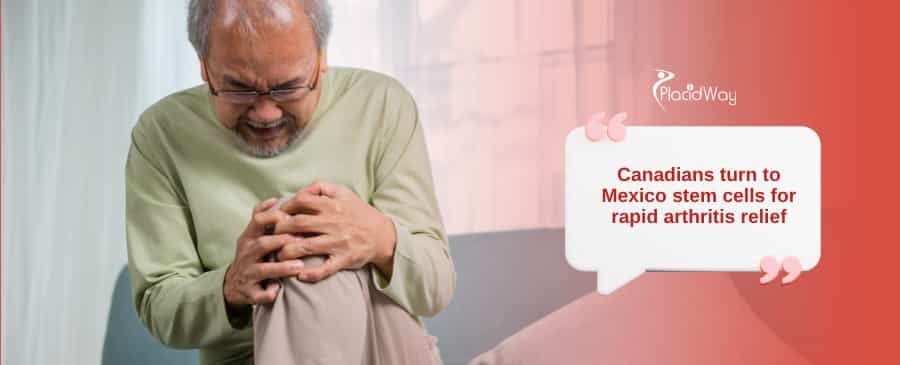
In recent years, an increasing number of individuals from the north are seeking alternatives to conventional joint care, driving a massive surge in medical tourism. Frustrated by long wait times for joint replacement surgeries and limited access to innovative orthobiologics, many look abroad for immediate solutions. Accessing advanced regenerative medicine in Mexico has become a primary alternative for those looking to regain their mobility without facing years of progressive joint deterioration. The country offers a unique combination of rapid access to care, highly qualified medical specialists, and state-of-the-art facilities dedicated to joint restoration.
Furthermore, navigating the healthcare system back home can often involve navigating strict regulatory environments that limit the types of stem cell therapies available to the general public. By choosing international medical travel, Canadians can tap into scientifically backed treatments that utilize highly concentrated cellular therapies. This proactive approach allows patients to potentially halt the progression of arthritis and avoid the extensive downtime typically associated with invasive orthopedic surgeries.
Mexico has emerged as one of the top five global destinations for medical tourism, welcoming over a million international patients annually for various specialized medical procedures, including regenerative therapies.
Understanding Regenerative Medicine for Joint Pain in Mexico
Regenerative medicine focuses on harnessing the body's innate healing mechanisms to repair damaged tissues, making it highly relevant for degenerative conditions like osteoarthritis. Unlike traditional treatments that merely mask pain with corticosteroids or synthetic lubricants, cellular therapy for joint degeneration aims to address the root cause of the discomfort. When introduced into a damaged knee, hip, or shoulder, these specialized cells typically work to reduce localized inflammation, modulate the immune response, and stimulate the regeneration of cartilage cells.
The protocols utilized in leading international clinics often involve Mesenchymal Stem Cells (MSCs), which are highly prized for their robust regenerative capabilities. These cells can be expertly isolated, concentrated, and safely injected directly into the arthritic joint under precise ultrasound guidance. By choosing to pursue stem cell treatments for osteoarthritis in Mexico, patients gain access to modern laboratories that adhere to rigorous processing standards, ensuring that the therapeutic biological material retains maximum viability and efficacy.
Mesenchymal stem cells (MSCs) are multipotent stromal cells that can differentiate into a variety of cell types, including osteoblasts (bone cells) and chondrocytes (cartilage cells), making them highly suitable for joint therapies.
Top Benefits of Choosing Stem Cell Clinics in Mexico
One of the most significant advantages for international patients is the sheer speed of access to world-class medical care. Instead of waiting several months for an initial specialist consultation, medical tourists can often schedule their procedure within a matter of weeks. The top regenerative medicine clinics in Mexico are designed to cater specifically to international visitors, providing streamlined services that respect the patient's time and physical comfort. This rapid intervention is crucial for those suffering from chronic daily pain.
Additionally, these international centers frequently employ bilingual medical staff who have received extensive training or fellowships in North America and Europe. This ensures that the standard of care aligns with global best practices while fostering clear, transparent communication. Patients benefit from personalized treatment plans that go beyond a simple injection, often incorporating supportive therapies such as hyperbaric oxygen therapy or specialized physiotherapy to maximize the potential outcomes of the cellular treatment.
Always request a virtual consultation with the treating physician before booking your trip. This allows you to ask direct questions about their specific cellular processing methods and gauge their expertise.
Affordable Stem Cell Therapy Cost in Mexico Versus Canada
Financial considerations are a massive driving force behind the medical tourism industry, and regenerative medicine is no exception. In regions where private healthcare options are available, out-of-pocket expenses for cellular treatments can be prohibitively expensive, often reaching tens of thousands of dollars. Conversely, the cost of stem cell therapy for arthritis in Mexico is generally a fraction of that price, largely due to differences in administrative overhead, medical liability insurance costs, and the overall cost of living.
Despite the significantly lower price point, the quality of the biological materials and the medical technology utilized remains exceptionally high. Patients can experience comprehensive care packages that cover the initial diagnostics, the cellular harvesting and processing, the guided injection, and initial follow-up consultations. This cost-effective approach allows individuals to invest in their long-term health without depleting their life savings.
| Procedure Name | Average Cost in Mexico (USD) | Estimated Cost in Canada/US (USD) |
|---|---|---|
| Mesenchymal Stem Cell Therapy (Single Knee) | $3,500 - $5,500 | $10,000 - $15,000 |
| Stem Cell Therapy (Hip or Shoulder) | $4,000 - $6,000 | $12,000 - $18,000 |
| Comprehensive Polyarticular Treatment (Multiple Joints) | $6,000 - $9,000 | $20,000 - $30,000 |
Medical tourists traveling southward for regenerative orthopedic procedures typically save between 50% to 70% on total treatment costs compared to equivalent private treatments in their home countries.
How Stem Cell Injections for Arthritis Typically Work
The mechanism behind this innovative therapy relies heavily on the unique biological properties of the injected materials. Once introduced into the deteriorated joint capsule, the therapeutic cells begin to interact with the localized damaged tissue environment. They typically release a concentrated payload of growth factors, cytokines, and exosomes, which collectively signal the body's natural repair mechanisms to activate and migrate to the site of the injury. This process is essential for providing fast joint pain relief through regenerative treatments.
Furthermore, these biological agents are known for their powerful immunomodulatory effects. In arthritic joints, chronic inflammation is the primary driver of continuous cartilage destruction and severe pain. The injected cells generally work to alter the inflammatory microenvironment, switching it from a destructive state to a healing state. Over time, this biological shift helps to reduce swelling, alleviate chronic pain, and create an optimal environment where remaining cartilage cells can thrive and potentially regenerate.
- Targeted Delivery: Injections are precisely guided using fluoroscopy or ultrasound to ensure cells reach the exact point of cartilage wear.
- Inflammation Reduction: Immediate release of anti-inflammatory proteins typically reduces acute joint swelling.
- Cellular Signaling: Growth factors encourage local tissue repair and enhance the survival of existing cartilage.
- Joint Lubrication: Treatments often help restore the natural viscosity of synovial fluid within the joint space.
Evaluating the Best Stem Cell Treatment Centers in Mexico
Choosing the right medical facility is the most critical step in your medical tourism journey. Patients must look beyond glossy marketing and focus on strict medical accreditation, laboratory standards, and the verifiable expertise of the clinical team. High-quality centers will always be transparent about their cell sourcing, expansion protocols, and the safety measures they employ. Many international patients seek out top-rated facilities, such as the comprehensive options for affordable stem cell therapy for arthritis in Mexico at CellsTime Clinique Guadalajara, which provides advanced regenerative protocols tailored to patient needs.
A reputable clinic will also require a thorough pre-treatment medical history review, including recent MRIs and bloodwork, to ensure you are a viable candidate. They should offer a holistic approach to your care, integrating nutritional counseling and post-procedure physical therapy recommendations. Evaluating these elements carefully ensures that your search for trusted international arthritis treatment clinics results in a safe, professionally managed healthcare experience.
Look for clinics that utilize independent third-party lab testing to verify the viability and count of the stem cells before they are administered, ensuring you receive the highest quality therapeutic dose.
Safety and Medical Standards for Regenerative Therapy in Mexico
Safety is a common and highly valid concern for anyone traveling abroad for healthcare. The leading facilities offering secure regenerative medicine in Mexico operate under strict federal guidelines mandated by COFEPRIS (the Mexican equivalent of the FDA). These top-tier clinics maintain ISO-certified cleanrooms and adhere to Good Manufacturing Practices (GMP) when handling biological materials, minimizing the risk of contamination and ensuring maximum patient safety during the procedure.
In addition to facility standards, the clinical teams often comprise board-certified orthopedic specialists and specialized biotechnologists. These professionals utilize sterile, closed-loop systems to process the biological material, drastically reducing the chance of infection. While the regulatory landscape may differ from that in North America, the premier institutions cater specifically to global patients by voluntarily meeting or exceeding international healthcare safety benchmarks.
Stem cell therapy is not a guaranteed cure for osteoarthritis. Results vary widely among individuals, and the procedure is contraindicated for patients with active infections, severe blood disorders, or those undergoing active cancer treatments.
Preparing for Your Stem Cell Procedure in Mexico
Proper preparation is key to ensuring a smooth medical journey and optimizing the potential success of your treatment. Before traveling to seek international stem cell injections for joint pain, your chosen clinic will require comprehensive imaging (such as recent MRIs or X-rays) to accurately assess the extent of joint degeneration. You will also be advised to halt the use of NSAIDs (non-steroidal anti-inflammatory drugs) and systemic corticosteroids for several weeks prior to the procedure, as these can interfere with the body's natural inflammatory healing response triggered by the cells.
Furthermore, patients are typically encouraged to adopt an anti-inflammatory diet and stay well-hydrated leading up to their travel dates. Preparing your home environment for your return is also advisable; while the procedure is minimally invasive, you will need to rest the treated joint for a specific period. Taking these proactive steps ensures that your body is in the best possible state to receive and utilize the regenerative therapy.
Many clinics require patients to avoid alcohol and tobacco for at least two weeks prior to treatment, as these substances can significantly impair cellular viability and restrict necessary blood flow to the joint.
What to Expect During Arthritis Stem Cell Treatment in Mexico
The actual treatment process is typically an outpatient procedure that spans over one to three days, depending on the specific protocol. On the day of the procedure, patients receive local anesthesia at the injection site to ensure comfort. If the orthopedic stem cell procedure utilizes autologous cells, the first step involves a minimally invasive extraction of bone marrow or adipose tissue. If allogeneic (donor) cells are used, the processed biological material is prepared immediately in the laboratory.
Once the cellular mixture is prepared and concentrated, the specialist will utilize advanced imaging technology, such as dynamic ultrasound, to guide the needle with pinpoint accuracy directly into the joint capsule. This precision ensures that the regenerative payload is delivered exactly where the cartilage degradation is most severe. The injection itself takes only a few minutes, after which patients are monitored for a short period before being released to return to their hotel.
- Initial Consultation: Final review of imaging and physical examination of the joint.
- Cell Preparation: Harvesting of autologous cells or thawing/preparation of certified donor cells.
- Guided Injection: Precise administration into the joint space under local anesthesia.
- Observation: A brief 30 to 60-minute monitoring period to ensure no immediate adverse reactions.
Typical Recovery Timeline for Stem Cells in Mexico
Recovery from this minimally invasive approach is vastly different from the grueling rehabilitation required after a total joint replacement surgery. In the first few days following stem cell therapy for knee or hip arthritis, patients typically experience mild to moderate localized swelling and discomfort. This is a normal, expected reaction indicating that the biological healing cascade has been activated. Clinics advise against using ice or strong anti-inflammatory medications during this phase to allow the cells to work unimpeded.
Within two to four weeks, the initial post-procedure stiffness generally subsides, and many patients begin to notice a gradual reduction in their baseline arthritic pain. By the second or third month, increased mobility and improved joint function are commonly reported. The regenerative process continues to evolve subtly, with maximum clinical benefit typically observed between the six and nine-month mark post-injection.
Clinical observations indicate that up to 75% of suitable candidates report a significant decrease in joint pain and an improvement in daily functional mobility within the first three to six months following their procedure.
Who is a Good Candidate for Stem Cell Joint Therapy in Mexico
While regenerative therapies offer incredible potential, they are not a universal fix for every degree of joint damage. The ideal candidate for advanced osteoarthritis cell therapy is typically an individual suffering from mild to moderate cartilage degradation. These patients still have a foundational layer of cartilage within the joint space, which provides a structural matrix for the new cells to attach to and potentially rebuild upon. Patients who are looking to delay invasive surgery are often prime candidates.
Conversely, those with severe, end-stage osteoarthritis characterized by complete "bone-on-bone" friction with severe anatomical deformities may not achieve the desired structural regeneration. However, even in advanced cases, some patients pursue this therapy purely for its potent anti-inflammatory and pain management benefits. A thorough medical evaluation is strictly necessary to set realistic expectations based on individual pathology.
- Individuals with chronic joint pain that is unresponsive to standard conservative treatments (physical therapy, mild pain relievers).
- Patients looking for a minimally invasive alternative to total joint replacement surgery.
- Those in generally good health without severe autoimmune or active oncological conditions.
- Individuals willing to commit to post-procedure physical rehabilitation to maximize the therapy's benefits.
Real Patient Experiences with Stem Cells in Mexico
Hearing from individuals who have navigated this exact medical tourism path can provide invaluable insight and peace of mind. Many Canadians have shared highly positive outcomes regarding their journeys to seek affordable joint regeneration in Mexico. Their stories often highlight not just the clinical success, but the compassion of the medical staff and the ease of the travel experience.
Below are brief summaries of real international patient experiences who sought alternative orthopedic solutions abroad, detailing their motivations and the typical outcomes they experienced following their regenerative treatments.
David from Ontario - Knee Osteoarthritis
Facing a two-year waitlist for knee surgery, David traveled southward. He reported that within eight weeks of his stem cell injections, his daily stiffness had decreased dramatically, allowing him to resume playing golf without reliance on daily painkillers.
Sarah from British Columbia - Shoulder Degeneration
Sarah suffered from severe rotator cuff wear and tear. Seeking an alternative to invasive surgery, she opted for cellular therapy abroad. She noted significant improvement in her range of motion and a cessation of night-time pain by month four.
Michael from Alberta - Hip Joint Pain
Struggling to walk his dog due to hip pain, Michael decided to explore regenerative options. He was highly impressed with the facility's hygiene standards and reported that the treatment delayed his need for a hip replacement, granting him several pain-free years.
Elena from Quebec - Polyarticular Arthritis
Suffering from pain in multiple joints, Elena received a comprehensive systemic and localized cellular treatment. She experienced a profound reduction in generalized inflammation, which vastly improved her overall energy levels and quality of life.
Potential Risks of Stem Cell Therapy for Joint Pain in Mexico
As with any medical intervention, understanding the inherent risks is crucial for making an informed decision. While regenerative joint treatments for international patients are generally considered safe due to their minimally invasive nature, complications can still occur. The most common minor side effects include temporary pain, swelling, and redness at the injection site, which typically resolve within a few days without medical intervention.
More severe risks, though rare when procedures are performed in accredited facilities under sterile conditions, can include joint infections or adverse immunological reactions. It is precisely because of these risks that medical tourists must avoid uncertified pop-up clinics and rely only on thoroughly vetted medical institutions. Honest specialists will openly discuss these risks and never guarantee an absolute cure for degenerative diseases.
The risk of tissue rejection is virtually eliminated when using autologous (your own) stem cells, and remains extremely low with ethically sourced, rigorously screened allogeneic (donor) umbilical cord cells due to their immune-privileged nature.
How PlacidWay Assists Your Stem Cell Therapy Medical Tourism Journey in Mexico
Planning international medical travel can feel overwhelming, especially when trying to discern the quality of foreign healthcare providers from a distance. PlacidWay simplifies this process by acting as a trusted bridge between international patients and globally accredited medical institutions. We are dedicated to empowering patients to make informed, confident decisions regarding their medical tourism journey for arthritis treatments.
Our platform focuses on transparency and medical excellence, ensuring that your pursuit of regenerative medicine is safe, structured, and professionally managed from your very first inquiry.
- Connecting you with top-tier, certified regenerative medicine clinics and board-certified orthopedists.
- Providing comprehensive access to verifiable doctor profiles, clinic accreditations, and authentic patient testimonials.
- Facilitating the secure transfer of your medical records and imaging for accurate remote clinical evaluations.
- Assisting in scheduling initial virtual consultations with your chosen specialist to discuss treatment protocols.
- Offering dedicated patient support teams to help you navigate international healthcare communication seamlessly.
Why are Canadians traveling to Mexico for stem cell therapy?
Many Canadians travel to Mexico to avoid long healthcare wait times and access affordable stem cell treatments. Clinics in Mexico often utilize advanced regenerative therapies that are either more accessible or less restricted than in Canada.
Is stem cell therapy for arthritis safe in Mexico?
Generally, it is considered safe when performed at certified and internationally accredited clinics by experienced medical professionals. However, patients must conduct thorough research and consult their primary care physician before undergoing any procedure.
How much does stem cell therapy for joint pain cost in Mexico?
The cost typically ranges between $3,500 and $9,000 depending on the specific joint being treated and the type of stem cells used. This is often significantly lower than the out-of-pocket costs for similar private treatments in North America.
What type of stem cells are used for arthritis treatments?
Most clinics utilize Mesenchymal Stem Cells (MSCs), which are typically sourced from the patient's own bone marrow or adipose tissue, or ethically derived umbilical cord tissue. These cells are preferred for their regenerative and anti-inflammatory properties.
How long does it take to see results after joint stem cell injections?
While individual results vary, most patients typically begin to experience noticeable pain relief and improved mobility within four to eight weeks. The regenerative process can continue to improve joint function for up to six months.
Will I need multiple stem cell treatments for my arthritis?
Many patients achieve their desired level of relief after a single comprehensive treatment session. However, depending on the severity of the osteoarthritis, some individuals may opt for booster injections after a few years.
Do I need a special medical visa to get treatment in Mexico?
Canadian citizens generally do not need a special medical visa for short-term treatments in Mexico. A standard tourist entry allows Canadians to stay for up to 180 days, which is more than enough time for the procedure and initial recovery.
Can stem cell therapy completely cure my osteoarthritis?
No medical procedure can guarantee a complete cure for osteoarthritis. Stem cell therapy aims to reduce inflammation, manage pain, and potentially repair damaged cartilage to improve quality of life, but it is a management tool rather than a definitive cure.
Are there any contraindications for stem cell therapy in Mexico?
Yes, individuals with active systemic infections, certain types of blood cancers, or severe autoimmune diseases are typically not ideal candidates. A comprehensive medical evaluation is necessary to determine if the treatment is appropriate for you.
How does PlacidWay help me find a reputable clinic?
PlacidWay connects international patients with accredited clinics and certified doctors globally. They provide transparent profiles, patient reviews, and facilitate direct communication with healthcare providers to ensure informed decision-making.
References
- Mayo Clinic. Stem cell therapy: What it is and what it does. https://www.mayoclinic.org/tests-procedures/bone-marrow-transplant/in-depth/stem-cells/art-20048117
- Food and Drug Administration (FDA). Important Patient and Consumer Information About Regenerative Medicine Therapies. https://www.fda.gov/vaccines-blood-biologics/consumers-biologics/important-patient-and-consumer-information-about-regenerative-medicine-therapies
- Centers for Disease Control and Prevention (CDC). Medical Tourism: Travel for Medical Care. https://wwwnc.cdc.gov/travel/page/medical-tourism
.png)
















Share this listing