



Soft tissue and bone sarcomas are rare and complex forms of cancer that require highly specialized, multidisciplinary care. For many patients residing in the United States and Canada, accessing innovative or alternative therapies can be geographically and financially challenging. Consequently, a growing number of individuals are crossing borders to seek sarcoma treatments in Mexico. Exploring these international healthcare avenues allows patients to find customized care plans tailored to their unique medical profiles.
International medical travel requires careful consideration, but it opens doors to integrative therapies that might not be widely available domestically. Facilities just across the southern border offer comprehensive protocols designed to support the body’s natural healing mechanisms alongside traditional medical interventions. By researching medical tourism in Mexico, individuals can make informed decisions about their health journeys. Patients typically find that a blend of modern medicine and holistic support provides a well-rounded approach to managing this aggressive disease.
- Carefully formulated targeted therapies aimed at specific tumor cell markers.
- Advanced localized and whole-body hyperthermia protocols.
- High-dose intravenous vitamin C and essential mineral infusions.
- Metabolic therapies designed to restrict tumor energy supply.
- Immunotherapy programs utilizing dendritic cells and natural killer cells.
Sarcomas represent less than 1% of all adult cancer diagnoses, making it crucial to find specialized centers familiar with this rare pathology. Many border-city clinics dedicate specific divisions solely to rare tumor types.
Why Tijuana is Becoming a Hub for Alternative Cancer Care
Located just minutes from the vibrant city of San Diego, California, Tijuana has transformed into a globally recognized epicenter for specialized medical travel. This proximity offers a distinct logistical advantage for North American patients seeking advanced healthcare without enduring long-haul flights. The ease of access significantly reduces the physical strain on individuals who are already managing the exhausting symptoms of an oncology diagnosis. Furthermore, the region’s medical districts are specifically designed to cater to the comforts and needs of international visitors.
The paradigm of oncology care in this region focuses heavily on integrative and alternative modalities that emphasize patient quality of life. Medical professionals in the area are often trained internationally, bringing a diverse wealth of knowledge back to their home institutions. This diverse expertise has cultivated a fertile environment for alternative cancer treatments in Tijuana. Patients are generally drawn to the compassionate, individualized attention they receive, contrasting sharply with the often-rushed atmosphere of standard domestic healthcare systems.
- Seamless border crossing options utilizing specialized medical lanes.
- Bilingual medical staff ensuring clear, transparent communication.
- Access to cutting-edge therapies approved in Europe and Asia.
- State-of-the-art diagnostic imaging centers at accessible price points.
- Comprehensive supportive care emphasizing nutritional and mental health.
According to medical tourism sector reports, more than 1.2 million international patients travel to Mexico annually for healthcare services, with oncology and specialized therapies representing a rapidly expanding segment.
Exploring Advanced Sarcoma Therapies Available in Tijuana
A major driving factor for patients seeking an affordable sarcoma treatment in Mexico is the broad spectrum of therapeutic options not routinely offered by domestic providers. Integrative facilities combine standard-of-care practices with innovative functional medicine strategies to create a multi-pronged attack on cancerous tissues. This environment allows for the rapid implementation of emerging therapies once they demonstrate reasonable safety and potential efficacy. By widening the therapeutic arsenal, doctors can adapt treatments swiftly in response to the patient's real-time physical condition.
Personalization is the cornerstone of these advanced therapies, moving away from a one-size-fits-all approach to medicine. Specialists carefully analyze tumor markers, genetic profiles, and overall immune health to design a bespoke daily protocol. Patients are typically treated as whole individuals, meaning that while the primary focus is destroying malignant cells, equal importance is placed on protecting healthy tissue. This balanced approach frequently results in fewer debilitating side effects and improved daily functioning during the treatment cycle.
- Ozone therapy to increase tissue oxygenation and inhibit tumor growth.
- Photodynamic therapy utilizing light-sensitive compounds to target malignant cells.
- Insulin potentiation therapy (IPT) to deliver lower doses of chemotherapy effectively.
- Extracorporeal blood oxygenation and ozonation (EBOO) for systemic detoxification.
- Peptide therapies to enhance cellular repair and immune modulation.
While integrative therapies offer promising supportive care, results vary significantly from person to person. Alternative treatments should not automatically replace conventional therapies, and thorough consultation with a qualified oncologist is essential before adjusting any medical regimen.
Affordable Sarcoma Treatment Cost in Mexico vs. the United States
Financial toxicity is a severe burden for individuals battling complex diseases, often causing as much distress as the physical illness itself. In the United States, out-of-pocket expenses, copayments, and the cost of experimental trials can quickly deplete a family's life savings. Exploring the sarcoma treatment cost in Mexico reveals a stark contrast, offering substantial financial relief without a concurrent drop in medical expertise. This economic viability allows patients to undergo longer, more comprehensive therapeutic programs than they could afford at home.
The reduced pricing is primarily due to lower administrative overhead, favorable exchange rates, and a healthcare system that generally avoids heavily inflated pharmaceutical pricing. Patients can typically expect transparent billing structures from reputable international centers, mitigating the stress of surprise medical bills. By budgeting efficiently, families can allocate resources toward continuous care and necessary lifestyle modifications rather than overwhelming medical debt. Below is an overview of realistic market ranges for specialized treatments.
| Procedure / Program Name | Average Cost in Mexico | Cost Comparison (USA/Canada) |
|---|---|---|
| Integrative Sarcoma Care Program (3 Weeks) | $18,000 - $35,000 | $80,000 - $150,000+ |
| Local Hyperthermia Therapy (Per Session) | $300 - $500 | $1,500 - $3,000 |
| Dendritic Cell Vaccine Protocol | $8,000 - $15,000 | $30,000 - $50,000 (Often unavailable) |
| High-Dose IV Vitamin C (Per Session) | $100 - $150 | $250 - $600 |
Always request a detailed, itemized quote before traveling. Ensure you understand what is included, such as daily meals, local transportation to the facility, and post-treatment take-home medications, as these can impact your overall budget.
The Role of Immunity Therapy Center in Tijuana Mexico
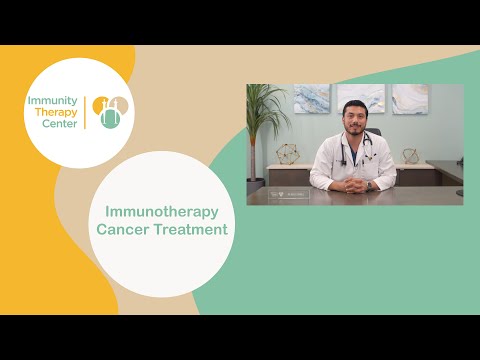
Among the distinguished medical facilities in the region, patients frequently research specific hubs dedicated explicitly to complex immune modulation and oncology. A standout institution often discussed in patient circles is the Immunity Therapy Center, known for its dedication to non-invasive, customized treatment plans. Those seeking detailed program specifics often explore the Alternative Cancer Treatment by ITC to understand how their distinct methodologies operate. This facility embodies the modern shift toward recognizing the patient's immune system as the primary vehicle for healing.
The philosophy of such centers revolves around meticulously identifying the underlying dysfunctions that allow sarcomas to thrive and proliferate. By addressing these root causes through nutritional science, detoxification, and targeted immune stimulation, the center aims to restore internal cellular balance. Facilities like this are generally highly respected for their extensive array of over twenty different alternative therapies available under one roof. This comprehensive approach is a primary reason why sarcoma clinics in Mexico attract such a diverse international clientele.
- Access to individualized, daily adjusted medical protocols.
- Emphasis on non-toxic therapies designed to preserve organ function.
- Comfortable, home-like clinical environments to reduce psychological stress.
- Dedicated medical coordinators acting as patient advocates.
- Extensive post-treatment home care planning and remote monitoring.
The most advanced integrative clinics assess a patient's progress daily, allowing physicians to tweak dosages and therapies in real-time. This dynamic approach contrasts with standard protocols that are often rigidly set for months at a time.
Integrating Conventional and Alternative Sarcoma Treatment Protocols
Integrative oncology is rapidly becoming the gold standard for patients who wish to maximize their healing potential by combining the best of multiple medical worlds. In treating complex soft tissue and bone tumors, combining surgical intervention or low-dose chemotherapy with supportive alternative care often yields enhanced physiological responses. This dual approach aims to attack the primary tumor conventionally while simultaneously strengthening the immune system to hunt down circulating tumor cells. Such integration is a key focal point for medical tourism in Tijuana, offering a balanced perspective on disease management.
The synergy created by blending these modalities helps mitigate the severe side effects typically associated with standard oncological care. For example, specific intravenous nutrients and hyperbaric oxygen therapy can significantly reduce the nausea, fatigue, and neuropathy caused by radiation and chemotherapy. Patients generally find that this integrative safety net allows them to complete their required conventional treatments with far greater comfort and resilience. This comprehensive supportive care is vital for maintaining a strong physical baseline.
- Minimizing systemic toxicity and protecting healthy organ function.
- Accelerating post-surgical recovery times through regenerative medicine.
- Enhancing the efficacy of low-dose chemotherapies via metabolic conditioning.
- Supporting gut microbiome health during aggressive medicinal regimens.
- Providing robust psychological support to combat treatment fatigue.
Clinical studies published in prominent medical journals indicate that integrative oncology approaches can significantly improve quality-of-life markers, such as sleep patterns and pain management, for patients undergoing aggressive cancer treatments.
Preparing for Your Medical Tourism Journey to Tijuana
Embarking on a healthcare journey across international borders requires meticulous logistical planning and emotional preparation. Establishing a clear line of communication with your chosen facility ensures that all pre-arrival requirements, including medical record transfers, are completed smoothly. Gathering comprehensive pathology reports, recent imaging scans, and detailed treatment histories is essential for the receiving medical team to design a safe protocol. Ensuring these documents are translated or clearly summarized can significantly expedite your initial consultations.
Packing for an extended medical stay involves preparing for both comfort and changing weather conditions in the Baja California region. Patients are encouraged to bring loose, comfortable clothing that easily accommodates intravenous lines and physical examinations. Securing valid travel documentation, such as an updated passport, and notifying your bank of international travel will prevent unnecessary administrative hurdles. Proper preparation ultimately alleviates stress, allowing the patient to focus entirely on rest and healing.
- Organize all medical records chronologically in both physical and digital formats.
- Ensure your passport is valid for at least six months beyond your travel dates.
- Coordinate with a trusted companion to accompany you as a primary caregiver.
- Pack highly specific comfort items from home, such as a favorite pillow or blanket.
- Arrange a reliable communication plan to keep extended family updated.
Many clinics offer secure shuttle services directly from the San Diego International Airport across the border. Utilize these services to avoid the stress of navigating border traffic and international taxi services independently.
Navigating the Legal and Safety Standards for Sarcoma Clinics in Mexico
Safety and regulatory compliance are understandably among the highest priorities for international patients evaluating cross-border healthcare. Legitimate medical establishments in Mexico are strictly governed by COFEPRIS, the federal commission for protection against sanitary risk, akin to the FDA in the United States. This regulatory body enforces rigorous hygiene, operational, and medical standards that clinics must routinely meet to maintain their licensing. Verifying a facility's compliance with these national standards is a crucial step in ensuring a safe sarcoma treatment in Mexico.
In addition to national regulations, top-tier medical facilities frequently pursue international accreditations and board certifications for their staff. This dedication to continuing medical education ensures that the physicians remain at the forefront of global oncological advancements. Prospective patients should actively request to see the credentials of their primary medical team before committing to a treatment program. Transparent clinics are typically proud to showcase their qualifications and the scientific backing of their protocols.
- Verification of active, unblemished COFEPRIS operating licenses.
- Physicians holding active medical board certifications in specialized fields.
- Adherence to strict sterile protocols and advanced infection control measures.
- Transparent reporting of clinical data and procedural success markers.
- Utilization of standardized, modern diagnostic and therapeutic equipment.
Many top specialists in Tijuana have completed fellowships or specialized training in the United States or Europe, meaning they practice medicine adhering to strict, globally recognized clinical guidelines.
Comprehensive Diagnostic and Post-Treatment Care for Sarcoma
Accurate baseline diagnostics are the foundation of any successful medical intervention, particularly for aggressive malignancies like sarcoma. High-quality clinics provide comprehensive screening technologies, ranging from advanced PET/CT scans to targeted genetic sequencing of tumor biopsies. These precise diagnostics allow the medical team to construct a highly personalized map of the patient’s disease before therapies commence. Continuous monitoring throughout the stay ensures that the sarcoma treatment cost in Mexico translates into measurable, data-driven medical progress.
The commitment to the patient extends far beyond the final day of in-clinic therapies; robust post-treatment care is vital for long-term health. Before returning home, patients typically receive exhaustive exit consultations detailing their customized home-care regimens, dietary plans, and oral supplement schedules. Telemedicine has revolutionized this phase, allowing Mexican physicians to conduct regular video follow-ups and monitor local blood work results. This continuum of care is designed to prevent relapse and maintain the health gains achieved during the clinical stay.
- In-depth initial blood panels assessing immune function and inflammatory markers.
- Regular mid-treatment ultrasound or radiographic imaging to track tumor response.
- Provision of multi-month supplies of specialized nutraceuticals upon departure.
- Scheduled virtual consultations connecting the patient, local oncologist, and clinic team.
- Access to dedicated patient care portals for seamless record sharing.
Effective post-treatment remote monitoring can reduce the risk of clinical complications by ensuring that patients adhere strictly to complex home-care protocols and promptly report any emerging symptoms.
Real Patient Experiences with Sarcoma Treatment in Tijuana
Understanding the lived experiences of former patients offers invaluable insight into the day-to-day realities of pursuing healthcare abroad. Patient narratives shed light on the compassionate care environment, the rigorous daily therapy schedules, and the emotional resilience required for such a journey. Exploring real-world outcomes related to affordable sarcoma treatment in Mexico helps individuals set realistic expectations regarding their own potential recovery timelines. While medical outcomes are strictly individual, the overarching themes of hope and personalized attention frequently resonate in these stories.
Testimonials provide a window into how integrative protocols affect energy levels, pain management, and emotional well-being. It is important to approach these accounts as personal stories rather than guaranteed medical outcomes, as the nature of sarcoma makes every case inherently unique. However, hearing how others have navigated the complexities of international medical travel can significantly ease anxiety for incoming patients. Below are summarized accounts reflecting the typical patient experience in this region.
Overcoming Treatment Fatigue
After exhausting standard protocols for a soft tissue sarcoma, David M. (USA) traveled to Tijuana seeking supportive therapies. Through a combination of hyperthermia and targeted nutrition, he reported a significant reduction in chronic pain and a noticeable stabilization in his condition, allowing him to regain a higher quality of life.
A Compassionate Care Environment
Sarah L. from Canada was diagnosed with a rare bone sarcoma and struggled with the clinical atmosphere back home. Her time in Mexico provided her with customized daily care and extensive emotional support. She noted that the personalized attention from the bilingual staff made her intensive three-week program remarkably manageable.
Integrative Approach Success
Facing a challenging prognosis, Robert T. opted for an integrative approach in Tijuana alongside his local chemotherapy. By utilizing ozone therapy and high-dose vitamin C, he managed to mitigate severe side effects, maintaining his strength and appetite throughout the duration of his conventional treatments.
Empowered through Education
Elena G. traveled seeking alternatives for a recurring sarcoma and found immense value in the educational aspect of her care. The doctors took the time to explain the science behind her metabolic therapies. She returned home equipped with a robust nutritional and supplemental plan that she continues to follow diligently.
Dietary and Holistic Approaches Complementing Sarcoma Care
Nutrition is increasingly recognized as a vital component of any comprehensive oncology strategy, acting as both a defensive shield and an offensive weapon. Specialized clinics employ clinical nutritionists to design dietary protocols that aim to starve tumor cells of their preferred fuel sources, primarily refined sugars and simple carbohydrates. This metabolic approach is a fundamental pillar of alternative cancer treatments in Tijuana, focusing on nutrient-dense, organic, whole foods. Patients are generally taught how to prepare these healing meals, ensuring dietary compliance once they return home.
Beyond physical nutrition, holistic therapies play a crucial role in mitigating the intense psychological toll of a cancer diagnosis. Stress management techniques such as meditation, gentle yoga, and spiritual counseling are frequently integrated into the daily clinical schedule. By actively lowering cortisol levels and reducing systemic inflammation, these holistic practices create a physiological environment highly conducive to healing. Patients consistently report that this mind-body focus significantly improves their overall treatment experience and fortitude.
- Implementation of ketogenic or specifically tailored plant-based oncology diets.
- Extensive use of freshly pressed organic juices to flood the body with micronutrients.
- Guided meditation and biofeedback sessions to regulate the nervous system.
- Acupuncture therapies targeting pain relief and chemotherapy-induced nausea.
- Art and music therapy to provide emotional outlets and reduce clinical anxiety.
Analyzing Success Markers for Medical Tourism in Mexico
Evaluating the success of integrative oncology requires looking beyond simple tumor reduction to include comprehensive quality of life metrics. While standard medicine often views success purely in terms of pathological response, alternative paradigms emphasize the patient’s vitality, immune strength, and functional independence. Many who seek medical tourism in Mexico consider their journey successful if they can arrest disease progression while simultaneously returning to their daily hobbies and family life. Success is inherently personal and varies wildly based on disease stage and individual physiology.
Clinicians track progress using a combination of objective clinical data and subjective patient reporting to paint a complete picture of health. Regular blood work monitoring tumor markers, alongside advanced imaging, provides the hard data required to justify ongoing protocols. Simultaneously, improvements in sleep quality, appetite, and emotional stability serve as crucial daily indicators of a healing body. Patients are encouraged to celebrate these holistic victories as they navigate their long-term health strategies.
- Stabilization or reduction of specific tumor blood markers.
- Noticeable improvements in daily energy levels and physical stamina.
- Reduction in the need for heavy pain management medications.
- Enhanced immunological panels showing robust white blood cell activity.
- Restoration of a healthy appetite and stable, healthy body weight.
Quality of life is an officially recognized clinical endpoint in modern oncology trials. Improving a patient's daily comfort and functionality is increasingly viewed as a primary objective of comprehensive cancer care.
How PlacidWay Assists Your Sarcoma Medical Tourism Journey in Mexico
Navigating the complex landscape of international healthcare can be an overwhelming endeavor, particularly for individuals actively managing a serious illness. Identifying reputable, specialized clinics that meet rigorous international safety standards requires extensive research and industry knowledge. This is where dedicated medical tourism platforms step in, acting as essential liaisons between international patients and top-tier healthcare providers. PlacidWay simplifies this overwhelming process, empowering patients to make confident, well-informed healthcare decisions.
By offering a structured framework for evaluating cross-border medical options, the platform removes much of the guesswork associated with seeking treatment abroad. Patients gain access to a curated network of vetted professionals, ensuring they connect with specialists truly equipped to handle complex oncology cases. The focus remains entirely on delivering transparent, high-value assistance throughout the planning phases. Here is how PlacidWay facilitates your medical journey.
- Connecting patients with highly vetted, internationally recognized sarcoma specialists.
- Facilitating the secure transfer and translation of critical medical records.
- Providing detailed, transparent cost comparisons for targeted therapy programs.
- Offering access to comprehensive clinic profiles, including doctor credentials and patient reviews.
- Assisting with the scheduling of initial remote telehealth consultations.
- Streamlining the acquisition of customized, itemized medical quotes.
Frequently Asked Questions About Sarcoma Care in Mexico
When considering international medical travel for complex diagnoses, prospective patients naturally have numerous logistical, financial, and medical questions. Gathering accurate information is the most crucial step in determining if cross-border healthcare aligns with your personal medical goals. Patients are encouraged to ask detailed questions regarding clinic safety, treatment protocols, and the realities of traveling while ill.
To assist in your research, we have compiled a list of common inquiries addressing the most pressing concerns shared by international patients. These answers aim to demystify the experience of seeking affordable sarcoma treatment in Mexico and provide clarity on what to expect. Reviewing these fundamentals will help you engage more productively in consultations with potential healthcare providers.
Is it safe to travel to Tijuana for sarcoma treatments?
Yes, thousands of international patients safely travel to Tijuana each year for medical care. Reputable clinics provide secure transport, and the medical districts are generally highly monitored and safe for medical tourists.
How much do sarcoma clinics in Mexico typically charge?
Costs vary based on the customized protocol, but patients typically save between 50% and 70% compared to equivalent private treatments in the United States. A comprehensive three-week program often ranges from $18,000 to $35,000.
Can I continue my regular oncology care while in Mexico?
Absolutely, many clinics specialize in integrative oncology, meaning their alternative therapies are designed to complement conventional treatments like chemotherapy. Always coordinate with both your local oncologist and your Mexican medical team.
Will my US health insurance cover sarcoma treatment in Mexico?
Most standard US health insurance plans do not cover alternative medical treatments abroad. However, patients generally fund their care out-of-pocket, utilizing medical loans, fundraising, or health savings accounts.
What documents do I need for medical tourism in Mexico?
You will need a valid passport to re-enter the United States. It is also essential to bring comprehensive medical records, pathology reports, imaging discs, and a list of current medications.
How long is a typical sarcoma treatment program in Tijuana?
Most intensive integrative cancer programs last between three to six weeks of daily outpatient or inpatient therapies. Following this initial phase, patients usually transition to a customized home-care protocol.
What type of follow-up care is provided after returning home?
Reputable centers typically offer continuous remote monitoring, telehealth consultations, and adjusted home protocols. Patients are encouraged to conduct regular blood work and imaging with their local primary care physicians.
Do doctors in Tijuana speak English?
Yes, the vast majority of physicians and medical staff in Tijuana’s specialized medical tourism clinics are fully bilingual. Patient coordinators ensure clear communication regarding all medical procedures and protocols.
Are alternative therapies for sarcoma scientifically proven?
Many integrative therapies, such as localized hyperthermia and specific immunotherapies, are supported by clinical research and widely used in Europe and parts of Asia. However, results vary by individual, and they are generally used to complement traditional medicine.
How soon can I begin treatment after contacting a clinic?
Due to the urgent nature of cancer care, clinics in Mexico generally process admissions rapidly. Once your medical records are reviewed and approved, treatment can typically commence within a matter of days.
Take the next step in your healing journey. Contact PlacidWay today to explore customized, integrative sarcoma treatments in Mexico and receive a comprehensive, personalized treatment plan.
References
- National Cancer Institute. Soft Tissue Sarcoma Treatment. https://www.cancer.gov/types/soft-tissue-sarcoma
- American Cancer Society. What is a Soft Tissue Sarcoma? https://www.cancer.org/cancer/soft-tissue-sarcoma.html
- Mayo Clinic. Sarcoma - Symptoms and causes. https://www.mayoclinic.org/diseases-conditions/sarcoma/symptoms-causes/syc-20351048
















Share this listing