



In recent years, the landscape of global healthcare has shifted dramatically, prompting a growing number of patients to seek medical solutions beyond their home borders. For Canadians facing complex oncology diagnoses, the extended wait times and limited access to cutting-edge integrative therapies in the public healthcare system can be overwhelming. Consequently, pursuing stomach cancer treatment in Mexico has emerged as a beacon of hope, providing access to immediate, comprehensive care.
Renowned global oncology facilities, including the Immunity Therapy Center in Tijuana, Mexico, are redefining standard patient care by offering multidisciplinary approaches that prioritize both tumor management and the patient's quality of life. By blending conventional medicine with evidence-based holistic practices, these centers provide highly personalized therapeutic regimens tailored to the unique biological markers of each patient's condition.
According to medical tourism industry reports, the number of North Americans traveling abroad for oncology treatments has grown by an estimated 15% annually, driven primarily by the desire for reduced wait times and access to specialized integrative care.
Understanding Alternative Stomach Cancer Therapies in Mexico
When discussing medical tourism for oncology, it is vital to understand the methodology behind integrative cancer care. Mexican clinics rarely rely on a single modality; instead, they generally employ a synergistic approach. This means combining standard treatments—such as low-dose chemotherapy or radiation—with immune-boosting therapies designed to strengthen the body's natural defenses against malignant cells.
Patients exploring these options often look toward specialized facilities to find a balance between aggressive tumor targeting and minimizing toxic side effects. By researching alternative stomach cancer treatment in Tijuana, Canadians can discover protocols involving hyperthermia, targeted immunotherapies, and advanced biological treatments that are typically not standard practice in their home province's healthcare system.
Hyperthermia therapy, frequently utilized in Mexican oncology centers, involves safely raising the body's core temperature to make cancer cells more vulnerable to traditional treatments like chemotherapy and radiation.
Why Canadians Choose Stomach Cancer Clinics in Mexico
The primary driver for Canadians seeking affordable cancer therapies abroad is the urgency of time. Gastric cancer often requires immediate, aggressive intervention. In a publicly funded system, the backlog for specialist consultations, advanced imaging, and subsequent treatment initiation can unfortunately take weeks or months. Clinics in Mexico eliminate these administrative delays, frequently admitting patients and beginning therapeutic protocols within days of the initial inquiry.
Furthermore, proximity plays a significant role. Mexico shares accessible time zones with North America, and major medical hubs like Tijuana are located just minutes across the US border. This geographical convenience makes travel significantly less taxing for patients whose physical strength may be compromised, establishing Mexico as a highly practical destination for profound medical interventions.
Many of the leading oncology centers in Mexico are located in border cities, specifically designed with the infrastructure to cater primarily to international patients from the United States and Canada.
Stomach Cancer Treatment Cost in Mexico vs Canada
Understanding the financial aspects of cross-border healthcare is a critical step for patients and their families. While the Canadian public healthcare system covers standard domestic procedures, patients who opt for private, out-of-country integrative care must pay out of pocket. Fortunately, the stomach cancer treatment cost in Mexico is generally significantly more economical than seeking similar private treatments in the United States or other parts of the world.
The affordability does not equate to a compromise in medical quality. Lower administrative costs, reduced malpractice insurance overheads, and differences in the cost of living allow Mexican facilities to offer highly sophisticated, premium care at a fraction of North American private market prices. Below is a realistic market estimate comparing out-of-pocket expenses for various oncology interventions.
| Procedure / Therapy Name | Average Cost Range in Mexico (USD) | Private Out-of-Pocket Cost in North America (USD) |
|---|---|---|
| Initial Oncology Consultation & Diagnostics | $1,500 - $3,000 | $4,000 - $8,000+ |
| Integrative Immunotherapy (Per Week) | $4,000 - $7,000 | $10,000 - $25,000+ |
| Standard Targeted Chemotherapy Cycle | $2,500 - $5,500 | $10,000 - $20,000+ |
| Minimally Invasive Gastric Surgery (if viable) | $12,000 - $20,000 | $35,000 - $80,000+ |
Advanced Technology at Stomach Cancer Centers in Mexico
Choosing gastric cancer treatment abroad means placing trust in international medical infrastructures. The leading clinics in Mexico are equipped with state-of-the-art diagnostic and therapeutic technologies. From high-resolution PET/CT scanners essential for accurate tumor staging to advanced localized hyperthermia machines, these facilities rival some of the best research hospitals globally.
Moreover, Mexican centers frequently invest heavily in sophisticated laboratory equipment to support customized biological therapies. This includes the preparation of autologous vaccines and stem cell support therapies, requiring pristine, globally compliant laboratory environments. For the international medical tourist, this technological standard ensures that the biological therapies administered are both safe and meticulously formulated.
Always ask your prospective clinic for a detailed breakdown of the exact diagnostic imaging and laboratory technologies they use. Reputable centers will transparently share their facility's technological capabilities and international certifications.
Comprehensive Care and Stomach Cancer Specialists in Mexico
A hallmark of the best oncology clinics in Mexico is the emphasis on comprehensive, whole-patient care. Rather than assigning a patient to a single oncologist, leading clinics utilize a multidisciplinary medical board. This team typically consists of surgical oncologists, immunologists, nutritionists, and holistic care practitioners who collaborate daily to monitor and adjust the patient’s personalized protocol.
The physicians spearheading these teams are highly credentialed. Many hold advanced degrees from prestigious universities in Mexico, the United States, and Europe. Their vast experience in integrative medicine enables them to safely navigate the complexities of combining natural, immune-modulating treatments with standard allopathic oncology, offering patients a highly refined standard of medical care.
Many top-tier oncology specialists in Mexico actively participate in international cancer research consortiums, keeping them at the absolute forefront of emerging targeted therapies and integrative clinical trials.
The Patient Journey for Stomach Cancer Treatment in Tijuana
Embarking on a journey for stomach cancer treatment in Tijuana is designed to be as seamless and stress-free as possible for international visitors. Typically, the journey begins long before the patient crosses the border, starting with a comprehensive virtual consultation. During this phase, medical records are meticulously reviewed, and a preliminary, customized treatment roadmap is presented to the patient and their family.
Upon arrival, patients generally experience a highly structured yet compassionate intake process. Clinics often provide dedicated patient coordinators who assist with language translation, daily scheduling, and navigating the clinic's various departments. This level of white-glove service ensures that the patient can focus entirely on their healing, free from logistical anxieties.
More than 1 million patients cross the border into Mexico annually specifically for medical and dental care, underscoring the robust infrastructure in place to support international health travelers.
Preparing for Stomach Cancer Therapy in Mexico
Thorough preparation is paramount when organizing international medical travel for cancer. Patients must gather all relevant medical documentation, including pathology reports, surgical notes, recent blood panels, and high-resolution imaging discs. Supplying the Mexican medical team with a complete health history enables them to formulate an accurate, safe, and effective integrative therapy protocol.
Beyond the medical paperwork, mental and emotional preparation is crucial. Treating stomach cancer requires immense physiological resilience. Patients should engage in open, transparent discussions with their local healthcare providers before departing, ensuring they fully understand the physical demands of traveling and undergoing intensive daily therapies in a foreign setting.
Not all patients are medically cleared for travel or intensive integrative therapies. Severe cachexia, active uncontrolled infections, or end-stage organ failure may pose strict contraindications. Always consult with your primary oncologist in Canada to determine if you are fit to travel, and remember that medical results can never be guaranteed.
Recovery and Aftercare for Stomach Cancer Patients in Mexico
The healing journey does not conclude when the initial phase of stomach cancer treatments in Mexico ends. Integrative oncology heavily emphasizes the importance of sustained aftercare to maintain the immune system's momentum. Before leaving the clinic, patients typically receive a comprehensive discharge plan, which includes detailed nutritional guidelines, prescribed oral supplements, and a schedule for follow-up blood work.
Reputable clinics bridge the geographical gap through robust telemedicine programs. Mexican oncologists continue to monitor their Canadian patients virtually, reviewing local test results and adjusting at-home therapy protocols as needed. This continuity of care is vital for tracking tumor markers, managing post-treatment symptoms, and supporting long-term remission goals.
Establish a cooperative relationship with a local naturopathic doctor or sympathetic primary care physician in Canada before you leave. Having a local practitioner willing to order necessary follow-up lab work and coordinate with your Mexican medical team is invaluable.
Legal and Safety Standards for Medical Tourism in Mexico
A common concern regarding stomach cancer medical tourism in Mexico is the regulation of clinical practices. The Mexican government, specifically through COFEPRIS (the Federal Commission for the Protection against Sanitary Risk), stringently regulates healthcare facilities. Clinics offering specialized oncological therapies must adhere to strict sanitary, legal, and operational protocols to maintain their medical licenses.
Additionally, many top-tier facilities voluntarily pursue international accreditations, aligning their practices with global standards set by organizations in the United States and Europe. These rigorous audits ensure that everything from the sterilization of medical instruments to the ethical administration of experimental or integrative therapies is conducted with the utmost commitment to patient safety.
COFEPRIS is recognized by the World Health Organization (WHO) as a regulatory authority of regional reference, meaning its medical and pharmaceutical safety standards are highly respected on a global scale.
Patient Success Stories from Stomach Cancer Clinics in Mexico
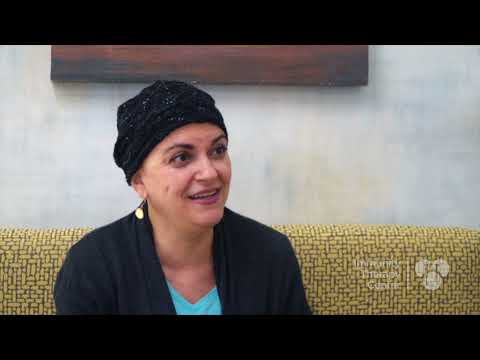
Hearing about the journeys of others can provide comfort and perspective to those exploring advanced gastric cancer therapies abroad. While every individual's physiological response to treatment is deeply personal and results vary widely depending on tumor staging and overall vitality, many Canadians have shared positive accounts of their experiences in Mexico.
These stories frequently highlight the compassionate bedside manner of the medical staff, the comprehensive nature of the holistic treatments, and the notable improvements in energy levels and quality of life during therapy. Here are a few summaries reflecting typical patient experiences at these global healthcare hubs.
David’s Integrative Journey
Facing a delayed treatment schedule in his home province, David sought integrative care in Tijuana. He typically experienced severe fatigue, but noted that the clinic's customized IV nutrition and hyperthermia protocols helped stabilize his energy levels, allowing him to tolerate standard localized therapies much better.
Elena’s Multidisciplinary Experience
Elena traveled from Ontario seeking a second opinion. She was deeply impressed by the multidisciplinary board that reviewed her case. Following a rigorous four-week protocol involving targeted immunotherapy and dietary overhaul, she generally reported a significant reduction in her pain symptoms and an improved overall quality of life.
Marcus’s Focus on Quality of Life
Diagnosed with advanced stage gastric cancer, Marcus's primary goal was palliative comfort. Through the application of non-toxic alternative therapies in Mexico, his family observed that his nausea was generally better managed, granting him a more comfortable and dignified daily routine.
Sarah’s Aftercare Success
After completing an intensive three-week program in Mexico, Sarah appreciated the continuous telemedicine support. Her Mexican oncologist collaborated closely with her local Canadian doctor to ensure her at-home maintenance supplements were correctly administered, helping her maintain the stabilization achieved during her stay.
How PlacidWay Assists Your Stomach Cancer Medical Tourism Journey in Mexico
Navigating the complexities of international healthcare can be daunting, especially when dealing with a critical diagnosis. Having a trusted medical tourism facilitator ensures that you make informed, secure decisions regarding your stomach cancer treatment in Mexico.
PlacidWay serves as your dedicated bridge to global healthcare excellence, offering personalized support tailored to your unique medical needs. Here is how PlacidWay facilitates your journey:
- Providing transparent, comprehensive information regarding globally accredited and specialized oncology centers in Mexico.
- Facilitating direct, seamless communication between you and top-tier integrative oncologists for initial case evaluations.
- Assisting in the secure transfer and translation of your Canadian medical records, imaging, and pathology reports.
- Delivering detailed, customized price estimates from various clinics to help you make financially sound healthcare decisions.
- Guiding you through the necessary pre-treatment protocols and required documentation for cross-border medical care.
- Offering continuous patient advocacy and support throughout the entire consultation and clinic selection process.
Frequently Asked Questions About Stomach Cancer Treatment in Mexico
Making the decision to pursue medical treatments abroad for stomach cancer involves careful consideration and research. Patients naturally have numerous inquiries regarding safety, logistics, and medical protocols before committing to international care.
Below is a curated list of frequently asked questions designed to provide clarity and peace of mind as you explore the possibilities of integrative oncology in Mexico.
Is stomach cancer treatment in Mexico safe for Canadian patients?
Yes, treating stomach cancer in Mexico is generally safe when utilizing certified and globally accredited clinics. Top oncology facilities adhere to rigorous international medical protocols and employ highly trained specialists.
How much does stomach cancer therapy cost in Mexico?
The cost typically ranges from 40% to 60% less than equivalent private treatments in North America. Prices vary widely based on the specific integrative therapies, chemotherapy cycles, or surgical interventions required.
Do I need a medical visa to travel to Mexico from Canada?
Canadian citizens generally do not require a specific medical visa for stays under 180 days. A standard tourist entry is typically sufficient, though it is always recommended to check current immigration guidelines before travel.
What type of alternative therapies are available for stomach cancer?
Clinics often provide integrative approaches, which may include localized hyperthermia, high-dose vitamin C IV therapy, immunotherapy, and nutritional counseling, typically used alongside conventional methods.
How long will I need to stay in Mexico for treatment?
The duration of your stay depends heavily on the personalized protocol prescribed by your oncologist. Most patients typically stay between three to six weeks for an initial intensive treatment phase.
Are doctors in Mexico certified to treat stomach cancer?
Yes, leading oncologists in Mexico undergo rigorous medical training, with many holding international board certifications or having completed fellowships in the United States and Europe.
Will my Canadian health records be accepted by Mexican clinics?
Absolutely. Mexican oncology centers require comprehensive medical records, including recent PET scans, biopsies, and blood work from Canada, to formulate an accurate and effective treatment plan.
Can I bring a companion with me during my cancer treatment?
Yes, patients are strongly encouraged to bring a companion for emotional and physical support. Most treatment centers have facilities designed to accommodate traveling family members.
How does follow-up care work once I return to Canada?
Reputable clinics typically provide comprehensive discharge plans and offer telemedicine consultations. Patients are advised to coordinate with a local Canadian physician to monitor ongoing progress and administer maintenance therapies.
Are results guaranteed with integrative oncology treatments?
No medical facility can ethically guarantee results. Outcomes depend entirely on the cancer's stage, the patient's overall health, and how well the tumor responds to the personalized therapeutic protocol.
Take the Next Step Toward Stomach Cancer Treatment in Mexico
The journey to finding effective, compassionate, and affordable stomach cancer treatments does not have to be limited by the constraints of your local healthcare system. Mexico’s leading integrative oncology centers provide a viable, hope-filled alternative for Canadians ready to actively pursue comprehensive healing strategies.
If you or a loved one are facing a gastric cancer diagnosis and wish to explore personalized therapeutic options abroad, the time to act is now. Empower yourself with information, evaluate your medical choices, and discover how global healthcare can redefine your treatment journey.
Early consultation is critical in oncology. Exploring international options early in your diagnosis can provide you with a broader array of non-invasive and integrative therapeutic choices before disease progression limits your options.
Ready to explore personalized stomach cancer treatment options in Mexico? Let PlacidWay guide you toward the leading internationally accredited oncology centers.
Medical Disclaimer: This article is for informational purposes only and is not medical advice. Always consult a qualified healthcare provider before any medical decisions. Results may vary. Read Full Disclaimer here.
References
- American Cancer Society. (n.d.). Treating Stomach Cancer. Retrieved from https://www.cancer.org/cancer/stomach-cancer/treating.html
- National Cancer Institute. (n.d.). Gastric (Stomach) Cancer Treatment. Retrieved from https://www.cancer.gov/types/stomach/patient/stomach-treatment-pdq
- World Health Organization. (n.d.). Cancer Key Facts. Retrieved from https://www.who.int/news-room/fact-sheets/detail/cancer
- Wikipedia. (n.d.). Medical Tourism in Mexico. Retrieved from https://en.wikipedia.org/wiki/Medical_tourism_in_Mexico
.png)






.png)
.png)
.png)
.png)













Share this listing