


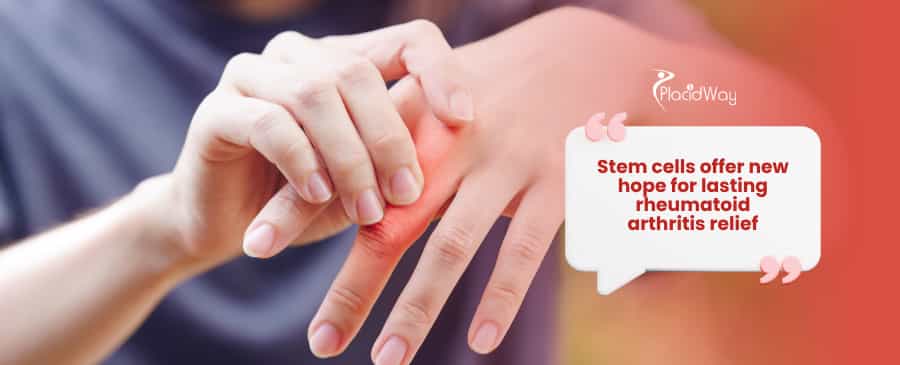
Rheumatoid arthritis is a complex, chronic autoimmune disorder that causes the body’s immune system to mistakenly attack the protective lining of the joints. For many individuals, conventional medications fail to provide comprehensive relief, leaving them searching for advanced medical alternatives. Stem cell therapy for rheumatoid arthritis has emerged as a promising avenue, utilizing the body's fundamental building blocks to help modulate immune responses. This sophisticated approach aims to address the root cause of systemic inflammation rather than merely masking daily symptoms.
U.S. patients are increasingly exploring regenerative medicine due to the severe limitations and potential side effects of long-term immunosuppressant use. Medical tourism has expanded access to these innovative therapies, allowing individuals to seek high-quality care across international borders. By utilizing mesenchymal cells, specialists aim to repair damaged tissues and restore a healthier biological balance. As the science continues to evolve, regenerative protocols are offering new hope to those struggling with persistent joint deterioration.
Rheumatoid arthritis affects more than 1.3 million adults in the United States alone. Traditional therapies primarily focus on symptom management, making regenerative medicine an important field of study for long-term joint preservation.
How Stem Cells Target Autoimmune Inflammation
The foundational mechanism behind regenerative treatments for autoimmune diseases lies in the unique immunomodulatory properties of specific cellular structures. When introduced into a patient's system, these biological agents typically seek out areas of high inflammation and tissue distress. They release powerful signaling proteins, known as cytokines, which work to calm the overactive immune response responsible for attacking healthy joint linings. This targeted action is what makes the therapy distinctly different from standard pharmacological interventions.
Beyond immune regulation, the procedure generally encourages the natural regeneration of damaged cartilage and synovial tissues. The cells promote the formation of new blood vessels, enhancing circulation and delivering vital nutrients to deteriorating joints. Most patients experience a gradual decrease in swelling and stiffness as the inflammatory markers in their bloodstream begin to stabilize. While the body takes time to complete this biological repair, the cellular activity lays the groundwork for sustained joint health.
Mesenchymal stem cells (MSCs) are classified as "multipotent," meaning they have the remarkable ability to differentiate into various skeletal tissues, including cartilage, bone, and fat cells, making them highly valuable for joint repair.
Seeking Affordable Rheumatoid Arthritis Treatment in Mexico
The financial burden of managing a chronic autoimmune condition in the United States often drives patients to explore international healthcare markets. Medical tourism in Mexico has become a primary solution for those seeking advanced regenerative protocols without the exorbitant price tags found domestically. The geographical proximity of the country allows North American patients to access world-class medical facilities with minimal travel stress. This accessibility is a major factor in the growing popularity of cross-border medical care.
Facilities across the border operate with lower administrative overhead and distinct regulatory frameworks, enabling them to offer comprehensive treatment packages at a fraction of U.S. prices. Importantly, this affordability does not necessitate a compromise in the quality of care or medical safety. Specialists in the region are frequently trained globally and utilize state-of-the-art laboratory technologies for cellular cultivation. Consequently, individuals can pursue potentially life-altering therapies while maintaining their financial stability.
Industry reports indicate that medical tourists traveling from the United States to neighboring international destinations can save between 40% and 70% on advanced elective procedures, including regenerative therapies.
Stem Cell Therapy for Rheumatoid Arthritis Cost in Mexico vs. U.S.
Understanding the financial landscape is crucial for patients planning their medical journey. The cost of stem cell therapy in Mexico is notably structured to provide transparent and inclusive pricing for complex cellular protocols. In contrast, U.S. providers often bill consultations, facility fees, and the cellular products separately, leading to unpredictable and rapidly escalating final invoices. By analyzing a direct comparison, prospective patients can make highly informed decisions regarding their healthcare investments.
When evaluating the financial comparison, it is important to look at specific sub-treatments that comprise a comprehensive autoimmune protocol. The table below outlines realistic market ranges for various regenerative applications, demonstrating the significant savings available to international patients. These figures highlight why specialized international facilities are becoming the preferred choice for advanced pain management.
| Procedure / Treatment Type | Average Cost in Mexico | Average Cost in U.S. |
|---|---|---|
| Basic IV Stem Cell Therapy (Autoimmune) | $4,500 - $6,500 | $12,000 - $25,000 |
| Localized Joint Injections (per joint) | $1,500 - $2,500 | $5,000 - $8,000 |
| Comprehensive Protocol (IV + Joint + Therapy) | $6,500 - $8,500 | $20,000 - $40,000 |
Advanced Stem Cell Clinics for Rheumatoid Arthritis in Mexico
The destination boasts a highly developed medical infrastructure specifically designed to cater to the needs of international health travelers. Stem cell clinics in Mexico are frequently equipped with advanced on-site laboratories and isolation rooms to guarantee the viability and sterility of the biological materials. These facilities employ multidisciplinary teams consisting of immunologists, orthopedic specialists, and pain management experts to oversee patient care. The collaborative environment ensures that every individual receives a holistic approach to their chronic condition.
Patients exploring their options will find highly respected facilities, such as the Immunity Therapy Center in Tijuana, Mexico, which maintains strict international protocols. By choosing reputable facilities for advanced stem cell treatments for rheumatoid arthritis, individuals can access specialized care tailored to their autoimmune conditions. The emphasis is always on providing customized therapy plans, integrating both regenerative medicine and supportive holistic therapies to maximize the potential for lasting symptom relief.
Always verify the credentials of any international medical facility before booking. Ensure the clinic possesses valid certifications from national health ministries and utilizes ethically sourced, rigorously screened cellular products.
What to Expect During Rheumatoid Arthritis Stem Cell Treatment
The process of undergoing regenerative medicine for joint pain is typically straightforward and minimally invasive, designed specifically for outpatient convenience. Upon arrival, patients undergo a thorough medical evaluation, including detailed blood work and imaging, to accurately assess the current state of their disease. This initial phase is vital for customizing the exact cellular dosage and administration method required for optimal biological response. Clear communication between the patient and the medical team ensures that expectations are properly managed from the outset.
The actual administration of the therapy is generally completed within a few hours under comfortable, clinical observation. The most common methods involve intravenous infusions for systemic reach and precise, image-guided local injections for severely affected joints. During the procedure, patients are encouraged to relax as the biological agents are safely integrated into their system.
- Comprehensive Consultation: Review of medical history and current autoimmune medication protocols.
- Diagnostic Testing: Up-to-date blood panels and joint imaging to pinpoint inflammation severity.
- Cellular Preparation: Harvesting or thawing of the specific biological material in a sterile laboratory environment.
- Administration: Painless IV drips combined with targeted joint injections utilizing ultrasound guidance.
- Observation: A brief monitoring period post-treatment to ensure patient comfort and safety.
Wear loose, comfortable clothing on the day of your procedure. Hydrate well before your appointment, as optimal hydration can aid in the smooth administration of intravenous therapies.
Risks and Contraindications of Stem Cell Therapy
While the regenerative field offers substantial promise, maintaining a transparent dialogue regarding the risks of stem cell treatments is a medical necessity. The procedure is generally well-tolerated, but some patients may experience mild, transient side effects such as fatigue, low-grade fever, or localized soreness at the injection sites. These minor reactions typically subside within 24 to 48 hours as the body adjusts to the sudden influx of cellular activity. Severe adverse reactions are exceptionally rare when protocols are administered by certified professionals in sterile environments.
However, strict contraindications exist to protect patient safety and ensure the efficacy of the therapy. Individuals with certain pre-existing conditions or specific medical histories may be deemed ineligible for cellular treatments. Physicians carefully screen every candidate to prevent complications and to confirm that the therapy is a biologically sound option for their specific health profile.
- Active systemic infections or severe localized infections near the target injection sites.
- A current diagnosis of cancer or a recent history of aggressive oncological treatments.
- Severe blood disorders or uncontrolled cardiovascular conditions.
- Pregnancy or active nursing.
- Unrealistic expectations regarding the immediate eradication of the autoimmune disease.
Utilizing Mesenchymal Stem Cells for Rheumatoid Arthritis
In the realm of autoimmune treatments, mesenchymal stem cells (MSCs) are recognized as the gold standard due to their unique biological characteristics. These particular cells possess profound anti-inflammatory capabilities, which are essential for halting the aggressive immune attacks on joint tissues. Furthermore, MSCs are typically "immune-privileged," meaning they generally do not trigger a rejection response from the patient's body, even when sourced from allogeneic (donor) tissues. This allows clinics to utilize highly potent, ethically sourced umbilical cord cells with remarkable safety.
The vitality of MSCs lies in their ability to orchestrate the body's natural healing mechanisms at a microscopic level. Once administered, they do not just replace damaged tissue; they act as cellular managers, instructing surrounding native cells to repair cartilage and reduce swelling. This sophisticated interaction helps restore a balanced immune environment, which is the ultimate goal in managing persistent autoimmune disorders.
Umbilical cord-derived mesenchymal cells are highly sought after because they represent "day zero" biology. They are robust, multiply rapidly, and possess superior regenerative potential compared to cells harvested from aging adult tissues.
Sustaining Relief from Joint Pain and Stiffness
The true value of regenerative treatments for rheumatoid arthritis is often measured by the longevity of the symptomatic relief provided to the patient. Most individuals experience a gradual improvement in joint mobility and a decrease in chronic pain over the course of several months. The cellular repair process is not instantaneous; it requires time for the biological agents to fully modulate the immune system and promote tissue regeneration. Consistent patience during this developmental phase is crucial for the patient's mental and physical well-being.
To maximize the longevity of the results, specialists typically recommend integrating lifestyle modifications alongside the therapy. Adopting an anti-inflammatory diet, engaging in low-impact physical therapies, and managing stress levels play a significant role in sustaining the newly balanced immune state. While regenerative therapy is not a definitive cure, it frequently provides patients with extended periods of remission and a dramatically improved quality of daily life.
Clinical observations suggest that the anti-inflammatory effects of an MSC infusion can continue to work within the patient's immune system for up to 12 to 18 months, depending on individual biological variables.
How PlacidWay Assists Your Stem Cell Therapy Medical Tourism Journey in Mexico
Navigating the logistics of international healthcare can be a complex endeavor for patients already dealing with the daily struggles of a chronic condition. Establishing a reliable connection with reputable medical providers is paramount to ensuring a safe and successful outcome. The objective is to bridge the gap between patient needs and high-quality, accredited international clinics without the overwhelming stress of independent research. A structured medical tourism platform provides the necessary framework to facilitate this essential connection securely.
By leveraging expert facilitation services, patients gain access to a curated network of established regenerative medicine specialists. This support system simplifies the decision-making process, allowing individuals to focus entirely on their health and impending recovery. The primary aim is to empower patients through transparent information and streamlined communication channels.
- Provider Vetting: Connecting patients only with accredited, internationally recognized regenerative medicine facilities.
- Direct Communication: Facilitating immediate and clear dialogue between the patient and the chosen medical specialists.
- Transparent Quotations: Providing detailed, comprehensive cost outlines for all requested treatment protocols.
- Medical Record Transfer: Assisting in the secure sharing of diagnostic reports and patient history with international doctors.
- Procedure Education: Offering extensive, objective resources to help patients thoroughly understand their chosen therapy.
Steps Before Traveling for Stem Cell Therapy in Mexico
Proper preparation is the cornerstone of a successful medical tourism journey for joint therapies. Before crossing borders, patients must assemble all pertinent medical records, including recent blood work, MRI scans, and a detailed list of current prescriptions. Having a comprehensively documented medical history ensures that the receiving clinical team can finalize the treatment protocol with absolute precision. This proactive approach eliminates delays and enhances the overall safety of the planned procedure.
Additionally, organizing travel documentation well in advance prevents last-minute logistical anxiety. Patients should verify passport validity and familiarise themselves with standard cross-border protocols for medical visitors. Engaging in open communication with the patient coordinator regarding any physical mobility limitations will also ensure that the clinic is fully prepared to accommodate specific accessibility needs upon arrival.
Keep a digital copy of all your medical records and imaging files on a secure USB drive or cloud service. Having easily accessible backups can be invaluable during international medical consultations.
Post-Treatment Monitoring for Autoimmune Patients
The journey toward wellness does not conclude once the stem cell procedure for rheumatoid arthritis is complete; comprehensive aftercare is essential. Post-treatment monitoring allows the medical team to track the biological response and ensure that the immune system is modulating appropriately. Patients are typically advised to schedule routine follow-up consultations, which can often be conducted via telehealth platforms, bridging the geographical distance comfortably. This ongoing relationship ensures that any minor concerns are addressed promptly by the treating specialists.
During the critical post-therapy months, patients must remain vigilant about listening to their bodies and adhering strictly to provided recovery guidelines. While the immediate downtime is minimal, avoiding strenuous physical activities and continuing prescribed immune-supportive protocols is highly advised. Consistent communication with both the international specialist and the domestic primary care physician creates a cohesive support net for the recovering patient.
Studies highlight that patients who adhere strictly to post-treatment nutritional and physical therapy guidelines report a 30% higher satisfaction rate with their long-term regenerative outcomes.
Patient Success Stories of Stem Cell Treatment for RA in Mexico
Hearing directly from individuals who have navigated the path of affordable regenerative medicine in Mexico provides invaluable perspective for prospective patients. These narratives highlight the diverse ways in which cellular therapies can impact daily life, from reducing morning stiffness to enabling a return to favorite hobbies. While every biological response is unique, real-world experiences underscore the potential for profound improvements in overall well-being. Personal accounts often serve as a beacon of hope for those frustrated by traditional medical limitations.
The testimonies below reflect the typical journeys of North American patients who sought cross-border care. Their outcomes emphasize the importance of choosing accredited facilities and adhering to comprehensive clinical protocols. These case summaries illustrate the tangible benefits reported following advanced cellular interventions.
Regaining Hand Mobility
After struggling with severe inflammation in her hands for a decade, Sarah traveled from Texas for an IV protocol. Four months post-treatment, she generally experiences significantly less morning stiffness and has successfully returned to playing the piano.
A Return to Active Living
Mark, an avid hiker from Colorado, faced debilitating knee and ankle swelling due to his autoimmune condition. Following localized joint injections combined with systemic therapy, he typically reports a 70% reduction in daily pain and has resumed light trail walking.
Decreased Dependency on Painkillers
Frustrated by the side effects of her daily medications, Linda opted for comprehensive cellular care abroad. Over the past eight months, under her rheumatologist's supervision, she has gradually reduced her reliance on heavy painkillers while maintaining stable joint function.
Improved Overall Energy
David experienced extreme fatigue as a secondary symptom of his chronic arthritis. Six months after his regenerative procedure, he notes not only improved flexibility in his wrists but also a substantial boost in his daily energy levels and systemic health.
Many medical tourists report that the compassionate, highly personalized care they receive at international clinics significantly contributes to reduced stress levels, which is a vital factor in managing autoimmune conditions.
Frequently Asked Questions About Stem Cell Therapy for Rheumatoid Arthritis
When considering innovative joint therapies abroad, prospective patients naturally have numerous questions regarding safety, logistics, and expected outcomes. Addressing these concerns directly helps individuals build confidence in their healthcare decisions and prepares them for the medical journey ahead. A well-informed patient is better equipped to collaborate effectively with their clinical team.
Below is a curated list of common inquiries related to this specific cellular intervention and the experience of traveling internationally for care. These concise answers provide clarity on the essential aspects of the medical tourism process.
How does stem cell therapy work for rheumatoid arthritis?
Stem cells work by modulating the immune system and reducing systemic inflammation. They typically target damaged tissues to promote cellular repair, which can help alleviate the chronic joint pain associated with rheumatoid arthritis.
Is stem cell therapy for rheumatoid arthritis safe in Mexico?
Yes, when performed at accredited facilities by certified specialists, the procedure is generally considered safe. Reputable clinics follow stringent international safety protocols and extensive patient screening processes.
Are the results of stem cell therapy guaranteed?
No medical procedure can guarantee specific results, and outcomes vary significantly from patient to patient. Most patients experience varying degrees of symptom relief, but individual biological responses dictate the overall success.
How much does stem cell therapy for RA cost in Mexico?
The cost typically ranges from $4,500 to $8,500 depending on the type and number of cells administered. This represents a significant savings compared to similar comprehensive protocols in the United States.
What type of stem cells are generally used for RA?
Mesenchymal stem cells (MSCs), commonly sourced from umbilical cord tissue or the patient's own body, are the most frequently utilized type. They are highly valued for their strong anti-inflammatory and immunomodulatory properties.
How long is the recovery after receiving stem cells?
The immediate recovery period is usually quite short, with patients resuming normal daily activities within a few days. However, the cellular regeneration and immune modulation processes continue to develop over several weeks or months.
Can I stop taking my RA medications after treatment?
Patients should never alter or discontinue their prescribed medications without direct consultation with their primary rheumatologist. Some patients are eventually able to reduce dosages, but this requires careful medical supervision.
Do I need a visa to travel to Mexico for medical care?
Citizens of the United States and Canada generally do not need a visa for medical visits lasting less than 180 days. A valid passport and a completed tourist card, usually provided by the airline or at border crossings, are required.
How are the stem cells administered to the patient?
Administration is typically performed via intravenous (IV) infusion for systemic autoimmune conditions like RA. In some cases, targeted localized injections into severely affected joints may also be recommended to maximize relief.
How soon will I notice improvements in my joint pain?
While a few patients report early relief within weeks, most patients begin to notice sustained improvements between three to six months post-treatment. The process relies on gradual cellular repair and inflammation reduction.
References
- Arthritis Foundation. Rheumatoid Arthritis: Causes, Symptoms, Treatments. https://www.arthritis.org/diseases/rheumatoid-arthritis
- Cleveland Clinic. Rheumatoid Arthritis Management and Treatments. https://my.clevelandclinic.org/health/diseases/4924-rheumatoid-arthritis
- Centers for Disease Control and Prevention (CDC). Medical Tourism: Traveling for Medical Care. https://wwwnc.cdc.gov/travel/page/medical-tourism



.png)


.png)
.png)


.png)
.png)
.png)









Share this listing