


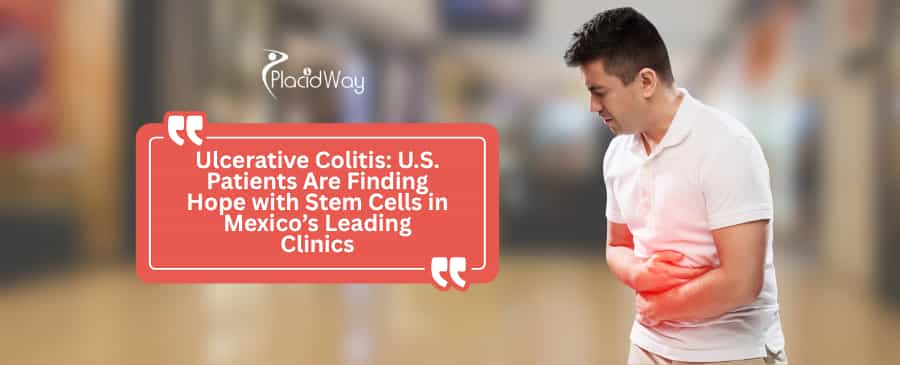
Ulcerative colitis is a chronic autoimmune condition that profoundly impacts the daily lives of countless individuals. For those struggling with standard conventional treatments, exploring alternative therapeutic avenues has become increasingly vital. Recently, stem cell therapy for ulcerative colitis in Mexico has emerged as a compelling option for international patients. By leveraging advanced regenerative techniques, individuals are actively seeking new ways to manage their complex inflammatory symptoms.
Medical tourism has expanded rapidly as patients cross borders in search of innovative, accessible healthcare solutions. Mexico stands out as a premier destination, offering modern facilities and specialized regenerative medicine protocols. Patients generally appreciate the combination of compassionate care and advanced therapeutic approaches available just south of the United States border. This global healthcare pathway provides potential new strategies for managing chronic gastrointestinal distress.
Stem cells possess unique immunomodulatory properties that allow them to communicate with the body's immune system. Instead of simply masking symptoms, these cells target the underlying inflammatory response typically responsible for autoimmune flare-ups.
Why Choose Medical Tourism in Mexico for Ulcerative Colitis
Traveling abroad for medical care involves careful consideration, and Mexico has built a strong reputation in the field of medical tourism for autoimmune diseases. A primary motivation for U.S. patients is the immediate access to cutting-edge regenerative protocols that may still be in trial phases back home. Furthermore, Mexican clinics often provide personalized, integrative care plans that focus on the holistic well-being of the patient. The geographic proximity also allows for relatively easy and stress-free travel logistics.
In addition to advanced treatments, the patient-centric approach found in Mexican healthcare facilities is highly regarded. Board-certified specialists often dedicate significant time to understanding each patient's unique medical history. This personalized attention fosters a strong doctor-patient relationship, which is crucial for those managing lifelong conditions. Consequently, many patients feel deeply supported throughout their entire clinical journey.
- Access to advanced and highly specialized regenerative treatment protocols.
- Significantly reduced waiting times for comprehensive consultations and procedures.
- Proximity to the United States ensures brief, manageable travel requirements.
- Integrative approaches combining modern medicine with holistic nutritional support.
- Bilingual medical staff dedicated to clear, transparent patient communication.
The Science Behind Stem Cells for Inflammatory Bowel Disease
To understand the potential benefits of this treatment, one must look at how regenerative medicine interacts with the human body. Mesenchymal stem cells (MSCs) are often utilized because they generally possess the ability to seek out areas of severe inflammation. Once they arrive at the inflamed intestinal tissue, they release specific proteins designed to modulate the aggressive immune response. This mechanism aims to soothe the mucosal lining of the colon, potentially encouraging natural tissue repair.
While regenerative treatments for inflammatory bowel disease are not a guaranteed cure, they offer a scientifically grounded approach to symptom management. The therapy focuses on reprogramming the local immune environment rather than solely suppressing it. Most patients experience a gradual shift in their inflammatory markers over the months following treatment. Continuous research is vital as scientists work to fully map the long-term biological effects of these cellular therapies.
Mesenchymal stem cells (MSCs) act as the body's natural "managers" of inflammation. Clinical observations suggest they can differentiate into various cell types, actively promoting angiogenesis (the formation of new blood vessels) to help heal damaged intestinal barriers.
Affordable Stem Cell Therapy for Ulcerative Colitis Cost in Mexico
The financial aspect of managing a chronic disease is frequently overwhelming for many individuals. The cost of stem cell treatment in Mexico is highly competitive when compared to similar procedures in the United States or Canada. Because overhead costs, administrative fees, and general facility operations are lower in Mexico, these savings are directly passed on to the patient. This allows individuals to access premium healthcare without facing insurmountable financial burdens.
When evaluating the financial investment, it is important to consider the comprehensive nature of the care provided. Many Mexican facilities bundle the core procedure with necessary diagnostics, physician consultations, and initial follow-up protocols. While prices vary depending on the specific type and quantity of cells required, the overall expenditure remains a fraction of North American averages. Below is a realistic comparison of typical market ranges for these procedures.
| Procedure Name | Average Cost in Mexico | Average Cost in the U.S. |
|---|---|---|
| Autologous Stem Cell Therapy | $5,000 - $8,000 | $15,000 - $25,000 |
| Allogeneic (Umbilical Cord) Stem Cell Therapy | $6,500 - $12,000 | $20,000 - $35,000 |
| Exosome Supportive Therapy | $2,500 - $4,500 | $8,000 - $15,000 |
Evaluating Leading Stem Cell Clinics in Mexico
Selecting the appropriate medical facility is the most critical step in your healthcare journey abroad. Patients often seek out renowned establishments that specialize in highly complex immunological conditions. For instance, many international patients find confidence by exploring options like stem cell treatment at Immunity Therapy Center in Tijuana, Mexico. Facilities of this caliber adhere to strict regulatory guidelines to ensure patient safety and ethical cellular sourcing.
When researching stem cell clinics in Mexico, prospective patients should meticulously review the credentials of the medical staff. Look for board-certified physicians who possess specialized training in regenerative medicine and immunology. The clinic should feature modern, sterile laboratories and transparent protocols regarding how their stem cells are processed. Verifying regulatory compliance with organizations like COFEPRIS (Mexico's health authority) is an absolute necessity.
Always ask prospective clinics about their cell viability rates and laboratory processing methods. A reputable facility will readily provide detailed, transparent documentation regarding the origin, expansion, and sterile handling of the biological materials they utilize.
Patient Evaluation and Candidacy for Regenerative Therapy
Not every individual suffering from a bowel disorder is an ideal candidate for regenerative procedures. A comprehensive medical evaluation is necessary to determine if stem cell treatment for autoimmune diseases aligns with your specific health profile. Physicians will thoroughly review your complete medical records, current medication regimen, and recent gastroenterology reports. This careful screening process typically ensures that the therapy is both safe and potentially beneficial for your unique condition.
During the candidacy assessment, doctors look for specific markers of inflammation and evaluate the extent of intestinal damage. Patients who have recently undergone major surgeries or have certain underlying infectious diseases may be advised to postpone therapy. It is generally expected that candidates hold realistic expectations regarding the outcome and understand that this is a management tool, not an overnight cure. Honest communication between the patient and the medical team establishes a foundation for safe care.
- Detailed analysis of current blood work and inflammatory markers.
- Review of recent colonoscopy or endoscopy imaging results.
- Assessment of current immunosuppressive or biologic medication use.
- Evaluation of overall physical health to ensure safety during travel.
- In-depth discussion to align patient expectations with clinical realities.
Types of Stem Cell Protocols Available for Colitis in Mexico
In modern regenerative medicine, the specific type of biological material used is tailored to the patient’s clinical needs. Autologous therapies involve harvesting cells directly from the patient’s own bone marrow or adipose (fat) tissue. These cells are then isolated, concentrated, and reintroduced into the body to target inflamed areas. Because they are the patient's own cells, the risk of rejection is essentially non-existent, making this a highly preferred option for many.
Alternatively, allogeneic therapies utilize ethically sourced, donated cells, most commonly derived from Wharton’s Jelly in human umbilical cords. These younger, highly robust cells are known for their strong anti-inflammatory capabilities and ease of administration. Many advanced biological treatments in Mexico utilize allogeneic cells because they eliminate the need for an invasive harvesting procedure. The choice between autologous and allogeneic protocols is made collaboratively between you and your specialist.
Umbilical cord-derived stem cells are considered "immune-privileged." This means they do not express the complex markers that typically trigger an immune rejection, allowing them to be safely administered to a patient without the need for HLA matching.
Understanding Risks and Contraindications of Stem Cell Treatments
While regenerative medicine offers profound potential, maintaining a realistic understanding of clinical risks is paramount. The administration of stem cells is generally considered safe, but mild side effects can occur during the initial days. Patients typically report temporary fatigue, mild headaches, or low-grade fevers as the body responds to the biological infusion. These acute reactions are normally short-lived and can be easily managed by the supervising medical staff.
Strict contraindications exist to protect patient safety above all else. Individuals with active systemic infections, a history of certain cancers, or severe cardiovascular instability are generally not eligible for these therapies. Safe medical tourism in Mexico requires total transparency regarding your health history before traveling. Bypassing these safety protocols can lead to adverse events, reinforcing the need for rigorous pre-treatment medical screening.
Stem cell therapies are not recommended for individuals with a history of malignancies or active cancer, as the growth-promoting nature of the cells could potentially interact unpredictably with malignant tissues. Always disclose your complete oncological history to your evaluating physician.
Preparing for Your Regenerative Medicine Journey to Mexico
Proper preparation is the cornerstone of a successful and stress-free medical travel experience. Once your candidacy is confirmed, compiling all relevant medical documentation is your first major task. You will need to securely transfer translated medical records, imaging discs, and physician notes to your chosen clinic. Clear, proactive communication ensures your international medical team has a comprehensive understanding of your health status before you arrive.
Logistical planning also plays a crucial role in your overall comfort and peace of mind. Patients should ensure their passports are valid and familiarize themselves with standard entry requirements for Mexico. It is highly recommended to arrange local transportation and appropriate accommodations well in advance of your treatment date. Being well-prepared allows you to focus entirely on your health and the upcoming ulcerative colitis treatment in Tijuana or other medical hubs.
Pack a detailed summary of your daily dietary requirements and current medication list to carry with you at all times. Traveling with autoimmune digestive conditions requires careful dietary management, so bringing your own specialized, non-perishable snacks can be incredibly helpful during transit.
The Stem Cell Administration Process for Ulcerative Colitis
The actual administration of regenerative therapies is typically straightforward and minimally invasive. For most patients treating severe gastrointestinal inflammation, the cells are delivered via a slow intravenous (IV) infusion. This method allows the cells to circulate systemically, utilizing the bloodstream to navigate toward areas emitting inflammatory distress signals. The infusion process is performed in a comfortable, clinical setting under constant medical supervision.
Depending on the specific clinic's protocol, some physicians may also utilize localized injections or supplementary IV nutrition to support the cellular environment. The entire procedure usually takes a few hours, during which patients can rest, read, or listen to music. The medical staff will continuously monitor vital signs to ensure maximum safety and comfort. Most individuals find the physical experience of receiving stem cells in Mexico to be quite relaxed and painless.
- Initial consultation and final review of vital signs upon arrival at the clinic.
- Preparation of the sterile IV site by a certified clinical nurse.
- Slow, controlled intravenous administration of the stem cell solution.
- Continuous monitoring of heart rate, blood pressure, and oxygen levels.
- Post-infusion observation period to ensure no immediate adverse reactions occur.
Recovery Timeline After Stem Cell Therapy in Mexico
Understanding the recovery timeline helps manage expectations regarding the pace of your body’s healing. Immediately following the procedure, patients are generally advised to rest for the remainder of the day and avoid strenuous activities. You may return to your hotel or local accommodation, but maintaining a calm, stress-free environment is essential. Over the first week, mild fatigue is typical as the body begins processing the cellular infusion.
The biological benefits of regenerative medicine for colon inflammation are not instantaneous. The stem cells require significant time to engraft, communicate with the immune system, and initiate mucosal repair in the colon. Most patients report subtle changes starting around the four-to-six-week mark, with ongoing improvements potentially unfolding over several months. Patience and strict adherence to post-treatment guidelines are critical components of a successful recovery.
While clinical results vary widely, preliminary international observational studies indicate that a significant percentage of autoimmune patients report notable improvements in their quality of life indices within 3 to 6 months post-cellular therapy.
Long-Term Follow-Up Care After Regenerative Medicine
Returning home does not mark the end of your clinical relationship with your healthcare providers. Comprehensive follow-up care is an integral part of modern international healthcare for autoimmune conditions. Your clinic in Mexico will typically schedule periodic virtual consultations to monitor your symptom progression and address any emerging concerns. These telehealth check-ins ensure that you remain supported throughout the critical months following your initial treatment.
You will also need to collaborate closely with your primary gastroenterologist in your home country. Regular blood panels, stool tests, and occasional endoscopic imaging remain necessary to objectively track your internal healing. Integrating the results of your regenerative therapy with your standard long-term care plan offers the safest approach to disease management. A collaborative mindset between your domestic and international doctors is highly beneficial.
Dietary choices play a massive role in sustaining the benefits of stem cell therapy. Many international clinics provide tailored anti-inflammatory nutrition plans specifically designed to support the new cellular activity and protect the healing gut microbiome.
Patient Success Stories with Stem Cell Therapy in Mexico
Hearing about the real-world experiences of others can be incredibly comforting when researching complex medical decisions. Many individuals who travel for affordable colitis treatments abroad share inspiring narratives regarding their health improvements. While it is important to remember that every patient's biology responds differently, these summaries highlight the potential positive impact on daily life. These cases reflect the diverse ways in which regenerative protocols may support overall wellness.
Patients frequently note a reduction in chronic fatigue, fewer daily digestive interruptions, and a renewed ability to participate in social activities. The emotional relief of finding a manageable path forward is often just as significant as the physical healing. Below are generalized accounts based on the typical experiences of medical travelers who have sought out these advanced therapies.
Managing Severe Flare-Ups
A patient in their 40s struggled with constant, debilitating flare-ups that disrupted their career. After undergoing an allogeneic stem cell protocol in Mexico, they reported a gradual stabilization of their symptoms. Within six months, they noted significantly longer periods of remission and a major reduction in daily abdominal discomfort.
Regaining Daily Energy
An individual dealing with deep, chronic fatigue associated with their intestinal inflammation decided to pursue regenerative options internationally. Post-treatment, they experienced a steady increase in their daily stamina. This newfound energy allowed them to return to light exercise routines that had been impossible for years.
Decreased Dependency on Steroids
After years of relying on heavy steroid regimens to control their autoimmune response, a medical traveler sought out MSC therapy. Following their treatment in Tijuana and under strict medical supervision, they were safely able to begin tapering down their steroid dosage as their natural inflammatory markers slowly improved.
Holistic Health Improvement
A younger patient combined their IV cellular therapy with the clinic’s intensive nutritional counseling program. This dual approach yielded positive results. They successfully implemented the dietary changes post-treatment, reporting that the combination of stem cells and nutrition profoundly settled their digestive distress.
How PlacidWay Assists Your Stem Cell Therapy Medical Tourism Journey in Mexico
Navigating the global healthcare landscape requires a trusted partner to ensure your research is accurate and safe. PlacidWay acts as a vital bridge, connecting international patients with rigorously vetted medical facilities worldwide. By focusing on transparency and quality, we strive to empower patients seeking medical tourism in Mexico. Our goal is to provide you with the comprehensive information needed to make profound healthcare choices.
Through our platform, patients can explore detailed clinic profiles, read verified reviews, and understand complex treatment options. We facilitate direct communication between you and the leading medical experts. By providing these essential connections, PlacidWay helps demystify the process of traveling abroad for advanced regenerative care.
- Providing extensive access to globally accredited and thoroughly vetted medical centers.
- Facilitating direct, secure communication with board-certified regenerative specialists.
- Supplying transparent information regarding clinic capabilities, doctor credentials, and medical technologies.
- Assisting patients in comparing various treatment protocols to align with specific clinical needs.
- Empowering informed decision-making through comprehensive educational resources and realistic patient testimonials.
Frequently Asked Questions
Is stem cell therapy for ulcerative colitis considered a cure?
Stem cell therapy is not considered a definitive cure for ulcerative colitis. It is an advanced management approach aimed at reducing inflammation and promoting tissue repair. Most patients experience varying degrees of symptom relief, but ongoing medical supervision is always necessary.
How long does a stem cell treatment trip to Mexico usually take?
The length of your medical tourism trip typically depends on the specific protocol prescribed by your physician. Generally, patients spend between five to ten days in Mexico for consultations, treatment administration, and initial observation. Your clinical team will provide a tailored timeline before your arrival.
Are stem cell clinics in Mexico safe and regulated?
Many leading regenerative medicine clinics in Mexico adhere to rigorous international safety standards and are regulated by COFEPRIS, Mexico’s health regulatory agency. It is essential to research and select facilities with board-certified physicians and high clinical standards. Proper vetting ensures you receive care in a sterile, professional environment.
What types of stem cells are most commonly used for inflammatory bowel disease?
Mesenchymal stem cells (MSCs) are typically the most common type used for inflammatory bowel conditions due to their immunomodulatory properties. These can be sourced from the patient's own body (autologous) or ethically sourced umbilical cord tissue (allogeneic). The specific type used will depend on your comprehensive medical evaluation.
Do I need a special visa to travel to Mexico for medical treatment?
Citizens of the United States and Canada generally do not require a special medical visa for short trips to Mexico. A valid passport and a standard tourist card, usually provided at the border or upon flight arrival, are typically sufficient. Always verify current travel requirements well in advance of your treatment dates.
Does US health insurance cover stem cell therapy in Mexico?
Currently, most standard United States health insurance plans do not cover stem cell therapy for autoimmune diseases, especially when performed internationally. Patients generally pay out-of-pocket for these procedures. However, the significantly lower costs in Mexico make this an accessible option for many medical travelers.
What should I expect during the recovery period?
Recovery from the administration process itself is generally quick, with most patients resuming light activities within a few days. The biological effects of the stem cells, however, take time to manifest, often developing over several weeks to months. Your doctor will provide detailed dietary and lifestyle guidelines to support the healing process.
Can I continue my regular colitis medications while undergoing stem cell therapy?
You must discuss all current medications with your regenerative medicine specialist prior to treatment. Some immunosuppressive or anti-inflammatory drugs may need to be adjusted, while others can be continued. Never alter your medication regimen without explicit instructions from your healthcare provider.
How soon will I notice improvements after the procedure?
Results vary significantly from person to person, and no outcome can be guaranteed. Some patients report feeling initial improvements in energy and digestion within a few weeks. For others, the restorative processes take several months to yield noticeable reductions in ulcerative colitis symptoms.
How does PlacidWay assist me in finding the right clinic?
PlacidWay provides comprehensive information and connects you directly with accredited medical centers specializing in regenerative medicine. We offer access to transparent facility profiles, verified doctor credentials, and patient testimonials. Our platform empowers you to make informed, confident decisions regarding your global healthcare journey.
References
- National Institutes of Health (NIH). Mesenchymal Stem Cells in Inflammatory Bowel Disease. https://pmc.ncbi.nlm.nih.gov/articles/PMC9408403/
- Mayo Clinic. Ulcerative colitis - Diagnosis and treatment. https://www.mayoclinic.org/diseases-conditions/ulcerative-colitis/diagnosis-treatment/drc-20353331
- Healthline. Medical Tourism: What You Should Know Before You Go. https://www.healthline.com/health-news/safe-travel-tips-people-with-medical-conditions


















Share this listing