



The crisis surrounding prescription opioid use has pushed many individuals to seek alternative paths to recovery when standard interventions fall short. As traditional methods sometimes struggle to address chronic dependency, exploring ibogaine therapy in Mexico offers a deeply compelling alternative for patients suffering from long-term substance abuse. Individuals are increasingly looking outside their home countries for innovative interventions that target the root causes of addiction. Tijuana has emerged as a highly accessible destination, providing access to these specialized, medically supervised therapies.
Ibogaine is a naturally occurring psychoactive substance derived from the root bark of the West African iboga shrub. It is utilized in specialized clinical settings abroad to help interrupt severe addiction cycles and manage intense withdrawal symptoms associated with OxyContin. Most patients experience a significant reduction in physical cravings, though this powerful intervention generally requires comprehensive medical supervision. This profound therapeutic tool is helping people reset their neural pathways, offering a foundational step toward reclaiming their lives.
Ibogaine was first isolated in 1901, but its potential for treating opioid withdrawal was not accidentally discovered until 1962 by Howard Lotsof, a scientific researcher who noticed it eliminated his own physical cravings.
- Targets specific neurological pathways to mitigate opioid withdrawal distress.
- Administered in controlled environments to ensure patient safety and comfort.
- Offers an introspective psychological experience that helps process trauma.
- Serves as a detox catalyst rather than a standalone cure for addiction.
How Ibogaine Treatment in Mexico Interacts with Opioid Receptors
Understanding the pharmacology of this plant medicine is crucial for patients considering OxyContin detox programs in Mexico. Unlike typical maintenance medications that substitute one opioid for another, ibogaine interacts with multiple neurotransmitter systems simultaneously. It generally resets the brain's dopamine and serotonin receptors, which are heavily compromised by prolonged OxyContin abuse. This complex mechanism of action is why patients frequently report waking up from the therapy with diminished physical dependence.
The transition from active addiction to a detoxified state happens rapidly, distinguishing it from traditional tapering methods. The primary metabolite, noribogaine, typically stays in the system for weeks, providing an "afterglow" period that suppresses post-acute withdrawal cravings. During this vital window, patients are usually more receptive to behavioral therapies and counseling. By leveling the neurochemical playing field, the brain is granted a critical opportunity to heal from prolonged chemical dependency.
Noribogaine, the active metabolite created when the liver processes ibogaine, binds to the same opioid receptors as OxyContin but does not produce an addictive high, helping to block subsequent cravings.
- Resets neurological tolerance levels associated with heavy opioid abuse.
- Provides an extended therapeutic window through long-acting metabolites.
- Bypasses the prolonged tapering process typically seen in MAT (Medication-Assisted Treatment).
- Requires careful cardiac monitoring due to its interaction with the heart's electrical pathways.
The Rise of Medical Tourism in Tijuana for Alternative Addiction Care
Tijuana has swiftly transformed into a premier global hub for patients seeking specialized medical care unavailable in their domestic healthcare systems. The proximity of this border city to the United States makes it an exceptionally convenient option for those pursuing medical tourism in Tijuana. Facilities in the region have invested heavily in modern medical infrastructure to meet international safety and quality standards. This strategic location minimizes travel stress, which is highly beneficial for individuals already experiencing physical and emotional distress.
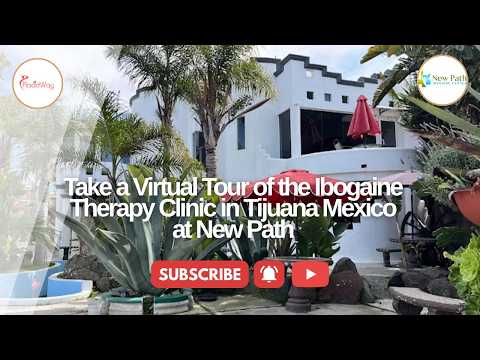
Patients who feel marginalized by conventional addiction treatments are discovering compassionate, forward-thinking care just across the border. For instance, many international travelers have discovered renewed hope at New Path Ibogaine in Tijuana, a destination offering structured, medically monitored experiences. The integration of advanced clinical protocols with holistic alternative therapies creates a comprehensive healing environment. This blend of accessibility, affordability, and innovative care continues to drive the region's medical travel industry forward.
According to medical tourism indices, Mexico consistently ranks as the second most popular medical travel destination globally, drawing over 1.2 million international patients annually for various treatments.
- Convenient geographical access via the San Diego border crossing.
- Facilities often feature bilingual medical staff prioritizing patient communication.
- Integration of state-of-the-art medical technology with alternative medicine practices.
- Strict adherence to privacy and confidentiality for high-profile or sensitive cases.
Affordable Ibogaine Treatment Cost in Tijuana vs the United States
The financial burden of chronic opioid dependency and subsequent stays in traditional US rehabilitation centers can be devastating for families. Insurance coverage for alternative or out-of-network addiction care is often minimal, leaving patients to finance their recovery entirely out of pocket. Consequently, evaluating the ibogaine treatment cost in Tijuana reveals a highly competitive and accessible option for middle-income patients. Medical tourists generally find that their money goes much further abroad without sacrificing clinical safety or luxury amenities.
In Mexico, treatment packages are typically all-inclusive, covering medical screening, the therapy itself, accommodations, and immediate post-treatment care. Because ibogaine is not legally available in the US, direct domestic cost comparisons for this exact medication are impossible, so patients usually compare it to long-term luxury rehabs. Seeking affordable ibogaine therapy in Mexico allows patients to reallocate their resources toward long-term psychological aftercare. Understanding these financial dynamics empowers patients to make informed, stress-free decisions regarding their healthcare.
| Procedure / Treatment Name | Average Cost in Tijuana (USD) | Cost Comparison with USA (Luxury Rehab Equivalent) |
|---|---|---|
| Standard 7-Day Ibogaine Detox Protocol | $5,000 - $7,500 | $25,000 - $40,000+ (Traditional 30-day inpatient) |
| Extended 14-Day Dual Diagnosis Ibogaine Care | $8,000 - $10,000 | $50,000 - $80,000+ (Traditional 60-day dual diagnosis) |
| Comprehensive Pre-Treatment Medical Screening | Included in package | $1,000 - $3,000 (Out-of-pocket medical tests) |
| Post-Treatment Integration Therapy (Per Week) | $1,500 - $2,500 | $5,000 - $10,000+ (Outpatient intensive programs) |
What to Expect During OxyContin Detox Programs in Mexico
Entering a clinical facility for addiction treatment can be intimidating, but knowing the typical workflow helps alleviate travel anxiety. Reputable clinics offering OxyContin detox programs in Mexico prioritize patient comfort and medical safety from the moment of arrival. The process begins with exhaustive cardiovascular and psychological screenings to ensure the patient is a viable candidate for the psychoactive protocol. Patients are generally stabilized and monitored closely to safely transition them from short-acting opioids if necessary.
The actual administration of the plant medicine occurs under continuous EKG monitoring by certified medical staff. Most patients experience intense, dream-like visions that can last anywhere from twelve to twenty-four hours, navigating deep subconscious memories. Following the acute phase, patients enter a critical resting period where the physical withdrawal symptoms are typically vastly diminished. This structured timeline allows the body to gently recalibrate and prepares the individual for the journey home.
Be entirely honest with your clinical intake team regarding your recent substance use, including alcohol and prescription medications, as this dictates your safety protocol and stabilization phase.
- Initial medical clearance including comprehensive EKG and liver panel tests.
- A stabilization period to safely manage opioids prior to ibogaine ingestion.
- The acute therapeutic phase involving supervised psychoactive processing.
- A dedicated recovery and integration phase focusing on nutritional and mental replenishment.
Specialized Ibogaine Clinics in Tijuana Focusing on Long-Term Healing
Selecting the right facility is paramount when embarking on a journey to resolve deep-seated substance dependencies. The leading ibogaine clinics in Tijuana stand out by embracing a holistic philosophy that treats the entire human being, not just the physical addiction. These specialized centers typically employ multidisciplinary teams consisting of physicians, psychologists, and integration coaches. A high staff-to-patient ratio ensures that each individual receives personalized attention during their most vulnerable moments.
Top-tier clinics distinguish themselves by prioritizing emergency preparedness and maintaining advanced life support equipment on-site. The environment is generally designed to be tranquil and private, fostering a sense of security necessary for deep psychological work. Patients are encouraged to participate in restorative practices such as meditation, breathwork, and nutritional therapy post-treatment. This comprehensive approach is designed to fortify the patient's physical health while rebuilding their emotional resilience.
Overcoming a Decade of Dependency
"After ten years of relying on prescription painkillers, I felt entirely trapped. The clinic in Tijuana provided a safe, heavily monitored environment that helped me navigate the physical detox with minimal discomfort. The level of medical professionalism completely eased my anxiety about seeking treatment abroad." - Sarah T.
- Facilities equipped with modern medical telemetry for constant vital monitoring.
- Integration of psychological counseling to interpret the therapeutic visions.
- Nutritionally dense meal plans designed to restore depleted physical health.
- Secure, serene environments that prioritize patient privacy and relaxation.
Preparing for Your Medical Travel to Mexico for Substance Abuse
Proper preparation is a critical component of ensuring a safe and effective outcome for your medical journey abroad. When planning your medical travel to Mexico for substance abuse, logistical coordination must go hand-in-hand with medical readiness. Patients should gather comprehensive medical records, including recent cardiac evaluations, to share with their prospective international doctors. Securing proper travel documentation, such as a valid passport, well in advance will prevent last-minute administrative hurdles.
Mental preparation is equally important when facing an intensive psychoactive detox experience. Patients are generally advised to practice mindfulness and establish clear intentions for what they wish to achieve during their therapy. Communicating with your support system at home ensures that post-treatment aftercare is arranged before you even depart. A smooth, well-planned departure sets a positive, calm tone for the transformative healing process ahead.
Do not attempt to abruptly cease taking long-acting opioids like methadone or Suboxone without explicit medical direction from your chosen clinic, as this can cause severe complications during treatment.
- Coordinate secure border transport directly with your chosen medical facility.
- Compile a detailed list of all current medications, vitamins, and supplements.
- Arrange for a trusted family member or friend to be your emergency contact.
- Set realistic expectations, understanding that this therapy is a tool, not a magic wand.
The Psychological Benefits of Ibogaine Therapy in Mexico
While the physical detoxification aspect draws many patients, the psychological breakthroughs are often the most celebrated outcomes of the process. Ibogaine therapy in Mexico offers a unique, dream-like state where patients frequently confront the traumatic roots of their addiction. This psychoactive phase acts as an accelerated form of psychotherapy, allowing individuals to view their past behaviors objectively and without emotional pain. Most patients experience profound realizations regarding their self-worth and the emotional triggers that drove their dependency.
By bypassing the ego's usual defense mechanisms, the mind is able to process unresolved grief, guilt, and trauma efficiently. The substance generally promotes a state of neuroplasticity, allowing the brain to forge new, healthier thought patterns in the weeks following treatment. This mental clarity is a vital component in breaking the cyclical nature of opioid relapse. Empowered by these newfound insights, patients are typically better equipped to engage in traditional cognitive behavioral therapies back home.
Researchers refer to ibogaine as an "oneirogen," meaning it produces waking dreams, allowing patients to observe their memories as if watching a movie, which aids immensely in trauma processing.
- Facilitates deep emotional processing of suppressed childhood traumas.
- Significantly reduces symptoms of post-acute withdrawal depression and anxiety.
- Helps rebuild broken neural pathways related to motivation and reward.
- Provides a profound sense of spiritual or emotional reset.
Evaluating the Safety Protocols of Ibogaine Centers in Tijuana
Patient safety must be the absolute highest priority when selecting a facility for this powerful intervention. Evaluating the clinical standards of ibogaine centers in Tijuana involves scrutinizing their pre-screening criteria and emergency response capabilities. Because the plant medicine can cause bradycardia (slowing of the heart rate) and prolong the QT interval, strict cardiac eligibility is non-negotiable. Reputable clinics will explicitly turn away candidates whose medical history poses an unacceptable risk during the procedure.
A trustworthy center operates under the supervision of licensed medical doctors, typically including a cardiologist and an emergency room physician. Continuous monitoring using advanced telemetry equipment during the acute phase of treatment is an industry standard for safety. Furthermore, clinics should have immediate access to emergency medications, defibrillators, and clear protocols for hospital transfers if necessary. Ensuring these strict safety measures are in place provides peace of mind for both the patient and their loved ones.
Safety First Approach
"I was initially terrified of the physical risks I had read about online. However, the clinic in Tijuana spent three days running EKGs and blood tests before they even cleared me for treatment. Having a doctor sitting by my bed monitoring my heart rate the entire time made me feel completely secure." - Michael R.
- Mandatory 12-lead EKG testing to evaluate the heart's QT interval.
- Comprehensive metabolic panels to ensure optimal liver and kidney function.
- Continuous bedside monitoring by ACLS-certified (Advanced Cardiovascular Life Support) nurses.
- Strict exclusion criteria for patients with severe psychiatric or cardiovascular conditions.
Integrating Aftercare and Post-Ibogaine Support in Mexico
The conclusion of your stay at a clinic is merely the beginning of your lifelong recovery journey. Establishing a robust plan for post-ibogaine support in Mexico and upon returning home is critical for maintaining sobriety. The therapy provides a neurological window of opportunity by eliminating acute withdrawals, but it does not fix external environmental stressors. Patients are generally advised to engage with integration coaches who specialize in helping individuals process their psychoactive experiences.
Aftercare may include joining dedicated support groups, continuing psychological counseling, or even entering a sober living environment. It is essential to fill the void left by addiction with positive, health-oriented activities and supportive relationships. Many clinics in Tijuana offer continued telemedicine support or partner with integration facilities worldwide to ensure continuity of care. Recognizing that sustained effort is required protects the profound investment made during the medical travel experience.
Before you travel, pre-book appointments with a local therapist or integration counselor in your home city so you have immediate psychological support upon your return.
- Engage in regular therapy to unpack the insights gained during treatment.
- Adopt holistic wellness routines including exercise and proper nutrition.
- Avoid social circles or environments associated with past substance use.
- Participate in specialized psycho-spiritual integration coaching networks.
Real Patient Success with Ibogaine Detox in Tijuana
Hearing directly from individuals who have successfully navigated this path can be immensely inspiring for those still struggling. The landscape of ibogaine detox in Tijuana is filled with profound narratives of people who arrived completely broken and left with renewed purpose. These case summaries highlight the dramatic shift in perspective that occurs when the physical chains of OxyContin are finally broken. Most patients report not just a cessation of drug use, but a holistic rejuvenation of their personal relationships and career ambitions.
While results vary for every individual, the common thread among success stories is the willingness to embrace the psychological insights offered by the medicine. Patients frequently describe the experience as a hard reset for their brain, allowing them to finally implement the coping strategies they had learned in previous rehabs. This newfound clarity often serves as the cornerstone for a sustainable, healthy lifestyle. The transformative power of this specialized medical tourism continues to change the narrative surrounding opioid recovery.
A New Lease on Life
"After multiple failed stints in traditional rehabs, I felt hopeless against my OxyContin dependency. The therapy in Mexico was intense and challenging, but waking up on the third day with absolutely zero physical cravings felt like a miracle. It gave me the head start I desperately needed to rebuild my life." - David L.
Healing the Underlying Trauma
"I went to Tijuana expecting a physical detox, but I received a profound emotional healing. The treatment allowed me to confront the severe anxiety that caused me to use opioids in the first place. For the first time in years, I am genuinely excited about my future." - Jessica M.
Legal and Medical Considerations for Ibogaine in Mexico
Navigating the legal landscape of alternative medicine is a vital step for international patients. In the United States, ibogaine is classified as a Schedule I controlled substance, making it illegal to possess or use clinically. However, regarding legal ibogaine in Mexico, the substance is unregulated, allowing specialized clinics to administer it openly within medical frameworks. This jurisdictional difference is the primary driver of medical tourism for addiction care in the region.
Despite its legal availability in Mexico, the quality of care can vary significantly between facilities, emphasizing the need for rigorous due diligence. Patients must ensure they are selecting a center that operates strictly under the guidelines of the Mexican Secretariat of Health (COFEPRIS). Seeking out facilities with transparent medical protocols, licensed physicians, and verifiable emergency plans mitigates the risks associated with unregulated markets. Educating yourself on these medical and legal parameters ensures a safer, more compliant medical travel experience.
Several countries, including New Zealand and South Africa, have moved to legalize or regulate ibogaine as a prescription medication, signaling a gradual shift in global medical perspectives on addiction care.
- Ibogaine remains strictly prohibited in the US, mandating international travel for clinical access.
- Mexican clinics operate legally but patients must still vet them for medical compliance.
- Reputable centers will transparently share their licensing and physician credentials.
- International medical travel requires careful adherence to customs and border protocols post-treatment.
How PlacidWay Assists Your Ibogaine Medical Tourism Journey in Mexico
Embarking on a journey for international medical care can be overwhelming, especially when navigating the complexities of addiction recovery. Patients need reliable, authoritative resources to connect them with highly vetted, secure medical facilities abroad. We specialize in empowering patients by providing comprehensive profiles and critical insights into global healthcare options. PlacidWay streamlines the research phase, allowing individuals to focus entirely on their upcoming healing process.
Our platform is designed to bridge the gap between international patients and certified medical providers in Tijuana. By offering transparent access to clinic information, we help demystify the medical travel experience. We prioritize patient education, ensuring that you have all the necessary data to make an informed, confident healthcare decision. Let us support your path to reclaiming your independence from opioid dependency.
- Providing comprehensive directories of globally vetted and accredited medical facilities.
- Facilitating direct, secure communication between patients and international medical teams.
- Offering extensive educational resources to help patients understand complex medical procedures.
- Assisting with gathering multiple medical quotes to ensure informed financial planning.
- Delivering objective patient reviews and testimonials to build trust and transparency.
Frequently Asked Questions About Ibogaine Therapy in Tijuana
Making the decision to pursue alternative addiction treatments abroad generates a multitude of valid questions and concerns. Understanding the nuances of ibogaine therapy in Mexico requires clear, objective information regarding safety, efficacy, and logistics. It is entirely normal for prospective patients and their families to seek detailed clarifications before committing to medical travel.
The following section addresses the most common inquiries regarding this specialized intervention for OxyContin dependency. We aim to provide straightforward, medically grounded answers to help you navigate this complex landscape. Educating yourself through these frequently asked questions is a vital step toward making a safe and confident healthcare decision.
Is ibogaine therapy safe for OxyContin dependency?
While ibogaine therapy shows promise in interrupting opioid dependency, it carries cardiac and neurological risks. It is generally administered under strict medical supervision with comprehensive pre-screening protocols to mitigate potential complications.
How long does the ibogaine treatment process take in Tijuana?
Most patients typically spend between seven to fourteen days at a clinic in Tijuana. This duration allows for thorough pre-treatment medical evaluations, the therapy session itself, and essential early aftercare stabilization.
Why do patients travel to Mexico for ibogaine therapy?
Patients travel to Mexico primarily because ibogaine remains a Schedule I substance in the United States and is unavailable for clinical use. Tijuana offers legal, medically supervised clinics that provide these specialized addiction therapies.
Does ibogaine cure opioid addiction instantly?
No treatment, including ibogaine, is a guaranteed cure for addiction. It typically acts as a powerful catalyst to reset neurotransmitters and significantly reduce withdrawal symptoms, but long-term recovery requires ongoing psychological aftercare.
What is the average cost of ibogaine therapy in Tijuana?
The cost of ibogaine therapy in Tijuana generally ranges from $5,000 to $10,000 depending on the facility, length of stay, and included medical protocols. This is often significantly more affordable than traditional long-term luxury rehabs in the US.
Will I experience withdrawal symptoms after ibogaine treatment?
Most patients experience a drastic reduction or complete elimination of acute physical withdrawal symptoms after taking ibogaine. However, mild residual discomfort or emotional vulnerability can occur, highlighting the need for supervised aftercare.
Do I need a passport to travel to Tijuana for treatment?
Yes, international patients traveling from the United States or other countries will need a valid passport to cross the border into Mexico. Ensure your travel documents are up to date before scheduling your medical procedure.
Are doctors in Tijuana ibogaine clinics certified?
Reputable ibogaine clinics in Tijuana employ fully licensed medical professionals, including cardiologists and emergency room physicians. It is crucial to verify the credentials and emergency preparedness of any facility before booking.
Can I combine ibogaine with other medications?
Combining ibogaine with other medications, especially long-acting opioids or psychiatric drugs, can be extremely dangerous. A mandatory detoxification period from certain substances is generally required prior to administering ibogaine.
What kind of aftercare is recommended post-ibogaine?
Continuous psychological support, integration coaching, and participation in recovery communities are highly recommended following treatment. Integrating the insights gained during the ibogaine experience is vital for maintaining long-term sobriety.
Take the first step toward reclaiming your life from opioid dependency. Connect with top-tier, vetted medical facilities in Tijuana through PlacidWay today.
Medical Disclaimer: This article is for informational purposes only and is not medical advice. Always consult a qualified healthcare provider before any medical decisions. Results may vary. Read Full Disclaimer here.
References
- National Institute on Drug Abuse (NIDA). Opioid Overdose Crisis. https://nida.nih.gov/research-topics/opioids/opioid-overdose-crisis
- National Library of Medicine (NCBI). Ibogaine in the Treatment of Substance Dependence. https://pubmed.ncbi.nlm.nih.gov/23627782/
- Medical Tourism Association. Mexico Medical Tourism Guide. https://www.medicaltourism.com/destinations/mexico







.png)
.png)
.png)








Share this listing