



Shoulder pain can severely diminish your quality of life, making routine tasks feel overwhelming and impossible. In recent years, stem cell therapy for shoulder pain in Japan has emerged as a compelling alternative for international patients seeking relief. Thai medical tourists, in particular, are increasingly looking abroad for advanced regenerative treatments. Japan offers a unique blend of rigorous medical standards and highly innovative orthopedic therapies.
This non-surgical approach utilizes the body’s own biological mechanisms to target joint inflammation and underlying tissue damage. Rather than undergoing invasive joint replacements, patients generally opt for minimally invasive cellular injections. These therapies typically aim to reduce chronic pain and potentially improve overall joint function. As a result, medical tourism in Japan continues to grow for those exploring conservative management of orthopedic conditions.
Mesenchymal stem cells (MSCs) are often utilized in orthopedics because of their natural anti-inflammatory properties and their potential ability to differentiate into bone and cartilage cells.
- Focuses on reducing persistent shoulder inflammation.
- Utilizes the patient's own biological material (autologous cells).
- Generally performed as a minimally invasive outpatient procedure.
- Aims to preserve the natural anatomy of the shoulder joint.
Why Thai Patients Choose Medical Tourism in Japan
The healthcare landscape in Asia is highly competitive, yet Japan remains a top destination for regenerative medicine. Thai patients are increasingly seeking out orthopedic stem cell clinics in Japan due to the country’s stringent safety regulations and advanced laboratory technologies. While Thailand has excellent healthcare, specific cultured stem cell protocols are often more accessible and highly developed in Japanese medical centers. This technological edge draws patients who want the most refined cellular expansion techniques available.
Furthermore, the cultural proximity and excellent hospitality make the medical journey more comfortable for Southeast Asian travelers. Most patients experience a seamless transition from medical consultations to recovering in a serene environment. The combination of precision medicine and a patient-centric approach ensures a highly trusted healthcare experience. Many individuals feel that traveling for non-surgical shoulder treatment in Japan is a worthwhile investment in their long-term joint health.
Japan was one of the first countries in the world to establish a fast-track regulatory framework specifically designed for the safe clinical application of regenerative medicine.
Exploring Top Stem Cell Clinics in Japan
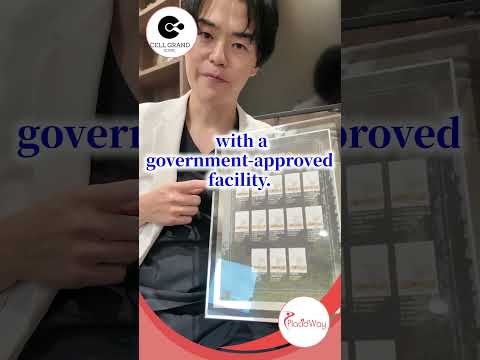
Finding the right medical facility is a critical step in your healthcare journey abroad. Facilities like the renowned Cell Grand Clinic in Osaka, Japan, frequently attract international patients seeking comprehensive care. When researching options, many individuals look for the best stem cell clinic in Japan to ensure they receive high-quality regenerative therapies. These top-tier facilities boast state-of-the-art cell processing centers that comply with international safety standards.
International clinics typically provide dedicated coordinators who assist with language translation and medical record transfers. This ensures that Thai patients clearly understand their diagnosis, treatment plan, and anticipated recovery timeline. Highly regulated stem cell clinics in Japan undergo continuous inspections to maintain their certifications. Consequently, patients can feel confident in the purity and viability of the cellular products used in their treatments.
Always ask potential clinics about their cell culturing laboratory. Clinics with in-house or strictly regulated partner labs generally offer better quality control over the cellular extraction and expansion process.
Affordable Stem Cell Therapy Cost in Japan
Understanding the financial commitment is vital when planning a medical trip overseas. The stem cell therapy cost in Japan is generally reflective of the high-level laboratory processing and expert orthopedic care provided. While it may require a higher upfront investment compared to local options, many patients find the long-term value outweighs the initial expense. Transparent pricing structures help international visitors budget effectively without facing unexpected medical bills.
It is important to compare costs logically, understanding that not all stem cell procedures are identical. Advanced cultured therapies will naturally cost more than simple same-day uncultured injections. When evaluating affordable regenerative medicine in Japan, patients must factor in consultation fees, imaging diagnostics, and the specific type of biological therapy utilized. Below is a realistic comparison of average estimated costs.
| Procedure Name | Average Cost in Japan (USD) | Average Cost in Thailand (USD) |
|---|---|---|
| Cultured Mesenchymal Stem Cells | $12,000 - $18,000 | $10,000 - $15,000 |
| Uncultured MSCs / Bone Marrow Aspirate | $6,000 - $9,500 | $5,000 - $8,000 |
| Advanced PRP (Platelet-Rich Plasma) | $1,000 - $2,500 | $800 - $1,800 |
| Orthopedic Consultation & Diagnostics | $300 - $600 | $150 - $350 |
How Regenerative Medicine Heals Shoulder Injuries in Japan
The science behind regenerative medicine in Japan relies on the profound natural abilities of specific biological cells. When injected into a damaged shoulder joint, these cells typically act as signaling molecules that direct the body’s healing response. They work to modulate the local immune system, generally reducing the chronic inflammation that causes stiffness and sharp pain. This biological process is quite different from simply masking pain with temporary corticosteroid injections.
Most patients experience a gradual improvement as the cellular therapy supports tissue repair within the rotator cuff or glenohumeral joint. The targeted delivery of these concentrated cells directly to the site of injury is a hallmark of advanced orthopedic care in Japan. While results may vary depending on the patient's age and severity of joint degeneration, the core goal remains the same: halting further degradation and promoting natural tissue health.
Studies suggest that properly processed autologous stem cell injections can significantly reduce pro-inflammatory cytokines in degenerative joints for up to 12 to 24 months in responding patients.
- Reduces chronic inflammation within the shoulder capsule.
- Promotes biological signaling for localized tissue repair.
- Aims to delay or completely prevent the need for invasive surgeries.
- Utilizes advanced ultrasound guidance for precise cellular delivery.
The Medical Consultation Process for Stem Cells in Japan
Before any treatment begins, patients undergo a highly meticulous medical evaluation to determine their specific candidacy. This initial step for stem cell therapy in Japan typically involves reviewing previous MRI scans, blood work, and comprehensive medical histories. Specialists need to ensure that the patient does not have underlying conditions that might serve as strict contraindications, such as active infections or certain types of blood disorders. Transparency during this phase is absolutely critical for patient safety.
During the consultation, doctors will clearly outline what the patient can realistically expect from the procedure. They will explain that while many achieve significant pain reduction, no ethical medical provider can ever guarantee results. This honest approach builds deep trust among those pursuing medical travel to Japan. By setting realistic expectations, the clinical team ensures that international patients are making well-informed, educated healthcare decisions.
Patients with a history of active systemic infections, active malignancies, or severe bleeding disorders are generally contraindicated for autologous stem cell harvesting and injections. Always disclose your full medical history.
Safety and Regulations for Cellular Therapy in Japan
Safety is the cornerstone of the Japanese healthcare system, particularly in the rapidly evolving field of cellular medicine. The Japanese government has implemented strict legislative frameworks governing all forms of cellular therapy in Japan to protect both domestic and international patients. Clinics must adhere to the Act on the Safety of Regenerative Medicine, which mandates rigorous laboratory standards and continuous safety monitoring. This level of oversight provides immense peace of mind to Thai tourists.
Because the cells used are generally autologous—meaning they are harvested from your own body—the risk of rejection or allergic reaction is remarkably low. However, stringent sterile protocols are still enforced to mitigate any risk of infection during harvesting and re-injection. Finding a certified regenerative medicine clinic in Japan ensures that you are receiving care in an environment that prioritizes uncompromising ethical and medical standards.
Under Japanese law, regenerative medicine procedures are classified by risk levels (Class I to III), ensuring that higher-risk cellular manipulations undergo the most rigorous government scrutiny before clinical approval.
Preparing for Your Orthopedic Stem Cell Procedure in Japan
Proper preparation is essential to optimize your biological response to the treatment. Weeks prior to traveling for shoulder pain relief in Japan, patients are often advised to modify certain lifestyle habits. This typically includes pausing non-steroidal anti-inflammatory drugs (NSAIDs), as these medications can interfere with the stem cells' natural inflammatory signaling required for the healing process. Doctors also generally recommend maintaining a nutrient-rich diet to support cellular health.
Logistical preparation is just as important as physical readiness for a smooth medical journey. Thai patients should organize their travel itineraries to allow for adequate rest before and after the clinical appointments. Engaging with a medical tourism facilitator can greatly simplify the process of booking affordable stem cell treatments in Japan. Proper planning reduces travel-related stress, which is highly beneficial for overall immune function and recovery.
Bring physical copies of your most recent MRI scans on a disc or USB drive, alongside your translated medical records, to prevent any delays during your initial Japanese clinical assessment.
The Non-Surgical Shoulder Treatment Experience in Japan
The actual procedure day is designed to be as stress-free and efficient as possible for international guests. Once at the clinic, the non-surgical shoulder treatment in Japan typically begins with the extraction of cells, commonly via a miniature liposuction procedure for adipose-derived cells. This is usually performed under local anesthesia, ensuring the patient remains comfortable and awake. The extracted tissue is then sent to the laboratory for meticulous processing and concentration.
Later in the day, or on a subsequent visit depending on the protocol, the concentrated cells are carefully injected into the targeted shoulder joint. Doctors utilize high-resolution ultrasound imaging to guide the needle precisely into the damaged tendons or joint capsule. Most patients experience this part of the regenerative joint therapy in Japan as relatively quick, with only minor pressure felt during the injection.
- Minimally invasive harvesting utilizing local anesthesia.
- Advanced laboratory processing to isolate viable regenerative cells.
- Ultrasound-guided precision injections into the shoulder joint.
- Outpatient procedure allowing patients to return to their hotel the same day.
Post-Treatment Recovery from Stem Cell Therapy in Japan
Immediate aftercare is focused on protecting the joint while the biological healing process initiates. After receiving stem cell therapy for shoulder pain in Japan, patients are generally advised to rest the joint for a few days. You may experience mild soreness, swelling, or stiffness at the injection site, which is a normal part of the body's initial inflammatory healing response. Ice and specific doctor-approved analgesics can help manage this temporary discomfort.
It is crucial to follow the customized post-procedure guidelines provided by your Japanese medical team before flying back to Thailand. Engaging in heavy lifting or strenuous shoulder movements too soon can disrupt cellular adhesion. A gradual return to normal activities ensures that the orthopedic recovery in Japan yields the best possible biological environment for tissue repair and joint stabilization.
The initial biological response, where stem cells begin to release healing factors and recruit other local repair cells, typically occurs within the first 14 to 21 days following the injection.
Long-Term Shoulder Joint Mobility Results in Japan
Healing through regenerative medicine is a marathon, not a sprint, requiring patience and compliance. As the weeks turn into months following shoulder stem cell treatment in Japan, patients typically report a gradual decrease in daily pain levels. Concurrently, many individuals notice a distinct improvement in their range of motion, making overhead reaching or sleeping on the affected side much easier. While the trajectory of improvement varies, the primary goal is sustained, long-term joint functionality.
To maximize these outcomes, adherence to a structured physical therapy regimen is incredibly important. Gentle rehabilitation helps properly align new tissue fibers and strengthens the supporting shoulder muscles. By combining advanced biological injections with dedicated physical therapy, patients pursuing medical tourism in Japan give themselves the highest probability of restoring their active, pain-free lifestyles.
Clinical observations indicate that the peak functional improvements from autologous cellular injections in large joints are typically realized between 3 to 6 months post-procedure.
Integrating Traditional Japanese Wellness with Cellular Therapy in Japan
Beyond the sterile clinic walls, the holistic environment of Japan plays a surprisingly supportive role in recovery. Many Thai patients integrate their regenerative medicine in Japan with traditional Japanese wellness practices to promote systemic healing. The serene atmosphere of Japanese gardens, mindful meditation, and anti-inflammatory traditional diets contribute significantly to reducing bodily stress. Lowering systemic stress is known to support optimal immune and cellular function.
While recovering from your shoulder joint therapy in Japan, embracing this calm lifestyle can be deeply therapeutic. Medical tourists frequently note that the peaceful environment allows them to focus entirely on their healing journey. This beautiful fusion of high-tech medical innovation and ancient wellness traditions makes Japan an unparalleled destination for comprehensive holistic and orthopedic care.
The traditional Japanese diet, rich in Omega-3 fatty acids from fish and antioxidants from green tea, is naturally anti-inflammatory and supports post-cellular therapy recovery.
Patient Success Stories with Shoulder Stem Cell Treatment in Japan
Hearing about the experiences of others can provide valuable insight into the realities of the medical journey. Many international patients have successfully navigated medical travel to Japan to address chronic joint issues. Their stories often highlight the professionalism of the clinical staff and the profound impact of finally finding relief from persistent pain. Reading real-life summaries helps prospective patients mentally prepare for their own treatments.
While every individual's biology responds differently and results cannot be guaranteed, these summaries reflect typical post-care experiences. Below are a few brief testimonials illustrating how orthopedic stem cell procedures in Japan have helped patients reclaim their mobility and overall quality of life.
Overcoming Years of Rotator Cuff Pain
A 55-year-old Thai businessman suffered from a partial rotator cuff tear that severely limited his golf swing. After receiving cultured stem cell injections in Osaka, he generally experienced significant pain reduction within four months, allowing him to return to the course without surgical intervention.
Relief from Chronic Shoulder Osteoarthritis
A patient dealing with progressive joint degeneration traveled for advanced cellular therapy. While she was warned results may vary, she reported a marked decrease in nighttime shoulder pain and improved daily functional mobility within the first six months of her recovery.
Avoiding Invasive Joint Surgery
Faced with the prospect of a complete shoulder replacement, a 62-year-old patient sought conservative alternatives. By utilizing advanced regenerative medicine in Japan, he successfully managed his inflammation and preserved his native joint architecture.
Seamless Medical Tourism Experience
An international patient highlighted the exceptional care and linguistic support provided by the Japanese medical staff. The clear communication and strict safety protocols gave her the confidence needed to proceed with her non-surgical shoulder treatments abroad.
How PlacidWay Assists Your Stem Cell Medical Tourism Journey in Japan
Navigating foreign healthcare systems can be complex, especially when seeking specialized regenerative treatments. Connecting with trusted stem cell clinics in Japan requires diligent research and verified medical contacts. Facilitators play an essential role in bridging the gap between international patients and elite medical institutions.
PlacidWay is dedicated to simplifying your pursuit of highly advanced medical care abroad. By providing access to vetted clinics and comprehensive information, PlacidWay empowers you to make confident healthcare choices regarding your non-surgical orthopedic care in Japan. Here is how PlacidWay supports your medical tourism journey:
- Provides direct access to globally recognized and accredited regenerative medicine centers.
- Facilitates seamless communication and initial medical consultations with international specialists.
- Offers transparent, detailed cost estimates to help you budget for your medical procedures.
- Assists in securely transferring your medical records and imaging files for preliminary evaluations.
- Empowers you with educational resources and patient testimonials to support informed decision-making.
Frequently Asked Questions (FAQ)
Am I a suitable candidate for stem cell shoulder treatment in Japan?
Most patients with degenerative shoulder conditions, rotator cuff tears, or chronic inflammation are generally considered suitable candidates. However, a comprehensive medical evaluation by a specialist is required to determine your eligibility.
How long does the regenerative procedure take?
The actual injection procedure is typically completed within a few hours on an outpatient basis. International patients should plan to stay for a few days to accommodate initial consultations and follow-up reviews.
Is stem cell therapy for shoulders painful?
The procedure is minimally invasive and is usually performed using local anesthesia to minimize discomfort. Most patients experience only mild soreness at the injection site for a few days post-treatment.
Do Thai citizens need a medical visa for Japan?
Thai passport holders generally enjoy visa-exempt entry to Japan for short-term visits of up to 15 days. For longer recovery periods, a specialized medical stay visa may be required.
When will I see results from the therapy?
Regenerative medicine relies on biological healing, which takes time. Patients typically begin noticing improvements in pain and mobility within three to twelve weeks, though results may vary.
What are the risks associated with cellular therapy?
While generally safe because it uses your own cells, risks can include minor infection, bleeding, or temporary swelling at the injection site. It is crucial to discuss strict contraindications with your provider.
How much does stem cell therapy cost in Japan compared to Thailand?
Prices vary depending on the technique used, but advanced cultured stem cell therapies in Japan typically range from $10,000 to $18,000. Many Thais travel for the specific advanced technology rather than strictly for lower costs.
Are the results of non-surgical shoulder therapy guaranteed?
No medical procedure can guarantee results. Outcomes depend on your age, the severity of your shoulder condition, and your adherence to post-treatment rehabilitation protocols.
Can I fly back to Thailand immediately after treatment?
Doctors generally recommend resting for 24 to 48 hours before undertaking a long flight. You will receive specific travel guidelines during your post-procedure consultation.
Will I need physical therapy after the injections?
Yes, guided rehabilitation is often highly recommended to maximize the benefits of regenerative treatments. Gentle physical therapy helps restore joint mechanics and supports tissue healing.
Ready to explore non-surgical shoulder pain relief with advanced stem cell therapy in Japan? Let PlacidWay connect you with top-tier regenerative clinics.
References
- National Institutes of Health (NIH). Stem Cells in Regenerative Medicine. https://orip.nih.gov/division-comparative-medicine/initiatives/stem-cells-and-regenerative-medicine
- Mayo Clinic. Stem Cell Transplant: What is it and how is it used? https://www.mayoclinic.org/tests-procedures/bone-marrow-transplant/in-depth/stem-cells/art-20048117
- Wikipedia. Regenerative Medicine in Japan. https://en.wikipedia.org/wiki/Regenerative_medicine
.png)

.png)

.png)
.png)



.png)








Share this listing