

Faced with escalating domestic healthcare expenses, a growing number of Swiss residents are exploring cross-border alternatives for managing chronic joint pain. Medical tourism in Slovakia has rapidly emerged as a preferred solution, offering an optimal blend of European Union regulatory standards and highly competitive pricing. By traveling a relatively short distance, patients can access premium stem cell orthopedic care in Slovakia without enduring the prohibitive out-of-pocket costs typical of Swiss private clinics.
Slovakia boasts a robust healthcare infrastructure equipped with state-of-the-art medical technologies and bilingual specialists trained across top European institutions. For Swiss patients, the appeal lies not just in the financial savings, but in the accessibility of advanced orthopedic regenerative medicine that focuses on joint preservation rather than immediate surgical replacement. This modern approach to healthcare migration prioritizes quality, safety, and comprehensive patient evaluation.
Slovakia is geographically situated in the heart of Europe, making it highly accessible for Swiss patients. A direct flight from Zurich to Vienna or Bratislava typically takes just over an hour, simplifying the medical travel experience.
- Substantial Cost Efficiency: Procedures generally cost a fraction of what they do in Switzerland, even when factoring in travel expenses.
- Stringent EU Standards: Slovakian clinics adhere strictly to European Union medical guidelines, ensuring high safety and hygiene protocols.
- Minimal Wait Times: Private international clinics in Slovakia often provide rapid scheduling, bypassing long domestic waitlists.
- Advanced Medical Facilities: Investments in modern biotechnology allow Slovakian centers to offer state-of-the-art cell processing.
Understanding the Science Behind Stem Cell Therapy for Joints
At the core of regenerative joint treatments is the utilization of the body’s own biological materials to promote tissue healing and reduce inflammation. Stem cells, particularly mesenchymal stem cells (MSCs), possess the unique ability to modulate the immune system and potentially differentiate into various tissue types, including cartilage and bone. When these cells are concentrated and precisely injected into a damaged joint, they generally work to alter the degenerative microenvironment, shifting it from a state of breakdown to one of repair.
The scientific community continues to study the exact mechanisms, but it is widely accepted that these therapies primarily function through paracrine signaling. This means the injected cells release powerful growth factors and cytokines that signal the body's native cells to initiate the healing process. Understanding this biological foundation is crucial for patients seeking innovative orthopedic therapies abroad, as it highlights that the treatment relies on enhancing natural physiological responses rather than providing artificial joint replacements.
Mesenchymal stem cells (MSCs) are multipotent stromal cells that can differentiate into a variety of cell types, including osteoblasts (bone cells) and chondrocytes (cartilage cells), which is why they are highly valued in orthopedics.
- Inflammation Reduction: Stem cells release anti-inflammatory cytokines that generally help reduce chronic joint swelling and pain.
- Tissue Regeneration Support: Growth factors stimulate local cells to repair micro-tears in soft tissues and cartilage.
- Immune Modulation: The therapy can help regulate local immune responses, slowing down the progression of degenerative joint diseases.
- Scar Tissue Mitigation: Regenerative cells may aid in organizing new tissue formation, potentially reducing the development of fibrotic scar tissue.
Common Orthopedic Conditions Treated with Regenerative Medicine in Slovakia
Specialized clinics across Central Europe cater to a wide spectrum of musculoskeletal disorders, primarily focusing on conditions that cause chronic pain and mobility limitations. Stem cell therapy for osteoarthritis remains the most sought-after procedure, as patients look to delay or entirely avoid invasive joint replacement surgeries. Sports injuries, tendon tears, and early-stage cartilage defects also make up a significant portion of the cases evaluated by orthopedic specialists.
For individuals seeking specialized care, facilities like CellCenter have gained international recognition for their targeted approach to musculoskeletal health. Swiss patients often seek an advanced stem cell orthopedic clinic in Slovakia to receive customized treatment protocols for their specific ailments. Whether addressing a deteriorating hip or a stubborn rotator cuff injury, the goal remains generally focused on improving functionality and reducing discomfort.
- Knee Osteoarthritis: Addressing the progressive breakdown of knee cartilage to improve walking and weight-bearing activities.
- Hip Degeneration: Targeting early to moderate hip joint wear to restore mobility and reduce referred pain.
- Rotator Cuff Tears: Assisting in the healing of partial shoulder tendon tears commonly seen in active adults.
- Tennis and Golfer's Elbow: Providing regenerative support for chronic epicondylitis that has not responded to traditional physical therapy.
- Plantar Fasciitis: Treating severe, persistent heel pain caused by chronic inflammation of the plantar fascia.
Stem Cell Orthopedic Care Cost in Slovakia vs Switzerland
The primary catalyst for the influx of Swiss medical tourists is the vast disparity in healthcare pricing. The stem cell orthopedic care cost in Slovakia is structurally lower due to differences in the general cost of living, administrative overhead, and localized healthcare economics. Despite the lower price tag, the medical consumables, laboratory equipment, and rigorous protocols remain consistent with high-tier European standards.
When analyzing the financial aspects of affordable stem cell therapy for joints, patients must consider the comprehensive treatment package. Slovakian clinics often bundle the initial consultation, cellular extraction, processing, image-guided injection, and preliminary follow-up into a single, transparent fee. Below is a comparative overview of what patients might typically expect when evaluating costs across both nations.
Always ask the international clinic for a comprehensive, itemized quote. Ensure that laboratory processing fees, imaging costs (like ultrasound or fluoroscopy), and post-procedure check-ups are included to avoid unexpected out-of-pocket expenses.
| Procedure Name | Average Cost in Slovakia (€) | Cost Comparison (Switzerland in CHF/€) |
|---|---|---|
| Single Joint Stem Cell Therapy (Adipose/Fat-derived) | €2,500 - €3,500 | €8,000 - €12,000 |
| Bone Marrow Aspirate Concentrate (BMAC) for Knees/Hips | €3,000 - €4,500 | €9,500 - €14,000 |
| Bilateral Joint Treatment (Both Knees) | €4,000 - €6,000 | €15,000 - €22,000 |
| Stem Cell Therapy combined with PRP (Platelet-Rich Plasma) | €2,800 - €4,200 | €10,000 - €15,000 |
The Evaluation and Screening Process for Stem Cell Orthopedic Care in Slovakia
A rigorous diagnostic assessment is the cornerstone of safe and effective medical tourism in Slovakia. Reputable clinics mandate a comprehensive remote and in-person screening process to verify that the patient is a viable candidate for cellular therapy. Swiss patients are usually required to submit recent MRI scans, X-rays, and detailed medical histories prior to booking their travel, ensuring that the journey is medically justified.
Upon arrival, the in-clinic evaluation involves a physical examination, specialized orthopedic functional tests, and sometimes updated diagnostic imaging. This diligent patient selection process is vital, as regenerative medicine is not a universal cure. Establishing precise clinical baselines allows the medical team to customize the cellular extraction and injection protocols to the patient's specific anatomical needs.
Stem cell therapy is not suitable for everyone. Patients with end-stage bone-on-bone osteoarthritis may not experience significant benefits and are generally advised to pursue traditional surgical interventions. Always rely on a qualified specialist's diagnostic imaging review.
- Remote Image Review: Specialists analyze recent MRIs (typically less than 6 months old) to assess cartilage depth and joint space narrowing.
- Detailed Medical History: A thorough review of past surgeries, current medications, and underlying health conditions to rule out contraindications.
- Physical Examination: Assessing range of motion, joint stability, and localized tenderness during the initial in-person consultation.
- Blood Panel Testing: Conducting comprehensive blood work to check for active infections, clotting disorders, and overall systemic health prior to the procedure.
Advanced Techniques Used in Slovakian Stem Cell Clinics
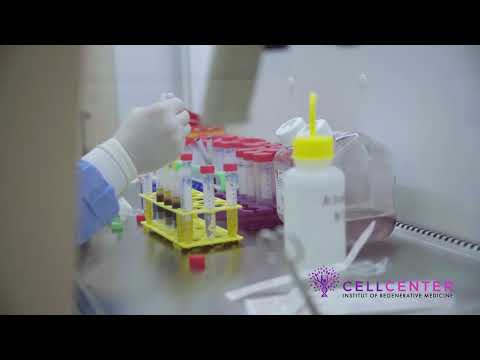
To attract an international clientele accustomed to high-tier medicine, stem cell clinics in Slovakia invest heavily in modern laboratory environments and advanced cellular processing technologies. The focus is predominantly on autologous treatments, meaning the cells are harvested entirely from the patient’s own body. This approach generally nullifies the risk of disease transmission or immune rejection that can sometimes occur with donor cells.
Specialists employ precise, closed-system centrifugation and filtration devices to isolate the highest possible concentration of viable regenerative cells. Whether utilizing adipose tissue (fat) or bone marrow, the goal is to create a potent orthobiologic serum. These sophisticated orthopedic regenerative techniques ensure that the therapeutic payload delivered into the damaged joint is pure, concentrated, and biologically active.
Image guidance, such as ultrasound or fluoroscopy, is a critical component of modern joint injections. It allows the physician to see exactly where the needle is positioned in real-time, ensuring the stem cells are deposited precisely into the damaged tissue rather than surrounding areas.
- Adipose-Derived Stem Cells (ADSCs): Extracted via a mini-liposuction procedure, fat tissue is rich in mesenchymal stem cells and structural matrix components.
- Bone Marrow Aspirate Concentrate (BMAC): Harvested typically from the iliac crest (pelvis), providing a robust mix of stem cells and healing growth factors.
- Platelet-Rich Plasma (PRP) Augmentation: Often combined with stem cells to provide an immediate burst of growth factors that act as "food" for the newly injected cells.
- Stromal Vascular Fraction (SVF): A specialized processing method that isolates a diverse population of regenerative cells from fat tissue for optimal therapeutic effect.
What to Expect During Stem Cell Orthopedic Procedures in Slovakia
For Swiss patients traveling abroad, understanding the day-of-procedure timeline helps alleviate anxiety and sets realistic expectations. Stem cell treatments for joints are overwhelmingly performed as outpatient procedures under local anesthesia, meaning there is no requirement for an overnight hospital stay. The entire process—from extraction to injection—is typically completed within a single morning or afternoon session.
The patient experience is designed to be as minimally invasive as possible. After a brief period of localized numbing, the cellular material is harvested, which usually takes less than thirty minutes. While the patient rests comfortably, the laboratory processes the sample. Finally, the concentrated cells are carefully injected back into the targeted joint using precise imaging technology.
The entire outpatient procedure, including extraction, advanced laboratory processing, and the final guided injection, is generally completed within 3 to 5 hours, allowing patients to return to their accommodation the very same day.
- Step 1: Preparation and Local Anesthesia: The extraction site (abdomen, flank, or pelvis) is sterilized and thoroughly numbed to ensure patient comfort.
- Step 2: Tissue Harvesting: The physician gently extracts a small volume of fat or bone marrow using specialized, minimally invasive medical instruments.
- Step 3: Cell Processing and Isolation: The harvested tissue is immediately transferred to the on-site lab, where it is spun in a centrifuge to separate and concentrate the regenerative cells.
- Step 4: Image-Guided Injection: Using ultrasound or fluoroscopy, the physician accurately delivers the concentrated stem cell serum directly into the damaged joint capsule or tendon tear.
- Step 5: Observation and Discharge: The patient is monitored for a short period to ensure stability before being discharged with detailed aftercare instructions.
Recovery Timelines for Stem Cell Orthopedic Treatments in Slovakia
While the actual procedure is brief, the biological process of tissue regeneration is a marathon, not a sprint. Orthopedic regenerative medicine recovery demands patience, as the cells require time to engraft, modulate inflammation, and stimulate natural healing. Initially, most patients experience mild soreness, stiffness, or localized swelling at both the extraction and injection sites, which typically subsides within the first week.
Swiss patients are usually advised to engage in a period of relative rest followed by a structured physical therapy program once they return home. Avoiding strenuous, high-impact activities during the early stages of recovery is crucial to protect the newly injected cells. Gradual, pain-free movement is encouraged to promote blood flow and joint lubrication.
Avoid taking non-steroidal anti-inflammatory drugs (NSAIDs) like ibuprofen or naproxen for at least two weeks before and several weeks after your procedure. These medications can inhibit the necessary inflammatory response required for the stem cells to begin the healing process.
- Days 1-3 (Acute Phase): Rest, elevation, and the use of prescribed pain relievers (excluding NSAIDs). Mild swelling is a normal physiological response.
- Weeks 1-4 (Early Healing): Resumption of light daily activities. Introduction of gentle, non-weight-bearing mobility exercises.
- Months 1-3 (Regeneration Phase): Gradual reduction in baseline joint pain. Patients usually begin structured physical therapy to rebuild supporting muscle strength.
- Months 3-6 (Maturation Phase): Maximum therapeutic benefits are typically observed during this window, with significant improvements in joint function and mobility.
Risks and Contraindications for Stem Cell Orthopedic Care in Slovakia
Transparency regarding medical risks is an essential component of international medical tourism. While autologous cellular therapies are generally considered to have a high safety profile due to the use of the patient's own tissue, no medical intervention is entirely without risk. Potential, though rare, complications can include localized infection, bleeding at the harvest site, or a temporary flare-up of joint pain post-injection.
Strict contraindications exist to protect patient health and ensure ethical treatment standards. Specialist stem cell doctors in Slovakia will outright refuse treatment if a patient presents with specific underlying conditions that could compromise safety or render the therapy ineffective. Comprehensive pre-screening is designed specifically to identify these red flags.
- Active Systemic Infections: Any ongoing bacterial or viral infection must be fully resolved before undergoing elective cellular therapy.
- Active Malignancies: Patients currently undergoing treatment for cancer, or those with a recent history of certain cancers, are strictly contraindicated.
- Severe Blood Disorders: Conditions impacting blood clotting or severe anemia can complicate the tissue extraction process.
- Advanced Structural Joint Collapse: Severe cases where the joint architecture is completely destroyed (severe bone-on-bone osteoarthritis) will typically require surgical intervention.
Legal and Ethical Standards for Stem Cell Clinics in Slovakia
For Swiss patients navigating healthcare abroad, regulatory compliance is a major deciding factor. Slovakia operates under the strict oversight of European Union health directives, specifically those governing tissue and cell processing (the EU Tissues and Cells Directives). This ensures that stem cell clinics in Slovakia maintain rigorous standards for traceability, laboratory hygiene, and ethical medical conduct.
Clinics offering these advanced therapies are subject to regular inspections by national health authorities and must utilize certified medical devices for cell manipulation. By remaining strictly within the boundaries of "minimal manipulation" of autologous tissues, these facilities ensure they provide medical care that is legally sound, scientifically supported, and ethically transparent.
Under EU guidelines, autologous stem cell therapies that involve "minimal manipulation" and are intended for homologous use (performing the same basic function in the recipient as in the donor) are regulated differently than mass-produced pharmaceutical drugs, allowing for personalized point-of-care treatments.
- EU Directive Compliance: Strict adherence to quality and safety standards for the donation, procurement, testing, processing, and distribution of human tissues and cells.
- Sterile Processing Environments: Laboratories must feature certified cleanrooms to prevent any biological contamination during cell isolation.
- Certified Medical Personnel: Treatments are exclusively performed by licensed orthopedic surgeons, regenerative specialists, and certified anesthesiologists.
- Transparent Patient Consent: Ethical guidelines mandate comprehensive informed consent, ensuring patients understand the investigational nature and potential outcomes of the therapy.
Success Rates and Longevity of Stem Cell Orthopedic Care in Slovakia
When investing in orthopedic regenerative treatments abroad, understanding realistic outcomes is vital. While no responsible clinic will ever guarantee results, clinical data and patient reported outcomes suggest that a significant majority of appropriately selected candidates experience meaningful pain relief and improved joint function. However, the degree of improvement and the longevity of the results are highly individualized.
The durability of the treatment is influenced by numerous patient-specific factors, including age, weight, activity level, and the severity of the initial joint damage. While some patients may enjoy multi-year relief, others might require booster injections of PRP or additional cellular therapy down the line. Maintaining a healthy lifestyle post-treatment is generally considered essential for maximizing the lifespan of the regenerative benefits.
While individual results vary, many peer-reviewed observational studies on autologous stem cell therapy for moderate knee osteoarthritis report sustained improvements in pain and function lasting between 12 to 36 months for the majority of responsive patients.
- Baseline Joint Condition: Patients with mild to moderate degeneration generally experience higher success rates than those with severe, late-stage disease.
- Post-Procedure Rehabilitation: Adherence to a customized physical therapy program significantly enhances functional recovery and joint stability.
- Weight Management: Maintaining a healthy Body Mass Index (BMI) reduces mechanical stress on weight-bearing joints, preserving the newly regenerated tissue.
- General Metabolic Health: A robust immune system and good systemic health generally support optimal cellular engraftment and healing.
Preparing for Your Medical Tourism Journey to Slovakia
Thorough preparation ensures a seamless transition from your home in Switzerland to the treatment facility in Slovakia. Successful medical travel for orthopedic care requires coordination of medical records, travel logistics, and post-treatment planning. Establishing clear communication with your chosen clinic's international patient coordinator well in advance is the first critical step.
Before departing, it is advisable to prepare a comprehensive medical dossier. This not only facilitates a smoother intake process upon arrival but also provides peace of mind. Swiss patients should also plan their domestic support system, ensuring they have assistance with daily chores and transportation upon returning home during the initial acute healing phase.
English is widely spoken in the Slovakian private healthcare sector. Most international clinics provide dedicated, multi-lingual patient coordinators to assist with translations, medical explanations, and logistical support throughout the patient's stay.
- Digital Imaging Copies: Request high-resolution digital copies (CD/USB) of your recent MRIs and X-rays to bring with you to the clinic.
- Medication Review: Compile a complete list of current medications and supplements, pausing NSAIDs or blood thinners only under direct medical supervision.
- Travel Arrangements: Book comfortable, direct flights and arrange for ground transportation to minimize physical stress on your joints during transit.
- Comfortable Clothing: Pack loose-fitting, comfortable clothing that allows easy access to the treatment area and the tissue extraction site.
Real Patient Experiences with Stem Cell Orthopedic Care in Slovakia
Hearing directly from individuals who have navigated the same path provides invaluable perspective. Swiss patients frequently share their journeys of overcoming chronic pain through medical tourism in Slovakia. These narratives often highlight not just the clinical outcomes, but the overarching quality of care, the professionalism of the medical staff, and the ease of the entire travel process.
Below are summaries of experiences from international patients who sought orthopedic regenerative therapies. These cases underscore the diverse applications of the treatment, from addressing sports injuries in active individuals to managing degenerative osteoarthritis in older adults. (Note: Patient results vary, and these summaries reflect individual experiences).
Lukas M., 54, Zurich (Knee Osteoarthritis)
Facing a potential knee replacement, Lukas opted for bone marrow-derived stem cell therapy in Slovakia. He appreciated the meticulous diagnostic process and the modern clinic environment. Six months post-procedure, he reports a significant reduction in daily stiffness and has successfully returned to light hiking in the Alps.
Sophie R., 42, Geneva (Chronic Shoulder Pain)
After a persistent rotator cuff injury that failed to heal with standard physiotherapy, Sophie traveled to Bratislava for adipose-derived cellular therapy. She noted the comprehensive care and affordable pricing. She generally experienced a smooth recovery and regained full range of motion within four months.
Hans B., 61, Basel (Hip Degeneration)
Dealing with moderate hip arthritis that interfered with his sleep, Hans sought an alternative to surgery. The regenerative treatment he received in Slovakia provided him with an unexpected level of pain relief. He highlights the professionalism of the bilingual medical staff as a major comfort during his trip.
Elena T., 48, Bern (Tennis Elbow)
Suffering from severe lateral epicondylitis that impacted her work, Elena chose a specialized Slovakian clinic for a combined stem cell and PRP injection. The outpatient procedure was quick, and she found the post-care instructions highly detailed. She is now typically pain-free during her daily administrative tasks.
How PlacidWay Assists Your Stem Cell Orthopedic Care Medical Tourism Journey in Slovakia
Coordinating an international medical trip requires careful planning, deep research, and reliable connections. PlacidWay serves as a comprehensive platform designed to bridge the gap between Swiss patients and top-tier medical facilities abroad. By streamlining the discovery and evaluation process, we empower you to make highly informed decisions regarding your stem cell orthopedic care in Slovakia.
Our goal is to remove the complexities of researching foreign medical providers, ensuring you connect with verified, accredited clinics that match your specific orthopedic needs. PlacidWay provides the digital infrastructure and informational resources necessary to confidently navigate your path toward regenerative health.
- Provider Verification: Access a curated network of globally accredited orthopedic regenerative clinics and specialized medical professionals in Slovakia.
- Direct Clinic Communication: Facilitate seamless, direct communication with international patient coordinators for preliminary medical consultations and image reviews.
- Transparent Cost Estimation: Obtain detailed, customized treatment quotes to accurately compare costs against domestic Swiss healthcare options.
- Comprehensive Patient Education: Utilize extensive resources, guides, and comparative data to fully understand the procedures, risks, and realistic outcomes of your chosen therapy.
- Streamlined Digital Journey: Leverage a secure platform to organize your inquiries, medical dossier submissions, and clinic evaluations all in one centralized location.
Frequently Asked Questions
Why do Swiss patients travel to Slovakia for stem cell orthopedic care?
Swiss patients typically travel to Slovakia to access high-quality regenerative treatments at a fraction of the cost found in Switzerland. The country offers modern medical facilities, strict adherence to EU medical standards, and experienced orthopedic specialists.
Is stem cell therapy for joints safe in Slovakia?
Generally, stem cell orthopedic treatments in Slovakia are considered safe when performed by certified professionals in regulated clinics. Facilities adhere strictly to European Union health directives to minimize risks such as infection or immune rejection.
How much does stem cell orthopedic care cost in Slovakia?
The cost typically ranges between €2,500 and €6,000 depending on the complexity of the joint condition and the specific regenerative technique used. This usually represents a savings of 50% to 70% compared to equivalent treatments in Switzerland.
What joints can be treated with regenerative medicine?
Orthopedic specialists in Slovakia most commonly treat weight-bearing joints such as knees and hips affected by osteoarthritis. They also frequently address degenerative conditions in the shoulders, elbows, and ankles.
How long is the recovery after a stem cell joint injection?
Most patients experience a short initial downtime of a few days, followed by a gradual recovery period. While daily activities can typically be resumed quickly, tissue regeneration continues internally for several months.
Are results guaranteed with stem cell orthopedic care?
No medical procedure can guarantee results, and outcomes vary significantly from patient to patient. Success depends on the severity of the joint degeneration, the patient's overall health, and adherence to post-treatment rehabilitation.
Do I need a visa to travel from Switzerland to Slovakia?
As both Switzerland and Slovakia are part of the Schengen Area, Swiss citizens generally do not need a visa for medical trips lasting less than 90 days. A valid passport or national ID card is typically sufficient for entry.
What type of stem cells are used in Slovakian clinics?
Reputable clinics in Slovakia generally use autologous stem cells, which are harvested from the patient’s own body. These are usually extracted from adipose (fat) tissue or bone marrow, minimizing the risk of allergic reactions.
Who is not a good candidate for stem cell joint therapy?
Patients with active infections, active cancer, severe blood disorders, or end-stage joint destruction (bone-on-bone) are strictly contraindicated. A thorough medical evaluation is always required to determine eligibility.
How soon can I fly back to Switzerland after the procedure?
Most patients are cleared to fly back to Switzerland within 48 to 72 hours after an outpatient stem cell injection. However, your treating specialist will provide specific travel clearances based on your individual recovery.
References
- Mayo Clinic. Stem cells: What they are and what they do. https://www.mayoclinic.org/tests-procedures/bone-marrow-transplant/in-depth/stem-cells/art-20048117
- European Medicines Agency (EMA). Advanced therapy medicinal products: Overview. https://www.ema.europa.eu/en/human-regulatory-overview/advanced-therapy-medicinal-products-overview
- National Institutes of Health (NIH) - PubMed. Efficacy of Mesenchymal Stem Cells in the Treatment of Knee Osteoarthritis. https://pmc.ncbi.nlm.nih.gov/articles/PMC11887158/





.png)













Share this listing