


Winter sports enthusiasts constantly push their physical limits, making joint trauma a frequent reality on challenging mountain slopes. When an anterior cruciate ligament completely tears, restoring structural stability becomes an immediate medical priority for highly active individuals. Increasingly, athletes are looking beyond their local healthcare constraints for timely and highly specialized orthopedic solutions. Utilizing medical tourism in Cancun Mexico has emerged as a premier choice for those seeking to combine top-tier surgical care with a serene environment.
Trading freezing mountain temperatures for a warm coastal climate provides distinct physical and psychological advantages for early-stage rehabilitation. High-performing individuals require specialized sports medicine protocols that international facilities in this region are uniquely equipped to consistently deliver. By choosing an internationally accredited hospital, patients generally find that their comprehensive care rivals or exceeds standard protocols back home. Ultimately, the transition from snowy peaks to sandy shores supports robust physical healing while minimizing postoperative stress.
- Rapid Access to Specialists: Bypassing extended local waitlists allows athletes to undergo surgery before significant muscle atrophy occurs.
- Advanced Healthcare Facilities: Top-tier private hospitals are equipped with the latest arthroscopic imaging and surgical technology.
- Holistic Recovery Environment: The tropical climate naturally aids in promoting circulation and reducing joint stiffness during early recovery.
- Integrated Sports Medicine: Facilities often house specialized physical therapy wings tailored specifically for professional and amateur athletes.
Cancun is not just a vacation hub; it has evolved into a highly specialized medical epicenter featuring board-certified orthopedic surgeons who routinely treat international athletes.
Understanding the Mechanism of ACL Injuries in Winter Sports
Skiing and snowboarding place immense rotational and deceleration forces directly on the vulnerable structures of the knee. The most common cause of structural failure in skiers is the sudden backward twisting motion known as the "phantom foot" fall. When the edge of the ski catches the snow, the leverage violently rotates the tibia while the femur continues moving forward. This immense biomechanical stress routinely snaps the anterior cruciate ligament, requiring affordable ACL surgery in Cancun for those lacking comprehensive sports insurance.
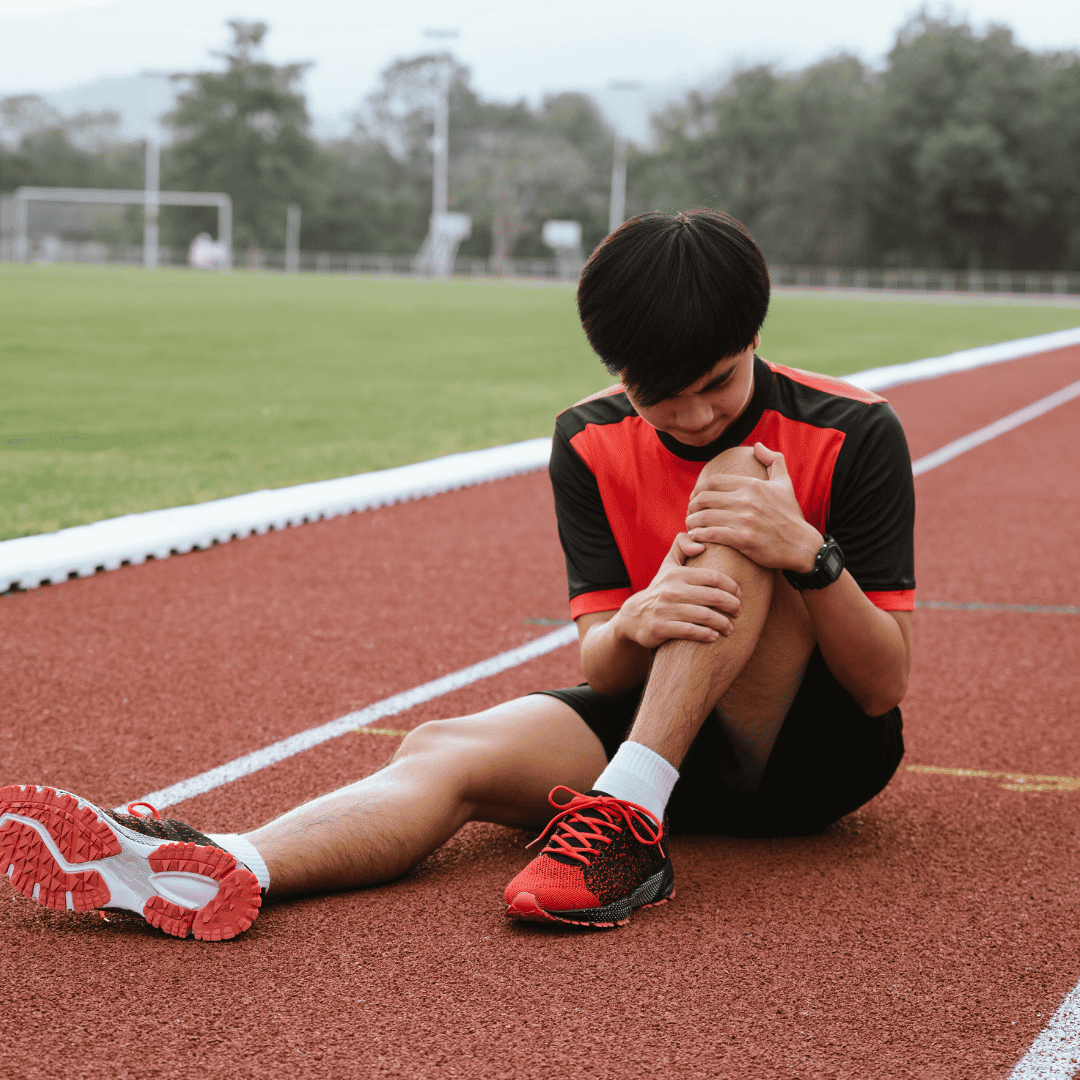
Snowboarders are similarly at risk, especially when landing heavily from aerial maneuvers or navigating hard, icy terrain. The immediate aftermath typically involves an audible pop, rapid swelling, and a distinct feeling of structural instability. Without prompt and accurate surgical intervention, patients generally face long-term cartilage degradation and early-onset osteoarthritis. Understanding these specific injury dynamics allows foreign orthopedic teams to meticulously plan the most resilient graft reconstruction methods.
- Backward twisting falls causing intense rotational torque.
- Hard landings from jumps leading to hyperextension of the knee joint.
- Collisions on the slope resulting in direct blunt trauma to the side of the leg.
- Boot-induced biomechanical stress preventing natural leg flexion during high-speed stops.
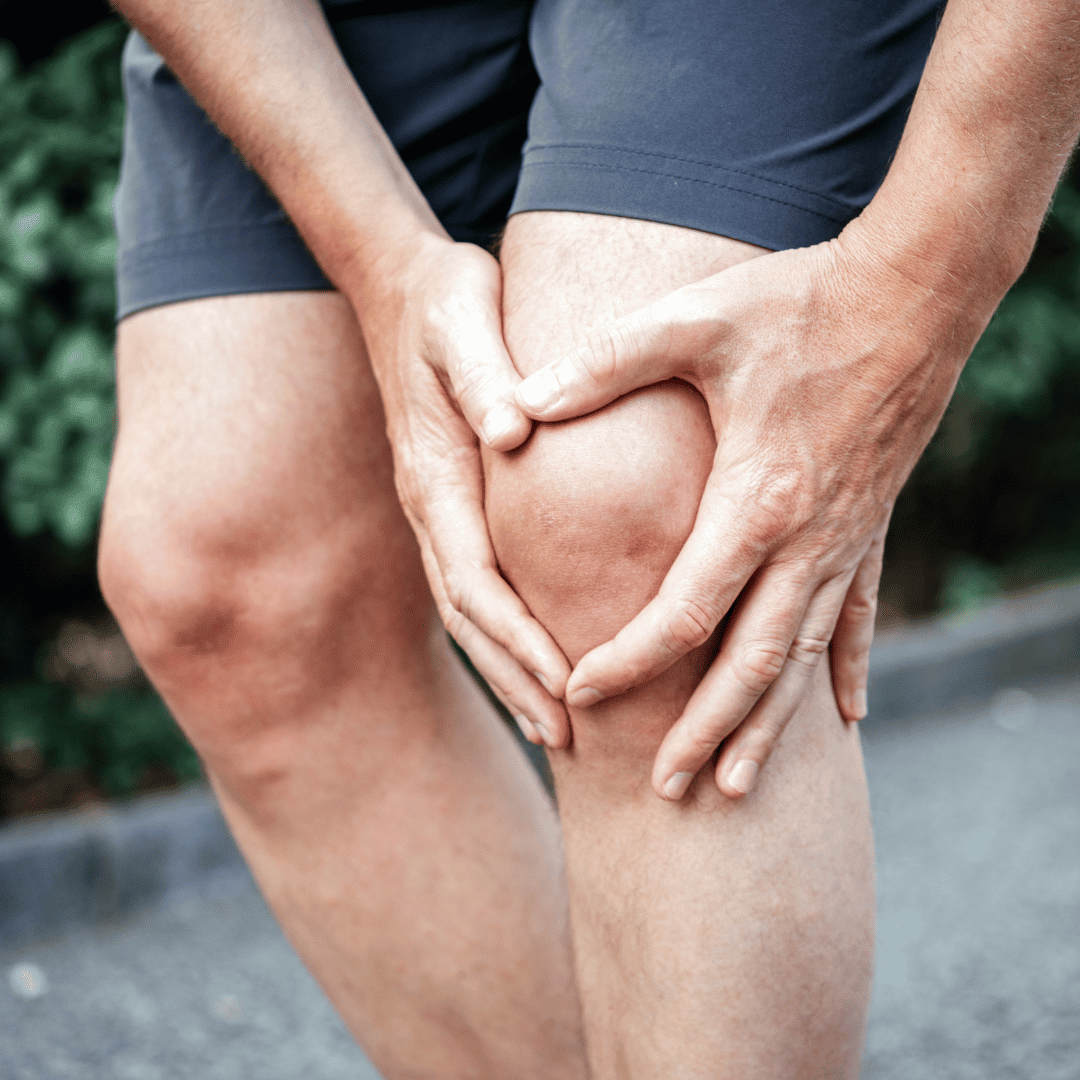
The anterior cruciate ligament is a crucial primary stabilizer of the knee, preventing the shin bone from sliding out in front of the thigh bone.
Benefits of Medical Tourism in Cancun Mexico for Knee Surgery
Navigating the complex landscape of private healthcare in North America often leads to overwhelming administrative hurdles and denied insurance claims. Seeking an orthopedic procedure in Mexico provides a highly streamlined, patient-centric alternative devoid of bureaucratic delays. Private medical tourism hospitals proactively design their services around the unique logistical needs of cross-border travelers. This optimized approach minimizes anxiety and allows athletes to mentally focus entirely on their impending physical rehabilitation.
Furthermore, the high standard of personalized care extends far beyond the sterile walls of the operating room. International patients consistently benefit from robust patient-to-nurse ratios, ensuring meticulous postoperative monitoring and pain management. The seamless integration of airport transfers, bilingual medical coordinators, and priority scheduling enhances the overall clinical experience. These structured benefits transform a daunting medical necessity into a highly organized and manageable healing journey.
| Benefit Category | Advantage for International Patients |
|---|---|
| Scheduling | Flexible operating dates with no multi-month local waitlists. |
| Communication | Fluent English-speaking medical teams and dedicated case managers. |
| Post-Op Care | Extended inpatient monitoring compared to outpatient models abroad. |
Patients traveling globally for orthopedic care frequently save between 40% and 70% on their total medical expenditures compared to domestic, uninsured out-of-pocket costs.
Affordable ACL Reconstruction Cost in Cancun Mexico Compared
Financial constraints remain a primary driving factor for winter athletes who require high-level knee surgery cost in Cancun options. Domestic healthcare systems routinely burden uninsured or underinsured patients with exorbitant fees covering facility use, anesthesia, and surgeon labor. In contrast, Mexican medical facilities offer transparent, bundled pricing structures that effectively eliminate unexpected post-surgical billing surprises. This straightforward financial model empowers patients to confidently budget their travel and necessary recovery time.
While the overall expenditures are significantly lower, this reduction in price does not indicate a compromise in medical quality. The cost variation stems entirely from lower localized administrative overhead, reduced medical malpractice insurance premiums, and favorable exchange rates. A comprehensive comparative analysis highlights the massive fiscal advantages of utilizing an international destination for structural joint repair. Below is a detailed breakdown representing realistic market ranges for these procedures.
| Procedure Name | Average Cost in Cancun Mexico (USD) | Average Cost in US/Canada (USD) |
|---|---|---|
| Standard ACL Reconstruction (Autograft) | $4,500 - $6,500 | $20,000 - $40,000 |
| Complex ACL + Meniscus Repair | $5,500 - $8,000 | $25,000 - $45,000 |
| Revision ACL Surgery | $6,000 - $9,000 | $30,000 - $55,000 |
| Pre-Operative MRI & Diagnostics | $250 - $450 | $1,000 - $3,000 |
Always ask your prospective facility for a fully itemized quote that clearly defines what is included, such as operating room fees, anesthesia, hospital stays, and initial post-op medications.
Surgical Techniques for ACL Repair Available in Cancun
Contemporary orthopedic specialists in Mexico utilize the same state-of-the-art surgical methodologies approved by leading global sports medicine organizations. Because a torn ligament cannot simply be sewn back together, it must be entirely reconstructed using a biological tissue graft. Minimally invasive arthroscopic techniques are universally employed to reduce muscular trauma and greatly accelerate the soft tissue healing timeline. The choice of surgical graft depends heavily on the athlete's age, specific sport demands, and anatomical considerations.
Surgeons generally evaluate multiple graft sourcing options through detailed preoperative consultations and advanced MRI diagnostics. Autografts utilize the patient's own tissue, while allografts rely on sterilized donor tissue sourced from certified medical tissue banks. Advanced fixation devices, such as bio-absorbable screws, are routinely used to securely anchor the new ligament into the bone tunnels. Achieving optimal joint kinematics requires exacting precision that board-certified Mexican orthopedic teams continually practice.
- Bone-Patellar Tendon-Bone Autograft: Often considered the gold standard for high-impact athletes requiring maximum initial mechanical strength.
- Hamstring Tendon Autograft: Offers a smaller surgical incision and generally results in less anterior knee pain during kneeling.
- Quadriceps Tendon Autograft: Increasingly popular for revision surgeries or primary reconstructions in larger patients requiring robust tissue.
- Allograft Tissue: Typically recommended for older individuals or those wishing to avoid the pain of a secondary donor harvest site.
The Patient Experience From Snowy Slopes to Sandy Beaches
The stark physical transition from an icy injury site to a tropical recovery zone profoundly impacts a patient's overall morale. Upon arriving for their scheduled ACL reconstruction clinics in Cancun, patients are immediately greeted by dedicated, compassionate medical coordinators. This guided transition minimizes the acute anxiety frequently associated with navigating a foreign healthcare infrastructure while managing limited personal mobility. The atmosphere heavily contrasts the sterile, hurried nature often found in overwhelmed domestic urban medical centers.
Following the successful surgical procedure, the early days of recovery are spent in specially designed hospital suites prioritizing comfort. As mobility gently increases, patients transition to accessible hotel accommodations offering therapeutic views and relaxing coastal breezes. The serene ocean environment provides a calming backdrop that dramatically helps mitigate the psychological frustration of being temporarily sidelined. Most patients experience a profound sense of rejuvenation, transforming a clinical ordeal into a dedicated healing retreat.
- Initial Arrival: VIP airport pickup utilizing specialized vehicles to comfortably accommodate restricted leg mobility.
- Clinical Assessment: Comprehensive preoperative meetings involving the orthopedic surgeon, anesthesiologist, and internal medicine specialist.
- Surgical Day: Admission to a private, modern patient suite followed by the arthroscopic reconstruction procedure.
- Rehabilitative Rest: Moving to an accessible, partner-approved hotel nearby to undergo the first critical days of supervised rest.
Exposure to natural sunlight and warm coastal climates can naturally boost Vitamin D levels, which is a vital component for healthy bone remodeling post-surgery.
Preparing for Orthopedic Surgery Abroad in Mexico
Meticulous planning is absolutely crucial when pursuing complex sports medicine procedures in Mexico as an international medical traveler. Pre-habilitation, involving specific exercises to strengthen the quadriceps and reduce swelling before surgery, is highly advocated by orthopedic experts. Patients must digitally compile all high-resolution MRI scans, original radiology reports, and detailed physician notes for their international surgical team. Organizing these clinical fundamentals ensures the overseas facility has a complete, unfragmented view of the patient's exact anatomical condition.
Logistical preparation is equally important to guarantee a seamless postoperative phase away from one's permanent residence. Athletes must carefully pack loose, easily adjustable clothing, as the affected leg will be heavily bandaged and immobilized in a rigid brace. Arranging specialized travel insurance that specifically covers elective international medical interventions is an essential preparatory step. A well-organized departure ultimately lays the foundational groundwork for a medically secure and emotionally stress-free surgical experience.
- Secure pre-operative medical clearances including EKG and basic blood panels.
- Pack necessary assistive devices such as high-quality crutches or an adjustable knee brace if advised.
- Notify your local bank of your travel dates to prevent unexpected blocks on credit cards used for medical payments.
- Download communication applications like WhatsApp to easily remain in contact with your dedicated medical coordinator.
Request aisle seating with extra legroom for your return flight home, and always request wheelchair assistance at all airport terminals to strictly avoid unnecessary joint stress.
Comprehensive Rehabilitation and Physical Therapy Protocols
The absolute success of any ligament replacement heavily relies upon the strict adherence to an intensive, phased rehabilitation program. The arthroscopic intervention merely installs the biological hardware; the demanding physical therapy rebuilds the necessary muscular support system. Reputable medical tourism in Cancun Mexico packages frequently integrate the first critical sessions of localized physical therapy prior to the patient's departure. This immediate professional guidance sets the correct biomechanical habits and helps safely overcome initial mental apprehension regarding movement.
Upon returning home, the international athlete must immediately transition their care to a dedicated local physical therapist. The surgical team abroad will provide explicit, week-by-week protocol instructions that dictate exactly when weight-bearing and flexion goals should occur. Consistency during these repetitive daily exercises prevents restrictive scar tissue formation and combats inevitable muscular atrophy. Patients generally experience a demanding, multi-stage physical journey that requires exceptional personal discipline and sustained clinical oversight.
- Phase 1 (Weeks 1-2): Focuses entirely on drastically reducing joint swelling and achieving full knee extension.
- Phase 2 (Weeks 3-6): Gradual progression of weight-bearing activities and increasing the safe degree of knee flexion.
- Phase 3 (Weeks 7-12): Introduction of mild strengthening exercises focusing on the quadriceps and hamstring muscle groups.
- Phase 4 (Months 3-6): Proprioceptive training and early introduction of light, linear jogging on flat surfaces.
Navigating Risks and Ensuring Safety in Orthopedic Travel
No surgical intervention is completely devoid of risk, and international medical travel introduces additional variables that require careful mitigation. All joint surgeries inherently carry the possibility of site infection, nerve irritation, or biological rejection of the implemented graft. Furthermore, the combination of major orthopedic surgery and subsequent air travel significantly elevates the clinical risk of developing Deep Vein Thrombosis (DVT). Acknowledging these potential complications is mandatory for any patient evaluating orthopedic specialists in Mexico for their healthcare needs.
To safely navigate these hazards, elite medical facilities enforce strict contraindications and rigorous screening processes prior to admission. Surgeons actively prescribe necessary prophylactic blood thinners and mandate the use of medical-grade compression stockings during any required flights. Patients with a history of severe cardiovascular issues, uncontrolled diabetes, or active localized infections are generally disqualified from elective travel. Transparency between the patient and the foreign medical team regarding comprehensive medical history is absolutely non-negotiable for patient safety.
Never conceal underlying health conditions, daily medications, or nicotine use from your prospective international surgical team. Total clinical transparency is critically essential to prevent life-threatening intraoperative and postoperative complications.
Smoking significantly impairs micro-circulation, heavily delaying bone and soft tissue healing. Most surgeons strictly require patients to cease all nicotine intake several weeks prior to surgery.
Essential Timeline for Returning to Winter Sports Activities
A frequent misconception among eager winter sports athletes is that they can quickly return to the slopes shortly after an operation. In reality, biological ligament incorporation within the bone tunnels requires significant time that cannot be synthetically accelerated. Even when utilizing the best ACL reconstruction clinics in Cancun, patients must strictly adhere to extended, biologically dictated healing timelines. Prematurely subjecting the new graft to high-impact rotational forces drastically increases the probability of catastrophic re-injury.
Most patients experience a comprehensive recovery journey that spans nearly an entire year before unrestricted athletic clearance is granted. Returning to high-risk activities like downhill skiing or aggressive snowboarding typically requires successfully passing stringent functional movement tests. Medical professionals assess symmetrical leg strength, psychological readiness, and dynamic joint stability before officially signing off on sports participation. Patience and unwavering dedication to the grueling rehabilitation schedule are the true cornerstones of a successful return to winter sports.
- Months 1-3: Focus on fundamental walking mechanics, minimizing persistent swelling, and achieving basic muscle activation.
- Months 4-6: Implementation of more dynamic movements, controlled cycling, and strictly linear impact activities.
- Months 7-9: Introduction of sport-specific agility drills, plyometrics, and carefully monitored rotational pivoting.
- Months 9-12+: Final clearance evaluations and a highly controlled, gradual return to full-speed winter sports.
Clinical studies indicate that delaying a return to high-impact pivoting sports until at least nine months post-surgery significantly reduces the rate of secondary ligament ruptures.
Testimonials of Athletes Reclaiming Their Mobility Abroad
Hearing directly from individuals who have successfully navigated this specific medical pathway provides invaluable psychological reassurance for prospective patients. The shared experiences highlight the logistical ease, clinical excellence, and profound personal relief achieved through organized international healthcare. These summaries reflect the typical, positive outcomes experienced by winter sports enthusiasts seeking advanced medical tourism in Cancun Mexico. Real-world insights continually help normalize the concept of crossing borders for complex joint reconstructions.
These diverse accounts emphasize that high-quality surgical intervention remains accessible for those willing to research their global options carefully. From initial apprehension to final physical triumph on the mountain, the overarching narrative is one of renewed athletic empowerment. These patients underscore the crucial importance of selecting verified facilities and thoroughly committing to postoperative physical therapy. Note that individual healing rates and final functional outcomes will naturally vary based on personal biological factors.
Mark T. - Snowboarder from Colorado
After tearing my knee in the backcountry, the US quotes were staggering without good insurance. My surgical team in Mexico was incredibly professional, and recovering near the ocean kept my spirits high. Ten months later, I am back to carving powder safely.
Sarah L. - Avid Skier from Canada
Facing a two-year waitlist at home was simply not an option for my active lifestyle. The bilingual medical staff in Cancun explained every single detail of my patellar autograft. The level of attentive inpatient nursing care was far superior to what I expected.
David R. - Ice Hockey Player from Chicago
I was highly skeptical about going abroad for a complex joint procedure initially. However, the modern facility and my surgeon’s impressive international credentials quickly put me at ease. The straightforward pricing allowed me to focus entirely on my rigorous physical therapy.
Elena M. - Downhill Skier from New York
The transition from the operating room to a comfortable recovery suite was flawlessly handled by the staff. My doctor provided extensive documentation that made starting PT back in New York incredibly smooth. I am incredibly grateful for regaining my joint stability.
Selecting High-Quality Orthopedic Specialists in Cancun
Identifying a highly competent surgical team is the absolute most critical step in coordinating any major orthopedic procedure in Mexico. Prospective international patients must vigorously verify the specific credentials and operative experience of their chosen primary surgeon. Looking for physicians with active memberships in recognized international orthopedic or sports medicine societies provides a strong baseline of trust. Furthermore, confirming the hospital's independent accreditation status ensures rigorous adherence to strict global safety protocols.
Transparent and responsive communication during the initial consultation phase serves as a vital indicator of future clinical quality. A reputable specialist will willingly discuss realistic outcomes, extensively detail potential risks, and explain their specific preferred graft techniques. They should also readily provide precise answers regarding infection control measures and postoperative monitoring routines. Diligent independent research empowers the athlete to confidently entrust their physical future to an exceptionally qualified medical professional.
- Are you heavily specialized in sports medicine and frequent ligament reconstructions?
- Where did you complete your advanced orthopedic fellowships and specific surgical training?
- What exact clinical accreditations does this specific hospital facility currently hold?
- What is your standardized protocol if an unexpected medical complication arises during my stay?
Many premier orthopedic surgeons in major Mexican tourist destinations have completed rigorous fellowships in the United States, Canada, or Europe, ensuring they are well-versed in globally accepted best practices.
How PlacidWay Assists Your ACL Reconstruction Medical Tourism Journey in Cancun Mexico
Attempting to independently coordinate cross-border healthcare can quickly become an overwhelming endeavor for individuals already dealing with acute physical trauma. Proper facilitation requires deep industry knowledge to successfully filter out substandard facilities and reliably identify truly elite providers. PlacidWay serves as a crucial navigational resource, connecting international patients with strictly vetted and globally recognized medical institutions. This dedicated guidance dramatically simplifies the initial research phase and bolsters patient confidence.
By leveraging an extensive network of specialized medical providers, patients can rapidly access the comprehensive information required to make informed choices. The platform systematically provides structured details regarding facility credentials, surgeon profiles, and comparative treatment capabilities. Empowering patients through transparent data allows them to focus intensely on their impending surgical rehabilitation rather than logistical stress. Ultimately, professional medical tourism facilitation helps ensure a safe, organized, and clinically successful experience abroad.
- Providing immediate access to profiles of board-certified orthopedic surgeons specialized in sports medicine.
- Supplying detailed, transparent cost estimates from multiple internationally accredited hospitals for easy comparison.
- Facilitating direct, secure communication channels between the patient and prospective foreign medical teams.
- Assisting with the secure transfer of critical preoperative medical records and diagnostic imaging.
- Offering comprehensive educational resources regarding the expected risks and realities of medical travel.
Frequently Asked Questions About Knee Procedures in Mexico
Planning an international medical journey naturally prompts several highly practical logistical and clinical questions. Gathering accurate information regarding travel safety, communication, and procedural specifics is essential for easing preliminary anxieties. The questions listed below represent the most common queries from athletes seeking complex affordable ACL surgery in Cancun. Reviewing these factual answers helps build a realistic framework for what to expect during your medical excursion.
Always remember that while general guidelines apply to most international procedures, your specific experience will be uniquely tailored. Direct consultation with your chosen medical provider remains the ultimate source for personalized, clinically accurate instructions. Comprehensive preparation based on these foundational answers heavily contributes to a smoother overall recovery process. Here are vital details to consider before embarking on your orthopedic journey.
Is it safe to fly after knee surgery in Mexico?
Flying shortly after joint procedures generally increases the risk of deep vein thrombosis (DVT). Most orthopedic specialists recommend waiting at least seven to ten days before taking a flight, accompanied by appropriate blood-thinning protocols. Always secure direct medical clearance from your operating surgeon before traveling.
Do orthopedic surgeons in Cancun speak English?
Yes, physicians who cater to international patients are typically fully bilingual and have often completed fellowships in the United States or Europe. Hospitals specializing in medical tourism also provide dedicated English-speaking patient coordinators to ensure clear medical communication.
What type of anesthesia is typically used for this procedure?
The procedure is generally performed using regional anesthesia, such as a spinal block, combined with a mild sedative to keep the patient relaxed. However, general anesthesia may be utilized depending on the specific surgical complexity and the anesthesiologist's preoperative evaluation.
Do I need a special medical visa for treatment in Mexico?
Citizens of the United States, Canada, and many European nations typically do not require a specialized medical visa for short-term healthcare visits to Mexico. A standard tourist visa or entry permit is generally sufficient for the duration of your surgical stay and initial recovery.
How long should I plan to stay in Cancun post-surgery?
Most patients experience the best outcomes when they plan an itinerary of 10 to 14 days in the destination. This timeframe allows for proper postoperative monitoring, the first critical physical therapy sessions, and the removal of surgical sutures before flying home.
Are international orthopedic facilities adequately accredited?
High-quality facilities catering to international travelers frequently hold accreditations from respected bodies like the Joint Commission International (JCI) or the Mexican General Health Council (CSG). These credentials indicate strict adherence to international safety, hygiene, and clinical care standards.
Can I bring a travel companion to the hospital?
Yes, it is highly recommended to travel with a support person who can assist with daily mobility tasks during early recovery. Most internationally focused hospitals easily accommodate one companion in private patient recovery suites.
What happens if I need follow-up care back home?
Your surgical team will normally provide you with detailed, translated medical reports, operative notes, and physical therapy prescriptions upon discharge. You can present these comprehensive documents to your local primary care provider or physical therapist to continue your rehabilitation seamlessly.
Can I swim in the ocean or pool after my procedure?
Submerging your surgical incisions in oceans, pools, or hot tubs is strictly prohibited during the initial healing phase to prevent severe infections. Patients must wait until their incisions are completely closed, fully healed, and explicitly cleared by their medical provider.
How quickly can I start physical therapy?
Rehabilitation protocols typically mandate starting gentle physical therapy within 24 to 48 hours following the operation. Early mobilization is vital for restoring range of motion, preventing scar tissue accumulation, and maintaining muscle tone.
References
- Wikipedia. Anterior cruciate ligament reconstruction. https://en.wikipedia.org/wiki/Anterior_cruciate_ligament_reconstruction
- American Academy of Orthopaedic Surgeons (AAOS). Anterior Cruciate Ligament (ACL) Injuries. https://orthoinfo.aaos.org/en/diseases--conditions/anterior-cruciate-ligament-acl-injuries/
- Mayo Clinic. ACL reconstruction. https://www.mayoclinic.org/tests-procedures/acl-reconstruction/about/pac-20384598
- Cleveland Clinic. ACL Reconstruction Surgery. https://my.clevelandclinic.org/health/diseases/16576-acl-tear
- National Institutes of Health (PubMed). Return to sport after ACL reconstruction. https://pmc.ncbi.nlm.nih.gov/articles/PMC12446172/





.png)










Share this listing