

Regain Your Stride: Expert ACL, PCL, & MCL Surgery Options Abroad
Has a sudden twist, a sports injury, or an unexpected accident left your knee feeling unstable, painful, or unable to bear weight? Injuries to the Anterior Cruciate Ligament (ACL), Posterior Cruciate Ligament (PCL), or Medial Collateral Ligament (MCL) are common, especially among active individuals, and can significantly impact your daily life. These crucial ligaments work together to provide stability to your knee joint, and a tear can feel like a devastating blow, halting your activities and causing persistent discomfort.
While an ACL, PCL, or MCL tear can be a daunting diagnosis, modern orthopedic surgery offers effective solutions to repair and reconstruct these ligaments, helping you regain strength, stability, and your active lifestyle. For many, exploring treatment options beyond local borders has become a compelling choice. Medical tourism offers a pathway to world-class care, advanced surgical techniques, and often significant cost savings, making it an attractive option for those seeking high-quality knee ligament repair.
This guide will walk you through everything you need to know about ACL, PCL, and MCL injuries and their treatment. We’ll delve into common symptoms, causes, various surgical approaches, what to expect during recovery, and crucially, how medical tourism can open doors to excellent, affordable care in leading international destinations. Your journey to a stronger, more stable knee begins here.
What are the common symptoms of ACL, PCL, or MCL injuries?
Recognizing the symptoms of a knee ligament injury is the first step toward proper diagnosis and treatment. While some symptoms overlap, each ligament injury can have tell-tale signs:
- ACL Tear Symptoms: This is one of the most common sports injuries. Patients often report hearing or feeling a "pop" in the knee at the time of injury, followed by severe pain and rapid swelling. The knee may feel unstable, like it's "giving out," especially during twisting or pivoting movements. Difficulty putting weight on the leg and a reduced range of motion are also typical.
- PCL Tear Symptoms: PCL injuries are less common than ACL tears. They often result from a direct blow to the front of the knee, such as hitting the dashboard in a car accident or falling on a bent knee. Symptoms include mild to moderate pain in the back of the knee, swelling, and a feeling of instability, particularly when walking downhill or trying to stop quickly.
- MCL Tear Symptoms: The MCL is typically injured by a direct blow to the outside of the knee, forcing the knee inward (valgus stress). Symptoms include pain and tenderness along the inner side of the knee, swelling, and sometimes a feeling of instability, particularly when the knee is bent. Unlike ACL tears, a "pop" is less common.
Regardless of which ligament you suspect is injured, persistent knee pain, swelling, or instability warrants immediate medical attention. Early diagnosis can prevent further damage and improve your long-term outcome.
What causes ACL, PCL, and MCL tears, and who is at risk?
Understanding the common mechanisms of injury can help in prevention and identification:
- ACL Tears: The ACL is often injured during non-contact sports activities. Common causes include:
- Sudden stops and changes in direction (pivoting).
- Landing awkwardly from a jump.
- Hyperextension of the knee.
- Direct contact, such as a tackle in football.
- PCL Tears: PCL injuries usually result from a powerful, direct force to the front of the shin bone while the knee is bent. Common scenarios include:
- Dashboard injuries in car accidents.
- Falling directly onto a bent knee.
- Hyperextension of the knee during sports.
- MCL Tears: The MCL is primarily injured by forces that push the knee sideways from the outside, creating stress on the inner side of the knee. This is known as a valgus stress. Common causes include:
- Direct blow to the outside of the knee.
- Twisting the knee during a fall.
- Skiing accidents where the ski boot applies outward force.
While athletes are a prominent risk group, anyone can sustain these injuries through accidents, falls, or everyday activities involving sudden movements.
What types of surgical procedures are available for knee ligament repair?
The type of surgery depends on the specific ligament injured, the severity of the tear, and the patient's activity level. Most knee ligament surgeries are performed arthroscopically, using small incisions and a camera, which typically means less pain and a faster recovery than open surgery.
- ACL Reconstruction: The most common surgery for a completely torn ACL. The torn ligament is removed and replaced with a new tissue graft. Grafts can come from:
- Autograft: Tissue taken from your own body (e.g., patellar tendon, hamstring tendon, or quadriceps tendon). This is often preferred for athletes as it integrates well.
- Allograft: Tissue taken from a deceased donor. This avoids an additional surgical site on the patient but carries a slightly higher risk of graft failure in some populations.
- PCL Reconstruction: Similar to ACL reconstruction, a PCL tear usually requires reconstruction using an autograft or allograft. Due to the PCL's anatomical position, this surgery can be more technically demanding.
- MCL Repair/Reconstruction: Unlike ACL and PCL tears, MCL injuries often heal without surgery, especially Grade I and II tears. Rest, ice, bracing, and physical therapy are usually sufficient. However, surgery may be necessary for:
- Severe (Grade III) tears: Especially if combined with other knee ligament injuries (like an ACL tear) or if the MCL is torn away from the bone.
- Direct Repair: The torn ends of the ligament are stitched back together.
- Reconstruction: If the ligament is too damaged for direct repair, a graft (often from another tendon in the body) may be used to reconstruct the MCL.
Your orthopedic surgeon will discuss the best surgical approach based on your unique circumstances.
Who is typically eligible for ACL, PCL, or MCL surgery?
While surgery is a common and effective treatment, it's not always the immediate answer for every knee ligament injury. Your orthopedic surgeon will consider several factors:
- Severity of the Tear: Complete tears (Grade III) of the ACL or PCL almost always require surgery for active individuals to restore stability. Severe MCL tears, especially those involving other ligaments, may also warrant surgery.
- Activity Level and Goals: Active individuals, athletes, or those with physically demanding jobs who want to return to high-impact activities are strong candidates for surgery. For less active individuals or those willing to modify their lifestyle, non-surgical management might be sufficient for some tears (especially PCL or isolated MCL).
- Age and Overall Health: While age isn't a strict barrier, younger, healthier patients generally have better outcomes and are more likely to undergo surgery. Underlying health conditions can influence surgical eligibility and recovery.
- Knee Instability: If your knee frequently "gives out" during daily activities, surgery is often recommended to prevent further damage to other knee structures like cartilage and menisci.
- Combined Injuries: If multiple ligaments (e.g., ACL and MCL, or ACL and meniscus) are torn, surgery is almost always recommended to stabilize the entire joint.
A thorough examination, imaging (MRI), and discussion of your lifestyle goals will help your surgeon determine the most appropriate treatment plan for you.
What is the typical recovery time and what can I expect after knee ligament surgery?
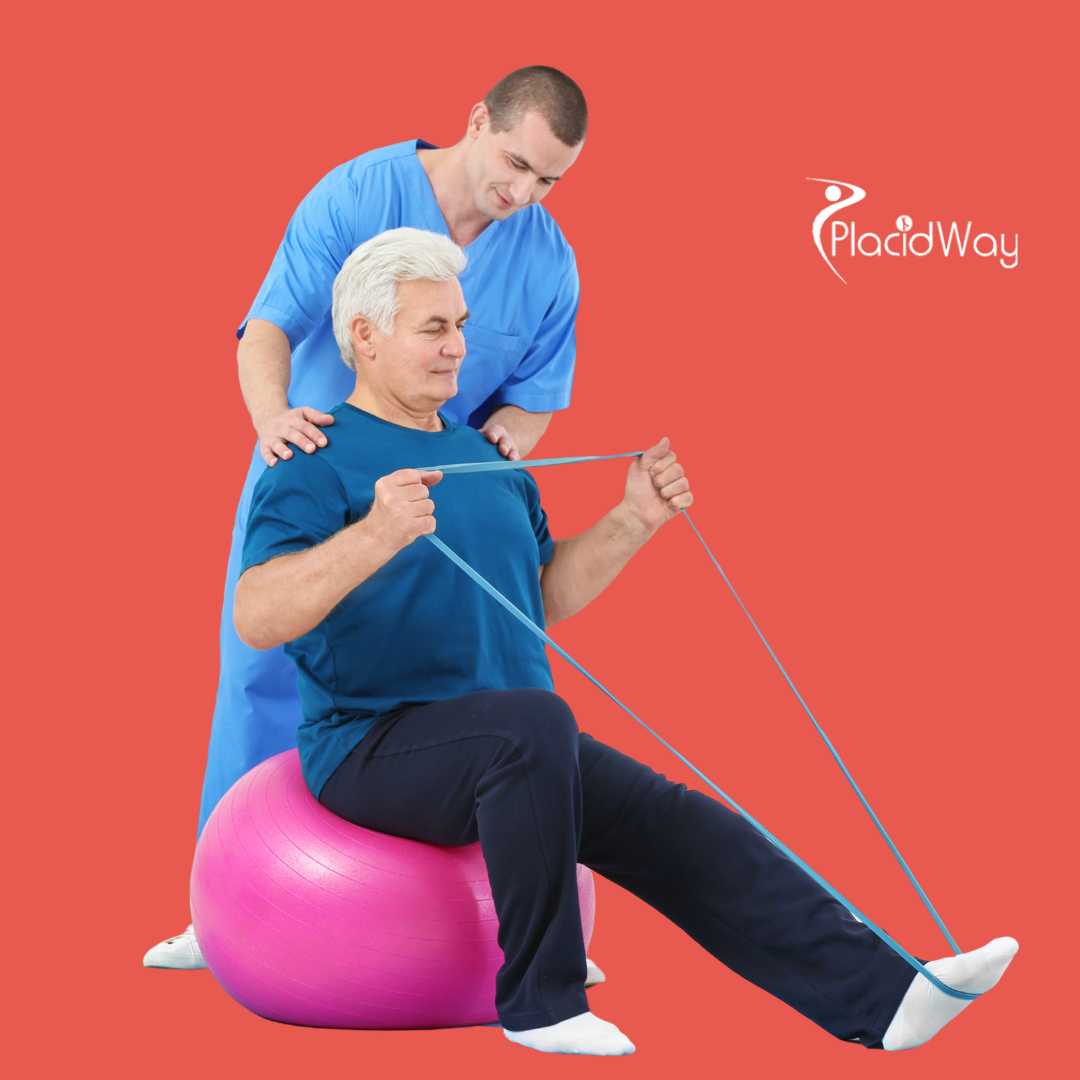
Recovery is a marathon, not a sprint. It requires dedication to physical therapy and patience. While general timelines exist, individual recovery varies based on the type of surgery, patient's age, overall health, and commitment to rehabilitation.
General Recovery Phases:
- Initial Post-Op (Weeks 1-2): Focus on pain management, reducing swelling, protecting the graft/repair (often with a brace), and regaining initial range of motion (often 0 to 90 degrees). Crutches are typically used for weight-bearing.
- Early Rehabilitation (Weeks 3-6): Gradual increase in weight-bearing, strengthening exercises for quadriceps and hamstrings, and working towards full extension. Emphasis on reducing stiffness.
- Intermediate Phase (Months 2-4): More aggressive strengthening, balance training, and proprioception exercises. Light cardiovascular activities like cycling may begin.
- Advanced Strengthening (Months 4-6): Introduction of more sport-specific drills, agility training, and plyometrics. The goal is to build strength and confidence for higher-impact activities.
- Return to Sport/Activity (Months 6-12+): This phase involves highly specialized training to prepare the knee for the demands of the patient's specific sport or activity. A final return to sport clearance is given by the surgeon and physical therapist after functional testing.
Think of your recovery like rebuilding a house after a storm: you start with a strong foundation, gradually add structural components, and finally focus on the finishing touches to make it fully functional and resilient. Consistent, proper physical therapy is the cornerstone of successful rehabilitation and is vital to achieving a full recovery and preventing re-injury.
What are the potential risks and side effects of knee ligament surgery?
Like any surgical procedure, ACL, PCL, and MCL surgery comes with potential risks. Your surgeon will discuss these thoroughly with you, but here are some common ones:
- Infection: Though rare, any surgical incision can become infected.
- Blood Clots: Deep vein thrombosis (DVT) can occur in the leg veins.
- Stiffness (Arthrofibrosis): Scar tissue can form, limiting knee motion. Intensive physical therapy helps prevent this.
- Numbness: Temporary or permanent numbness around the incision site, often due to nerve irritation or damage.
- Graft Failure or Re-Tear: The new ligament might fail or tear again, especially if rehabilitation is not followed correctly or a new injury occurs.
- Persistent Pain: Some patients may experience chronic pain, swelling, or discomfort.
- Hardware Problems: Screws or staples used to secure the graft can sometimes cause irritation and may need removal later.
- Donor Site Pain (for autografts): If your own tissue is used, you might experience pain or weakness at the site where the graft was harvested.
- Anesthesia Risks: Standard risks associated with general anesthesia.
The vast majority of patients experience successful outcomes without significant complications. Choosing an experienced surgeon and diligently following post-operative instructions significantly minimizes these risks.
How much does ACL, PCL, or MCL surgery cost worldwide?
One of the primary drivers for medical tourism is the dramatic difference in healthcare costs. Here's a comparative look at approximate price ranges for ACL, PCL, or MCL reconstruction (often bundled, but ACL is generally the most common and representative):
| Country | Estimated Cost Range (USD) | Notes |
|---|---|---|
| United States | $15,000 - $50,000+ | Highly variable by state, hospital, and insurance. Includes facility, surgeon, anesthesia. |
| United Kingdom | $10,000 - $20,000+ | Private healthcare costs. NHS waiting lists can be long. |
| Germany | $10,000 - $18,000 | Known for high quality and advanced techniques. |
| India | $3,000 - $8,000 | Leading medical tourism destination with JCI-accredited hospitals. |
| Turkey | $4,000 - $9,000 | Modern facilities, experienced surgeons, strategic location. |
| Mexico | $5,000 - $10,000 | Popular for US patients due to proximity and quality. |
| Thailand | $5,000 - $12,000 | Combines excellent medical care with appealing recovery destinations. |
*These are estimated ranges and can vary based on the specific procedure (e.g., single vs. multi-ligament), graft type, hospital, surgeon's fees, pre/post-operative care, and length of stay. Always get a detailed quote.
Why should I consider traveling abroad for ACL, PCL, or MCL treatment?
The decision to travel for medical care is significant, but for knee ligament surgery, the benefits can be substantial:
- Cost Savings: This is often the primary motivator. The same high-quality surgery can be performed for a fraction of the cost found in Western countries, especially the US.
- Access to Specialist Care: Many international hospitals boast world-renowned orthopedic surgeons who specialize in sports medicine and complex knee reconstructions.
- Reduced Wait Times: In countries with national healthcare systems, long waiting lists for elective surgeries can delay treatment and potentially worsen the injury. Traveling abroad can offer immediate access.
- State-of-the-Art Facilities: Many medical tourism destinations have invested heavily in modern hospitals equipped with the latest technology and equipment, often surpassing local options.
- Privacy and Recovery Environment: For some, undergoing a procedure away from home offers a sense of privacy and the chance to recover in a more relaxing, often resort-like, setting.
- Comprehensive Packages: Many clinics and facilitators offer all-inclusive packages covering surgery, hospital stay, local transport, and sometimes even accommodation, simplifying the process.
For patients seeking high-quality, affordable care without lengthy delays, medical tourism provides a viable and attractive alternative.
Which countries offer the best value and quality for knee ligament surgery?
When choosing a destination for knee ligament surgery, it's crucial to balance cost-effectiveness with medical excellence. Several countries have emerged as leaders in orthopedic medical tourism:
- India: Renowned for its large number of JCI-accredited hospitals, highly skilled surgeons, and extremely competitive pricing. English is widely spoken in medical settings.
- Turkey: Offers state-of-the-art hospitals, particularly in Istanbul, with a strong focus on medical tourism. Excellent quality at a fraction of European or US costs, with convenient access from Europe and the Middle East.
- Mexico: A popular choice for North American patients due to its proximity. Many clinics near the US border or in major cities like Cancun and Mexico City provide high-quality care from US-trained surgeons.
- Thailand: Known for its luxurious private hospitals, world-class service, and combining medical treatment with a relaxing recovery vacation. Highly experienced orthopedic teams are common.
- South Korea: A rising star in medical tourism, especially for complex procedures. Offers cutting-edge technology, highly specialized surgeons, and impressive success rates, though sometimes at a slightly higher price point than other Asian destinations.
These countries have robust medical tourism infrastructures, making the entire process, from consultation to recovery, relatively smooth for international patients.
What should I expect when planning my medical trip for knee ligament repair?
Organizing a medical trip for knee ligament surgery requires careful planning. Here's a step-by-step guide:
- Research and Choose a Provider:
- Medical Tourism Facilitator: Companies like PlacidWay specialize in connecting patients with accredited hospitals and experienced surgeons worldwide. They can provide quotes, manage logistics, and offer guidance.
- Direct Research: Look for JCI (Joint Commission International) or other internationally recognized accreditations. Read patient reviews, check surgeon credentials, and compare clinic offerings.
- Initial Consultation and Medical Review:
- You'll typically submit your medical records (MRI scans, X-rays, doctor's reports) for a remote consultation.
- The chosen surgeon will review your case and provide a preliminary treatment plan and cost estimate.
- Logistics and Travel Planning:
- Flights and Accommodation: Book your travel. Many clinics offer assistance or have partnerships for patient accommodation.
- Visa: Check if you need a medical visa for your chosen destination. Facilitators can often help.
- Insurance: Understand what your current health insurance covers (if anything) for international procedures. Consider medical travel insurance.
- Companion: Decide if you need a travel companion, especially for post-operative support.
- Pre-Operative Care:
- You'll have in-person consultations, physical exams, and possibly further diagnostic tests upon arrival at the clinic.
- Prepare for surgery by asking all your questions and understanding the procedure thoroughly.
- The Procedure and Hospital Stay:
- Undergo the surgery and spend the necessary time recovering in the hospital (typically 1-3 days).
- Post-Operative Recovery and Rehabilitation:
- You'll begin initial physical therapy exercises while still abroad.
- Plan for a comfortable recovery period in your destination (often 1-2 weeks after discharge) before flying home.
- Arrange for follow-up physical therapy at home upon your return. This is crucial for long-term success.
- Communication: Ensure clear communication channels with your international medical team for post-operative questions and concerns.
With careful preparation and the right support, your medical trip for knee ligament repair can be a smooth and successful experience, paving the way for a full return to your active life.
Take the Next Step with PlacidWay
Ready to explore treatment options abroad? Discover top clinics, compare prices, and get a free quote tailored to your needs with PlacidWay.
Orthopedic Surgery Abroad, Knee Sugery Abroad







.png)









Share this listing