


Patient Testimonial After Successful Bilateral Total Knee Replacement Surgery: A Complete Guide
Living with chronic joint pain can rob you of life's simplest joys and severely limit your mobility. If you are struggling to walk, climb stairs, or sleep peacefully due to severe osteoarthritis, this patient testimonial after successful bilateral total knee replacement surgery offers a powerful beacon of hope.
Watch as we explore a real-life journey from debilitating immobility to complete physical freedom. Discover why choosing advanced bilateral knee arthroplasty can restore your active lifestyle, eliminate chronic pain, and give you back your independence.
Video Chapters & Quick Navigation
Choosing to undergo orthopedic surgery is a monumental life decision that requires careful consideration and thorough research. When conservative treatments like physical therapy, cortisone injections, and pain management medications fail to provide relief, surgical intervention becomes the most viable path forward.
As highlighted at in the video, bilateral total knee replacement surgery is an intensive but highly rewarding procedure designed to completely restore joint function. It eliminates the excruciating bone-on-bone friction that plagues patients suffering from end-stage osteoarthritis.
Understanding Bilateral Total Knee Replacement Surgery
Bilateral total knee arthroplasty involves replacing the damaged cartilage and bone of both knee joints during a single, comprehensive surgical session. This approach is specifically tailored for patients who have severe deterioration in both legs simultaneously.
By addressing both joints at once, patients undergo only one anesthesia session and a single, unified hospital stay. While the initial recovery phase can be physically demanding, it condenses the overall rehabilitation timeline, allowing patients to return to their normal lives much faster than staggering two separate surgeries.
The Biomechanics of Severe Osteoarthritis
To fully grasp the magnitude of this surgery, it is crucial to understand the biomechanics of knee osteoarthritis. Over decades of use, the smooth, protective articular cartilage that cushions the ends of the femur and tibia gradually wears away.
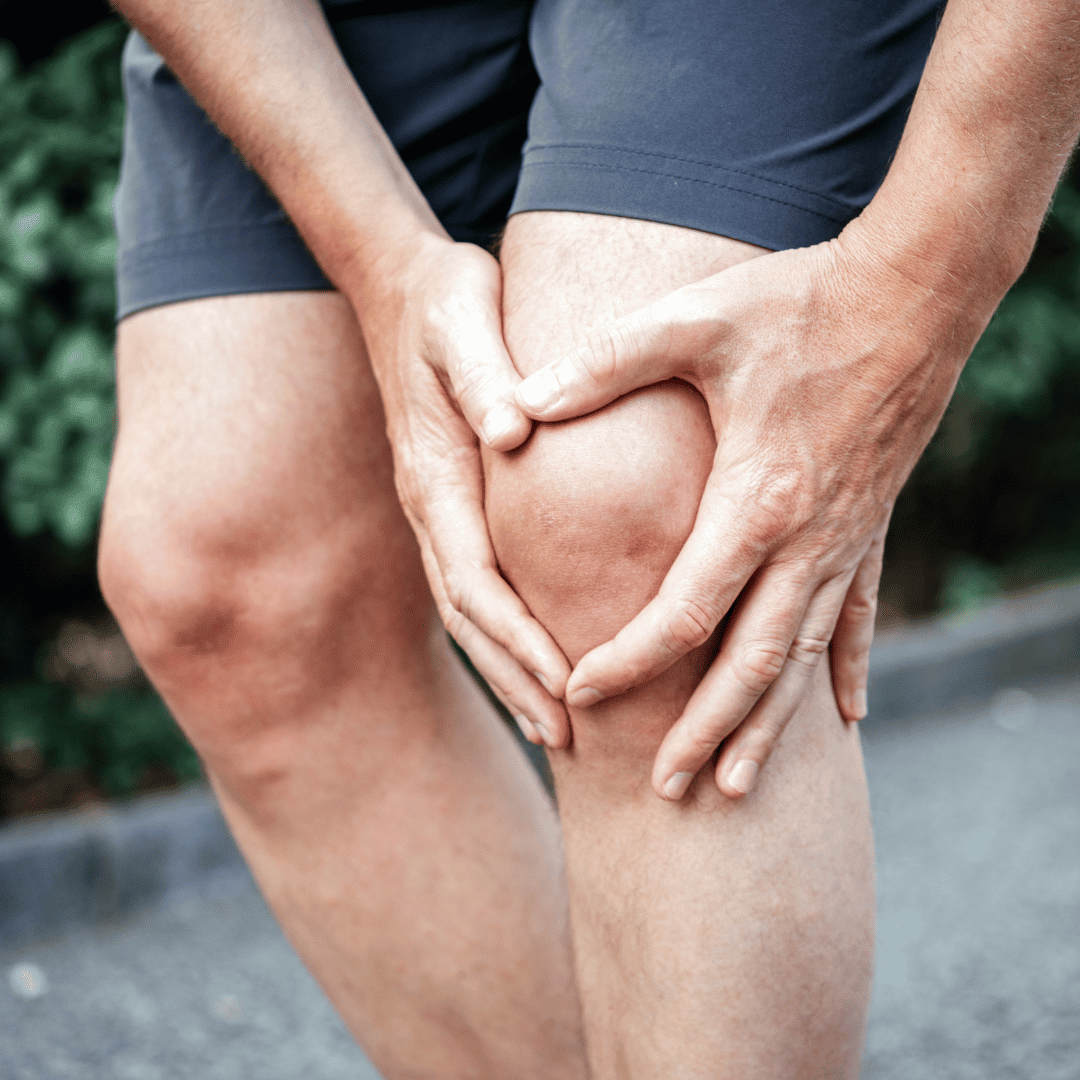
When this natural shock absorber diminishes completely, the resulting bone-on-bone contact causes severe inflammation, bone spurs, and debilitating stiffness. Patients often experience acute, stabbing pain with every single step, making walking even short distances an agonizing ordeal.
Critical Signs You Need a Double Knee Replacement
Orthopedic specialists generally recommend bilateral knee replacement surgery when the quality of life has significantly deteriorated. Common indicators include chronic knee pain that persists even while resting or trying to sleep.
- Severe joint stiffness: An inability to bend or straighten the knee fully, severely impacting daily functions like sitting down or climbing stairs.
- Visible knee deformity: Noticeable bowing in or out of the legs due to uneven cartilage wear and bone deterioration.
- Failure of alternative therapies: A distinct lack of improvement following physical therapy, hyaluronic acid injections, or anti-inflammatory regimens.
The Patient's Journey: Overcoming Severe Joint Pain
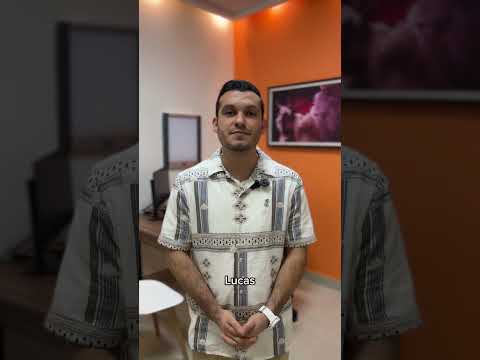
The emotional toll of living with chronic joint pain is often just as devastating as the physical limitations. As described by the patient at , the steady decline in mobility often forces individuals to withdraw from social activities, hobbies, and family gatherings.
The fear of falling, coupled with the sheer exhaustion of managing daily pain, can lead to severe isolation and depression. Making the brave decision to undergo bilateral joint replacement surgery is the pivotal first step in reclaiming one's life.
The Tipping Point for Surgical Intervention
For many patients, the tipping point occurs when conservative management techniques completely fail. When pain medications no longer provide a buffer and the simplest household chores become monumental tasks, the necessity of surgery becomes undeniable.
The decision to replace both knees simultaneously is often driven by a desire to avoid dragging out the recovery process over several years. Patients prefer to face one intense period of rehabilitation to achieve total, synchronized joint functionality.
Advanced Surgical Techniques in Joint Replacement
Modern orthopedic surgery has evolved dramatically over the last decade. As highlighted at , today's surgeons utilize highly advanced, minimally invasive techniques to spare healthy tissue and muscle.
Computer-assisted navigation and robotic arm-assisted surgeries allow for unparalleled precision. These cutting-edge technologies map the unique anatomy of the patient's joint, ensuring the prosthetic components are aligned with sub-millimeter accuracy.
Premium Prosthetic Materials and Longevity
The artificial joint itself is an engineering marvel designed to mimic the natural motion of the human knee. High-grade titanium alloys are typically used for the femoral and tibial components due to their immense strength and biocompatibility.
Between these metal parts lies a spacer made of highly cross-linked polyethylene, a highly durable medical-grade plastic that acts as the new cartilage. When placed perfectly by a skilled orthopedic surgeon, these modern implants can easily last 15 to 20 years, or even a lifetime.
Comprehensive Recovery Timeline and Rehabilitation Process
Rehabilitation is arguably the most critical component of a successful bilateral total knee replacement. Without dedicated, rigorous physical therapy, the new joints can become stiff with scar tissue, severely limiting their range of motion.
The patient emphasizes at that while the initial days post-surgery are challenging, adhering strictly to the rehabilitation protocol is the key to unlocking a pain-free future.
Phase 1: The First 72 Hours Post-Operation
Recovery begins almost immediately after waking up from anesthesia. To prevent blood clots and promote rapid circulation, physical therapists will typically assist the patient in standing or walking a few steps with a walker within the first 24 hours.
During this hospital stay, aggressive pain management protocols are initiated. Using continuous passive motion (CPM) machines may also be introduced to slowly bend and straighten the legs, preventing immediate stiffness.
Phase 2: Early Home Recovery (Weeks 1-4)
Once discharged, the focus shifts to wound care, managing inflammation, and executing daily prescribed exercises. Patients typically rely on a walker during the first two weeks before transitioning to crutches or a cane.
The primary goal during this phase is achieving full extension (straightening the leg flat) and working towards at least a 90-degree bend. Icing the joints and elevating the legs are critical practices during this crucial healing window.
Phase 3: Regaining Strength and Independence (Weeks 5-12)
By the second month, the intense early surgical pain usually subsides, replaced by muscular soreness from physical therapy. Patients rapidly build strength in their quadriceps and hamstrings, which are essential for stabilizing the new prosthetic joints.
Walking distances increase significantly, and many patients are cleared to drive once they are off narcotic pain medications and have adequate reflex times. Swimming and stationary cycling become excellent low-impact exercises to boost cardiovascular health without stressing the knees.
Analyzing the Cost Comparison: Orthopedic Surgery Abroad vs. Domestic
One of the most significant barriers to accessing life-changing orthopedic care in the United States or Canada is the astronomical cost. For uninsured or underinsured patients, a double knee replacement can present an insurmountable financial burden.
Because of this, an increasing number of patients are turning to international medical tourism. Top-tier destinations offer the exact same premium implants and surgical expertise at a fraction of North American prices.
Global Cost Estimate for Bilateral Total Knee Replacement
| Country | Estimated Cost (USD) | Savings vs USA |
|---|---|---|
| United States | $65,000 - $85,000+ | Baseline |
| Mexico | $15,000 - $18,000 | Up to 75% |
| Turkey | $14,000 - $17,000 | Up to 78% |
| India | $10,000 - $14,000 | Up to 80% |
Why Medical Tourism is a Premier Choice for Orthopedic Care
Choosing to travel abroad for medical procedures is no longer viewed as a risky alternative; it is a highly regulated, premium healthcare pathway. Top international hospitals heavily invest in maintaining rigorous Joint Commission International (JCI) accreditation.
The surgeons operating in top medical hubs like Mexico, Turkey, and Costa Rica often complete their specialized orthopedic fellowships in the United States or the United Kingdom. They bring back global best practices and utilize state-of-the-art robotic surgical suites.
Comprehensive All-Inclusive Healthcare Packages
Agencies specializing in medical tourism remove the stress from organizing complex medical travel. When booking an international bilateral knee replacement, patients often receive a fully inclusive package.
These comprehensive packages typically cover the surgeon's fees, anesthesia, the premium titanium implants, several nights in a private hospital suite, and necessary post-operative medications. Furthermore, they include VIP airport transfers and assistance in booking nearby recovery hotels.
The "Rehabilitation Vacation" Concept
Recovering from a double knee replacement requires profound rest and a stress-free environment. Medical tourism offers the unique benefit of a "rehabilitation vacation," allowing patients to heal away from the demands of their everyday domestic lives.
Instead of recovering in a snowy, cold climate that can exacerbate joint stiffness, patients can undergo their initial physical therapy in warm, sunny destinations. Dedicated onsite medical staff ensure that pain management and wound care are meticulously monitored during those critical first weeks.
Preparing for Your Orthopedic Journey Abroad
Success in international orthopedic surgery begins well before boarding the airplane. Patients are required to undergo comprehensive pre-operative evaluations in their home country, including blood work, EKG, and detailed X-rays or MRI scans.
These diagnostic files are securely shared with the international surgical team to meticulously plan the procedure. Patients are also advised to prepare their homes prior to departure, removing tripping hazards, installing grab bars in bathrooms, and setting up a comfortable ground-floor recovery space.
Building a Support System for Post-Operative Care
A strong support system is vital. Patients traveling for bilateral knee replacement are strongly encouraged to bring a companion. Having a spouse, friend, or family member present provides immense emotional support and crucial physical assistance during the initial recovery days.
By partnering with specialized medical facilitators, patients ensure that their medical journey is seamlessly coordinated from the initial consultation to the final flight home, paving the way for a successful, life-restoring outcome.
Ready to Reclaim Your Active Lifestyle?
Don't let severe joint pain dictate your life any longer. PlacidWay Medical Tourism connects you with globally accredited orthopedic hospitals and board-certified surgeons offering premium bilateral total knee replacements at highly affordable prices. Let our experts orchestrate your medical journey.
GET A FREE ORTHOPEDIC QUOTE TODAY





.png)
.png)











Share this listing