


For decades, patients suffering from debilitating knee pain were often given a singular, drastic solution: a total joint replacement. However, as medical science rapidly evolves, the global healthcare landscape is witnessing a monumental shift toward joint preservation. Advanced cartilage restoration treatments are providing an alternative for younger, active patients who wish to avoid the invasive nature of metallic and plastic implants. This biological approach to healing aims to regenerate the patient's own tissue, rather than removing and replacing the joint entirely.
At the forefront of this orthopedic revolution is Mexico's vibrant capital. International patients are increasingly seeking innovative medical tourism in Mexico City to access cutting-edge bio-cellular therapies. By leveraging advanced surgical protocols and regenerative techniques, Mexican specialists are offering world-class care that rivals, and sometimes precedes, the availability of similar treatments in the United States and Canada. This shift is allowing individuals to reclaim their mobility while bypassing the immense financial burden associated with traditional joint arthroplasty.
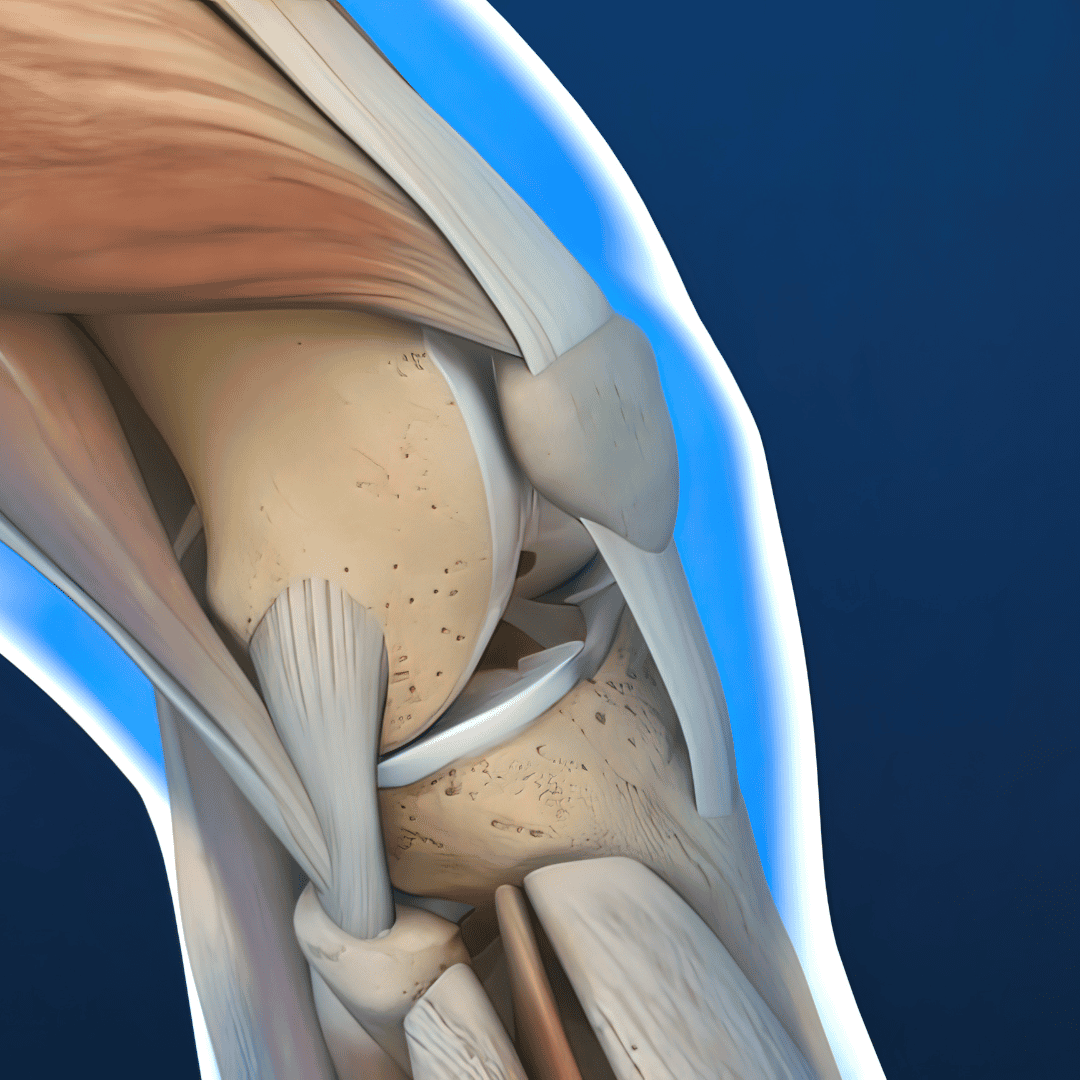
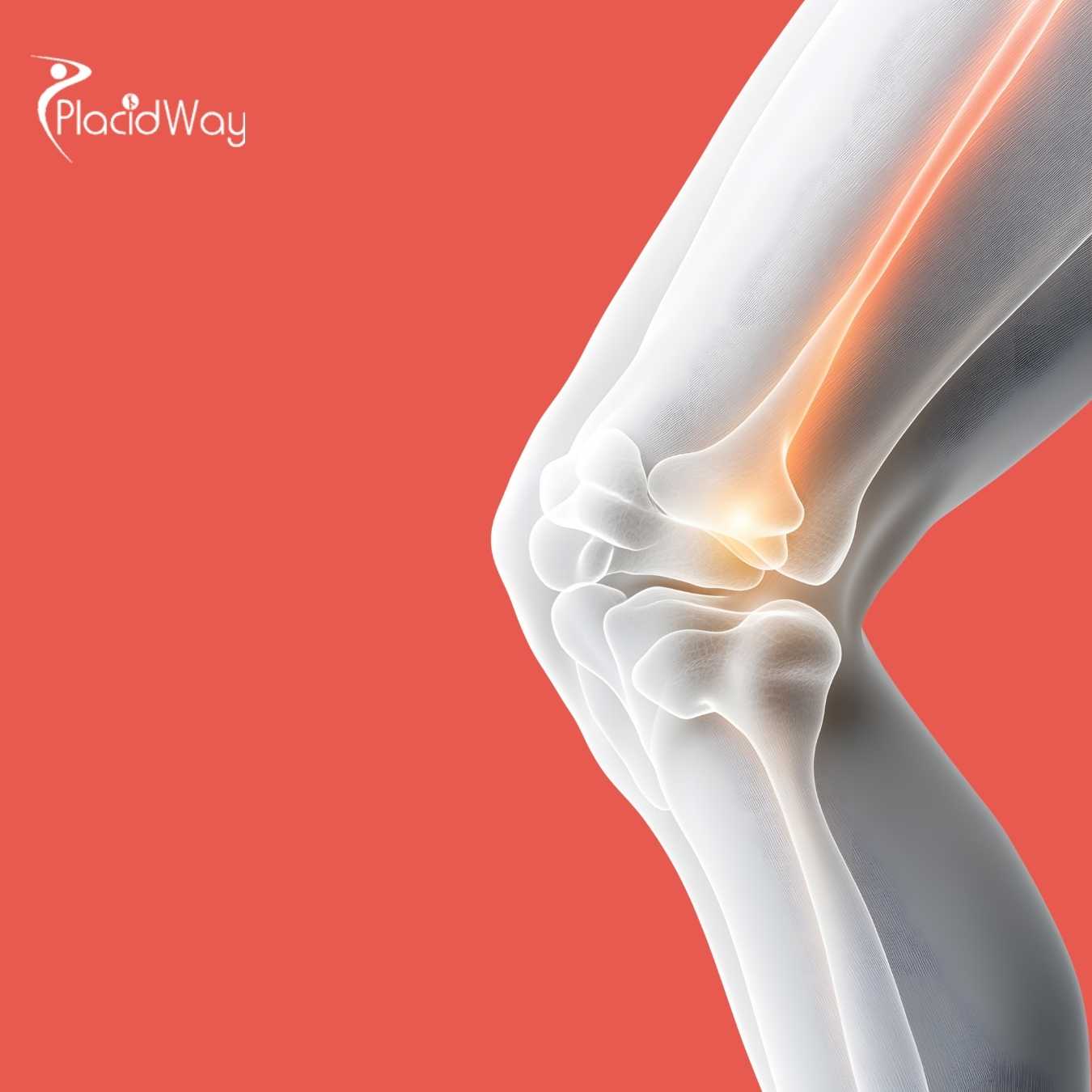
Cartilage does not contain blood vessels, which is why it cannot heal itself naturally after an injury. Bio-repair techniques stimulate new growth by introducing healthy cells or bone marrow directly into the damaged area.
Why Patients Are Choosing Alternatives to Knee Replacements in Mexico
The decision to undergo major orthopedic surgery is never taken lightly, and the soaring costs of healthcare in North America are forcing many to explore cross-border options. A traditional knee replacement in the US can easily exceed $50,000 out-of-pocket, especially when factoring in hospital fees, anesthesia, and extended physical therapy. By contrast, affordable orthopedic surgery in Mexico offers a financially viable pathway without compromising on clinical excellence or safety protocols.
Beyond the cost factor, the desire for joint preservation is a major driving force. Many patients in their 40s and 50s are considered too young for joint replacement, as artificial knees typically have a lifespan of 15 to 20 years. Alternatives to knee replacements in Mexico focus on utilizing the body's natural healing mechanisms, allowing patients to maintain their natural biomechanics. This biological approach generally results in a more natural-feeling knee and permits a return to high-impact activities that are often restricted after a total joint replacement.
Medical tourists traveling for orthopedic procedures can typically save between 50% and 70% on their overall medical expenses when choosing specialized facilities in Latin America over domestic providers.
How Innovative Cartilage Regeneration Clinics Operate in Mexico City
The standard of care found at a premier orthopedic clinic in Mexico City is characterized by stringent adherence to international medical protocols and the use of state-of-the-art technology. These specialized centers are frequently accredited by global healthcare organizations, ensuring that sterilization, patient safety, and surgical outcomes meet the highest possible standards. The medical teams often include board-certified surgeons who have completed fellowships in the US or Europe, bringing globally recognized expertise back to their home country.
Operations at these high-tier clinics are streamlined specifically for the international medical traveler. From the moment a patient reaches out, dedicated patient coordinators manage the logistics of medical record transfers, imaging reviews, and physician consultations. This comprehensive approach ensures that individuals seeking cartilage bio-repair procedures receive customized, transparent treatment plans long before they ever board a flight. The clinical focus remains entirely on personalized, minimally invasive care.
Cartilage bio-repair is not a universal cure for all knee pain. Patients suffering from widespread, advanced bone-on-bone osteoarthritis are typically contraindicated for joint preservation and generally require a traditional partial or total knee replacement.
Affordable Cartilage Bio-Repair Cost in Mexico City vs. US and Canada
Understanding the financial landscape is crucial for anyone considering cross-border healthcare. The primary draw for many international patients is the deeply . The lower cost of living, reduced administrative overhead, and favorable exchange rates allow specialized clinics to offer premium surgical interventions at a fraction of North American prices. It is important to note that these lower prices reflect systemic economic differences, not a reduction in the quality of medical implants or surgical expertise.
When comparing the cost of alternative knee surgery, prospective patients must consider the specific sub-treatments required for their unique cartilage defects. Procedures range from relatively straightforward microfractures to complex, lab-grown cell implantations. Below is a detailed comparison of realistic market ranges to help patients estimate their potential medical investments.
| Procedure Name | Average Cost in Mexico City | Cost Comparison (US/Canada) |
|---|---|---|
| Microfracture Surgery | $3,500 - $5,000 | $10,000 - $15,000 |
| OATs (Osteochondral Autograft Transfer) | $6,000 - $8,500 | $18,000 - $25,000 |
| MACI (Autologous Chondrocyte Implantation) | $9,000 - $12,000 | $35,000 - $50,000+ |
| BMAC (Bone Marrow Aspirate Concentrate) Assisted Repair | $4,500 - $7,000 | $12,000 - $20,000 |
Advanced Techniques for Cartilage Restoration Available in Mexico City
The field of regenerative orthopedics is highly specialized, and Mexican facilities are equipped with the infrastructure to perform a variety of sophisticated interventions. Advanced cartilage restoration treatments are not a one-size-fits-all approach; surgeons must select the precise technique based on the size, depth, and location of the cartilage lesion. Procedures like Microfracture work by creating tiny holes in the bone to stimulate a healing response, producing a fibrocartilage substitute over the damaged area.
For more extensive damage, surgeons may utilize Osteochondral Autograft Transfer (OATs) to move healthy cartilage and bone from a non-weight-bearing area of the knee to the defect. Additionally, complex procedures like Matrix-Induced Autologous Chondrocyte Implantation (MACI) involve harvesting the patient's own cartilage cells, multiplying them in a laboratory, and re-implanting them into the knee. This robust array of minimally invasive joint therapies ensures that patients receive the most appropriate biological solution for their anatomy.
During your consultation, ask your surgeon which specific restoration technique is best suited for the exact size (measured in square centimeters) of your cartilage defect, as this dictates both the surgical approach and the recovery timeline.
Ideal Candidates for Joint Preservation and Cartilage Treatments
While the prospect of preserving the natural knee is highly appealing, patient selection is critical to the success of any bio-cellular intervention. Ideal candidates for cartilage bio-repair are generally evaluated based on a strict set of physiological criteria. Because these procedures rely on the body's intrinsic ability to heal and regenerate tissue, overall health, age, and joint alignment play pivotal roles in determining clinical eligibility.
Proper patient screening ensures that those traveling for specialized orthopedic care in Mexico have the highest probability of a positive outcome. A comprehensive orthopedic evaluation will typically look for the following characteristics in prospective candidates:
- Age: Generally, patients under the age of 55 experience the most robust cellular regeneration, though older, highly active individuals may sometimes qualify.
- Defect Type: The cartilage damage should be a localized, focal lesion (like a pothole) rather than widespread arthritic thinning.
- Joint Stability: The knee ligaments (ACL, PCL, MCL, LCL) must be intact and stable to support the healing cartilage.
- Alignment: The patient should not have severe bowlegs or knock-knees, as poor alignment places undue stress on the newly repaired tissue.
- BMI: A healthy Body Mass Index is typically required to reduce excessive mechanical loading on the knee joint during recovery.
Navigating the Consultation Process at Medical Tourism Clinics in Mexico City
Organizing complex orthopedic surgery abroad might seem daunting, but modern telemedicine has dramatically simplified the process. Leading medical tourism clinics in Mexico City utilize encrypted digital platforms to conduct thorough pre-travel evaluations. Patients begin by securely uploading their recent MRI scans, X-rays, and medical histories to the clinic's portal, allowing the surgical team to perform an initial, highly detailed remote assessment.
Following the imaging review, patients engage in comprehensive video consultations directly with their prospective orthopedic surgeons. This transparent dialogue is an essential component of planning medical travel to Mexico, giving patients the opportunity to discuss surgical techniques, express their lifestyle goals, and receive a clear breakdown of expected outcomes. This remote vetting process ensures that you are a definitive candidate before you book a flight.
Many specialized clinics in Mexico City employ dedicated bilingual medical coordinators who act as your personal liaison, bridging any language gaps and ensuring seamless communication with your surgical team.
What to Expect During Your Orthopedic Procedure in Mexico City
Upon arriving at your chosen medical facility, the initial focus will be on comprehensive preoperative testing. Even with prior MRI reviews, surgeons will perform in-person physical examinations and fresh blood work to ensure you are medically cleared for anesthesia. The environment within a premium orthopedic clinic in Mexico City is designed to be calming and patient-centric, prioritizing your comfort and psychological well-being before heading into the operating room.
The surgery itself is typically performed using arthroscopic, minimally invasive techniques. The surgeon inserts a tiny camera and specialized instruments through small incisions around the knee, allowing for precise execution of the cartilage restoration treatment. Because these methods avoid large, open incisions, tissue trauma is significantly reduced. Following the procedure, patients are carefully monitored in recovery rooms equipped with advanced cardiac and respiratory tracking systems.
Arthroscopic surgery generally results in less postoperative pain, lower risks of infection, and smaller cosmetic scarring compared to traditional open joint surgeries.
Typical Recovery Timeline After Cartilage Repair Surgery in Mexico
Postoperative rehabilitation is arguably as critical to the procedure's success as the surgery itself. Cartilage healing is a slow, biological process that demands patience and strict adherence to a phased recovery protocol. For those undergoing alternative knee surgery in Mexico, the initial recovery phase typically involves managing swelling and protecting the joint from weight-bearing stress.
Patients must understand that bio-cellular repair requires a significant time investment to achieve optimal results. While individual timelines vary based on the specific procedure and the patient's biology, a standard orthopedic surgery recovery timeline generally follows this structured progression:
- Weeks 1 to 6: The healing cartilage is extremely fragile. Patients are typically placed on crutches to maintain a non-weight-bearing or partial-weight-bearing status. Passive motion machines may be used to keep the joint mobile without stressing the tissue.
- Weeks 6 to 12: As the graft or repaired tissue solidifies, patients are slowly transitioned off crutches. Physical therapy focuses on restoring full range of motion and initiating gentle strengthening exercises.
- Months 3 to 6: Rehabilitation intensifies. Patients focus on regaining quadriceps and hamstring strength, proprioception, and balance. Walking without a limp is usually achieved in this phase.
- Months 6 to 12+: A gradual return to impact activities and sports is introduced, always under the clearance of a physical therapist and orthopedic surgeon.
Long-Term Outcomes of Bio-Cellular Joint Therapy in Mexico City
The primary goal of joint preservation is to alleviate chronic pain and restore functional mobility, allowing patients to delay or completely avoid a metallic joint implant. Clinical data tracking the outcomes of advanced cartilage restoration treatments demonstrates highly favorable results for properly selected candidates. When the newly formed tissue integrates successfully with the surrounding native cartilage, the joint's natural shock-absorbing capabilities are largely restored.
Patients who maintain a healthy weight and adhere diligently to their physical therapy regimens generally report significant improvements in their quality of life. The long-term success of orthopedic treatments in Mexico City hinges on realistic expectations; while a bio-repaired knee may never be identical to a flawless, pre-injury joint, it typically provides a durable, natural surface that supports an active, pain-free lifestyle for many years.
Clinical studies indicate that approximately 80% to 90% of ideal candidates who undergo advanced cartilage restoration experience significant pain relief and return to daily activities, effectively delaying joint replacement by a decade or more.
Planning Your Medical Tourism Trip to Mexico City for Knee Care
Executing a successful medical journey requires meticulous organization, especially when facing mobility restrictions post-surgery. Mexico City’s status as a major global hub means it is highly accessible, with direct, short-haul flights available from most major North American airports. This geographic proximity is a massive advantage for medical tourists seeking orthopedic surgery in Mexico, as it limits the discomfort and deep vein thrombosis (DVT) risks associated with long-haul international travel.
Preparation should involve securing appropriate medical travel insurance, compiling all necessary physical medical records, and understanding the visa or entry requirements for your passport. Successfully planning medical travel to Mexico City also involves mentally preparing for the logistics of navigating airports on crutches and ensuring your home environment is safely modified for your return.
It is highly recommended to travel with a companion. Having someone to manage luggage, assist with airport navigation, and provide physical support during the immediate postoperative days is invaluable for your safety and peace of mind.
How PlacidWay Assists Your Cartilage Bio-Repair Medical Tourism Journey in Mexico City
Navigating the complex world of international healthcare can feel overwhelming, especially when trying to identify reputable, high-quality providers for highly specialized orthopedic procedures. Patients need a reliable partner to help them cut through the noise, ensuring their choices are backed by thorough vetting and verified clinical standards. PlacidWay global medical tourism platform serves as this vital bridge.
By leveraging an extensive global network, PlacidWay empowers patients to make informed, confident healthcare decisions. Here is how PlacidWay adds value to your medical journey for cartilage bio-repair in Mexico City:
- Connecting you directly with internationally accredited, top-tier orthopedic centers in Mexico City.
- Providing access to detailed profiles and credentials of board-certified joint preservation surgeons.
- Facilitating transparent communication channels between you and the clinical staff prior to travel.
- Assisting with the secure transfer of your MRI scans and medical records for preliminary remote assessments.
- Helping you easily request and compare comprehensive, itemized medical quotes from multiple reputable providers.
Utilizing a specialized medical travel platform allows you to evaluate comprehensive clinic reviews and track records, significantly reducing the stress and uncertainty of finding a trusted provider abroad.
Real Patient Experiences with Alternative Knee Surgery in Mexico City
Hearing directly from individuals who have navigated similar healthcare journeys provides an unparalleled layer of reassurance. For many, the choice to pursue affordable orthopedic treatments in Mexico represents a profound turning point in their lives, moving from chronic pain and restricted movement to renewed vitality. These narratives highlight the human impact of advanced medical interventions.
The stories below represent the typical trajectories of patients who opted for cartilage restoration therapies over traditional joint arthroplasty. Their experiences underscore the high standards of care and the life-changing potential of these advanced biological techniques.
Michael, 48, United States
Facing a $45,000 quote for a knee replacement back home, Michael opted for OATs surgery in Mexico City. He reports that the state-of-the-art facility exceeded his expectations, and after six months of dedicated rehab, he is back to playing weekend tennis without the joint stiffness he feared from an artificial knee.
Sarah, 42, Canada
A former marathon runner, Sarah developed a severe focal cartilage defect. Refusing to give up her active lifestyle for a partial replacement, she received BMAC-assisted microfracture in Mexico. The continuous support from her bilingual medical team made her solo travel seamless, and she is now comfortably running 5K distances.
David, 51, United States
Told he was "too young" for a replacement but in too much pain to wait, David discovered MACI options abroad. He found the preliminary virtual consultations incredibly thorough. One year post-surgery in Mexico City, his recent MRI shows excellent cartilage integration, and his chronic daily knee ache is gone.
Elena, 45, United States
Concerned about the invasive nature of metal implants, Elena pursued bio-cellular repair. She was deeply impressed by the strict sterilization protocols and the compassionate bedside manner of her Mexican surgeon. Today, she navigates stairs effortlessly and credits the strict post-op physical therapy protocol for her success.
Frequently Asked Questions About Cartilage Bio-Repair in Mexico City
When considering crossing borders for specialized healthcare, it is natural to have an array of practical and medical questions. Gathering accurate information is a vital part of preparing for medical tourism in Mexico City. Education empowers patients to communicate effectively with their chosen providers.
To help streamline your research, we have compiled the most common inquiries regarding alternatives to knee replacements in Mexico. These answers are designed to provide clear, concise insights into the medical and logistical aspects of your potential journey.
How much does cartilage bio-repair cost in Mexico City?
The cost of cartilage repair procedures in Mexico City generally ranges from $4,500 to $12,000 depending on the specific technique, compared to $15,000 to $50,000 in the US and Canada.
Is cartilage bio-repair better than a knee replacement?
For patients with localized cartilage damage rather than severe bone-on-bone arthritis, bio-repair typically offers a less invasive way to preserve the natural joint and delay or prevent the need for a total knee replacement.
How long is the recovery after cartilage regeneration surgery in Mexico City?
Recovery varies by procedure, but most patients typically spend 4 to 6 weeks on crutches, followed by several months of physical therapy to restore full strength and mobility.
Are medical tourism clinics in Mexico City safe for orthopedic surgery?
Yes, many facilities in Mexico City are internationally accredited and feature board-certified orthopedic surgeons who utilize the same advanced medical technologies found in the US and Europe.
What techniques are used for cartilage restoration in Mexico City?
Surgeons generally utilize advanced methods like MACI (Matrix-Induced Autologous Chondrocyte Implantation), OATs (Osteochondral Autograft Transfer), Microfracture, and BMAC therapy.
Do I need a visa to travel to Mexico City for medical treatment?
Citizens from the US, Canada, and many European countries typically do not need a visa for short-term medical travel to Mexico, though a valid passport and a completed tourist card are required.
Who is the ideal candidate for knee cartilage bio-repair?
Ideal candidates are usually younger, active individuals under 55 with isolated focal cartilage lesions, stable knee ligaments, and a body mass index (BMI) within a healthy range.
Can I arrange virtual consultations before traveling to Mexico City?
Yes, most premier clinics offer comprehensive virtual consultations where specialists review your MRI scans and medical history to determine your eligibility before you travel.
Will physical therapy be included in my treatment package?
Many orthopedic packages in Mexico City include initial post-operative physical therapy sessions, but patients generally need to continue long-term rehabilitation with a local therapist once they return home.
How long do the results of cartilage repair typically last?
While results vary depending on patient compliance and biology, successful cartilage restoration can typically relieve pain and improve joint function for a decade or longer, significantly delaying joint replacement.
Ready to explore your options for cartilage bio-repair and avoid invasive knee replacements? Let PlacidWay connect you with world-class orthopedic specialists in Mexico City today.
Medical Disclaimer: This article is for informational purposes only and is not medical advice. Always consult a qualified healthcare provider before any medical decisions. Results may vary. Read Full Disclaimer here.
References:
- • American Academy of Orthopaedic Surgeons (AAOS). Articular Cartilage Restoration. https://orthoinfo.aaos.org/en/treatment/articular-cartilage-restoration
- • Mayo Clinic. Cartilage repair. https://sportsmedicine.mayoclinic.org/specialtyclinic/knee-cartilage-clinic/
- • National Institutes of Health (NIH). Cartilage Repair and Regeneration: A Clinical Overview. https://pmc.ncbi.nlm.nih.gov/articles/PMC12536974/





.png)
.png)
.png)


.png)
.png)
.png)
.png)








Share this listing