



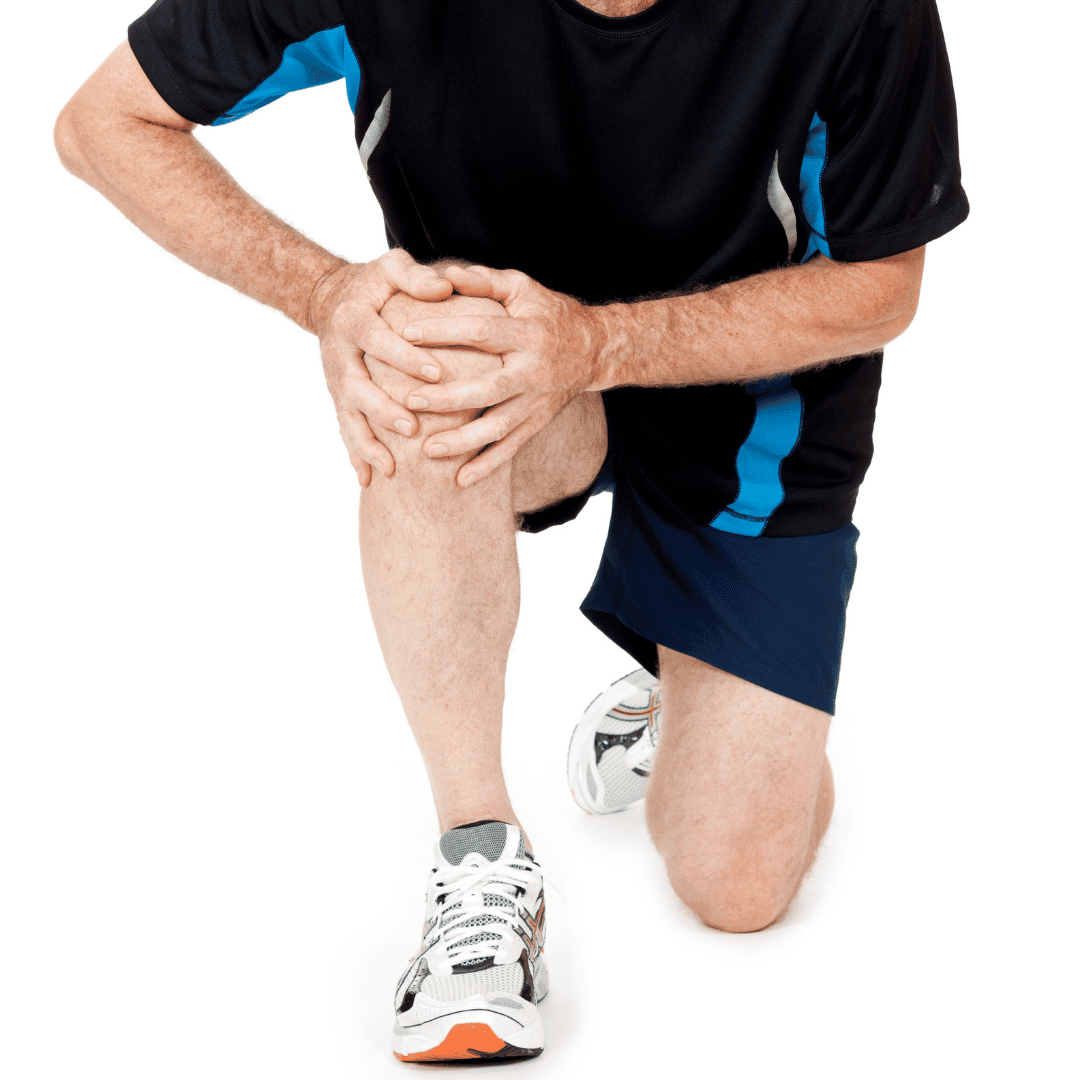
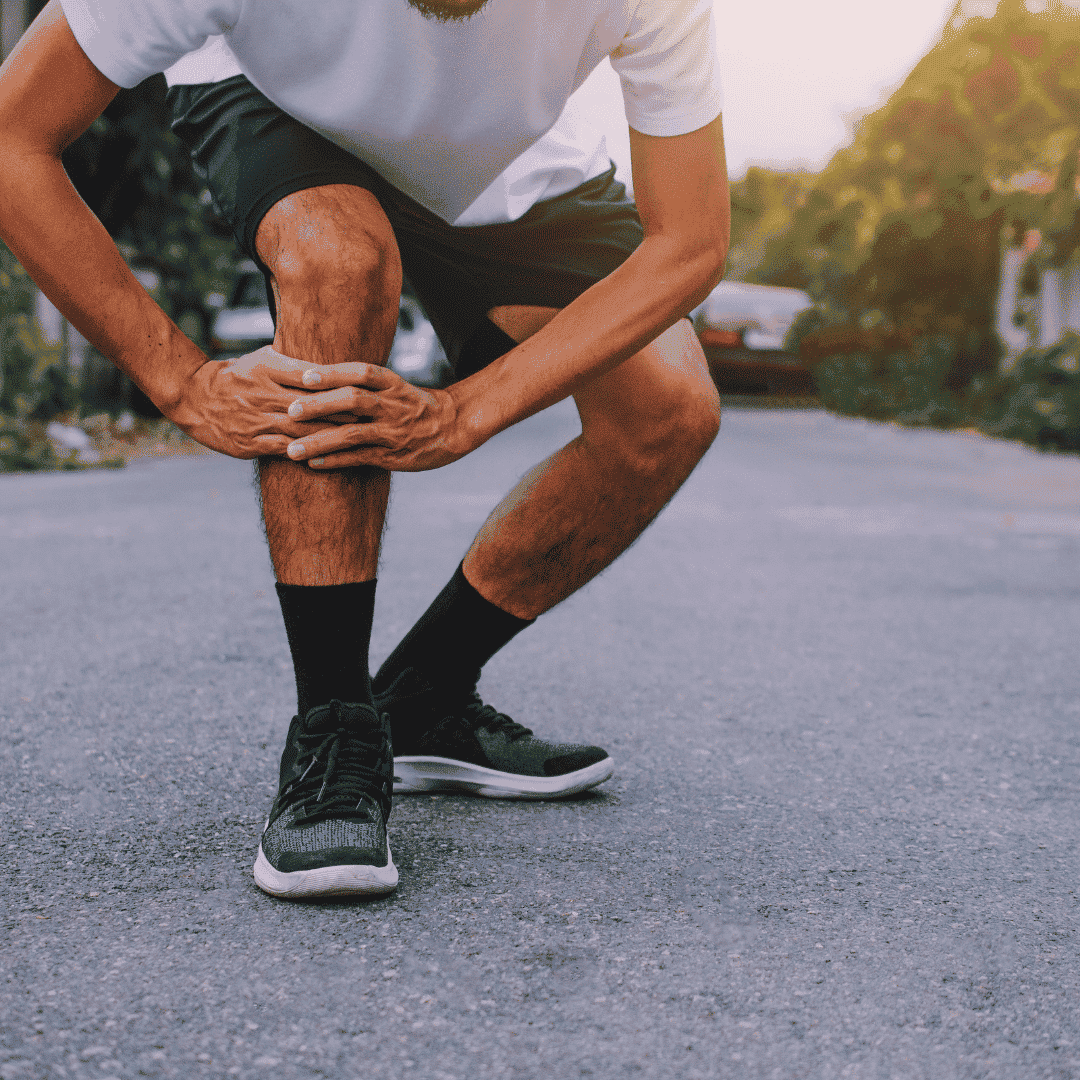
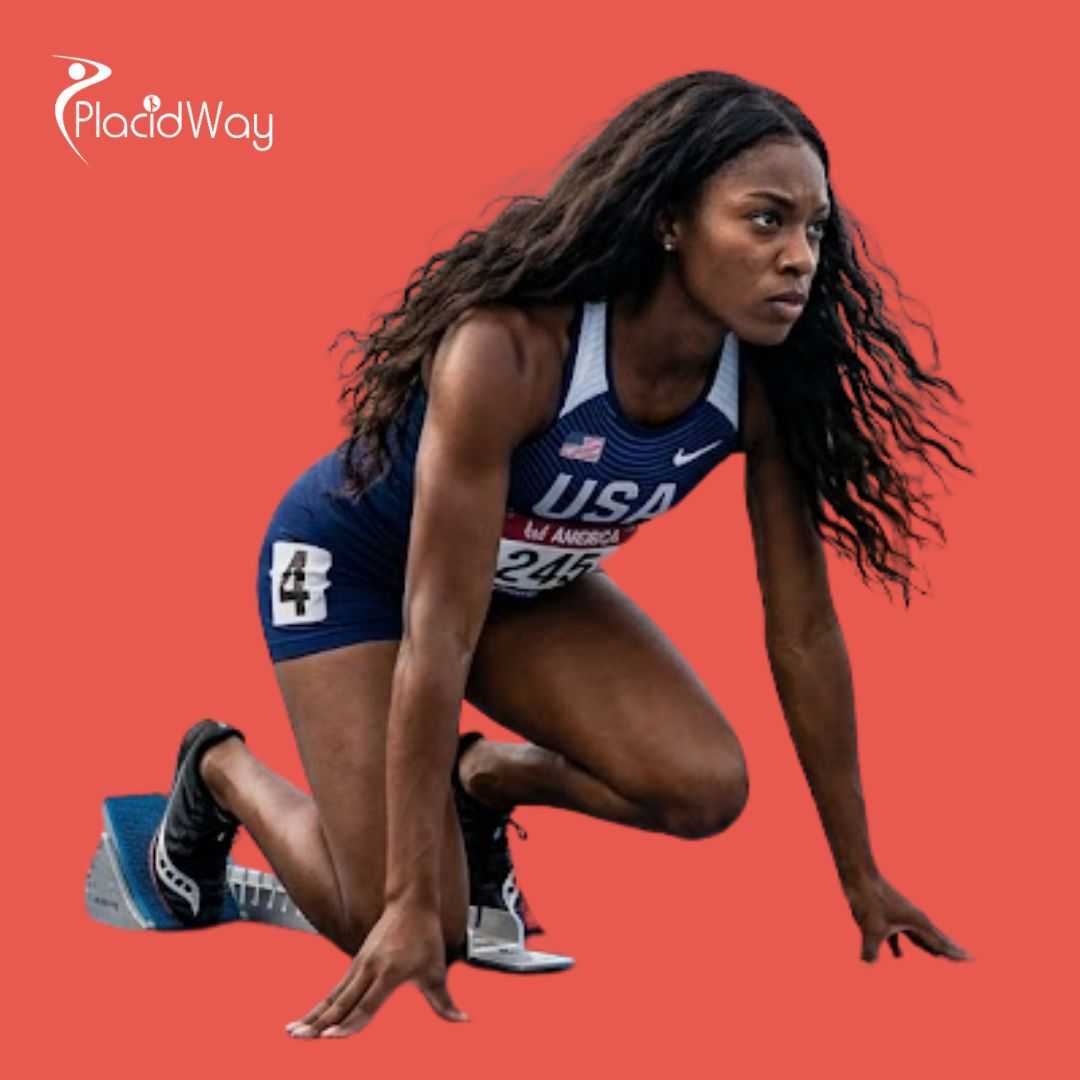
As an athlete, your knees are the vital foundation of your performance. When an injury strikes, getting back in the game safely and swiftly is your utmost priority. For many athletes across the United States, seeking minimally invasive orthopedic surgery abroad has become a highly effective, game-changing strategy. Choosing to undergo knee arthroscopy in Mexico City, Mexico, offers access to world-class orthopedic care, advanced surgical technology, and accelerated sports rehabilitation protocols.
Top orthopedic professionals in this vibrant capital understand that athletic recovery demands significantly more than just standard postoperative rest. It requires a targeted, high-performance approach designed to preserve muscle mass, restore joint biomechanics, and prevent future injuries. Whether you are dealing with a torn meniscus, ACL reconstruction preparation, or cartilage debridement, understanding how to optimize your healing window is critical.
To help you reclaim your mobility and rebuild your strength, here are 9 fast-track knee arthroscopy recovery tips curated from the expertise of top surgeons. These strategies will guide you through your recovery journey, helping you return to your sport stronger, faster, and more resilient than ever before.
1. Prioritize Immediate Rest and Elevation in the First 48 Hours
The immediate aftermath of your surgery dictates the trajectory of your entire recovery. While the surgical procedure itself is minimally invasive, your body still registers it as trauma. In the first 48 hours, your primary objective is to control the body's natural inflammatory response. Excessive swelling can stretch the joint capsule, causing severe pain and delaying the onset of physical therapy.
The Proper Mechanics of Elevation
Simply propping your foot on a pillow while sitting on the couch is not sufficient for an athlete looking to fast-track recovery. To effectively drain excess fluid away from the knee joint, your knee must be positioned higher than your heart. Lie flat on your back and elevate your entire leg—from the calf down to the heel—using specialized wedge pillows. Never place a rolled towel directly under the back of the knee, as this can cause a slight bend that promotes joint stiffness and impedes optimal blood flow.
Leading specialists in high-performance sports medicine emphasize that the first two days are about "active rest." You are not just lying down; you are intentionally positioning your body to allow gravity to assist your lymphatic system in clearing surgical fluid. Skipping this step often results in a swollen, angry joint that refuses to bend when therapy begins.
2. Implement Early but Controlled Joint Mobilization
There is a delicate balance between resting the joint to allow surgical wounds to heal and moving the joint to prevent the formation of debilitating scar tissue. One of the hallmarks of care at top knee arthroscopy clinics in Mexico City, Mexico, is the emphasis on immediate, passive mobilization.
Stimulating Synovial Fluid
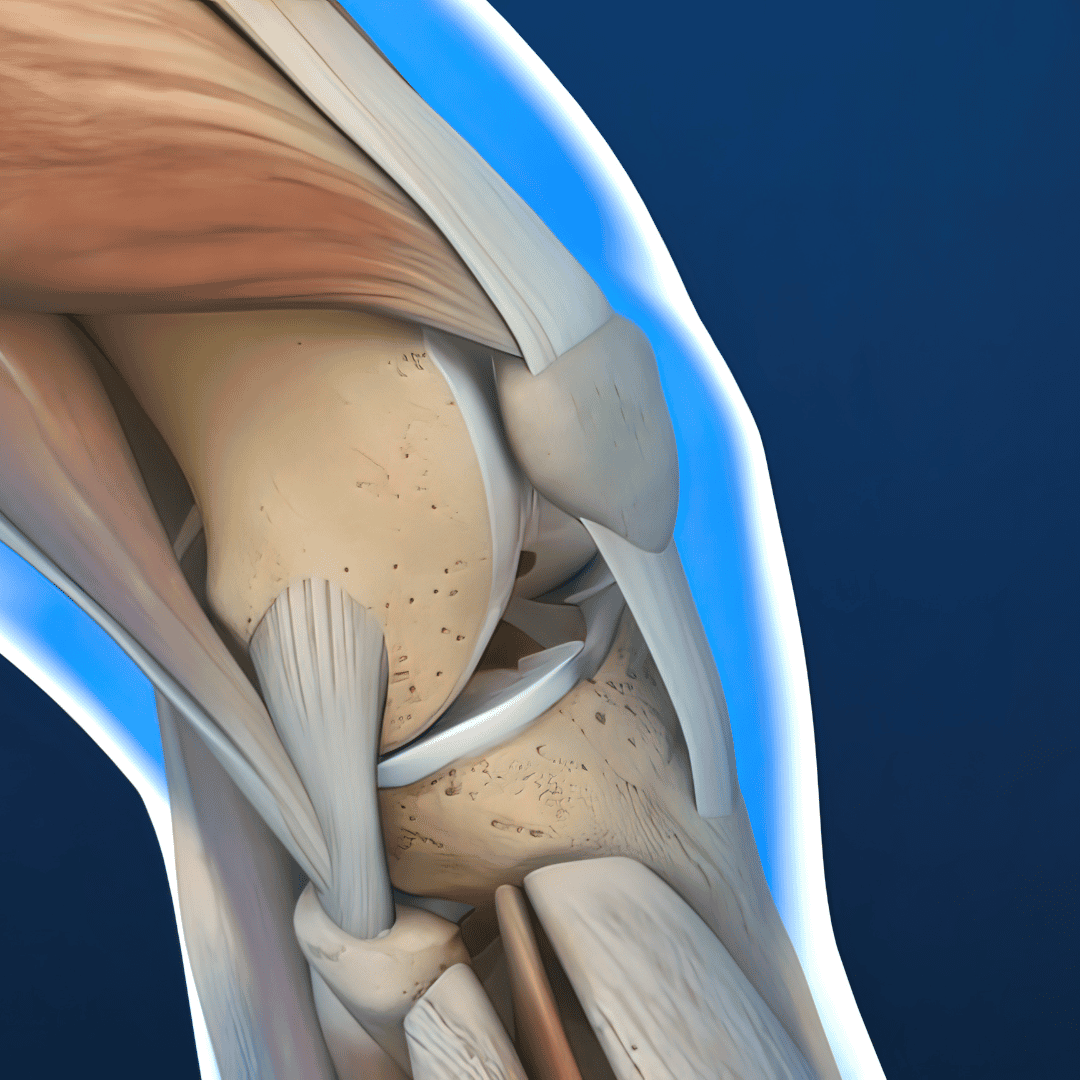
Movement, even without bearing weight, acts as a pump for your knee. Gentle flexion and extension stimulate the production of synovial fluid, which is the natural lubricant that bathes and nourishes the cartilage inside your knee. Without blood vessels in the cartilage, this fluid is the only way nutrients can reach the healing tissues.
- Heel Slides: While lying down, slowly slide your heel toward your glutes, keeping your foot in contact with the bed, and then slowly straighten it.
- Ankle Pumps: Constantly moving your ankles up and down helps pump blood from the lower leg back to the heart, significantly reducing the risk of blood clots.
Prolonged immobilization is the enemy of the athletic knee. Scar tissue can begin forming within just 72 hours post-surgery. Early, pain-free range of motion exercises ensure that the healing collagen aligns properly, maintaining the joint's flexibility for explosive athletic movements later on.
3. Leverage Advanced Cryotherapy Techniques
Ice is universally recognized as a potent anti-inflammatory agent, but high-level athletes require more than a bag of frozen peas. Advanced cryotherapy is an essential component of post-arthroscopic recovery, serving dual purposes: numbing localized pain receptors and causing vasoconstriction to push out swelling.
Upgrading Your Cold Therapy
Surgeons frequently recommend the use of continuous cold therapy machines (ice machines) over traditional ice packs. These devices circulate ice water through a specialized pad wrapped entirely around the knee, providing consistent, 360-degree cooling without the risk of frostbite or wet, melting messes.
| Therapy Method | Pros | Cons |
|---|---|---|
| Traditional Gel Packs | Inexpensive, easy to store | Lose coldness quickly, uneven coverage |
| Continuous Ice Machines | Consistent temperature, compression, full coverage | Requires regular refilling with ice and water |
4. Adopt an Anti-Inflammatory, Tissue-Repair Nutrition Plan
Athletes often focus heavily on the mechanical aspects of rehabilitation while neglecting the biochemical side of recovery. Healing from surgery requires immense cellular energy. The growth of new tissue, the repair of ligaments, and the regeneration of cartilage are heavily dependent on the macroscopic and microscopic nutrients you consume.
Interestingly, the rise of medical tourism in Mexico is not just about surgical excellence; it is also about the holistic recovery environment. Many athletes find that they can easily access fresh, high-quality, organic foods and customized meal plans during their recovery stay, aiding significantly in the healing process.
The Building Blocks of Recovery
- Lean Protein: Aim for high biological value proteins (chicken, fish, eggs, plant-based isolates) to provide the amino acids necessary for collagen synthesis.
- Omega-3 Fatty Acids: Found abundantly in salmon, chia seeds, and walnuts, Omega-3s act as powerful natural anti-inflammatories, reducing joint swelling from the inside out.
- Vitamin C and Zinc: Essential for tissue repair and immune function. Citrus fruits, bell peppers, spinach, and nuts should be staples in your post-op diet.
Did you know that acute trauma, such as surgery, can increase your resting metabolic rate by up to 20 percent? Even though you are physically resting, your body is working overtime to heal. Severely restricting your calories post-surgery to avoid weight gain can inadvertently starve your body of the exact nutrients it needs to rebuild your knee.
5. Adhere Strictly to Prescribed Physical Therapy Protocols
The single greatest obstacle to an athlete's recovery is often their own mindset. Athletes are conditioned to push through pain, grind out extra reps, and accelerate timelines. However, when recovering from joint surgery, the "no pain, no gain" mentality can be disastrous. Overstressing a healing joint can lead to increased effusion (fluid buildup), torn sutures, and permanent cartilage damage.
Respecting the Healing Timeline
Your physical therapist and surgeon will provide a meticulously structured rehabilitation protocol. This timeline is based on biological healing rates, not mental toughness. It takes a specific amount of time for soft tissues to anchor to bone and for inflammation to subside. You must treat your physical therapy program with the same rigorous discipline you apply to your sports training—meaning you must do exactly what is prescribed, no more and no less.
Rehabilitation specialists note that athletes who try to skip phases in their recovery plan often end up setting themselves back by months. The goal of the first few weeks is tissue protection and range of motion, not strength building. Trust the process and communicate openly with your therapy team regarding any sharp pains or abnormal swelling.
6. Focus on Early Quad and Hamstring Activation
Muscle atrophy (the wasting away of muscle tissue) begins remarkably fast after knee surgery. The quadriceps, in particular, are notorious for "shutting down" as a protective mechanism in response to joint trauma. Reactivating these muscles early is crucial because they act as the primary shock absorbers for your knee.
A leading knee arthroscopy specialist in Mexico City, Mexico, will heavily emphasize isometric exercises in the early stages. Isometric exercises involve contracting the muscle without changing its length or moving the joint.
Key Activation Techniques
- Quad Sets: Lie flat with your legs straight. Tighten the muscle on the front of your thigh, attempting to push the back of your knee down into the bed. Hold for five seconds, then release.
- Straight Leg Raises: Once quad control is established, keeping the leg completely straight and lifting it a few inches off the bed helps build strength without putting torque on the internal knee structures.
- Hamstring Isometrics: Gently pressing your heel down into the floor or bed while the knee is slightly bent will engage the hamstrings, ensuring muscular balance around the joint.
7. Manage Pain Proactively and Understand Cost Benefits
Pain management is not just about comfort; it is a clinical necessity for effective healing. When you are in severe pain, your body releases stress hormones like cortisol, which can inhibit tissue repair. Furthermore, if you are guarding the joint due to pain, you will be unable to perform your physical therapy exercises with the proper form, leading to compensatory injuries in your hips or opposite leg.
Staying Ahead of the Pain Curve
Take your prescribed medications precisely as scheduled during the first few days, even if you feel okay at the moment. Waiting until the pain becomes unbearable means the medication has to work twice as hard to catch up. As recovery progresses, you will naturally transition from prescription medications to over-the-counter anti-inflammatories and eventually to holistic pain management like icing and massage.
A significant advantage for athletes traveling abroad is the overall affordability of the procedure. The highly competitive knee arthroscopy cost in Mexico City, Mexico, often saves patients thousands of dollars compared to US prices. Savvy athletes take these significant financial savings and reinvest them directly into their recovery. With the extra budget, you can afford advanced recovery tools like percussion massage guns, premium physical therapy sessions, personalized nutritionists, and high-quality compression garments to maximize your rehabilitation.
8. Optimize Sleep Quality for Cellular Regeneration
You heal the most when you are asleep. During deep, non-REM sleep, the pituitary gland releases Human Growth Hormone (HGH), which is the primary catalyst for tissue regeneration, muscle building, and bone repair. Poor sleep quality directly correlates to a slower recovery timeline and heightened pain sensitivity.
Mastering Sleep Post-Surgery
Sleeping with a freshly operated knee can be incredibly frustrating. To optimize your rest, establish a strict sleep hygiene routine. Keep the bedroom cool, dark, and quiet. If you are a side sleeper, place a thick, firm pillow between your knees to keep your hips and knees aligned, preventing rotational stress on the surgical site. If you sleep on your back, maintain the elevation wedge. Limit screen time before bed to encourage natural melatonin production, ensuring you slip into the deep, restorative sleep cycles required for athletic recovery.
Studies have shown that chronic sleep deprivation can reduce the production of key healing hormones by up to 50 percent while simultaneously increasing the body's inflammatory markers. Treating sleep as an active phase of your rehabilitation protocol is non-negotiable for athletes.
9. Transition Gradually to Sport-Specific Movements
The final hurdle in your recovery is bridging the gap between clinical rehabilitation and on-field performance. Just because you have full range of motion and no pain during daily activities does not mean your knee is ready for the unpredictable, high-impact forces of your sport.
Rebuilding Proprioception and Confidence
Proprioception is your body's ability to sense its location, movements, and actions in space. Surgery and the resulting swelling disrupt the neurological communication between your knee and your brain. Rebuilding this connection is paramount to preventing re-injury.
Your late-stage physical therapy must include balance training (using wobble boards or Bosu balls), agility ladder drills, and low-level plyometrics (jumping and landing). You must relearn how to decelerate your body weight safely and how to absorb shock through the musculature rather than the joint itself. Only after you have passed specific functional testing—verifying that your operated leg is at least 90 percent as strong as your uninjured leg—should you consider returning to competitive play.
The psychological aspect of returning to play is often as challenging as the physical recovery. Transitioning gradually allows the athlete to rebuild trust in their knee. Start with controlled, non-contact drills, slowly increasing intensity and complexity before participating in full-contact or high-velocity sports.
Ready to Accelerate Your Athletic Recovery with PlacidWay?
Getting back to your peak athletic performance requires a seamless, stress-free medical journey. At PlacidWay, we specialize in connecting US athletes with globally recognized orthopedic excellence. We eliminate the guesswork from medical tourism by exclusively partnering with fully accredited hospitals, highly vetted specialists, and world-class rehabilitation centers across the globe.
Our dedicated team is here to coordinate every detail of your medical travel—from securing priority consultations and facilitating medical record transfers to organizing safe transportation and personalized recovery accommodations. You shouldn't have to compromise on quality or navigate international healthcare logistics alone. Let us handle the details while you focus entirely on your healing and returning to the sport you love.
Take the first step toward reclaiming your performance today.
Get Your Free Quote Now



.png)
.png)
.png)


.png)
.png)
.png)
.png)








Share this listing