



Your retirement years are meant to be a time of exploration, relaxation, and spending quality time with loved ones. However, severe hip arthritis can quickly turn these golden years into a painful waiting game. While the Canadian public healthcare system provides excellent emergency care, the reality for elective orthopedic procedures is drastically different. Canadian retirees are frequently faced with excruciatingly long waitlists for hip replacements, often watching their mobility and quality of life decline while waiting for a surgical date.
This is precisely why a growing number of Canadians are looking beyond their borders to reclaim their mobility. Opting for an anterior hip replacement in Puerto Vallarta, Mexico has emerged as a premier solution for those who refuse to let pain dictate their retirement. Combining world-class orthopedic care, immediate availability, and a beautiful recovery environment, Puerto Vallarta offers a lifeline. However, traveling abroad for major surgery requires careful consideration and planning. If you are a Canadian retiree considering this life-changing procedure, here are eight critical things you must know before booking your medical journey.
1. The Anterior Approach Offers a Faster, Muscle-Sparing Recovery
When researching hip replacement surgery, you will likely encounter different surgical techniques, primarily the posterior (back) and anterior (front) approaches. For retirees, understanding the distinction is paramount, as the surgical approach directly impacts the speed and comfort of your recovery.
Why the Muscle-Sparing Technique Matters
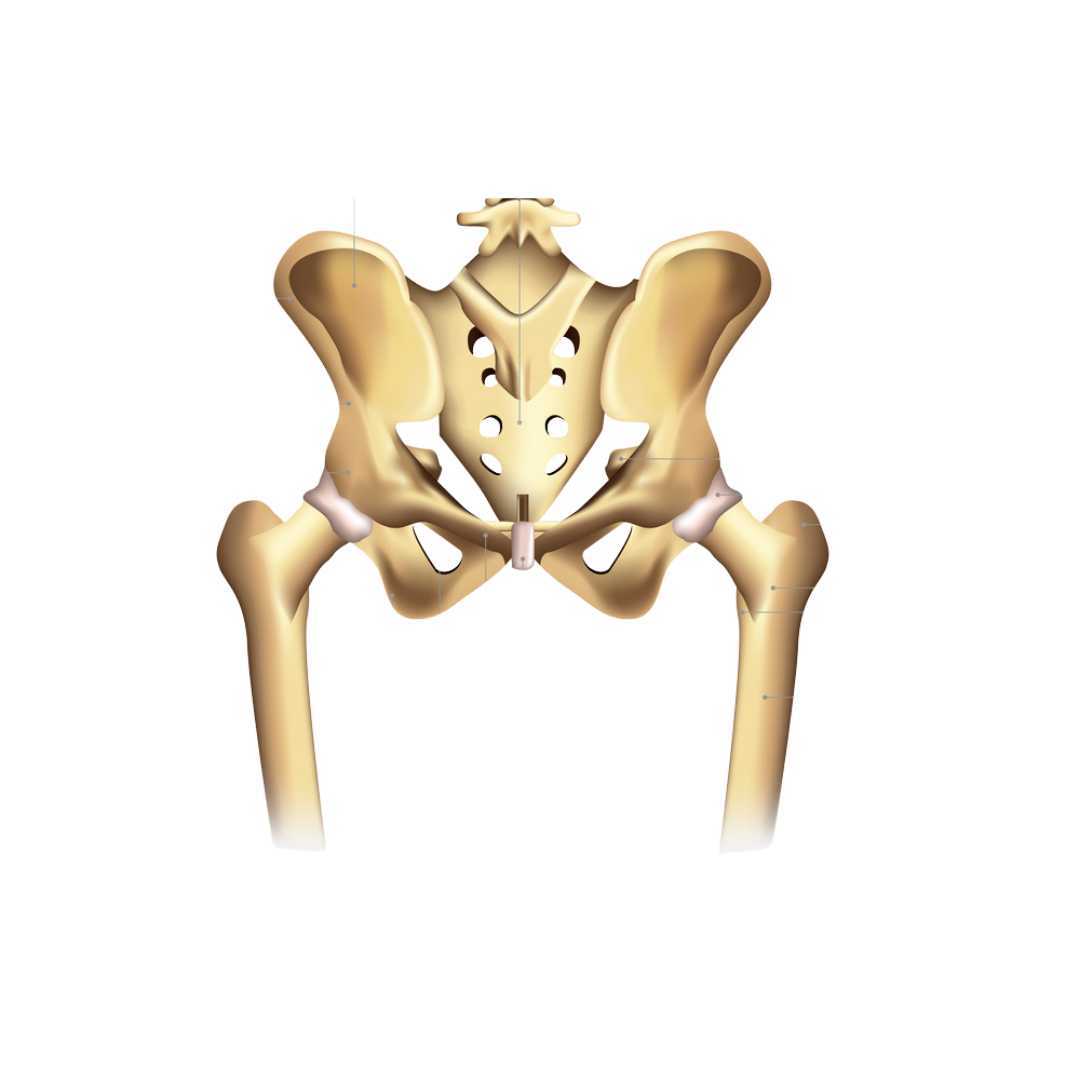
The anterior approach is a minimally invasive technique where the surgeon accesses the hip joint from the front of the body. The most significant advantage of this method is that the surgeon can work between the muscles, separating them rather than cutting and detaching them from the thighbone. Because the major stabilizing muscles of the hip remain intact, patients generally experience significantly less postoperative pain.
For a retiree, this means a faster return to independence. You can often bear full weight on the new joint immediately after surgery, transitioning from a walker to a cane much quicker than with traditional methods. Furthermore, the anterior approach carries a drastically lower risk of postoperative hip dislocation, meaning you are free from the strict "hip precautions" (like avoiding crossing your legs or bending past 90 degrees) that typically accompany posterior surgeries.
Orthopedic specialists note that patients undergoing the anterior approach often leave the hospital sooner and require fewer narcotic pain medications during their recovery phase, making it a highly requested procedure among older adults seeking a swift return to an active lifestyle.
2. You Can Completely Bypass Long Canadian Wait Times
One of the most frustrating aspects of needing joint replacement in Canada is the systemic backlog. Depending on your province, the wait time from your initial primary care consultation to an orthopedic specialist appointment, and finally to the operating table, can range anywhere from 12 to over 24 months.
The Hidden Cost of Waiting
Waiting is not merely an inconvenience; it has profound physical and psychological impacts. Prolonged hip pain leads to reduced mobility, which can cause secondary health issues such as weight gain, cardiovascular decline, and muscle atrophy. Furthermore, compensating for a bad hip often leads to knee and lower back problems.
By choosing to undergo an anterior hip replacement in Puerto Vallarta, Mexico, you take control of your healthcare timeline. Medical tourism allows you to schedule your surgery at your convenience, often within a matter of weeks. Bypass the Canadian backlog, stop the cycle of joint deterioration, and get back to enjoying your retirement without the looming anxiety of a distant, unconfirmed surgical date.
3. Significant Cost Savings Make Private Care Attainable
If you were to seek private hip replacement surgery within North America (for example, traveling to the United States), you could easily face bills exceeding $35,000 to $50,000 CAD, making it financially out of reach for many retirees on fixed incomes.
Understanding the Financial Advantage
The anterior hip replacement cost in Puerto Vallarta Mexico is exceptionally competitive, typically ranging between $12,000 and $18,000 USD depending on the specific implant used, the facility, and the length of stay. This cost is generally all-inclusive, covering the surgeon's fees, anesthesia, the high-quality titanium and ceramic prosthetic implant, operating room fees, and your hospital stay.
Even when factoring in flights, accommodations, and a dedicated recovery period in a luxury setting, the total expenditure remains a fraction of what private care costs north of the border. This affordability is not a reflection of lower quality, but rather the result of a lower cost of living, reduced administrative overhead, and the competitive nature of medical tourism in Mexico.
| Treatment/Expense Factor | Private Surgery (US/Canada) | Puerto Vallarta, Mexico |
|---|---|---|
| Average Procedure Cost | $35,000 - $50,000+ | $12,000 - $18,000 |
| Wait Time | Varies (Months to Years in Canada) | Immediate (2-4 Weeks) |
| Implants Used | FDA-Approved Brands | FDA-Approved Brands (Zimmer, DePuy, etc.) |
4. The Facilities Rival Top North American Hospitals
A common hesitation among Canadian retirees is the perceived standard of care in a foreign country. However, the top anterior hip replacement clinics in Puerto Vallarta, Mexico are intentionally designed to cater to international patients and meet, or often exceed, rigorous global healthcare standards.
State-of-the-Art Technology and Safety
Puerto Vallarta is home to modern, internationally accredited hospitals. These facilities feature advanced surgical suites equipped with the specialized orthopedic traction tables necessary for the anterior approach. Furthermore, top hospitals utilize real-time intraoperative fluoroscopy (X-ray guidance) to ensure the prosthetic components are placed with absolute millimeter precision, ensuring optimal leg length and joint stability.
Infection control is paramount. Leading private hospitals in Mexico maintain strict sanitization protocols and boast incredibly low surgical site infection rates. When you walk into these facilities, you will find modern private patient rooms, advanced diagnostic imaging centers, and bilingual medical staff dedicated to your comfort and safety.
Many of the premium medical facilities in Puerto Vallarta are designed with resort-like amenities. Patients often enjoy private suites with ocean or mountain views, high-speed internet to stay connected with family back in Canada, and custom dietary menus, making the hospital stay feel far removed from a traditional clinical environment.
5. Travel from Canada is Highly Accessible and Convenient
When planning orthopedic surgery, the logistics of travel are a major factor. Navigating airports with severe hip pain, or managing a long-haul flight shortly after joint replacement, can be daunting. Puerto Vallarta is uniquely positioned as an ideal destination for Canadian medical travelers.
Direct Flights and Ideal Climate
Major Canadian airlines offer frequent, direct flights from hubs like Vancouver (YVR), Calgary (YYC), and Toronto (YYZ) directly to Puerto Vallarta International Airport (PVR). The relatively short flight duration (usually between 4.5 to 5.5 hours) makes it highly manageable.
Additionally, the climate plays a surprising role in your healing. Escaping the harsh Canadian winter for the warm, stable climate of Mexico is excellent for joint health. Cold, damp weather often exacerbates arthritis and postoperative joint stiffness. The warm sea-level environment of Puerto Vallarta promotes better blood circulation and allows for comfortable, year-round outdoor rehabilitation walks.
6. Surgeon Expertise is Crucial for the Anterior Method
Not every orthopedic surgeon performs the anterior approach. It is a technically demanding procedure that requires a steep learning curve and specialized training. Because the surgical field of view is smaller than in the traditional posterior approach, the surgeon must rely on extensive experience and specialized instruments.
Vetting Your Orthopedic Specialist
When selecting an anterior hip replacement specialist in Puerto Vallarta, Mexico, it is vital to review their credentials thoroughly. You should look for surgeons who:
- Are board-certified in orthopedics and traumatology in Mexico.
- Have completed international fellowships or specialized training specifically in the anterior muscle-sparing technique, often in the US, Canada, or Europe.
- Perform a high volume of anterior hip replacements annually. High surgical volume is one of the most reliable indicators of surgical proficiency and positive patient outcomes.
- Use globally recognized, FDA-approved prosthetic implant brands (such as Zimmer Biomet, Stryker, or DePuy).
Because the anterior approach spares the muscles, many surgeons use specialized computerized navigation systems during the operation to double-check the alignment of your new hip joint in real-time, resulting in a more natural-feeling hip post-surgery.
7. Post-Operative Care and Rehabilitation Are Fully Integrated
The success of your hip replacement is not just determined in the operating room; the quality of your postoperative rehabilitation is equally critical. In Canada, early discharge is common, and you may find yourself navigating icy steps or waiting weeks to get an appointment with a public physical therapist.
A Healing Environment Tailored to You
In Puerto Vallarta, your recovery is treated as an integral phase of your medical tourism package. Following your 2 to 3-day hospital stay, many patients choose to transition to specialized medical recovery boutiques or accessible hotels. Here, physical therapy comes directly to your room.
You will receive one-on-one sessions with licensed physiotherapists who will guide you through the specific exercises required to regain strength and mobility in your new hip. Nurses are often available to assist with wound care, medication management, and daily activities. This dedicated, stress-free recovery period ensures that by the time you board your flight back to Canada (usually 10 to 14 days post-surgery), you are confident, mobile, and well on your way to full healing.
8. Proper Preparation and Logistics Ensure a Smooth Experience
While the prospect of medical tourism in Mexico is exciting, it requires meticulous organization. Being in a foreign country means you need to have all your medical and logistical affairs in order well before you arrive.
Navigating the Paperwork and Travel Details
To ensure you are a safe candidate for surgery, you will need to undergo preoperative clearance. This usually involves having your Canadian general practitioner run a series of blood tests, an EKG, and potentially chest X-rays. You will need to securely transmit these digital medical records, along with recent X-rays or MRIs of your hip, to your surgical team in Puerto Vallarta for evaluation.
Additionally, consider the logistics of traveling with a companion. Having a spouse, friend, or family member with you provides invaluable emotional support and practical assistance during the early days of recovery. Ensure your passports are valid for at least six months beyond your travel dates, and check with your Canadian provincial health plan and private travel insurance regarding out-of-country medical coverage (keeping in mind that elective surgery complications require specific medical tourism insurance riders).
Properly coordinating a medical trip involves bridging language gaps, organizing airport transfers with wheelchair assistance, and ensuring seamless communication between your Canadian doctor and your surgical team abroad. Attempting to organize all these moving parts alone can add unnecessary stress to your procedure.
Ready to Reclaim Your Mobility? Let Us Coordinate Your Journey
You have worked hard your entire life, and you deserve a retirement free from debilitating hip pain and endless waitlists. Navigating international healthcare doesn't have to be overwhelming. At PlacidWay, we specialize in transforming complex medical travel into a seamless, stress-free experience.
Our expert team connects Canadian retirees with top-tier, rigorously vetted orthopedic facilities and specialists in Puerto Vallarta. We ensure the highest quality standards, assist with gathering your medical records, coordinate your travel logistics, and provide ongoing support every step of your journey. Stop waiting for your life to begin again.







.png)
.png)

.png)



.png)
.png)
.png)
.png)








Share this listing