



The landscape of global medical travel is rapidly evolving, with highly specialized procedures capturing the attention of social media personalities. Recently, leg lengthening surgery in Puerto Vallarta Mexico has emerged as a surprisingly popular choice for those seeking cosmetic height enhancement. High-profile individuals frequently seek discrete, serene locations where they can undergo intensive procedures away from the public eye. This coastal destination offers the ideal blend of high-quality healthcare infrastructure and peaceful environments conducive to extended recovery periods.
International patients are increasingly drawn to this region due to the convergence of advanced orthopedic technology and experienced medical professionals. While the procedure was historically reserved for correcting medical deformities, modern advancements have made it a viable option for cosmetic enhancement. Medical tourists typically find that the combination of privacy, personalized care, and beautiful surroundings greatly alleviates the stress of a major operation. Consequently, this Mexican coastal city has quietly transformed into a hub for aesthetic orthopedic procedures.
The original technique for bone lengthening was developed in the 1950s by a Soviet doctor named Gavriil Ilizarov using bicycle spokes.
- Privacy and Seclusion: Influencers value the ability to recover discreetly in luxury villas without public scrutiny.
- Advanced Healthcare Infrastructure: The region features modern, internationally accredited medical facilities equipped with cutting-edge technology.
- Proximity to North America: Short, direct flights make it easily accessible for patients traveling from the United States and Canada.
- Comprehensive Care Packages: Healthcare providers often coordinate extensive multi-disciplinary teams including surgeons, nurses, and physiotherapists.
Understanding Cosmetic Limb Lengthening Procedures
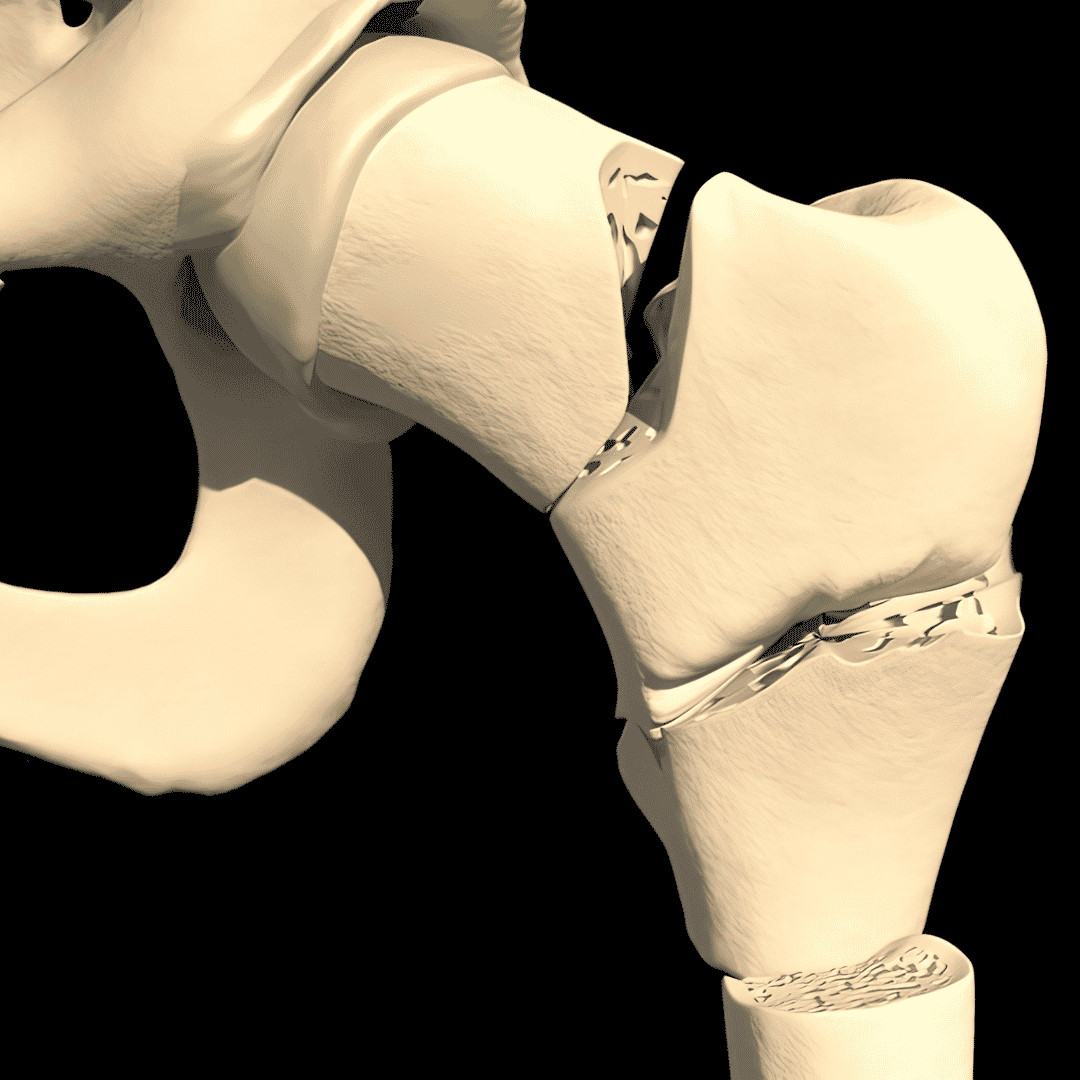
To fully grasp why this procedure requires significant dedication, one must understand the complex biological mechanics involved in the surgery. Cosmetic limb lengthening is a major orthopedic intervention that involves carefully dividing the femur or tibia bone. Surgeons then insert specialized devices, such as precision internal magnetic nails, to stabilize the bone segments. These advanced devices gradually separate the bone ends by a fraction of a millimeter each day.
As the bone segments are slowly pulled apart, the body’s natural healing response generates new bone tissue in the gap. This remarkable process, known as distraction osteogenesis, also requires the surrounding muscles, nerves, and blood vessels to adapt and stretch. Most patients experience a rigorous daily routine of device adjustment and intensive physical therapy to ensure functional mobility. While the results can be life-changing, medical professionals generally emphasize that the process demands immense psychological and physical resilience.
Modern internal lengthening nails can typically extend a bone by up to 8 centimeters (about 3.1 inches) in a single procedure.
- Osteotomy Phase: The surgical division of the bone using precise, minimally invasive techniques.
- Latency Period: A resting phase of approximately one week allowing early callus formation to begin.
- Distraction Phase: The gradual lengthening of the bone, generally at a rate of 1 millimeter per day.
- Consolidation Phase: The prolonged period where the newly formed bone hardens and calcifies to support weight.
Why Influencers Choose Medical Tourism in Puerto Vallarta
For individuals whose careers rely heavily on aesthetics and public image, privacy during medical treatments is absolutely paramount. Medical tourism in Puerto Vallarta provides an exclusive environment where influencers can essentially vanish from the public eye during their vulnerable recovery. The destination offers luxurious, gated recovery retreats that cater specifically to high-net-worth medical travelers requiring discretion. This level of customized privacy is generally difficult to achieve in crowded metropolitan healthcare systems in their home countries.
Furthermore, the psychological toll of a massive physical transformation requires an uplifting and soothing environment for optimal healing. Waking up to ocean views and tropical breezes typically provides a significant mental boost during the arduous months of rehabilitation. Patients often utilize this extended downtime to manage their digital presence remotely while focusing entirely on their health. The combination of top-tier orthopedic care and resort-style living creates an unparalleled ecosystem for cosmetic height enhancement.
When planning an extended medical stay, verify that your chosen recovery residence has full wheelchair accessibility and walk-in showers.
- Discreet VIP Services: Dedicated private nursing staff and personal chefs ensure a highly comfortable, unobserved recovery process.
- Therapeutic Environment: The warm coastal climate is generally favorable for joint mobility and continuous physical therapy sessions.
- Content Creation Opportunities: The beautiful backdrop allows influencers to carefully curate their return to social media post-recovery.
- Cultural Hospitality: The renowned warmth of the local culture provides emotional support during a highly demanding medical journey.
Analyzing Leg Lengthening Surgery Cost in Puerto Vallarta
Financial considerations play a massive role when international patients research major elective orthopedic procedures across the globe. The leg lengthening surgery cost in Puerto Vallarta is typically far more accessible than comparable treatments in the United States or Europe. While it remains a premium, high-investment procedure, medical tourists often save tens of thousands of dollars by traveling south. These savings generally do not come at the expense of medical quality, as accredited facilities utilize the exact same advanced internal nail technologies.
It is crucial for patients to understand that the base surgical fee is only one component of the total financial commitment. Comprehensive budgeting must include extended physical therapy, specialized accommodation, medical visas, and potential emergency contingencies. Most international clinics offer transparent, all-inclusive medical packages that cover the hospital stay, surgeon fees, and initial rehabilitation. However, prolonged follow-up care back home will inevitably add to the overall lifetime cost of the procedure.
| Procedure Name | Average Cost in Puerto Vallarta Mexico | Cost Comparison (USA) |
|---|---|---|
| Femur Lengthening (Bilateral) | $45,000 - $65,000 | $80,000 - $120,000+ |
| Tibia Lengthening (Bilateral) | $50,000 - $70,000 | $90,000 - $130,000+ |
| Combined Femur & Tibia | $85,000 - $110,000 | $160,000 - $250,000+ |
Most insurance providers categorically deny coverage for cosmetic leg lengthening, requiring patients to self-fund the entire medical journey.
The Science Behind Height Increase Surgery in Mexico
The biological foundation of this profound physical transformation relies on the human body's incredible capacity for bone regeneration. Height increase surgery in Mexico utilizes the scientific principle of distraction osteogenesis to literally grow new bone tissue from scratch. When a bone is precisely cut and slowly pulled apart, the body perceives the widening gap as an ongoing fracture that needs healing. It continuously sends calcium and specialized bone-building cells to the area to bridge the artificial divide.
This intricate biological process is highly dependent on strict adherence to the prescribed lengthening rhythm set by the surgical team. If the bone is distracted too quickly, the tissue may fail to bridge the gap, leading to severe non-union complications. Conversely, if the distraction is too slow, the bone may prematurely fuse, halting the lengthening process entirely. Orthopedic specialists typically monitor this delicate balance through frequent imaging, ensuring the new bone remains healthy and structurally sound.
Patient Case Summary: The Scientific Marvel
An international patient in their late twenties decided to pursue femoral lengthening to enhance their stature. By meticulously following the daily distraction schedule set by their Mexican orthopedic team, their body successfully generated over two inches of solid, healthy new bone over a six-month period.
- Cellular Regeneration: Osteoblasts continuously work to lay down new bone matrix in the distraction gap.
- Soft Tissue Adaptation: Muscles, tendons, and nerves must adaptively stretch alongside the skeletal growth.
- Vascular Expansion: New blood vessels form rapidly to supply oxygen and nutrients to the regenerating bone tissue.
- Calcification: Over several months, the soft, newly formed bone matrix hardens into weight-bearing skeletal structure.
Evaluating Safety and Success Rates for Leg Lengthening
Understanding the clinical outcomes and potential risks is an absolute necessity for anyone considering such a drastic elective surgery. The safety of leg lengthening surgery in Puerto Vallarta Mexico is heavily reliant on the expertise of the specific surgical team. When performed by board-certified orthopedic surgeons with extensive experience in distraction osteogenesis, success rates are generally quite high. However, patients must enter this process fully aware that it is one of the most demanding procedures in modern medicine.
Success is not merely defined by achieving the desired height, but by regaining full functional mobility and a pain-free lifestyle. While most patients experience successful bone consolidation, the risk of temporary or permanent joint stiffness is always present. Comprehensive pre-operative screening and rigorous adherence to strict physical therapy protocols significantly mitigate these inherent medical risks. Honest, transparent communication with the surgical team regarding expectations and potential setbacks is crucial for a safe outcome.
Never pursue cosmetic bone lengthening without a pre-arranged, rigorous local physical therapy plan in place for when you return to your home country.
- Surgeon Qualifications: Verifying specialized training in complex limb reconstruction and trauma orthopedics is essential.
- Facility Accreditation: Surgeries should only occur in internationally certified hospitals equipped for complex emergencies.
- Patient Compliance: Success is highly dependent on the patient's absolute dedication to daily rehabilitation.
- Realistic Expectations: Understanding that final mobility outcomes can vary greatly depending on individual biological responses.
Preparing for Your Orthopedic Procedure in Puerto Vallarta
Preparation for a procedure of this magnitude begins many months before the patient ever boards a flight to the destination. Thorough preparation for an affordable leg lengthening surgery in Puerto Vallarta involves extensive physical conditioning and complex logistical planning. Patients are generally advised to undergo rigorous prehabilitation to strengthen core, hip, and leg muscles, which will be heavily taxed post-surgery. Improving flexibility beforehand typically makes the intense stretching required during the distraction phase much more manageable.
Logistically, medical tourists must meticulously plan their extended stay and coordinate communication between their international and local medical teams. It is imperative to organize a comprehensive support system, as patients will initially be entirely dependent on caregivers for daily tasks. Acquiring appropriate medical visas, securing comprehensive complication insurance, and transferring extensive medical records are mandatory steps. Proper preparation minimizes anxiety and allows the patient to focus entirely on the physical challenges of recovery.
Focus heavily on upper body strength training before surgery; you will rely exclusively on your arms for transfers and walker use during the initial recovery.
- Nutritional Optimization: Adopting a diet rich in calcium, Vitamin D, and lean proteins to support future bone growth.
- Mental Health Screening: Ensuring psychological readiness for isolation, severe discomfort, and prolonged dependency.
- Home Modifications: Preparing your permanent home with necessary mobility aids prior to your eventual return.
- Medical Clearances: Obtaining comprehensive blood panels, bone density scans, and cardiovascular clearance.
The Extensive Recovery Timeline for Limb Lengthening Patients
The journey to enhanced height requires immense patience, as the recovery timeline spans many months, if not a full year. Patients pursuing cosmetic limb lengthening must be prepared to completely pause their normal lives for an extended period. The initial distraction phase, lasting roughly two to three months, is highly demanding and typically requires the patient to remain near the clinic. During this time, the primary focus is entirely on physical therapy, pain management, and preventing muscle contractures.
Once the desired height is achieved, the consolidation phase begins, allowing the newly formed soft bone to slowly harden. Most patients generally graduate from a wheelchair to a walker, and eventually to crutches, over the course of several agonizingly slow months. Full weight-bearing without assistive devices is usually not permitted until radiographic imaging confirms solid bone bridging. Returning to normal gait and dynamic physical activities typically requires continuous, dedicated physiotherapy well beyond the one-year mark.
Patient Case Summary: The Long Road Back
A fitness enthusiast documented their lengthy recovery process, highlighting the severe mental challenges of temporary immobility. While they achieved their height goal safely, they reported that it took a full 14 months of daily physical therapy before they felt comfortable jogging again.
- Months 1-3 (Distraction): Highly restricted mobility, intense daily physical therapy, continuous device adjustment.
- Months 4-6 (Early Consolidation): Gradual transition to partial weight-bearing with crutches as bone hardens.
- Months 7-9 (Late Consolidation): Transitioning to walking unassisted, focusing on gait correction and muscle strengthening.
- Months 10-12+ (Rehabilitation): Returning to normal activities, building endurance, and regaining full athletic capability.
Navigating Psychological Aspects of Height Surgery in Mexico
The physical pain of bone expansion is often overshadowed by the profound psychological challenges accompanying this grueling medical journey. Choosing a height increase surgery in Mexico means committing to months of severe physical limitation and potential social isolation. Patients frequently battle feelings of depression and deep frustration during the lengthy periods of immobility and heavy reliance on caregivers. The mental endurance required to push through daily, painful physical therapy sessions cannot be overstated by medical professionals.
Moreover, the aesthetic outcome often triggers complex emotional reactions regarding body image and self-worth. While most patients experience a boost in self-confidence upon completion, the transitional phases can cause severe body dysmorphia as proportions shift. Accessing continuous mental health support, ideally from therapists experienced in major surgical recoveries, is highly recommended throughout the process. A robust psychological foundation is generally just as critical to a successful outcome as the surgical technique itself.
Height dysphoria is a recognized psychological distress related to one's stature, which often serves as the primary clinical motivation for seeking cosmetic orthopedic intervention.
- Managing Expectations: Acknowledging that the process is agonizingly slow and non-linear.
- Combating Isolation: Maintaining strong virtual connections with family and friends during the medical stay.
- Therapeutic Support: Utilizing professional counseling to process the trauma of major surgery and prolonged recovery.
- Milestone Tracking: Focusing on small, weekly physical therapy victories to maintain long-term motivation.
Essential Lifestyle Adjustments Post-Lengthening Procedure
Life after such a transformative physical alteration requires permanent behavioral modifications to maintain long-term skeletal and joint health. Following an affordable leg lengthening surgery in Puerto Vallarta, patients must adopt a highly protective stance toward their lower extremities. The biomechanics of the legs are permanently altered, meaning gait patterns, center of gravity, and muscle tension all require conscious adjustment. Most patients typically engage in lifelong stretching routines to prevent the tightened soft tissues from causing future joint issues.
Dietary habits also undergo a massive shift, as the newly formed bone requires continuous metabolic support to remain dense and strong. High-impact sports, while eventually possible for some, carry an elevated risk of stress fractures and are generally discouraged by cautious orthopedic surgeons. Regular biomechanical evaluations become a standard part of routine healthcare to ensure the hips, knees, and ankles are wearing evenly. Embracing these lifestyle changes is critical to enjoying the cosmetic benefits without sacrificing long-term mobility.
Patient Case Summary: The New Normal
Following a successful three-inch lengthening, a young professional found that maintaining extreme joint flexibility required an hour of daily yoga. They successfully returned to their demanding career but permanently substituted high-impact running for low-impact swimming to protect their knee joints.
- Daily Stretching: Mandatory lifelong routines to keep lengthened hamstrings and Achilles tendons flexible.
- Low-Impact Exercise: Shifting fitness routines toward swimming, cycling, and elliptical training to protect joints.
- Ergonomic Footwear: Investing in highly supportive shoes to assist with balance and altered biomechanics.
- Weight Management: Maintaining a healthy BMI to prevent undue stress on the newly lengthened skeletal structures.
Assessing Candidate Eligibility for Cosmetic Leg Lengthening
Because of the severe risks involved, orthopedic surgeons implement highly rigorous screening processes before approving patients for this elective procedure. Candidates seeking leg lengthening surgery in Puerto Vallarta Mexico must pass comprehensive medical, psychological, and biomechanical evaluations. Ideal candidates are generally young, healthy non-smokers with excellent bone density and no history of severe chronic illnesses. A history of metabolic bone disorders, autoimmune conditions, or severe cardiovascular disease usually serves as a strict contraindication for surgery.
Psychological screening is equally stringent, as surgeons must verify that the patient possesses the mental fortitude to endure the recovery. Candidates must demonstrate highly realistic expectations regarding the pain, the timeline, and the potential for life-altering complications. Furthermore, medical professionals will assess the patient's financial stability, ensuring they can afford the necessary extended aftercare and potential emergency interventions. Turning away unsuitable candidates is a standard ethical practice in responsible cosmetic orthopedics.
Nicotine severely inhibits bone healing and vascular growth; hence, all reputable orthopedic surgeons strictly require patients to cease smoking months prior to surgery.
- Bone Quality Assessment: DEXA scans must confirm excellent bone mineral density capable of robust regeneration.
- Joint Health: Pre-existing knee or hip arthritis typically disqualifies a patient from safe limb lengthening.
- Psychiatric Clearance: Ensuring the patient does not suffer from untreated severe body dysmorphic disorder.
- Support System: Verification of dedicated caregivers to assist during the most vulnerable phases of immobility.
Managing Risks Associated with Limb Lengthening Operations
Transparency regarding the severe hazards of this intervention is a fundamental requirement of ethical medical tourism counseling. The leg lengthening surgery cost in Puerto Vallarta covers the procedure, but the physical toll can be unexpectedly high if complications arise. Potential risks are substantial and include severe bone infections (osteomyelitis), deep vein thrombosis, fat embolisms, and complex nerve damage. While advancements in internal nail technology have reduced infection rates compared to external fixators, the internal risks remain very real.
Muscle contractures are arguably the most common complication, occurring when the soft tissues fail to stretch at the same rate as the bone. This can lead to permanent joint deformities, such as "ballerina foot," requiring further corrective surgeries to release the tension. Non-union, where the bone gap fails to calcify properly, may necessitate highly invasive bone grafting procedures to stabilize the limb. Patients must approach this surgery with the sobering understanding that their mobility could theoretically be permanently compromised.
Depending on the surgical technique and patient compliance, complication rates requiring minor or major secondary medical interventions can range from 15% to over 30%.
- Infection Control: Strict sterile protocols and extended antibiotic regimens are standard to prevent bone infections.
- DVT Prevention: The use of blood thinners and compression devices is critical during the initial immobile phases.
- Nerve Monitoring: Continuous assessment of foot sensation and movement to detect early signs of severe nerve stretching.
- Emergency Preparedness: Choosing hospitals equipped with comprehensive ICU capabilities to manage rare systemic complications.
How PlacidWay Assists Your Leg Lengthening Medical Tourism Journey in Puerto Vallarta Mexico
Coordinating a complex, high-risk orthopedic procedure in a foreign country can be an overwhelmingly complex task for any individual. Seeking medical tourism in Puerto Vallarta requires precise logistical synchronization between your home healthcare providers and the international surgical team. Attempting to navigate international medical protocols, language barriers, and credential verification independently can expose patients to unnecessary medical and financial vulnerabilities.
A structured approach ensures that you connect only with highly vetted, board-certified specialists who prioritize patient safety and transparent outcomes. Facilitating clear communication regarding medical history, surgical expectations, and long-term recovery plans is vital for a safe orthopedic journey. This is where professional medical tourism facilitation becomes an invaluable asset in organizing your healthcare experience.
Patient Case Summary: The Facilitated Journey
An international patient utilized a medical facilitator to safely navigate the overwhelming process of selecting an orthopedic specialist. By relying on pre-vetted medical connections and organized health record transfers, the patient confidently underwent their procedure, focusing solely on their intense recovery.
- Providing access to an extensive network of rigorously vetted, board-certified orthopedic surgeons specializing in complex bone reconstruction.
- Facilitating the secure, comprehensive transfer of your pre-operative imaging and medical history to international healthcare teams.
- Coordinating pre-operative telehealth consultations, allowing you to thoroughly interview the surgical team before making any commitments.
- Delivering objective educational resources regarding procedure risks, transparent cost structures, and vital medical safety protocols.
- Assisting with the logistical coordination of essential post-operative medical documentation required for your local physical therapists.
Frequently Asked Questions About Leg Lengthening in Mexico
Making an informed decision about elective orthopedic surgery requires access to clear, medically sound answers to common concerns. Patients investigating an affordable leg lengthening surgery in Puerto Vallarta frequently share similar apprehensions regarding safety, timeline, and logistics. It is essential to continuously consult with licensed medical professionals to apply these general answers to your specific health profile.
The following questions represent the most common inquiries from international medical tourists contemplating this massive physical transformation. Use these answers as a foundational guide to spark deeper, more specific conversations during your formal surgical consultations.
Is leg lengthening surgery in Puerto Vallarta safe for international patients?
When performed by certified orthopedic specialists in accredited medical facilities, this procedure is generally considered safe. However, like any major operation, it carries inherent risks that patients must carefully evaluate. Proper adherence to post-operative care and rehabilitation typically improves overall safety and outcomes.
How much height can I realistically gain from this surgery?
Most patients typically achieve a height increase of two to three inches on a single bone segment. Extending both the femurs and the tibias in separate procedures may allow for slightly more total height gain. Individual biological limits and tissue elasticity ultimately determine the safe maximum limit.
How long do I need to stay in Mexico after the procedure?
Patients are generally advised to remain in the destination country for at least four to eight weeks post-surgery. This extended stay allows the medical team to monitor the initial distraction phase and manage any early complications. Extensive physical therapy is crucial during this period to maintain joint mobility.
Does the procedure leave noticeable scars on the legs?
Surgeons typically use minimally invasive techniques that require small incisions, resulting in minor scarring. Advanced internal nail systems have significantly reduced the visual footprint compared to older external fixator methods. These small scars generally fade over time with proper dermatological care.
Is the recovery process highly painful?
Patients generally experience significant discomfort, particularly during the active lengthening phase when muscles and nerves are stretching. Pain management protocols are strictly implemented by the medical team to keep patients as comfortable as possible. Most individuals find that the pain gradually subsides once the consolidation phase begins.
Can I return to intense sports after my bones heal?
Most patients can eventually return to normal physical activities once the new bone has fully consolidated and strengthened. However, high-impact sports or extreme athletic endeavors may carry a higher risk of injury and are generally discouraged. A thorough evaluation by an orthopedic specialist is necessary before resuming intense physical activities.
What type of visa is required for medical tourism in Mexico?
Many international visitors, including citizens of the US, Canada, and the EU, typically do not require a special visa for stays under 180 days. A standard tourist entry permit is generally sufficient for the duration of the surgery and the initial recovery phase. Always verify current immigration requirements with your local consulate before traveling.
Are there financing options available for international medical care?
While international clinics typically require direct payment, many patients secure financing through third-party medical loan providers in their home countries. Some individuals also utilize personal savings or specialized healthcare credit lines to cover the costs. It is highly recommended to have emergency funds available for unforeseen medical needs.
How is follow-up care managed once I return home?
Patients must secure a local orthopedic specialist and a dedicated physical therapist in their home country prior to traveling. Mexican medical teams generally offer remote telehealth consultations to monitor progress and coordinate with your local providers. Regular X-rays and consistent physical therapy are essential components of long-term follow-up care.
What happens if a complication arises after I leave Mexico?
If a complication occurs, your local healthcare providers will typically manage the immediate medical response. It is highly advisable to purchase comprehensive medical complications insurance before traveling abroad for surgery. Your international surgeon can usually provide necessary medical records and guidance to assist your local doctors.
Ready to explore your options for cosmetic orthopedic care abroad? Contact PlacidWay today to connect with top-rated international specialists and start planning your customized medical journey.
Medical Disclaimer: This article is for informational purposes only and is not medical advice. Always consult a qualified healthcare provider before any medical decisions. Results may vary. Read Full Disclaimer here.
References
- Wikipedia. Distraction Osteogenesis. https://en.wikipedia.org/wiki/Distraction_osteogenesis
- National Library of Medicine (PubMed). Cosmetic limb lengthening: A systematic review. https://pmc.ncbi.nlm.nih.gov/articles/PMC12020155/
- Cleveland Clinic. Leg Lengthening Surgery. https://my.clevelandclinic.org/health/treatments/24316-limb-lengthening-surgery
- Hospital for Special Surgery (HSS). Limb Lengthening: An Overview. https://www.hss.edu/conditions_limb-lengthening-overview.asp
- Johns Hopkins Medicine. Leg Lengthening Process. https://www.hopkinsmedicine.org/news/newsroom/news-releases/2026/04/leg-lengthening-surgery-gives-7-year-old-boy-new-hope-for-the-future



.png)










Share this listing