


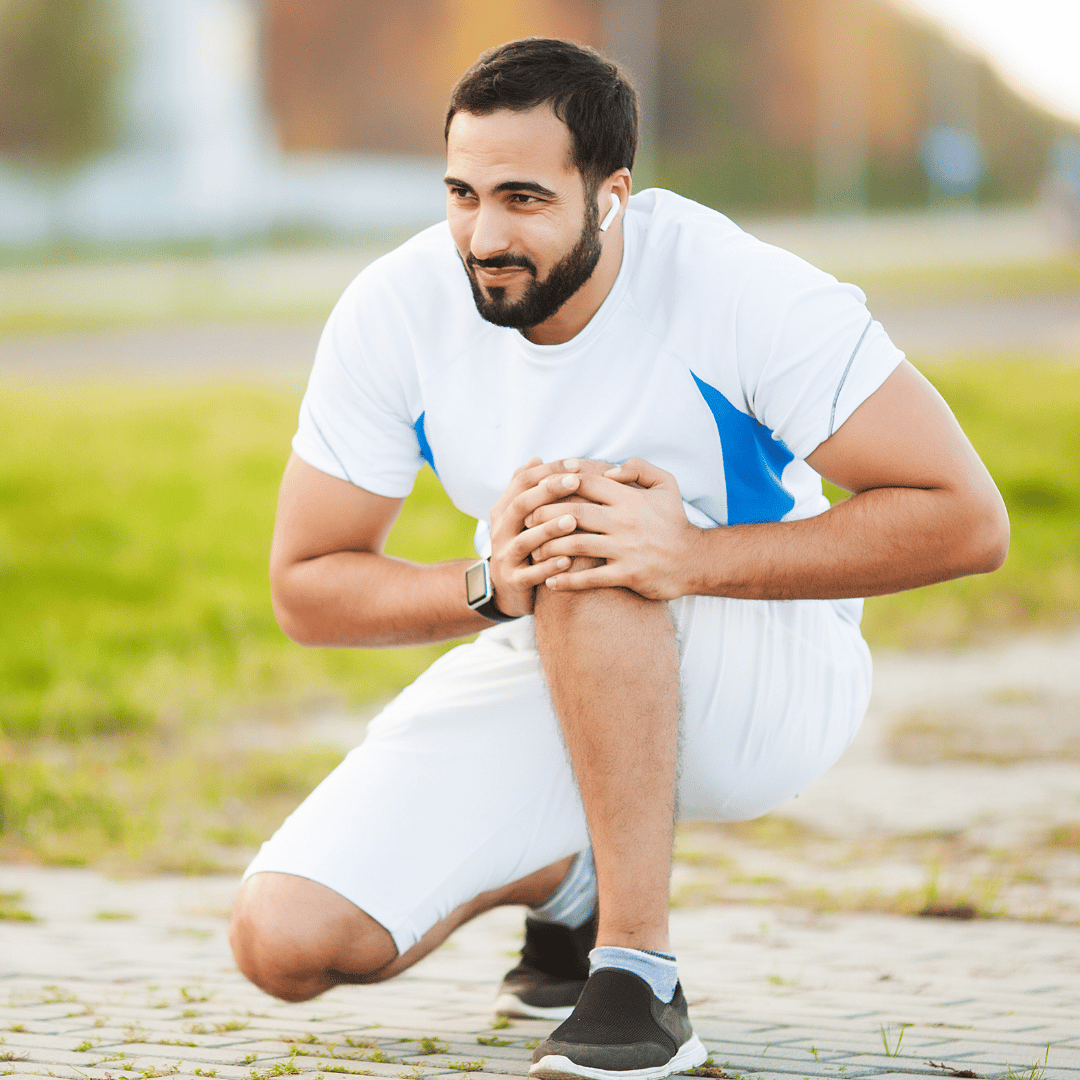
The modern weekend warrior is passionate about staying active, often dedicating their weekends to high-intensity sports like soccer, basketball, and skiing. Unfortunately, this enthusiasm sometimes leads to complex joint injuries, making the demand for orthopedic surgery in Tijuana Mexico surge dramatically. For many uninsured or underinsured athletes in North America, the skyrocketing costs of local healthcare have created a formidable barrier to returning to the sports they love. As a result, cross-border medical travel has transformed from a niche concept into a mainstream healthcare solution.
Choosing to pursue ACL reconstruction in Tijuana Mexico allows patients to access world-class surgical interventions without facing financial ruin. The city has positioned itself as a premier destination for orthopedic care, blending modern medical technology with highly experienced surgical teams. Active adults are increasingly discovering that they can receive timely, effective treatment just across the border, bypassing long waitlists and prohibitive domestic medical bills while focusing entirely on their recovery journey.
According to orthopedic research, over 200,000 ACL injuries occur annually in the United States alone. A significant percentage of these injuries affect amateur athletes, driving the global demand for accessible ligament repair solutions.
2. Understanding the Anatomy: Why Knee Surgery in Tijuana Mexico is in Demand
The anterior cruciate ligament (ACL) is a crucial band of tissue that connects the thigh bone to the shinbone, providing vital rotational stability to the knee. When an athlete pivots suddenly or lands awkwardly from a jump, this ligament can stretch beyond its capacity and tear. Because the ACL typically lacks a robust blood supply, a complete tear generally cannot heal on its own and requires surgical intervention to restore joint function. This anatomical reality makes affordable knee surgery in Mexico an attractive option for those needing complex reconstruction.
During the procedure, surgeons replace the damaged ligament with a tissue graft, which acts as a scaffold for new ligament tissue to grow upon. The intricate nature of the knee joint demands precision, advanced imaging, and specialized surgical skill. The growing reputation of border cities for delivering excellent outcomes in sports medicine has made medical tourism in Tijuana a highly sought-after pathway for restoring structural integrity to damaged knees.
The knee is the largest and most complex joint in the human body. Because of its complex hinge mechanism, a compromised ACL forces other parts of the knee, like the meniscus, to absorb abnormal stress, which can lead to further damage if left untreated.
3. Who is a Candidate for Affordable ACL Surgery in Tijuana?
Not every knee injury automatically requires an invasive surgical procedure, and determining candidacy is a highly individualized process. Generally, orthopedic specialists recommend surgery for active individuals who wish to return to sports that involve jumping, cutting, or pivoting. Patients experiencing chronic knee instability—often described as the knee "giving out" during daily activities—are also primary candidates. Seeking an orthopedic consultation in Tijuana helps clarify whether conservative treatments like physical therapy might suffice or if surgery is imperative.
An ideal candidate is typically someone in good general health, committed to a rigorous postoperative rehabilitation program, and free from active joint infections. Furthermore, patients with concurrent injuries, such as a torn meniscus or damaged cartilage, often benefit from a comprehensive surgical approach to address all issues simultaneously. The decision to pursue knee ligament repair abroad requires careful consideration of the patient's lifestyle goals and willingness to follow strict medical guidelines.
- Active Lifestyle Goals: Individuals aiming to return to high-demand athletic activities.
- Significant Instability: Patients whose knees buckle during everyday tasks like walking downstairs.
- Combined Injuries: Cases where the ACL tear is accompanied by meniscus tears or other ligament damage.
- Failed Conservative Care: Patients who have not regained sufficient stability through dedicated physical therapy.
- Commitment to Rehab: Individuals who understand that surgery is only the first step and are dedicated to months of postoperative therapy.
4. Cost Comparison: ACL Reconstruction Cost in Tijuana vs. The US and Canada
Financial accessibility remains the driving force behind the influx of patients seeking medical treatments in Mexico. In the United States and Canada, the cost of orthopedic surgery can be astronomical, especially for those with high deductibles or limited insurance coverage. The out-of-pocket expenses for facility fees, anesthesia, the surgical procedure, and necessary grafts quickly accumulate, making the financial burden overwhelming. By contrast, the ACL surgery cost in Tijuana is structured to be transparent and comprehensive, often encompassing all major surgical expenses in a single package.
This stark price difference does not imply a compromise in the quality of care or the materials used during the procedure. The lower operational costs, favorable exchange rates, and reduced administrative overhead in Mexico allow top-tier medical facilities to offer significant savings. Patients traveling for affordable ACL reconstruction in Tijuana Mexico often find they can save up to 70% compared to domestic prices, freeing up resources to invest in premium physical therapy upon their return home.
| Procedure Name | Average Cost in Tijuana Mexico | Average Cost in the US / Canada |
|---|---|---|
| Standard ACL Reconstruction (Autograft) | $4,500 - $5,500 | $15,000 - $25,000+ |
| ACL Reconstruction with Allograft (Donor Tissue) | $5,000 - $6,500 | $18,000 - $30,000+ |
| ACL Reconstruction with Meniscus Repair | $5,500 - $7,000 | $20,000 - $35,000+ |
| Revision ACL Surgery (Secondary Repair) | $6,500 - $8,000 | $25,000 - $45,000+ |
5. Surgical Techniques for Orthopedic Surgery in Tijuana Mexico
Advancements in medical technology have refined the way surgeons approach ligament repair, moving away from large open incisions toward minimally invasive arthroscopic techniques. During an arthroscopic knee surgery in Mexico, the surgeon makes small punctures around the joint to insert a tiny camera and specialized instruments. This approach minimizes damage to surrounding healthy tissue, typically resulting in less postoperative pain and a more cosmetically appealing scar. Patients benefit greatly from these modern methodologies which are considered the gold standard worldwide.
A critical component of the surgery is the selection of the graft used to replace the torn ligament. The two primary categories are autografts, which utilize tissue from the patient's own body (like the hamstring or patellar tendon), and allografts, which utilize processed donor tissue. The specific technique and graft chosen for your cross-border orthopedic procedure will depend heavily on your age, specific anatomical factors, and your desired level of postoperative activity.
Autografts are frequently recommended for younger, highly active athletes because they generally integrate into the bone tunnels faster and have a lower theoretical risk of graft rejection compared to donor tissues.
6. The Diagnostic Process Before Your Knee Repair in Mexico
A successful surgical outcome begins long before the first incision is made; it starts with an accurate, comprehensive diagnostic evaluation. Patients pursuing medical tourism in Tijuana Mexico are typically required to provide high-resolution MRI scans prior to their arrival. This imaging allows the international orthopedic team to meticulously plan the procedure, assessing the exact location of the tear and checking for associated injuries to the cartilage or meniscus. Without this precise internal mapping, preparing for surgery would be impossible.
In addition to advanced imaging, a thorough physical examination and a review of the patient’s medical history are mandatory. This phase ensures that the patient is medically cleared for anesthesia and that any underlying conditions are properly managed. Transparent communication between the patient's local primary care physician and the Tijuana orthopedic clinic is vital to coordinate safe, effective, and seamless cross-border healthcare.
Always request your medical records, MRI discs, and radiology reports from your home clinic well in advance. Bringing physical and digital copies with you ensures your international surgical team has all the necessary diagnostic data upon your arrival.
7. What to Expect During the Cross-Border Orthopedic Procedure
Understanding the flow of the surgical day helps alleviate the anxiety naturally associated with undergoing a major procedure in a foreign country. On the day of your ACL reconstruction in Tijuana Mexico, you will be admitted to the hospital and prepped by the nursing staff, which includes consultations with the anesthesiologist and the lead surgeon. Most knee ligament surgeries are performed under general anesthesia or regional anesthesia (like an epidural), ensuring you are completely comfortable and pain-free during the operation.
The surgery itself typically takes between one to two hours, depending on whether additional meniscus repairs are required. Once the graft is securely anchored in place using bio-absorbable or metallic screws, the small incisions are closed, and the knee is stabilized with a brace. Following the completion of the orthopedic surgery abroad, you will be transferred to a dedicated recovery room where medical staff will monitor your vitals closely as you wake up from the anesthesia.
Many modern surgical screws used to hold the ACL graft in place are made from bio-composite materials. These advanced screws are designed to gradually dissolve and be replaced by your body's natural bone over a period of several years.
8. Recovery Timeline After Ligament Reconstruction in Tijuana
The initial recovery phase focuses on managing pain, reducing swelling, and safely mobilizing the joint. After your knee surgery in Mexico, you can generally expect to spend one to two nights in the hospital, followed by a few days resting in a nearby comfortable setting before traveling home. During these first few days, you will rely heavily on crutches and a specialized knee brace to keep the joint immobilized and protected from unintended weight-bearing stresses.
The timeline for full recovery is a marathon, not a sprint, and requires profound patience. While patients usually transition off crutches within the first few weeks, the internal healing of the graft takes many months. Adhering strictly to the recovery protocol outlined by your Tijuana orthopedic specialist is critical to preventing early graft failure and ensuring the knee heals properly.
- Weeks 1-2: Focus on pain management, swelling reduction, and regaining basic range of motion. Crutches are mandatory.
- Weeks 3-6: Gradual weaning off crutches. Focus on achieving full knee extension and improving walking mechanics.
- Months 2-3: Introduction of light resistance exercises and stationary cycling to rebuild muscle atrophy in the thigh.
- Months 4-6: Progression to light jogging and more dynamic balance training under the guidance of a physical therapist.
- Months 9-12+: Potential clearance for return to pivoting and high-impact sports, provided strength and stability metrics are met.
9. Rehabilitation and Physical Therapy Post-Surgery
The surgical procedure is only half of the journey; the success of your ACL reconstruction in Tijuana Mexico relies heavily on rigorous postoperative physical therapy. A newly implanted graft is highly vulnerable during the first few months as it undergoes a biological process called "ligamentization," where the body remodels the tissue. During this crucial window, a structured physical therapy program helps safely restore range of motion while simultaneously protecting the healing graft from excessive strain.
Patients engaging in medical travel for orthopedic care must have a concrete plan to continue their rehabilitation once they return to their home country. Establishing a relationship with a local physical therapist before you travel ensures a seamless transition of care. Your international surgical team will generally provide a detailed, phased protocol that your local therapist can follow to optimize your recovery and ensure you regain the strength necessary for an active lifestyle.
Clinical studies indicate that patients who strictly adhere to a 9-to-12-month supervised physical therapy program post-ACL surgery have up to an 85% higher success rate in safely returning to their pre-injury level of sports activity.
10. Navigating Medical Tourism in Tijuana Mexico Safely
Traveling across international borders for medical care requires meticulous logistical planning and a focus on personal safety. The proximity of border cities to major North American hubs makes medical tourism in Tijuana Mexico highly accessible, but patients must carefully coordinate their travel, border crossings, and post-surgery logistics. It is essential to ensure you possess a valid passport and understand the specific entry and exit requirements for medical travelers.
Because you will be traveling shortly after major knee surgery, comfort during transit is paramount. Opting for a vehicle with ample legroom to keep your leg elevated is crucial to minimize the risk of dangerous blood clots and excess swelling. Proper planning minimizes travel-related stress, allowing you to focus entirely on the success of your cross-border knee procedure.
Inquire if your chosen facility offers a medical border pass (Fastlane pass). These passes can drastically reduce wait times at the border crossing, making your journey back home much more comfortable post-surgery.
11. Evaluating Quality and Accreditation for Healthcare in Tijuana
A primary concern for anyone considering healthcare abroad is ensuring the quality and safety of the medical facility. When seeking high-quality orthopedic surgery in Mexico, patients must proactively research hospital accreditations and surgeon credentials. Reputable medical centers often hold certifications from recognized international bodies, such as the Joint Commission International (JCI), or stringent national accreditations like the Consejo de Salubridad General (CSG).
Furthermore, evaluating the individual expertise of the surgeon is just as critical as checking hospital credentials. Many top specialists providing ACL reconstruction in Tijuana Mexico are members of prestigious international medical societies, and frequently pursue fellowships or advanced training in North America or Europe. Verifying these credentials helps guarantee that you are entrusting your joint health to a highly qualified professional.
Many private hospitals catering to international patients in border cities mirror the exact technological infrastructure found in top US hospitals, utilizing the same brands of MRI machines, arthroscopic cameras, and sterilization equipment.
12. Risk Factors and Considerations for Knee Surgery Abroad
All surgical interventions, regardless of where they are performed in the world, carry inherent medical risks that must be carefully evaluated. Complications from knee ligament surgery can include surgical site infections, adverse reactions to anesthesia, deep vein thrombosis (blood clots), or persistent joint stiffness. While these complications are generally rare in healthy individuals, factors like age, weight, and adherence to postoperative instructions significantly influence the outcome.
Another specific risk is graft failure, where the new ligament tears or stretches out over time. This typically occurs due to premature return to sports or improper physical therapy techniques. Patients undertaking medical tourism in Tijuana must have honest conversations with their surgical team about these risks and clearly understand the protocols for handling emergency medical situations once they return home.
Traveling by car or plane shortly after orthopedic surgery increases the risk of Deep Vein Thrombosis (DVT). You must follow your surgeon's specific guidelines regarding blood-thinning medications, compression stockings, and mandatory mobility breaks during your journey home.
13. Real Patient Experiences: Medical Travel to Tijuana Mexico
Hearing directly from individuals who have navigated the process can provide immense comfort and clarity for those considering overseas treatment. Patient stories highlight the practical realities of pursuing ACL reconstruction in Tijuana Mexico, from the initial consultation to navigating the border and managing recovery. These experiences often underscore the professionalism of the medical staff and the profound financial relief associated with the journey.
While every medical journey is deeply personal, recognizing common threads in these narratives helps manage expectations. Analyzing real-life accounts of orthopedic medical travel to Mexico allows prospective patients to make highly informed decisions based on the lived experiences of their peers.
Mark's Soccer Comeback
After tearing my ACL in a weekend soccer league, the $18,000 quote I received locally was devastating. Traveling across the border allowed me to receive a top-tier autograft procedure for a fraction of the price. The medical team was incredibly professional, and nine months later, I am back on the pitch.
Sarah's Seamless Experience
As an avid skier, a blown knee felt like the end of my passion. I was nervous about going abroad, but the facility was pristine, and my surgeon communicated perfectly in English. The attention to detail during my diagnostic phase was better than what I experienced at home.
David's Meniscus and ACL Repair
I had a complicated injury requiring both ACL and meniscus work. The comprehensive pricing structure I found down south meant I didn't face surprise bills for the extra time in the operating room. The physical therapy guidelines they sent home with me were incredibly detailed.
Elena's Financial Relief
Without health insurance, I simply couldn't afford the surgery in California. The process of getting care just across the border was surprisingly smooth. Using the medical border pass made the trip home stress-free, and my knee feels incredibly stable again.
14. How PlacidWay Assists Your ACL Reconstruction Medical Tourism Journey in Tijuana Mexico
Coordinating an international surgical procedure can feel overwhelming, especially when trying to manage your health simultaneously. PlacidWay acts as a critical bridge, empowering patients to make confident, well-informed decisions regarding their medical tourism in Tijuana Mexico. By streamlining the research and connection phase, patients can focus their energy on preparing for surgery rather than getting lost in complex logistics.
Our platform is dedicated to transparency, patient education, and facilitating access to reputable global healthcare providers. When you utilize PlacidWay to explore your options for ACL reconstruction abroad, you benefit from structured guidance designed to simplify your medical journey from the initial inquiry to the final connection with a medical provider.
- Providing comprehensive profiles of internationally accredited medical centers and certified orthopedic specialists.
- Facilitating direct communication channels between patients and top-tier surgical teams for virtual consultations.
- Assisting in the secure transfer of necessary diagnostic medical records and MRI imaging for pre-surgical evaluation.
- Offering detailed, transparent cost estimates to help patients effectively budget for their cross-border procedure.
- Delivering educational resources that help patients understand surgical techniques, risks, and recovery protocols.
Frequently Asked Questions (FAQ)
How much does ACL surgery cost in Tijuana?
The cost of ACL surgery in Tijuana typically ranges from $4,000 to $6,000, depending on the complexity of the procedure and graft type. This represents a significant savings compared to prices in the United States or Canada.
Is it safe to get orthopedic surgery in Mexico?
Yes, many modern medical facilities in Mexico adhere to rigorous international safety and hygiene standards. Patients should always verify hospital accreditations and surgeon board certifications before proceeding.
How long do I need to stay in Tijuana after knee surgery?
Patients are generally advised to stay in Tijuana for 3 to 5 days following the procedure. This allows the medical team to monitor initial healing, manage pain, and clear you for travel.
What type of graft is best for ACL reconstruction?
The choice between an autograft (your own tissue) and an allograft (donor tissue) depends on your age, activity level, and medical history. Your orthopedic specialist will discuss the best option during your consultation.
Can I cross the border easily after knee surgery?
Many patients utilize medical border passes provided by their healthcare facility, which generally expedites the crossing process. It is highly recommended to travel in a comfortable vehicle with plenty of legroom.
Do surgeons in Tijuana speak English?
A large percentage of medical professionals catering to international patients in border cities are fully bilingual. Many have even completed fellowships or medical training in the United States.
Will I need physical therapy after returning home?
Yes, extensive physical therapy is a mandatory component of ACL recovery. You must arrange for a local physical therapist to continue your rehabilitation protocol upon returning to your home country.
How do I transfer my medical records across the border?
Your local doctor can usually provide digital copies of your MRI scans and medical history on a disc or secure cloud link. These should be shared with your international surgeon well before your scheduled procedure.
Are donor grafts safe to use in Mexico?
Reputable facilities source their allografts from highly regulated, certified tissue banks that screen rigorously for infectious diseases. You can request documentation regarding the source of the tissue prior to your surgery.
When can I return to sports after ACL reconstruction?
Returning to high-impact sports typically requires 9 to 12 months of dedicated rehabilitation and healing. Your local physical therapist and surgeon must clear you before resuming competitive athletic activities.
Ready to take the first step toward restoring your mobility and getting back in the game? Contact PlacidWay today to explore your options for affordable, high-quality ACL reconstruction in Tijuana Mexico.
Medical Disclaimer: This article is for informational purposes only and is not medical advice. Always consult a qualified healthcare provider before any medical decisions. Results may vary. Read Full Disclaimer here.
References
- American Academy of Orthopaedic Surgeons (AAOS). ACL Injury: Does It Require Surgery? https://orthoinfo.aaos.org/en/treatment/acl-injury-does-it-require-surgery/
- Mayo Clinic. ACL Reconstruction - Overview. https://www.mayoclinic.org/tests-procedures/acl-reconstruction/about/pac-20384598
- Centers for Disease Control and Prevention (CDC). Medical Tourism: Travel to Another Country for Medical Care. https://wwwnc.cdc.gov/travel/page/medical-tourism
- Johns Hopkins Medicine. Anterior Cruciate Ligament (ACL) Injuries. https://www.hopkinsmedicine.org/health/conditions-and-diseases/ligament-injuries-to-the-knee
- National Institutes of Health (NIH) - PubMed. Outcomes of Anterior Cruciate Ligament Reconstruction. https://pmc.ncbi.nlm.nih.gov/articles/PMC13008449/



.png)










Share this listing