
For decades, US collegiate athletes have faced immense pressure to return to their respective sports quickly after suffering debilitating knee injuries. The standard rehabilitation protocols can be notoriously long, often sidelining promising competitors for an entire season or more. Because of these demanding timelines, many competitive players are now exploring advanced sports medicine in Tijuana to safely expedite their healing process. This cross-border destination has rapidly evolved into a sophisticated medical hub specifically tailored to athletic rehabilitation.
By leveraging specialized therapeutic approaches, athletes seeking accelerated ACL recovery find comprehensive care that integrates surgery, immediate physical therapy, and nutritional support. The medical teams across the border understand the unique anatomical and physiological needs of high-performance individuals. Most patients experience a highly structured, multidisciplinary approach that carefully balances aggressive rehabilitation with the body's natural healing limits. Consequently, ACL surgery in Mexico is becoming a strategic choice for athletes looking to reclaim their competitive edge.
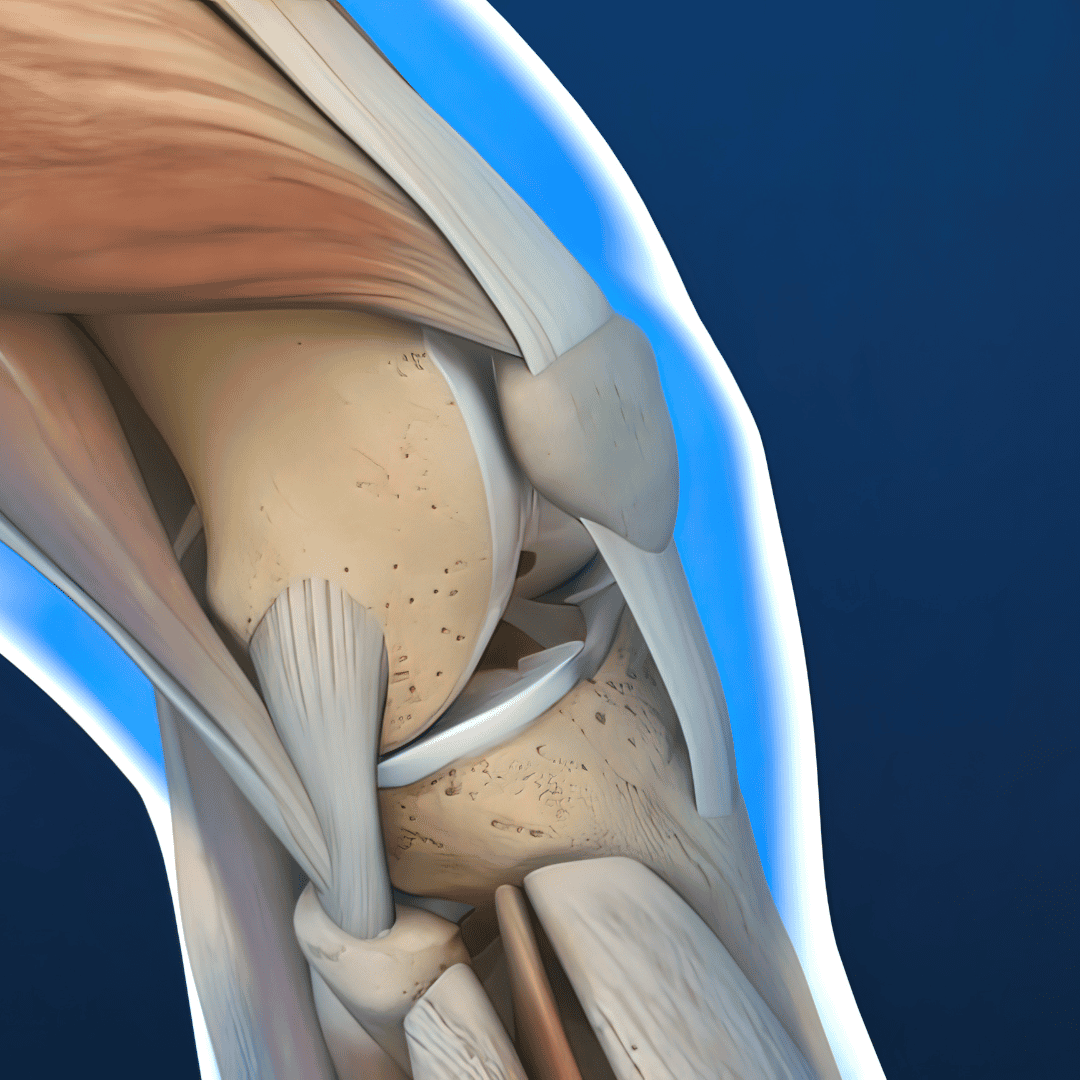
The anterior cruciate ligament (ACL) is one of the key ligaments that help stabilize your knee joint. Injuries to this ligament are highly prevalent in sports that involve sudden stops, jumping, or rapid changes in direction.
Why US Collegiate Athletes Choose Sports Medicine in Tijuana
Location plays a critical role in the decision-making process for athletes requiring complex orthopedic interventions. Situated just minutes from the US border, Tijuana offers unparalleled convenience for patients traveling from major collegiate sports powerhouses across America. This proximity drastically reduces the physical strain of long-haul travel, which is a vital consideration for individuals suffering from acute knee trauma. Furthermore, the accessibility allows athletes to easily return for specialized follow-up care without missing extensive classroom or team commitments.
Beyond geographical convenience, the concentration of dedicated athletic medical facilities sets this region apart from traditional healthcare destinations. The local infrastructure heavily supports medical tourism in Mexico, fostering environments where sports psychologists, orthopedic surgeons, and physical therapists collaborate seamlessly. These institutions specifically focus on restoring explosive athletic function rather than simply returning a patient to standard daily activities. As a result, orthopedic clinics in Mexico provide an elite level of integrated care that collegiate athletes often struggle to afford back home.
Studies suggest that collegiate athletes account for a significant portion of the estimated 100,000 to 200,000 ACL ruptures that occur annually in the United States, driving the high demand for specialized sports medicine.
Advanced Orthopedic Technology for ACL Surgery in Mexico
Modern surgical precision is entirely dependent on the quality of technology available in the operating room. Top-tier medical institutions south of the border are equipped with state-of-the-art arthroscopic visualization systems and advanced robotic-assisted surgical tools. These cutting-edge instruments allow surgeons to perform minimally invasive procedures that generally result in smaller incisions and reduced damage to surrounding tissues. For collegiate athletes, this technological advantage translates directly into less post-operative pain and a smoother initial healing phase.
Moreover, the integration of advanced diagnostic software helps specialists precisely plan the placement of grafts during ACL surgery in Mexico. Customizing the surgical approach based on 3D anatomical modeling significantly enhances the long-term stability of the knee joint. This meticulous attention to mechanical detail is crucial for athletes who routinely subject their joints to extreme rotational forces. Consequently, the high standard of technology found in these specialized centers rivals, and occasionally surpasses, what is typically available in standard regional hospitals.
Arthroscopic surgery, the standard technique for ACL reconstruction, uses a tiny camera called an arthroscope. This allows the surgeon to view the inside of the knee on a monitor, resulting in minimal scarring and quicker recovery times.
Analyzing the Affordable Cost of ACL Surgery in Mexico
The financial burden of major orthopedic procedures in the United States can be overwhelming for student-athletes and their families. High deductibles, out-of-network physical therapy costs, and expensive diagnostic imaging often create an insurmountable barrier to receiving elite-level care. By contrast, seeking affordable ACL reconstruction abroad offers a financially viable alternative without compromising the quality of medical expertise. The overall cost of ACL surgery in Mexico is generally significantly lower due to different economic structures and reduced administrative overhead.
When comparing international healthcare expenses, transparency is a major factor that draws patients to cross-border medical travel. Reputable clinics typically offer comprehensive packages that bundle the surgeon's fee, anesthesia, facility charges, and initial physical therapy sessions into one clear price. This consolidated pricing model allows families to budget effectively without fearing unexpected post-surgical medical bills. Below is a detailed comparison illustrating the typical market ranges for these procedures.
| Procedure Name | Average Cost in Mexico | Average Cost in the US |
|---|---|---|
| Standard ACL Reconstruction (Autograft) | $4,500 - $6,500 | $20,000 - $40,000 |
| Complex ACL Repair with Allograft | $5,500 - $7,500 | $25,000 - $45,000 |
| ACL Surgery + Meniscus Repair | $6,000 - $8,500 | $30,000 - $50,000 |
The Specialized Rehabilitation Process for ACL Repair in Mexico
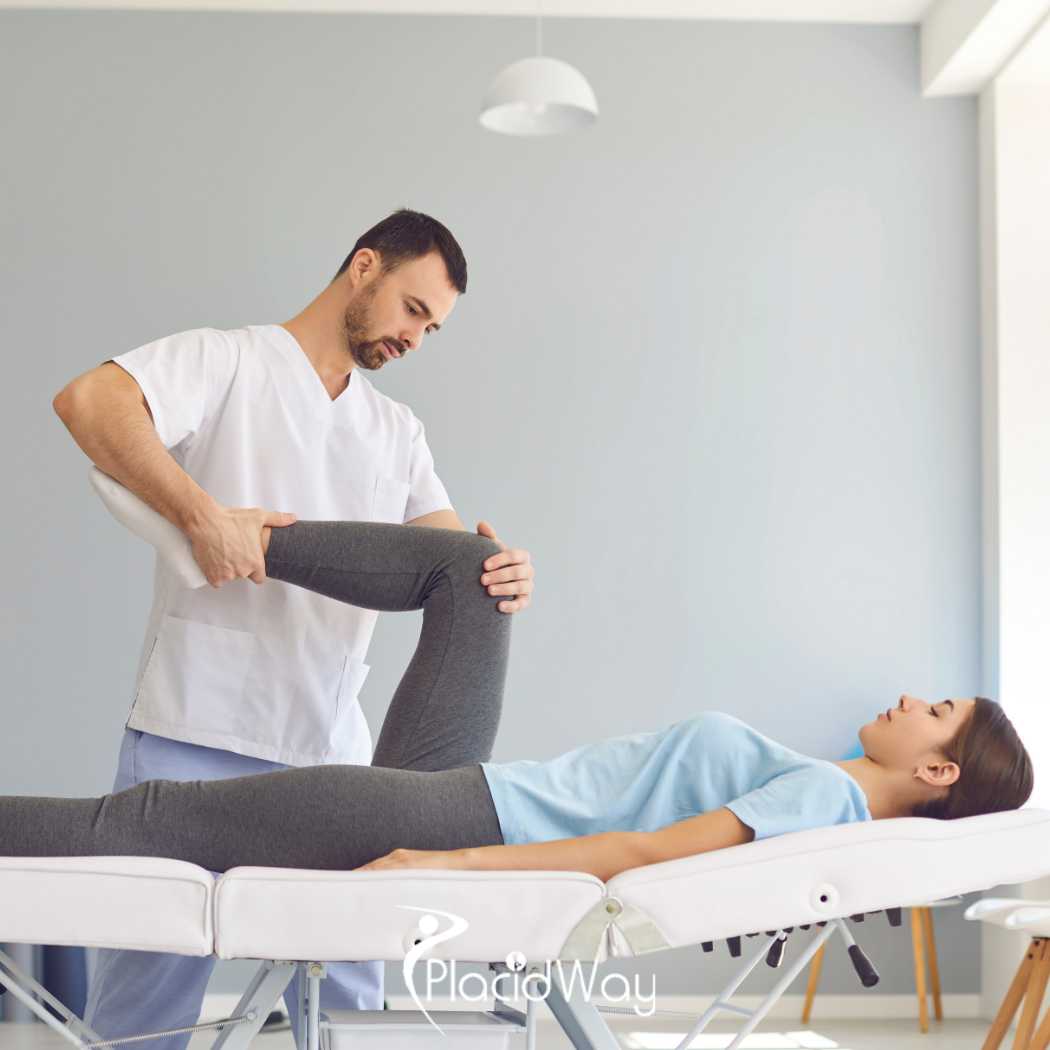
Surgery is only the first critical step in an athlete's journey back to the playing field. The hallmark of exceptional sports medicine in Tijuana is the immediate and intensive integration of postoperative rehabilitation protocols. Physical therapists begin working with patients within hours of the procedure to safely promote blood flow and prevent severe joint stiffness. This proactive approach is fundamental to achieving the goals associated with accelerated ACL recovery.
Rehabilitation facilities catering to medical tourists are frequently equipped with advanced hydrotherapy pools, anti-gravity treadmills, and specialized biomechanical tracking sensors. These tools allow therapists to meticulously monitor an athlete's gait, weight distribution, and muscle activation patterns during recovery. By utilizing data-driven physical therapy, specialists can generally adjust recovery programs daily to match the patient's real-time progression safely. Most patients experience a highly supportive environment that keeps them mentally engaged and physically motivated throughout the grueling rehabilitation process.
Testimonial: Regaining Athletic Confidence
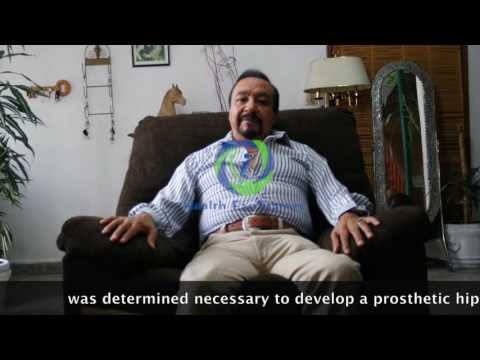
"After tearing my ACL during a college tournament, I was devastated by the projected timeline for recovery back home. I traveled south for my procedure, and the immediate integration of specialized physical therapy made a world of difference. The dedicated sports rehab team helped me regain my strength safely, and I felt completely supported every single day." – Michael T., Collegiate Soccer Player
Comparing Recovery Timelines: ACL Treatment in Mexico vs. the US
Traditional recovery timelines for ligament reconstruction in the United States generally span anywhere from nine to twelve months before an athlete is cleared for contact sports. This conservative approach is standard practice and prioritizes long-term joint safety for the general population. However, specialized orthopedic clinics in Mexico often utilize aggressive, sports-specific protocols designed to optimize tissue healing at an accelerated pace. By combining hyperbaric oxygen therapy and targeted nutrition, these centers aim to safely shorten the clinical timeline.
It is important to understand that an accelerated timeline does not mean skipping crucial biological healing phases. The focus remains strictly on reducing early inflammation and preventing muscle atrophy so that the athlete can transition to functional training sooner. While many athletes hope for a drastically reduced timeline, returning to competitive play typically requires passing rigorous biomechanical testing. The ultimate goal of knee surgery in Tijuana is to ensure the reconstructed knee is objectively as strong, if not stronger, than before the injury.
While accelerated protocols are designed to safely speed up rehabilitation, patients must strictly adhere to their surgeon's guidelines. Rushing back into high-impact sports before the graft has fully integrated biologically can significantly increase the risk of a secondary rupture.
Safety and Quality Standards for Orthopedic Surgery in Mexico
Safety is understandably the primary concern for any collegiate athlete considering traveling abroad for an invasive medical procedure. Reputable centers focused on medical tourism in Mexico frequently maintain rigorous accreditations from international healthcare organizations to ensure patient safety. These elite facilities adhere strictly to standardized sterilization protocols, advanced infection control measures, and comprehensive surgical safety checklists. Most patients experience a level of clinical hygiene and professional oversight that mirrors top-tier hospitals globally.
Furthermore, many orthopedic specialists practicing in these advanced border clinics have undergone extensive fellowship training in the United States or Europe. They are often active members of prestigious international sports medicine societies and regularly participate in global medical conferences. This continuous professional development ensures that the surgical techniques utilized for ACL surgery in Mexico remain at the forefront of modern orthopedic science. Consequently, patients generally receive evidence-based care delivered by highly vetted, board-certified medical professionals.
Always ask potential international clinics about their specific accreditation status and the board certifications of their surgical team. Verifying credentials through independent international medical boards is a crucial step in ensuring your safety.
How Medical Tourism in Mexico Caters to Competitive Athletes
The landscape of global healthcare travel has shifted dramatically to accommodate the highly specific needs of specialized patient demographics. Clinics providing sports medicine in Tijuana have developed comprehensive concierge services tailored explicitly for young, competitive athletes and their support systems. From specialized nutritional catering to on-site sports psychologists, these programs address both the physical and mental toll of severe injuries. This holistic focus helps athletes maintain a competitive mindset even while they are physically sidelined.
Moreover, the supportive environment curated by these specialized hubs actively fosters camaraderie among recovering athletes from various sporting backgrounds. Being surrounded by peers who are navigating similar physical challenges can profoundly impact a patient's overall motivation and mental well-being. By combining world-class affordable ACL reconstruction with a deeply supportive athletic community, these destinations provide an unparalleled recovery experience. This unique ecosystem is a primary reason why collegiate athletes increasingly favor cross-border medical travel over isolated local rehabilitation.
Testimonial: A Community of Healing
"Being away from my team was the hardest part of tearing my knee ligament. When I chose to have my procedure done abroad, I was surprised to find myself rehabbing alongside other athletes. The competitive but supportive atmosphere at the clinic pushed me to work harder safely every single day." – Sarah J., Division I Basketball Player
Comprehensive Diagnostic Services for Knee Injuries in Tijuana
Accurate diagnostics are the foundational cornerstone of any successful surgical intervention and subsequent rehabilitation protocol. Facilities specializing in knee surgery in Tijuana invest heavily in the latest generation of magnetic resonance imaging (MRI) and digital radiography. These high-resolution imaging tools allow surgeons to meticulously assess not only the torn ligament but also associated cartilage or meniscal damage. Having a complete, precise picture of the joint architecture is essential for planning a durable, long-lasting surgical repair.
Beyond traditional static imaging, advanced sports clinics often utilize dynamic ultrasound and functional biomechanical assessments to evaluate joint stability. This comprehensive diagnostic approach generally ensures that no subtle secondary injuries are overlooked during the initial evaluation phase. By thoroughly mapping the extent of the trauma prior to ACL surgery in Mexico, the surgical team can precisely tailor their operative strategy. This rigorous attention to preoperative detail typically leads to more predictable and successful outcomes for high-performance athletes.
It is very common for an ACL tear to occur simultaneously with a torn meniscus or damage to the medial collateral ligament (MCL). This is often referred to in sports medicine as the "unhappy triad," requiring highly comprehensive surgical planning.
Regenerative Medicine Complementing ACL Surgery in Tijuana
The pursuit of optimized tissue healing has led many specialized sports clinics to integrate regenerative therapies alongside traditional surgical methods. Techniques such as Platelet-Rich Plasma (PRP) therapy are increasingly utilized as complementary treatments during accelerated ACL recovery programs. These advanced therapies aim to harness the body's natural growth factors, potentially reducing postoperative inflammation and encouraging robust cellular repair. While research is ongoing, many sports specialists believe these adjunct therapies offer athletes an enhanced environment for graft healing.
It is important for patients to consult extensively with their medical providers regarding the integration of regenerative medicine into their care plan. These treatments are generally used strictly as supportive measures rather than replacements for fundamental structural repair. Leading orthopedic clinics in Mexico maintain strict ethical guidelines regarding the cautious application of these biological therapies. Most patients experience these complementary options as part of a highly customized, multidisciplinary approach designed to safely maximize their physiological recovery potential.
Testimonial: An Integrated Approach to Healing
"I was intrigued by the supplementary therapies offered alongside my surgical repair. My doctor clearly explained how complementary treatments could support my primary surgery without making unrealistic promises. The combination of expert surgical skill and holistic recovery methods gave me immense peace of mind." – David R., Track and Field Athlete
Preparing for Your Orthopedic Procedure in Mexico
Proper preparation is absolutely vital for ensuring a smooth medical travel experience and an optimal surgical outcome. Before traveling for medical tourism in Mexico, athletes must undergo comprehensive preoperative medical clearances in their home country. This typically involves extensive blood work, electrocardiograms (EKGs), and thorough consultations to ensure the patient is physically robust enough for anesthesia. Compiling a detailed, easily accessible portfolio of all previous medical records and imaging is crucial for the international medical team.
Logistical preparation is just as important as medical readiness when planning a cross-border healthcare journey. Patients seeking affordable ACL reconstruction should clearly establish communication channels between their domestic primary care physician and their international surgical team. Understanding the detailed itinerary, border crossing requirements, and immediate postoperative arrangements helps alleviate unnecessary travel-related anxiety. Being thoroughly prepared allows the athlete to focus their mental energy entirely on the upcoming procedure and the demanding rehabilitation ahead.
Create a secure digital folder containing your MRI scans, medical history, and physical therapy records to share with your international specialists. Having digital copies ensures your surgical team has instant access to your complete health profile.
Post-Operative Care and Follow-up for ACL Patients in Mexico
The continuity of medical care is a fundamental component of achieving long-term success following complex joint reconstruction. Reputable centers offering knee surgery in Tijuana prioritize highly structured postoperative follow-up protocols for their international patients. Before returning home, athletes generally undergo thorough evaluations to ensure wound stability, proper graft fixation, and safe initial mobility. The surgical team typically provides exhaustive documentation outlining specific physical therapy milestones required for the upcoming months.
Modern telemedicine has completely revolutionized how cross-border medical specialists monitor their patients' long-term progress. Through secure video consultations, the surgeons and rehabilitation specialists who facilitated the accelerated ACL recovery can regularly review the athlete's functional milestones. This ongoing digital relationship ensures that any minor complications or rehabilitation plateaus are addressed immediately, regardless of geographic distance. Consequently, patients generally feel highly supported by their international medical team throughout the entirety of their recovery journey.
Testimonial: Connected Across the Border
"My biggest fear was that once I flew home, I would be left to figure out my physical therapy alone. Fortunately, my international surgeon scheduled regular video check-ins to monitor my knee extension and flexion. That continuous level of care made my transition back to my university's training room incredibly smooth." – Marcus L., Collegiate Football Player
How PlacidWay Assists Your ACL Surgery Medical Tourism Journey in Mexico
Navigating the complexities of international healthcare requires expert guidance, especially when dealing with critical sports injuries. PlacidWay serves as a premier medical tourism facilitator, connecting individuals with highly vetted global healthcare providers. Through comprehensive resources and dedicated support, patients can confidently explore options for ACL surgery in Mexico. The platform is designed specifically to simplify the intricate process of identifying and coordinating care with top-tier international medical professionals.
Understanding that every patient's medical needs and financial parameters are unique is a core philosophy of the service. PlacidWay empowers collegiate athletes and their families to make highly informed decisions regarding their orthopedic rehabilitation. By focusing strictly on value-based assistance, the platform ensures that patients can access transparent information regarding the cost of ACL surgery in Mexico. Patients generally experience a streamlined, stress-free organizational process that prioritizes their medical well-being above all else.
- Providing access to profiles of thoroughly vetted, highly credentialed orthopedic surgeons and specialized sports clinics.
- Facilitating direct, secure communication channels between the patient and the international medical providers.
- Supplying transparent, comprehensive details regarding medical package inclusions and overall procedure pricing.
- Offering extensive educational resources to help patients thoroughly understand international medical standards and protocols.
- Assisting in the seamless transfer of vital medical records, diagnostic imaging, and preoperative documentation.
Medical tourism facilitators like PlacidWay advocate for patient safety by continuously evaluating healthcare providers against strict international quality benchmarks.
Frequently Asked Questions About ACL Surgery in Mexico
Making the decision to undergo major orthopedic surgery abroad naturally generates a wide variety of logistical and medical questions. Understanding the fundamental aspects of the procedure, from safety standards to post-operative rehabilitation, is vital for patient confidence. We have compiled a comprehensive list of inquiries frequently raised by athletes considering cross-border medical travel. These answers provide a clearer picture of what to expect during your international healthcare journey.
The specialized focus on athletic recovery in border cities has made these destinations increasingly popular, yet misconceptions still exist. Thoroughly educating yourself on the nuances of international healthcare empowers you to take decisive control of your recovery timeline safely. Below, you will find concise, reliable information addressing the most common concerns regarding sports medicine procedures abroad. Always consult directly with a qualified healthcare provider for answers specific to your individual medical condition.
Is it safe to get ACL surgery in Mexico?
Yes, many modern orthopedic clinics in Mexico maintain stringent international safety standards and employ highly trained surgeons. Most patients experience safe, successful outcomes when they choose board-certified specialists.
How much does ACL surgery in Mexico typically cost?
The cost of ACL surgery in Mexico generally ranges from $4,500 to $7,000, depending on the complexity of the procedure and the specific grafts used. This typically represents a savings of up to 70% compared to US prices.
Why do athletes prefer sports medicine in Tijuana?
Athletes often choose sports medicine in Tijuana because of its close proximity to the US border, advanced specialized facilities, and tailored accelerated recovery programs. These centers focus specifically on returning athletes to peak performance safely.
Do I need a passport for medical tourism in Mexico?
Yes, international patients traveling from the United States or other countries will need a valid passport to cross the border for medical tourism in Mexico. It is always recommended to check current visa and entry requirements before traveling.
What type of graft is used for ACL reconstruction in Mexico?
Orthopedic surgeons in Mexico typically offer various graft options, including autografts (from the patient's own body) and allografts (donor tissue). The choice generally depends on the patient's athletic goals, age, and anatomical needs.
How long should I stay in Mexico after knee surgery?
Most medical professionals recommend staying in the destination country for at least 5 to 7 days post-surgery to monitor early recovery. This allows the surgical team to ensure there are no immediate complications before you travel home.
Are doctors in Mexico board-certified?
Many orthopedic specialists catering to international patients hold rigorous board certifications in Mexico, and some hold dual certifications in the United States or Europe. It is vital to verify the credentials of your chosen medical provider.
Can I receive physical therapy in Mexico after my surgery?
Yes, comprehensive sports medicine hubs typically offer integrated physical therapy programs immediately following the surgical procedure. These specialized rehabilitation sessions are designed to kickstart the accelerated ACL recovery process safely.
Will my US health insurance cover orthopedic clinics in Mexico?
While traditional US health insurance plans generally do not cover international medical procedures, some specialized corporate plans or medical tourism facilitators offer specific coverage options. Patients usually pay out-of-pocket but still save significantly due to lower overall costs.
How do I arrange follow-up care after returning home?
Reputable clinics typically provide detailed post-operative medical records and coordinate with your local primary care physician or physical therapist. Telemedicine consultations are also widely used to monitor your long-term recovery progress remotely.
Ready to explore accelerated ACL recovery with top orthopedic specialists? Contact PlacidWay today to start planning your personalized medical tourism journey.
References
- American Academy of Orthopaedic Surgeons (AAOS). ACL Injury: Does It Require Surgery? https://orthoinfo.aaos.org/en/treatment/acl-injury-does-it-require-surgery/
- Mayo Clinic. ACL Reconstruction - Overview, Risks, and Results. https://www.mayoclinic.org/tests-procedures/acl-reconstruction/about/pac-20384598
- Centers for Disease Control and Prevention (CDC). Medical Tourism: Getting Medical Care in Another Country. https://wwwnc.cdc.gov/travel/page/medical-tourism



.png)
.png)
.png)


.jpg)
.jpg)
.jpg)
.jpg)








Share this listing