



The landscape of reproductive medicine is experiencing a profound transformation, moving away from viewing fertility treatments solely as a remedy for infertility. Today, high-precision PGT-M screening in Bangkok represents a critical medical necessity for families harboring known hereditary mutations. This advanced screening—Preimplantation Genetic Testing for Monogenic disorders—allows couples to identify and prevent the transmission of severe, often life-limiting single-gene diseases to their future children.
As the global awareness of genetic health expands, expectant parents are increasingly unwilling to leave their children’s futures to chance, especially when facing high probability risks. Consequently, medical tourism in Bangkok has surged, as the city has successfully positioned itself as a premier hub for world-class genetic sequencing and embryology. Patients looking to secure their family's health are finding that Southeast Asia offers an unparalleled combination of clinical excellence, specialized genetic expertise, and compassionate patient care.
Over 10,000 human diseases are caused by single-gene mutations. PGT-M allows embryologists to safely identify these specific anomalies at the earliest stage of embryonic development, long before a pregnancy is established.
What Drives the Medical Necessity for PGT-M in Thailand
Families carrying genetic markers for debilitating conditions such as Cystic Fibrosis, Huntington’s Disease, Sickle Cell Anemia, or BRCA mutations face immense emotional and medical burdens. For these couples, conception is fraught with anxiety, transforming genetic testing IVF in Thailand from an elective family-planning choice into an essential preventative healthcare measure. The ability to intercept inherited conditions effectively halts generational cycles of disease and suffering.
Thailand has proactively responded to this international medical demand by investing heavily in genomic infrastructure. Seeking specialized IVF treatments in Bangkok is no longer just about overcoming standard fertility hurdles; it is about accessing highly sophisticated laboratories capable of designing custom genetic probes for ultra-rare family mutations. This level of personalized medicine is a defining factor in why medical travelers place their trust in the region's healthcare system.
Patient Case Summary: The Davis Family
Carriers of the Tay-Sachs gene, the Davis family from the UK sought reproductive assistance abroad to ensure a healthy pregnancy. They chose a specialized laboratory in Southeast Asia, where bespoke PGT-M probes were created specifically for their genetic markers, allowing them to eventually welcome a healthy baby girl.
Who is an Ideal Candidate for PGT-M IVF in Bangkok
The primary candidates for comprehensive genetic testing in Bangkok are individuals or couples who have a confirmed family history of a specific monogenic disorder. Typically, these patients have already undergone peripheral blood genetic carrier screening in their home countries and have been diagnosed as carriers of recessive, dominant, or X-linked mutations. Without intervention, these couples generally face a 25% to 50% chance of passing a devastating illness to their offspring.
Additionally, patients who have previously experienced recurrent pregnancy losses due to known genetic anomalies, or families who have already had a child born with a severe inherited condition, are strong candidates for this pathway. While the emotional weight of these situations is heavy, pursuing targeted embryo screening in Thailand provides a proactive, science-backed approach to mitigating these inherited risks.
PGT-M is highly specific and is not meant to screen for general chromosomal abnormalities (which is done via PGT-A). Furthermore, IVF carries inherent risks, and patients with severe underlying health conditions or critically low ovarian reserve should undergo rigorous medical evaluation before proceeding, as success is never guaranteed.
Affordable PGT-M Screening Cost in Bangkok Compared to the West
The financial barrier to specialized reproductive medicine in Western nations can be insurmountable for average families, often running into the tens of thousands of dollars out-of-pocket. Finding affordable PGT-M screening cost in Bangkok presents a viable lifeline, allowing couples to access life-changing genetic technologies without enduring catastrophic financial debt. Medical institutions in Southeast Asia maintain highly competitive pricing models while adhering to strict international quality standards.
When calculating the investment for medical tourism in Thailand, it is crucial to understand that PGT-M requires custom probe development and highly specialized laboratory work, which adds to the standard IVF baseline. However, even with these advanced customizations, the total expenditure remains significantly lower than comparable treatments in North America or Europe, as illustrated in the market comparison below.
| Procedure / Service Component | Average Cost in Bangkok (USD) | Average Cost in US/UK (USD) |
|---|---|---|
| Standard IVF Cycle (Stimulation & Egg Retrieval) | $4,500 - $6,500 | $12,000 - $18,000 |
| Custom PGT-M Probe Design & Setup | $2,000 - $3,500 | $5,000 - $8,000 |
| Embryo Biopsy & PGT-M Testing (Per Cohort) | $2,500 - $4,000 | $6,000 - $10,000 |
| Estimated Total Treatment Cycle | $9,000 - $14,000 | $23,000 - $36,000+ |
Comprehensive Genetic Testing Packages for Medical Tourists in Bangkok
To streamline the complex nature of cross-border reproductive care, top-tier international hospitals generally curate comprehensive PGT-M IVF packages in Thailand. These integrated bundles are designed to remove logistical friction, encompassing every clinical phase from initial ovarian stimulation protocols to final embryo transfers. Packaging these services not only provides transparent financial forecasting but also ensures seamless continuity of care.
Most inclusive medical packages in Bangkok cover fundamental components such as specialist consultations, ultrasound monitoring, operating theater fees for egg retrieval, standard embryology lab fees (ICSI), the customized PGT-M probe mapping, and the eventual embryo transfer. By integrating these complex phases, medical facilities provide international patients with a structured, predictable roadmap during a highly stressful time.
Always verify what is explicitly excluded from your package. Specialized fertility medications for ovarian stimulation, pre-travel local blood tests, and annual embryo storage fees are often billed separately from the core procedural package.
High-Precision PGT-M Technology and Laboratory Standards in Thailand
The core of successful preimplantation genetics relies entirely on the sophistication of the laboratory. Today, advanced genetic laboratories in Bangkok utilize Next-Generation Sequencing (NGS) and sophisticated Polymerase Chain Reaction (PCR) technologies. These state-of-the-art platforms allow scientists to analyze the DNA of a few extracted trophectoderm cells with extraordinary accuracy, detecting single-gene mutations that are virtually microscopic.
International medical tourists can take comfort in knowing that leading genomic centers in the region strictly adhere to rigorous global quality controls. Facilities performing high-tech embryo screening in Thailand are typically accredited by international bodies, ensuring that sample handling, DNA amplification, and data interpretation meet the same rigorous clinical standards found in top-tier Western research hospitals.
When modern Next-Generation Sequencing (NGS) is utilized in accredited laboratories, the analytical accuracy for detecting targeted monogenic mutations during PGT-M typically exceeds 98%, significantly minimizing the risk of misdiagnosis.
The Patient Journey for Genetic Screening and IVF in Bangkok
Embarking on medical tourism for genetic screening requires meticulous planning and a clearly defined timeline. The journey almost always begins with remote telehealth consultations, during which international patients submit their genetic reports and familial blood samples via secure international couriers. This allows the laboratory in Asia to begin the complex, multi-week process of building a customized genetic probe before the patient even books a flight.
Once the specialized probe is ready, patients travel for the active phase of the in vitro fertilization cycle in Thailand. This phase involves roughly two weeks of hormonal stimulation, culminating in egg retrieval and fertilization. The resulting embryos are grown to the blastocyst stage, biopsied, and safely vitrified (frozen) while the extracted cells undergo genetic sequencing. This phased approach maximizes the safety of the embryos and the physical comfort of the patient.
Patient Case Summary: Sarah and Mark
Dealing with a dominant genetic mutation for Huntington's Disease, an Australian couple opted for PGT-M abroad. The initial DNA mapping phase was completed remotely. They then traveled for a 16-day stay to complete the egg retrieval and biopsy. Three months later, they returned for the transfer of an embryo verified to be free of the mutation.
Managing Risks and Safety During PGT-M Procedures in Thailand
While the benefits of stopping hereditary diseases are profound, patients must approach treatment with a clear understanding of potential medical risks. The ovarian stimulation required for IVF can lead to Ovarian Hyperstimulation Syndrome (OHSS) in a small percentage of women. However, reproductive endocrinologists managing safe PGT-M procedures in Thailand generally employ modernized, highly tailored medication protocols that drastically minimize this risk.
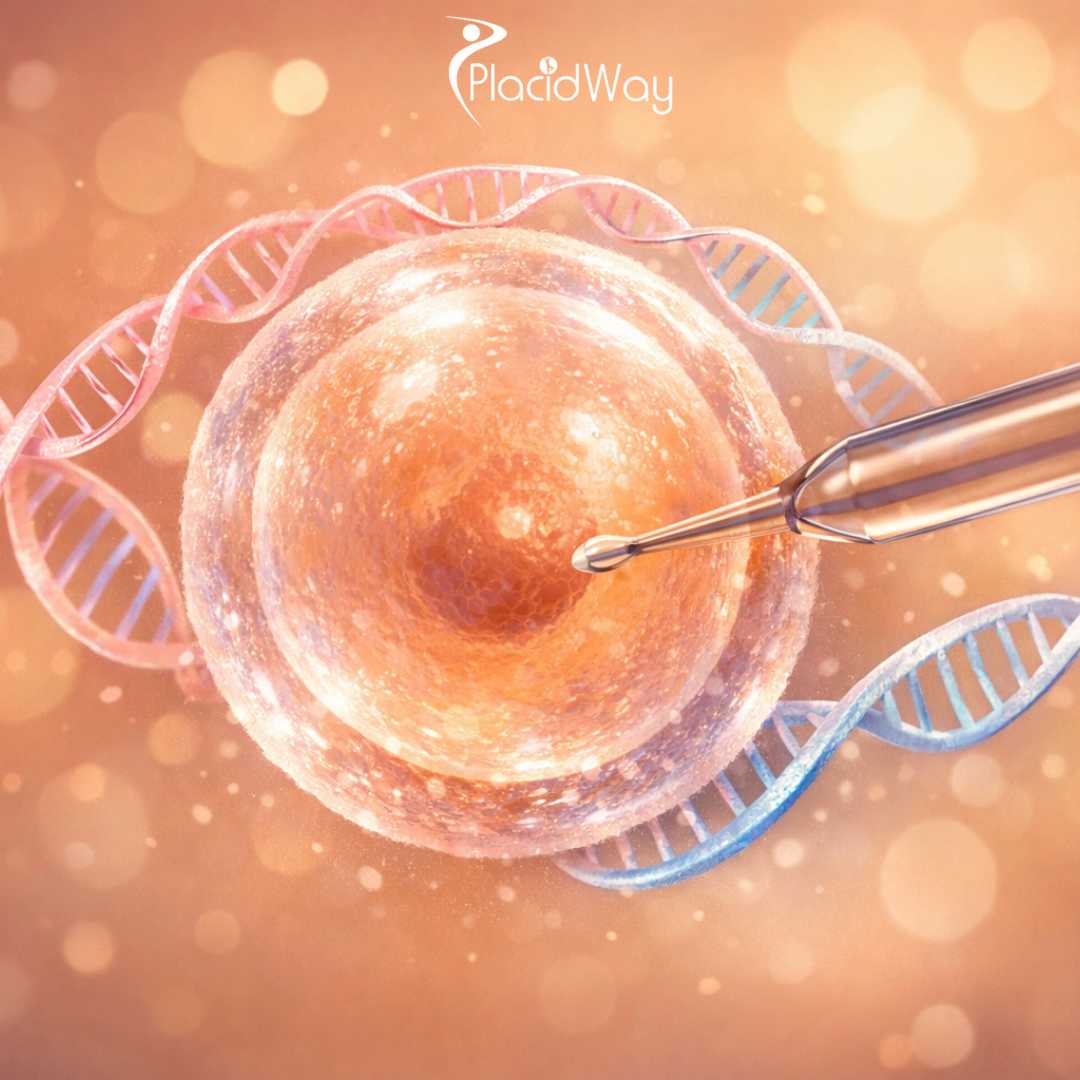
Regarding the embryo itself, a laser-assisted trophectoderm biopsy is performed on day 5 or 6 of development. In the hands of highly skilled embryologists, this micro-surgical procedure is generally considered safe, and most embryos survive the biopsy and subsequent freezing process. Nevertheless, patients must be aware that a minimal inherent risk of cellular damage to the embryo always remains during microscopic manipulation.
During a modern trophectoderm biopsy for PGT-M, scientists only remove a few cells from the outer layer of the blastocyst—the part destined to become the placenta. The inner cell mass, which develops into the fetus, remains entirely untouched.
Legal and Ethical Framework for Genetic Testing in Bangkok
The practice of reproductive genetics operates under strict regulatory oversight to ensure practices remain medically justified and ethically sound. The Thai Medical Council has established robust guidelines governing ethical genetic testing in Bangkok, drawing a firm line between medical necessity and non-medical genetic manipulation. International patients must adhere to these national standards.
Crucially, local regulations strictly prohibit the use of genetic screening for social sex selection. PGT-M is exclusively authorized for the prevention of serious, documented genetic and chromosomal diseases. This ethical integrity reinforces the reputation of certified IVF clinics in Thailand as highly professional medical institutions dedicated to genuine patient healthcare and disease prevention rather than elective genetic traits.
Thailand enacted the Protection of Children Born from Assisted Reproductive Technologies Act in 2015. This legislation strictly outlaws commercial surrogacy and non-medical sex selection, ensuring that IVF treatments focus solely on medical necessity and safe family building.
Emotional Support and Counseling for International IVF Patients in Thailand
Navigating the intersection of severe genetic risk and complex fertility treatments is an inherently stressful experience. Understanding this mental toll, leading healthcare providers offer extensive psychological support tailored for international IVF patients in Bangkok. Access to professional genetic counselors and reproductive psychologists is a cornerstone of comprehensive care, ensuring families do not face these profound challenges alone.
Genetic counselors play a vital role in translating highly complex laboratory data into understandable, actionable information. Before undergoing specialized embryo testing in Thailand, counselors assist patients in processing their family history, managing expectations regarding viable embryo yields, and navigating the profound emotional relief—or potential disappointment—that accompanies final genetic lab reports.
Patient Case Summary: The Patel Family
Facing the risk of passing on Beta-Thalassemia, the Patels felt overwhelmed by clinical jargon. The integrated genetic counseling team at their chosen Asian facility spent hours providing empathetic, culturally sensitive explanations of the PGT-M process, greatly reducing their pre-treatment anxiety.
Success Rates and Realistic Expectations for PGT-M in Bangkok
While the technology behind PGT-M is revolutionary, setting realistic clinical expectations is paramount. IVF success rates in Thailand are statistically impressive, yet they are highly dependent on individual biological factors, predominantly maternal age and underlying ovarian reserve. Patients must understand that while PGT-M identifies healthy embryos, it does not improve egg quality or guarantee that a euploid (normal) embryo will successfully implant.
Furthermore, because PGT-M requires embryos to be discarded if they carry the targeted mutation, patients typically experience a lower final number of transferrable embryos compared to standard IVF. Establishing clear expectations regarding the potential need for multiple retrieval cycles to secure a healthy embryo is a vital aspect of transparent medical travel for IVF in Bangkok.
If both parents are carriers of an autosomal recessive condition (like Cystic Fibrosis), statistical probability dictates that only 75% of created embryos will be free of the disease, and that is before accounting for baseline chromosomal abnormalities related to age.
Preparing for Your Medical Travel for PGT-M Screening in Bangkok
Undertaking a cross-border medical journey for fertility treatment requires organized logistical preparation. Patients planning medical travel to Bangkok should anticipate coordinating clinical timelines with travel visas, as a full IVF cycle generally requires a stay of up to three to four weeks. Thorough coordination with your international patient coordinator ensures that clinical appointments align smoothly with your travel itinerary.
Preparation also extends to baseline medical readiness. Before flying for preimplantation testing in Thailand, patients are typically advised to optimize their health through lifestyle adjustments, prenatal vitamins, and managing stress. Local doctors in the patient's home country are frequently utilized to conduct preliminary baseline ultrasound scans and blood tests, streamlining the process before the international journey begins.
Obtain physical and digital copies of all your previous genetic carrier screening reports, HSG scans, and semen analyses. Translating and securely sending these documents ahead of your arrival drastically expedites the custom PGT-M probe development process.
Post-Treatment Care and Follow-up for IVF Patients Returning Home
The continuity of care remains a critical priority once the embryo transfer is completed and the patient travels back to their home country. High-quality post-IVF care in Thailand involves a structured transition protocol, wherein the attending fertility specialist provides comprehensive digital medical records, hormonal medication schedules, and clear instructions for the two-week wait before a pregnancy test.
Upon returning home, patients generally transition their care to a local obstetrician or trusted gynecologist. Should the pregnancy test be positive, early prenatal monitoring is managed locally, while the medical team in Asia remains accessible via telehealth for specialized hormonal guidance. This collaborative approach ensures that patients pursuing international genetic IVF treatments feel supported long after their flight departs.
Patient Case Summary: Elena and Tom
After a successful PGT-M screening and embryo transfer, Elena flew back to Canada. Her overseas medical team provided a detailed handover packet for her local OBGYN, outlining her exact progesterone protocol. Seamless remote communication ensured Elena felt entirely supported through her vital first trimester.
How PlacidWay Assists Your PGT-M Medical Tourism Journey in Bangkok
Navigating the complexities of international reproductive healthcare requires specialized guidance and secure logistics. The intricacies of finding verified genetic laboratories and reputable fertility specialists can be overwhelming for patients already dealing with the stress of hereditary conditions. Identifying trusted medical infrastructure is paramount to ensuring safe and effective clinical outcomes.
PlacidWay serves as a dedicated facilitator in the global medical sector, connecting individuals with accredited healthcare providers that align with stringent clinical standards. Our focus is entirely on empowering your healthcare decisions through transparency, accessibility, and robust support networks.
- Connecting patients with internationally certified medical facilities specializing in high-precision genomic medicine and PGT-M.
- Providing comprehensive access to verified medical provider profiles, board-certified specialist credentials, and facility accreditations.
- Facilitating the secure, encrypted transfer of sensitive genetic screening reports and medical histories to international laboratories.
- Assisting with arranging essential telehealth consultations, allowing patients to interact directly with embryologists and doctors before committing to treatment.
- Offering dedicated, continuous patient advocacy and communication support to bridge any potential cultural or linguistic gaps in medical terminology.
Working with an established medical facilitator allows you to streamline the process of acquiring second opinions from multiple top-tier genetic specialists, empowering you to make the most informed decision for your family's future.
Frequently Asked Questions (FAQ)
What exactly is PGT-M screening?
PGT-M stands for Preimplantation Genetic Testing for Monogenic disorders. It is a highly specialized laboratory procedure performed during IVF to screen embryos for specific single-gene mutations before implantation.
Why do international patients choose Bangkok for genetic testing?
Patients typically select Bangkok due to the combination of internationally accredited laboratories, advanced Next-Generation Sequencing technology, and more accessible healthcare costs compared to Western nations.
Is PGT-M safe for the embryo?
The biopsy procedure is generally considered safe when performed by experienced embryologists. Most embryos survive the biopsy process, though there remains a small inherent risk of damage during cell extraction.
How long do I need to stay in Thailand for the procedure?
Most international patients are advised to plan for a three to four-week stay for a complete IVF cycle with embryo biopsy. Some choose to return home while awaiting genetic results and travel back later for the embryo transfer.
Does PGT-M guarantee a healthy baby?
No medical procedure can guarantee a healthy pregnancy or baby. PGT-M significantly reduces the risk of passing on a specific known genetic condition, but it does not screen for every possible congenital anomaly.
Can PGT-M screen for multiple genetic conditions at once?
PGT-M is uniquely designed to target one or sometimes two specific single-gene disorders known to exist in the parents' family history. Broad chromosomal screening is typically done concurrently through PGT-A.
Are the genetic laboratories in Bangkok certified?
Yes, top-tier genetic laboratories in the city generally hold international certifications such as ISO 15189 and maintain stringent quality control standards comparable to Western medical facilities.
What happens to embryos that test positive for the genetic mutation?
Embryos identified as carrying the targeted genetic disorder are not used for transfer. Patients typically discuss options for the compassionate disposal or donation of these embryos to scientific research with their medical team.
Are there age restrictions for undergoing IVF with PGT-M in Bangkok?
While there is no universal legal cutoff, most fertility specialists evaluate patients based on ovarian reserve and overall health. Success rates generally decline with advanced maternal age, which doctors will discuss transparently.
How do I securely share my medical records with a clinic abroad?
International medical platforms like PlacidWay assist patients in utilizing secure, encrypted medical document transfer systems. This ensures your sensitive genetic and reproductive health data remains strictly confidential.
Take proactive steps to protect your family's genetic future. Connect with internationally recognized PGT-M specialists today through PlacidWay.
References
- National Institutes of Health (NIH). Preimplantation Genetic Testing: Current Status and Future Prospects. https://www.researchgate.net/publication/224830064_Preimplantation_Genetic_Testing_Current_Status_and_Future_Prospects
- Mayo Clinic. In vitro fertilization (IVF) - Risks and Procedures. https://www.mayoclinic.org/tests-procedures/in-vitro-fertilization/about/pac-20384716
- World Health Organization (WHO). Human Genomics in Global Health. who.int/health-topics/genomics





.png)
.png)


.png)





.png)
.png)








Share this listing