
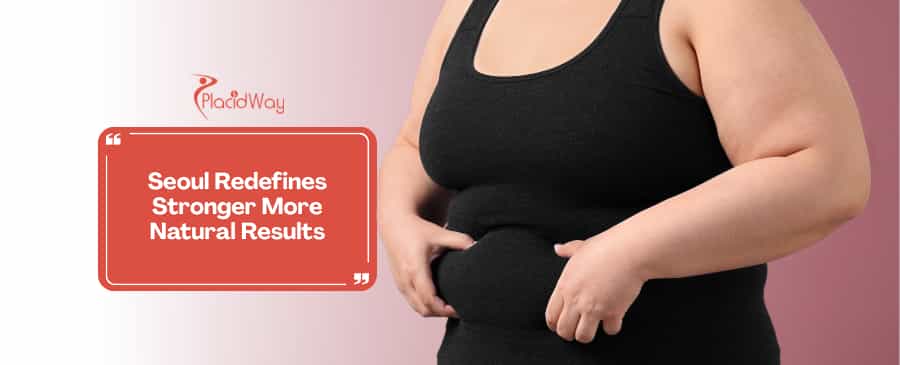
The global landscape of body contouring is shifting rapidly, and as we look toward 2026, the concept of the "internal corset" has taken center stage in the realm of aesthetic surgery. For decades, abdominoplasty was primarily viewed as a skin-removal procedure, focusing on the exterior appearance of the stomach. Today, highly advanced medical hubs are redefining this surgery by prioritizing deep functional restoration alongside cosmetic enhancement, attracting thousands of international patients seeking a holistic approach to core strength.
This evolution has made tummy tuck surgery in Seoul a focal point for global medical travelers. South Korean surgical innovators have perfected techniques that meticulously reconstruct separated abdominal muscles, creating what is popularly known as an internal corset. By combining world-class surgical precision with advanced post-operative care protocols, these specialized centers are setting new global benchmarks for both functional recovery and aesthetic finesse.
The term "internal corset" refers specifically to the plication (folding and suturing) of the rectus abdominis muscles. This technique not only flattens the stomach but can also improve posture and alleviate lower back pain associated with weak core musculature.
- Functional Restoration: Focuses on repairing weakened core muscles.
- Aesthetic Enhancement: Delivers a firmer, flatter, and more toned abdominal profile.
- Advanced Precision: Utilizes refined suturing techniques for long-lasting structural support.
What is Diastasis Recti Repair During Abdominoplasty in South Korea?
Diastasis recti is a common medical condition characterized by the widening of the gap between the two sides of the rectus abdominis muscle, often resulting from pregnancy or significant weight fluctuations. When conservative treatments like physical therapy fall short, surgical intervention becomes necessary to restore the abdominal wall's integrity. In South Korea, addressing this muscular separation is no longer an afterthought; it is the cornerstone of modern abdominal contouring procedures.
During a comprehensive diastasis recti repair in South Korea, surgeons employ customized suturing methods to pull the separated muscle bands back to the midline. This deliberate tightening acts as an internal structural support, preventing future abdominal bulging while simultaneously creating an hourglass silhouette. Medical tourists are increasingly drawn to Seoul because local specialists treat the muscular repair with the same meticulous detail as the external skin redraping.
Patient Experience: Sarah from Australia
"After having twins, my core was severely compromised, and physical therapy didn't close the muscle gap. Traveling for an internal corset tummy tuck in Seoul changed everything. The focus wasn't just on making my stomach flat, but on actually repairing my abdominal wall. I finally have my core strength back."
- Restores the natural alignment of the abdominal muscles.
- Helps reduce lower back discomfort caused by core instability.
- Prevents the internal organs from pushing outward, correcting the "pooch" effect.
Why Global Travelers Choose Tummy Tuck Surgery in Seoul for 2026
As international borders remain fully open and global travel normalizes, medical tourism is experiencing an unprecedented surge, particularly for complex aesthetic procedures. Medical tourism in Seoul has matured significantly, moving beyond simple cosmetic enhancements to offer highly sophisticated, functional reconstructive surgeries. By 2026, the city is projected to be the premier destination for patients seeking specialized body contouring that Western markets often price at a premium.
Global travelers are drawn to South Korea not only for the advanced surgical expertise but also for the comprehensive care ecosystems that local hospitals provide. International patient departments are standard, ensuring seamless communication, personalized recovery plans, and meticulous safety protocols. This combination of high-tech medical infrastructure and deeply ingrained hospitality provides a supportive environment that is crucial for recovering from a major surgery like an abdominoplasty.
Recent industry reports indicate that South Korea hosts hundreds of thousands of inbound medical tourists annually, with body contouring and reconstructive procedures consistently ranking among the top five most requested treatments by Western travelers.
- Access to board-certified surgeons with extensive global training.
- State-of-the-art facilities equipped with the latest surgical technology.
- Dedicated international patient coordinators for seamless journey management.
Affordable Tummy Tuck Cost in Seoul: A Comprehensive Price Breakdown
One of the primary driving forces behind the rise of global medical travel is the stark difference in healthcare pricing across different regions. Seeking an affordable tummy tuck in Seoul does not mean compromising on quality; rather, it reflects a different healthcare economic structure where high-tier medical services are delivered at a highly competitive market value. Patients from North America, Europe, and Australia frequently find that even after factoring in flights and accommodation, the overall expenditure is significantly lower.
Understanding the tummy tuck cost in South Korea requires looking at the comprehensive packages offered to international visitors. These packages typically bundle the surgical fees, anesthesia, pre-operative testing, post-operative garments, and multi-day clinic follow-ups. By offering transparent, all-inclusive pricing models, South Korean medical centers alleviate the financial anxiety often associated with complex surgeries.
The cost of living and the regulatory structure of medical fees in South Korea allow top-tier hospitals to offer competitive pricing. Medical malpractice insurance rates and administrative overheads are generally lower than in the United States, savings which are passed directly to the patient.
| Procedure Name | Average Cost in Seoul (USD) | Estimated Cost in US/UK (USD) |
|---|---|---|
| Full Tummy Tuck (with Diastasis Repair) | $6,000 - $9,500 | $12,000 - $20,000+ |
| Mini Tummy Tuck | $4,000 - $6,500 | $8,000 - $12,000 |
| Mommy Makeover (Tummy Tuck + Breast Surgery) | $12,000 - $18,000 | $25,000 - $40,000+ |
The Advanced Techniques of Body Contouring in South Korea
Technological advancement is a hallmark of the South Korean healthcare system, and plastic surgery is a field where this innovation is most visible. Surgeons specializing in body contouring in South Korea are renowned for utilizing high-definition 3D imaging, allowing patients to visualize potential outcomes before the scalpel ever touches the skin. This level of technological integration ensures that both the surgeon and the patient share clear, realistic expectations regarding the internal corset repair.
Furthermore, the techniques used to minimize scarring have reached new heights. Endoscopic equipment is sometimes utilized to repair the muscle wall with smaller incisions, depending on the severity of the diastasis recti. When a traditional incision is required, meticulous, multi-layered suturing is applied to ensure the scar heals as a fine, imperceptible line hidden well below the bikini line.
Always ask your prospective surgeon about their preferred suturing techniques and scar management protocols. Inquiring about specialized post-surgical treatments, such as laser scar therapy which is common in Seoul, can significantly improve your final aesthetic result.
- High-definition 3D imaging for precise pre-operative planning.
- Use of dissolvable, tension-bearing sutures for robust muscle repair.
- Integration of adjunctive therapies like targeted liposuction for smoother contours.
Ideal Candidates for Diastasis Repair in South Korea
Determining eligibility is a critical first step for any international patient considering traveling for invasive surgery. The ideal candidate for a tummy tuck with diastasis repair in Seoul is someone who is in good overall health, maintains a stable weight, and has realistic expectations about the surgical outcomes. This procedure is heavily favored by women who have undergone multiple pregnancies and are left with stretched abdominal muscles that do not respond to diet or exercise.
Additionally, individuals who have experienced massive weight loss—often following bariatric surgery—are excellent candidates. These patients typically require the removal of significant amounts of loose, inelastic skin alongside the tightening of the underlying abdominal wall. Surgeons generally advise that candidates should be at or near their goal weight for at least six months prior to booking their procedure to ensure optimal and sustainable results.
Patient Experience: Mark from Canada
"After losing 100 pounds, I had a lot of excess skin and weakened muscles that made exercising painful. The surgical team in South Korea evaluated my condition thoroughly and performed an extended tummy tuck. The internal muscle repair completely changed my mobility and confidence."
- Post-partum women with persistent abdominal separation.
- Massive weight loss patients seeking to remove excess skin.
- Non-smokers without chronic medical conditions that impede healing.
Preparing for Your Abdominoplasty Journey in Seoul
Preparation is paramount when undertaking a medical journey across the globe. Planning for an abdominoplasty journey in Seoul involves more than just booking flights; it requires a comprehensive pre-operative health evaluation to ensure you are physically ready for surgery. Medical clinics typically request extensive blood work, ECGs, and a detailed review of your medical history to mitigate any potential risks associated with general anesthesia.
Patients are also given strict lifestyle guidelines in the weeks leading up to their departure. This typically includes a mandatory cessation of all nicotine products, as smoking severely restricts blood flow and increases the risk of tissue necrosis. Furthermore, certain medications and supplements, particularly blood thinners like aspirin or high-dose vitamin E, must be paused to prevent excessive bleeding during the operation.
Never conceal any medical history, current medications, or substance use from your international surgeon. Failing to disclose accurate health information can lead to severe, life-threatening complications during or after your tummy tuck procedure.
- Complete all required local medical tests before traveling.
- Stop smoking and vaping at least four to six weeks prior to surgery.
- Arrange for comfortable, loose-fitting clothing for your travel and recovery.
The Tummy Tuck Procedure Process in South Korean Clinics
The operational flow inside top-tier medical facilities in Seoul is designed to maximize patient safety and surgical efficiency. The process begins with a final in-person consultation where the surgeon marks the strategic incision lines on the abdomen. Once in the operating theater, the procedure is performed under general anesthesia administered by board-certified anesthesiologists who monitor the patient's vitals continuously.
The surgeon makes an incision low on the abdomen, carefully lifting the skin to expose the rectus abdominis muscles. This is where the core "internal corset" work takes place—the muscles are meticulously sutured together to close the diastasis gap and create a firm, taut abdominal wall. Afterward, the excess skin is pulled down, the belly button is carefully repositioned, and the remaining incisions are closed using advanced, minimal-tension techniques.
During a full tummy tuck, the navel (belly button) remains attached to the underlying muscle stalk. The surgeon creates a new opening in the redraped skin to pull the navel through, ensuring it looks natural and well-proportioned to your new stomach.
- Administration of safe, monitored general anesthesia.
- Strategic incision placement to hide future scars.
- Deep muscle plication for enhanced core stability.
Recovery After an Internal Corset Tummy Tuck in Seoul
The initial post-operative phase is a critical time where the results of the surgery are solidified through careful management. Recovery after an internal corset tummy tuck requires patience and strict adherence to the surgeon's guidelines. Most patients experience swelling, bruising, and tightness, which are managed through prescribed medications and the continuous use of a specialized medical compression garment that supports the newly repaired muscles.
International patients are generally advised to remain in South Korea for approximately 10 to 14 days post-surgery. This duration allows the surgical team to monitor the healing process, safely remove surgical drains, and provide specialized aftercare such as lymphatic drainage massages, which are highly popular in Seoul for reducing inflammation and accelerating tissue recovery.
Patient Experience: Elena from the UK
"I was nervous about recovering in a foreign country, but the clinic's aftercare was exceptional. I had regular check-ups, and the deswelling treatments they offered significantly reduced my discomfort. By the time I flew home two weeks later, I felt incredibly well-supported."
- Wear compression garments 24/7 as directed to minimize swelling.
- Engage in light, short walks to promote blood circulation and prevent clots.
- Sleep with your head and knees elevated to reduce tension on the abdominal sutures.
Combining Procedures: Mommy Makeovers in South Korea
For many global travelers, maximizing their time abroad means addressing multiple aesthetic concerns in a single surgical session. The tummy tuck is frequently the anchor procedure in a broader surgical plan commonly referred to as a "Mommy Makeover." This comprehensive approach typically combines abdominal muscle repair and skin excision with breast enhancement surgeries—such as a lift, augmentation, or reduction—and targeted liposuction.
Pursuing a Mommy Makeover in South Korea is highly advantageous due to the collaborative nature of the medical centers. Multi-disciplinary surgical teams often work in tandem, reducing the overall time under general anesthesia while delivering harmonious, full-body transformations. This concurrent approach not only saves international patients the cost and logistics of multiple trips but also condenses the overall recovery timeline.
According to global aesthetic society statistics, over 30% of women who undergo abdominoplasty simultaneously opt for a breast procedure, making combined surgeries one of the most rapidly growing segments in the medical tourism sector.
- Comprehensive revitalization of post-pregnancy bodily changes.
- Single recovery period for multiple surgical interventions.
- Harmonized aesthetic results tailored by experienced surgical teams.
Understanding the Risks of Abdominoplasty in Seoul
While South Korea boasts exceptional medical standards, it is vital to acknowledge that any major invasive surgery carries inherent risks. Understanding the potential complications of an abdominoplasty is essential for making an informed, educated decision. Most patients experience a smooth recovery, but adverse events such as bleeding, infection, poor wound healing, or the accumulation of fluid under the skin (seroma) can occur.
Surgeons mitigate these risks through rigorous pre-operative screening and meticulous surgical techniques; however, patient compliance during the recovery phase is equally important. Traveling long distances too soon after surgery can increase the risk of deep vein thrombosis (DVT). Therefore, committing to the recommended in-country recovery period and following all medical advice is absolutely necessary to ensure a safe medical tourism experience.
Always purchase comprehensive medical travel insurance before your trip. Standard travel insurance rarely covers complications arising from elective cosmetic surgery, so seek out specialized policies tailored for medical tourists.
- Be aware of signs of infection, such as excessive redness or fever.
- Understand that asymmetry or unfavorable scarring may require revision surgery.
- Commit to the full advised rest period before taking your return flight.
Selecting the Best Tummy Tuck Surgeons in South Korea
The success of your internal corset procedure relies heavily on the expertise, artistry, and ethical standards of your chosen medical professional. Finding the best tummy tuck surgeons in South Korea involves looking beyond glossy marketing materials and focusing on verifiable credentials. International patients should prioritize surgeons who are board-certified by recognized national and international plastic surgery societies.
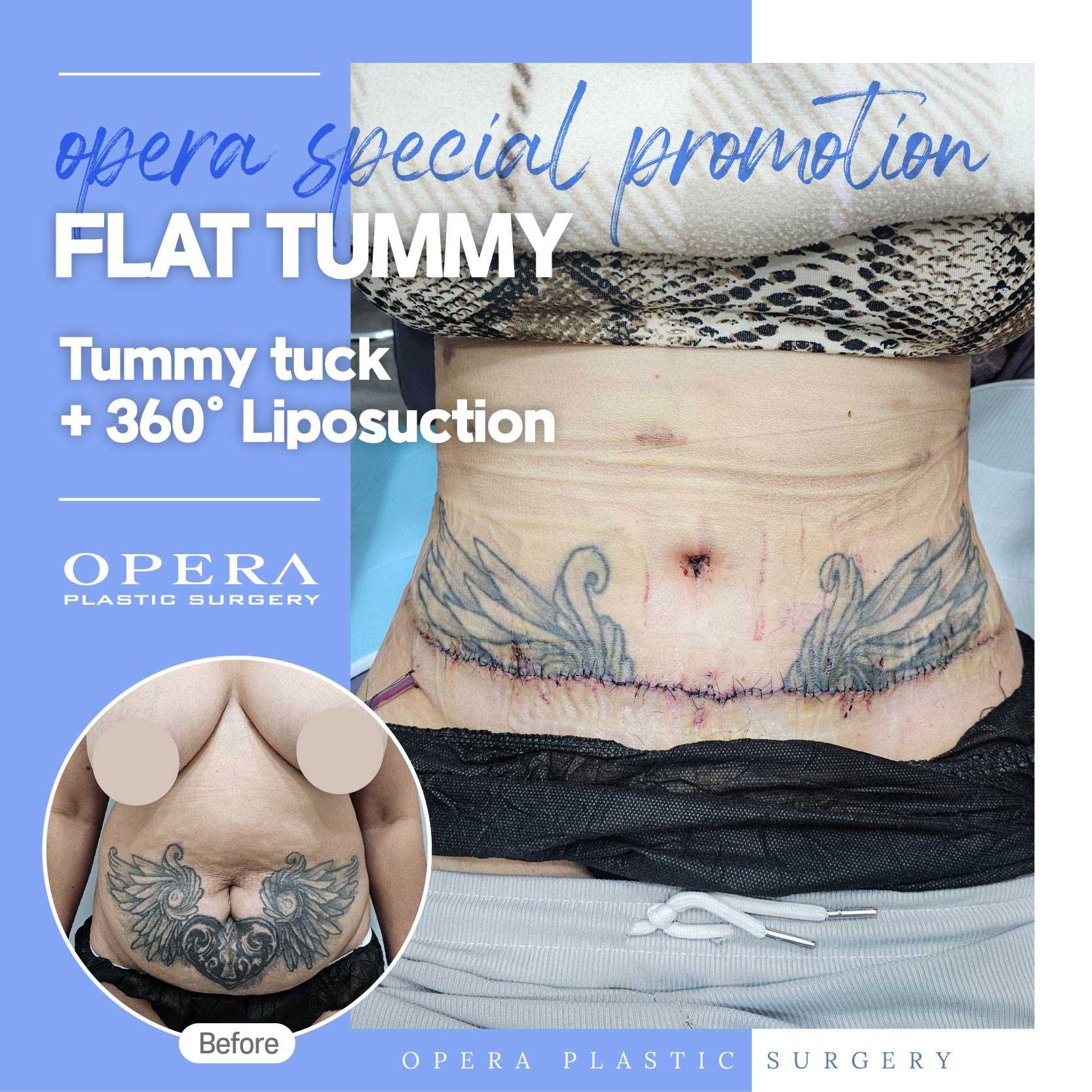
It is also crucial to evaluate a surgeon's specific experience with diastasis recti repair and massive weight loss contouring. Requesting to see a diverse portfolio of before-and-after photographs featuring body types similar to your own provides valuable insight into the surgeon’s capabilities. Furthermore, clear communication is essential, so selecting a team that offers proficient, medical-grade translation services is a non-negotiable factor for a safe journey.
Patient Experience: Lisa from the USA
"Choosing a surgeon abroad felt daunting until I focused heavily on board certifications and verified reviews. My doctor in Seoul spent over an hour explaining the mechanics of the internal corset repair. The transparency and professionalism made all the difference in my decision."
- Verify board certifications and international affiliations.
- Review extensive before-and-after galleries for consistency.
- Ensure the clinic has a robust protocol for handling international patients.
How PlacidWay Assists Your Tummy Tuck Medical Tourism Journey in Seoul
Navigating the logistics of international healthcare can be a complex endeavor, especially when coordinating major surgical procedures. Utilizing an experienced medical tourism facilitator bridges the gap between global patients and premium medical care. PlacidWay connects you with globally recognized healthcare providers, ensuring your journey to a stronger, contoured core is handled with professionalism.
Our goal is to empower you with the resources, transparent information, and direct connections necessary to make an informed medical decision. By leveraging a vast network of vetted medical institutions, PlacidWay simplifies the discovery and evaluation process for your body contouring needs in South Korea.
- Providing access to profiles of board-certified surgeons and internationally accredited hospitals.
- Facilitating the secure transfer of your medical records and pre-operative evaluations.
- Assisting with obtaining transparent, itemized quotes for your surgical procedures.
- Offering dedicated support teams to help you navigate clinic communications and scheduling.
- Delivering educational resources so you fully understand your treatment options and risks.
Frequently Asked Questions About Tummy Tucks in Seoul
When preparing for an international medical procedure, having quick access to accurate information helps alleviate anxiety and aids in planning. The logistics of combining major surgery with international travel generate unique concerns that standard local patients may not face.
Below is a curated list of common inquiries from global travelers regarding abdominal contouring, recovery expectations, and navigating the healthcare landscape in South Korea.
How long should I stay in South Korea after a tummy tuck?
Most international patients are typically advised to stay in Seoul for 10 to 14 days following their surgery. This allows adequate time for initial recovery, drain removal, and essential follow-up appointments with your surgeon.
Is diastasis recti repair always included in an abdominoplasty?
While skin removal is standard, muscle repair is customized based on individual anatomical needs. Generally, a full abdominoplasty includes tightening the abdominal muscles, especially for post-pregnancy patients.
Will I have a noticeable scar after surgery?
A tummy tuck does result in a permanent scar, usually located low on the abdomen so it can be concealed by underwear or a bikini bottom. South Korean surgeons are renowned for their meticulous suturing techniques designed to minimize scar visibility over time.
Is it safe to travel internationally for body contouring?
Medical tourism in South Korea is highly regulated, with top-tier hospitals maintaining strict international safety standards. Patients generally experience safe and successful outcomes when they follow all pre-flight and post-operative medical guidelines.
When can I resume exercising after an internal corset tummy tuck?
Light walking is encouraged immediately to promote circulation, but strenuous exercise and heavy lifting must typically be avoided for at least six to eight weeks. Your surgeon will provide a personalized timeline based on your healing progress.
Can I get pregnant after having diastasis repair?
It is physically possible to get pregnant after the procedure, but doctors generally recommend waiting until you have finished expanding your family. Future pregnancies can restretch the repaired abdominal muscles and alter the aesthetic results.
Are medical interpreters available in Seoul clinics?
Yes, facilities catering to international patients typically provide dedicated, medically trained interpreters. This ensures clear communication regarding surgical plans, risks, and recovery instructions.
What is the primary difference between a mini and a full tummy tuck?
A mini tummy tuck focuses only on the area below the belly button and generally does not involve extensive muscle repair. A full tummy tuck addresses the entire abdominal wall, including the repositioning of the belly button and comprehensive diastasis repair.
Do I need a special visa for medical treatment in South Korea?
Many global travelers can enter South Korea for short visits on a standard tourist visa or K-ETA, which covers the recovery period for a tummy tuck. However, patients planning extended stays may require a specific medical visa (C-3-3 or G-1-10).
How long do the results of an internal corset tummy tuck last?
The surgical correction of the abdominal muscles and removal of excess skin are intended to be long-lasting. However, significant weight fluctuations or subsequent pregnancies can impact the longevity of your newly contoured profile.
References
- American Society of Plastic Surgeons (ASPS). Tummy Tuck Procedure Steps. https://www.plasticsurgery.org/cosmetic-procedures/tummy-tuck/procedure
- International Society of Aesthetic Plastic Surgery (ISAPS). Abdominoplasty Overview. https://www.isaps.org/discover/procedures/body/abdominoplasty/
- Mayo Clinic. Tummy Tuck: What you can expect. https://www.mayoclinic.org/tests-procedures/tummy-tuck/about/pac-20384892
- Cleveland Clinic. Diastasis Recti: Causes, Symptoms & Treatment. https://my.clevelandclinic.org/health/diseases/22346-diastasis-recti

.png)
.png)

.png)
-(1).png)
.jpg)
.png)

.jpg)
.jpg)
.jpg)
.jpg)








Share this listing