


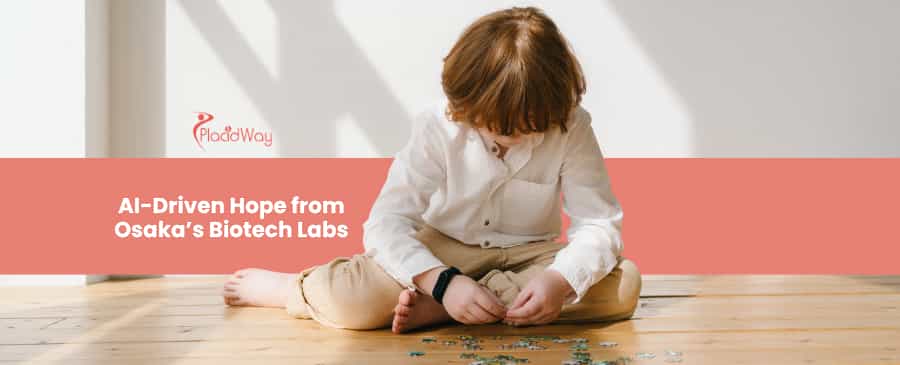
The global landscape of regenerative medicine is rapidly evolving, and researchers are continuously exploring innovative ways to support neurodevelopmental conditions. Among these advancements, autism stem cell therapy in Osaka Japan has emerged as a focal point for families seeking comprehensive, research-backed care. Osaka has positioned itself at the forefront of this movement, integrating decades of biotechnology expertise with modern computational tools. For families navigating Autism Spectrum Disorder (ASD), understanding the biological mechanisms and the technological integrations in these advanced therapies is the first step toward informed decision-making.
At the heart of this innovation is a commitment to precision. Medical professionals in Japan are utilizing cutting-edge technologies to analyze how specific cell therapies might interact with an individual's unique neurobiology. While stem cells are not a cure for autism, they generally aim to address underlying physiological factors such as neuroinflammation and immune system dysregulation. By focusing on these systemic issues, clinical researchers hope to foster environments in the brain that are more conducive to learning, focus, and behavioral development.
Osaka is globally recognized as a premier biotechnology hub, hosting numerous advanced research institutions specifically dedicated to regenerative medicine and neuro-immunology.
How AI Enhances Autism Stem Cell Treatment in Japan
The integration of Artificial Intelligence (AI) into biotech laboratories represents a monumental shift in how regenerative treatments are formulated and monitored. When considering autism stem cell treatment in Japan, the role of AI cannot be overstated. Advanced algorithms are currently used to analyze vast datasets of stem cell lines, predicting which mesenchymal stem cells (MSCs) possess the highest regenerative and anti-inflammatory potential. This computational approach allows lab technicians to optimize cell viability long before the therapy is administered to the patient.
Furthermore, AI models assist specialists in evaluating a patient’s specific neurological and immunological markers. By inputting comprehensive diagnostic data, medical teams can utilize AI to model potential biological responses, theoretically customizing the cell dosage and administration protocol for each individual. This shift from a generalized approach to a highly targeted, data-driven methodology is what sets Osaka's biotech labs apart, offering families a level of precision that was previously unattainable in regenerative medical tourism.
AI algorithms can analyze cellular structures at a microscopic level in milliseconds, helping scientists identify the healthiest stem cells for cultivation with unprecedented accuracy.
The Science Behind Stem Cells for Autism in Osaka
To grasp the potential benefits of this therapy, it is essential to understand the biological theories driving the research. ASD is increasingly viewed by researchers not just as a behavioral condition, but as a complex systemic disorder often accompanied by chronic neuroinflammation and immune system irregularities. Stem cells for autism in Osaka are typically sourced from ethical, highly regulated umbilical cord tissue. These specific mesenchymal stem cells are widely studied for their paracrine effect—their ability to secrete biochemical signals that can modify the immune response and reduce inflammation.
When introduced into the body, these cells generally target areas of high inflammation. In the context of autism, the goal is to calm the inflammatory processes in the brain, potentially improving blood flow and facilitating better neural connectivity. While results vary significantly from patient to patient, the scientific premise focuses on restoring biological balance. By alleviating physiological stressors, the therapy aims to provide individuals with a better foundation for responding to traditional occupational and behavioral therapies.
Research indicates that Mesenchymal Stem Cells (MSCs) release over 200 distinct types of growth factors and cytokines that play crucial roles in tissue repair and immunomodulation.
Cost of Autism Stem Cell Therapy in Osaka Japan
Financial planning is a critical component for families considering international healthcare options. The cost of autism stem cell therapy in Osaka Japan is influenced by several factors, including the number of cell infusions required, the integration of AI-assisted diagnostic profiling, and the length of the specialized rehabilitation protocols. While international medical treatments require a significant investment, Japan frequently offers highly advanced biotech solutions at prices that are highly competitive compared to experimental trial costs in North America or Europe.
For individuals researching affordable autism stem cell therapy in Japan, understanding the breakdown of these costs ensures transparency. The pricing generally encompasses pre-treatment evaluations, laboratory cultivation of the cells, the administration procedure, and initial post-treatment assessments. Below is a realistic market estimate comparing average costs for specific sub-treatments associated with this procedure.
| Procedure / Treatment Component | Average Cost in Osaka, Japan (USD) | Estimated Cost in USA/UK (USD) |
|---|---|---|
| Comprehensive AI Neurological Assessment | $1,500 - $3,000 | $4,000 - $8,000 |
| Standard Stem Cell Infusion (Single Session) | $8,000 - $12,000 | $15,000 - $25,000 |
| Multi-Session Protocol (Typically 2-3 infusions) | $15,000 - $22,000 | $30,000 - $50,000 |
| Post-Therapy Observation & Biomarker Testing | $1,000 - $2,500 | $3,000 - $6,000 |
Why Choose Medical Tourism in Japan for Autism Care
Engaging in medical tourism in Japan offers unique advantages for families seeking specialized pediatric care. The country is renowned for its stringent medical regulations, unparalleled technological infrastructure, and deep respect for patient safety. Osaka, in particular, blends modern medical prowess with a welcoming, highly organized urban environment. International patients benefit not only from the state-of-the-art laboratory standards but also from a healthcare culture that prioritizes meticulous attention to detail and compassionate care.
Furthermore, navigating medical tourism in Japan provides access to interdisciplinary medical teams. These teams often consist of neurologists, immunologists, and pediatric specialists working collaboratively. The holistic nature of Japanese healthcare ensures that stem cell therapy is not viewed in isolation, but rather as one component of a broader, supportive strategy aimed at enhancing the patient's overall quality of life during their stay.
When planning medical travel to Japan, always arrange for a medical translator who specializes in biotechnology terminology, ensuring clear communication with your specialist team throughout the process.
The Diagnostic Process for Autism Stem Cell Clinics in Japan
The journey at leading autism stem cell clinics in Japan begins long before any therapy is administered. The diagnostic process is exceptionally rigorous, designed to paint a comprehensive picture of the patient's biological and neurological status. AI algorithms process results from advanced blood panels, heavy metal toxicity tests, and inflammatory marker assessments. This deep-dive diagnostic phase is crucial for ensuring the patient is a viable candidate and that the therapy has a scientific basis for potential efficacy.
Additionally, neuro-imaging techniques such as functional MRIs or specialized EEGs are often integrated into the initial evaluations. By mapping brain activity and identifying areas of localized inflammation, specialists can establish a vital baseline. This baseline not only dictates the personalized protocol but also serves as the metric by which any post-treatment progress—such as improved attention spans or better emotional regulation—will be meticulously measured.
Some advanced clinics utilize machine learning tools to compare a patient's neuro-inflammatory markers against global databases, predicting the potential trajectory of biological improvements post-therapy.
Patient Candidacy for Stem Cell Therapy for Autism in Osaka
Determining who qualifies for stem cell therapy for autism in Osaka is a highly selective and cautious process. The treatment is typically considered for pediatric patients who have demonstrated systemic inflammatory markers or specific immunological profiles that align with the capabilities of mesenchymal stem cells. Specialists evaluate the child's medical history, prior interventions, and current physical health to ensure that regenerative medicine is an appropriate and safe avenue to explore.
Strict contraindications are observed within all reputable facilities. Patients suffering from active severe infections, certain genetic anomalies, or acute autoimmune disorders are generally not considered suitable candidates. The screening process ensures that only those with a favorable biological profile proceed, mitigating risks and aligning expectations with realistic, scientifically grounded possibilities.
It is vital for families to maintain realistic expectations. Stem cell therapy is not a cure for autism. Candidacy must be determined by qualified medical professionals following strict, transparent evaluations to ensure patient safety.
The Procedure Steps for Autism Stem Cell Treatment in Japan
The actual administration of the autism stem cell treatment in Japan is typically a minimally invasive, outpatient procedure. Once the AI-assisted lab work is complete and the optimal stem cells have been cultivated and quality-checked, the patient is prepared for the infusion. The procedure is generally performed via an intravenous (IV) drip, allowing the cells to circulate systemically throughout the body. The environment in Osaka clinics is specifically designed to be calming and sensory-friendly to accommodate pediatric patients.
Throughout the infusion, which usually lasts a few hours, the patient is closely monitored by a dedicated medical team. Advanced monitoring equipment tracks vital signs continuously, ensuring maximum safety and comfort. Because the procedure avoids heavy surgical intervention, the physical toll on the patient is minimized, allowing them to rest comfortably in a controlled, supportive clinical setting.
Mesenchymal stem cells used in these therapies are typically "immune-privileged," meaning they generally do not provoke an adverse immune response or rejection when introduced to the patient's body.
Recovery and Follow-Up Care for Autism Treatment in Osaka
Post-procedure protocols are just as critical as the treatment itself when discussing comprehensive autism treatment in Osaka. The immediate recovery phase is typically quite short; most patients experience only mild lethargy or a low-grade fever, which are generally well-tolerated and resolve within 24 to 48 hours. Patients are advised to rest and avoid strenuous activities as their bodies adapt to the cellular introduction.
Long-term follow-up care is where the AI integration continues to shine. Medical teams often utilize digital health platforms to track the patient's progress over the subsequent months. Families are usually asked to submit regular behavioral assessments and biological tests. This ongoing data collection allows the clinical team to evaluate changes in focus, speech, or behavioral patterns, ensuring the family remains supported long after they have returned to their home country.
Keep a detailed daily journal of your child's behavior, sleep patterns, and communication levels starting a month before the procedure. This will provide an invaluable baseline for tracking post-treatment changes.
Analyzing the Success Rates of Autism Stem Cells in Japan
When discussing the outcomes of autism stem cells in Japan, the medical community relies heavily on empirical observation and cautious optimism rather than definitive guarantees. Success is measured not by a "cure," but by tangible improvements in the patient's quality of life. Clinical observations frequently report varied outcomes; while some patients exhibit notable improvements in attention span, eye contact, and emotional regulation, others may show minimal to no distinct behavioral shifts.
The integration of AI in biotech labs aims to push these success metrics upward by refining the precision of the cell matching process. By continuously learning from post-treatment data, artificial intelligence helps researchers identify patterns—such as which specific baseline markers correlate with the best therapeutic responses. This ongoing, data-driven optimization is slowly helping to build a more robust, scientifically transparent framework for analyzing treatment efficacy.
Clinical research suggests that the most common improvements reported by parents post-stem cell therapy relate to enhanced immune function and reduced gastrointestinal distress, which can indirectly improve cognitive focus.
Safety Protocols at Autism Stem Cell Clinics in Osaka
Patient well-being is the foundational pillar of all top-tier autism stem cell clinics in Osaka. The safety protocols implemented in Japan are among the strictest in the global medical community. Every batch of cultivated stem cells undergoes rigorous testing for genetic stability, infectious diseases, and viability before being approved for clinical use. Facilities adhere to international Good Manufacturing Practice (GMP) standards, ensuring that laboratory environments maintain absolute sterility and precision.
In addition to laboratory safety, clinical safety during the administration process is paramount. Medical teams are thoroughly trained in emergency response, though adverse events are exceedingly rare. By prioritizing comprehensive pre-screening and maintaining continuous monitoring during the procedure, specialists ensure that the therapy remains a generally safe option for carefully selected candidates.
Global studies on intravenous administration of umbilical cord-derived MSCs report an excellent safety profile, with serious adverse events occurring in less than 1% of monitored pediatric cases.
Real Experiences with Autism Stem Cell Therapy in Japan
Understanding the human element behind the science provides invaluable perspective for families considering autism stem cell therapy in Japan. While medical data offers facts, patient narratives highlight the nuanced realities of undergoing advanced medical procedures abroad. These summaries reflect the diverse experiences families have navigated while seeking care in Osaka.
It is crucial to note that individual results vary widely, and these case summaries are for informational purposes to illustrate the typical medical travel experience, rather than to guarantee specific outcomes.
Oliver's Diagnostic Journey
Traveling from the UK, Oliver's family sought the advanced AI diagnostic profiling available in Osaka. They noted that the meticulous pre-treatment testing provided them with a clearer understanding of his neuro-inflammatory markers, making them feel highly confident in the clinical team's data-driven approach.
Mateo's Post-Therapy Care
Mateo, aged 7, underwent a multi-session protocol. His parents from Canada were particularly impressed with the clinical safety standards. Following the treatment, they reported that the digital follow-up platform allowed them to easily communicate subtle behavioral shifts with their Japanese specialists over a six-month period.
Sophia's Clinic Experience
Sophia's family chose Osaka primarily for its reputation in biotechnology. They highlighted the sensory-friendly environment of the clinic, which greatly reduced Sophia's anxiety during the IV infusion. They felt the holistic care model integrated well with the advanced stem cell science.
Lucas's Rehabilitation Progress
After receiving therapy in Japan, Lucas's family from Australia observed improvements in his overall focus during his traditional occupational therapies back home. They attribute this enhanced engagement to the potential systemic balancing effects of the advanced MSC treatments they received.
How PlacidWay Assists Your Autism Stem Cell Therapy Medical Tourism Journey in Japan
Planning international medical care involves coordinating complex logistical and clinical details. PlacidWay serves as a dedicated partner in streamlining your pursuit of specialized medical treatments, ensuring you have access to authoritative information and reliable healthcare networks.
Here is how PlacidWay adds value to your medical tourism journey:
- Connecting you directly with thoroughly vetted, globally recognized medical facilities and biotechnology labs.
- Providing comprehensive access to specialized doctors' profiles, credentials, and institutional safety records.
- Facilitating seamless communication channels between your family and international clinical teams for pre-evaluations.
- Assisting with the secure transfer of medical records, diagnostic imaging, and laboratory results to specialists abroad.
- Offering detailed cost estimates and treatment plan overviews to ensure complete financial transparency.
- Guiding you through the necessary steps for navigating international healthcare systems with confidence and peace of mind.
Frequently Asked Questions About Autism Stem Cell Therapy in Osaka Japan
Navigating the complexities of advanced biotechnology often generates important questions. Below are some of the most common inquiries families have regarding the science, procedure, and logistics of pursuing autism stem cell therapy in Osaka Japan.
These answers are intended to provide clear, general guidance as you begin your research into international regenerative medical options.
How does AI improve stem cell therapy for autism in Osaka?
Artificial intelligence assists researchers in analyzing large biological datasets to identify the most viable stem cells. This generally helps in customizing treatment protocols to better match a patient’s specific neurological profile.
What type of stem cells are typically used for autism in Japan?
Biotech labs in Japan generally utilize mesenchymal stem cells (MSCs) derived from umbilical cord tissue or bone marrow. These cells are preferred for their immunomodulatory and anti-inflammatory properties.
Is autism stem cell therapy in Japan safe?
Stem cell therapies for autism are generally considered safe when performed in regulated, advanced facilities. Most patients experience only mild, temporary side effects, though rigorous pre-screening is always required.
How much does autism stem cell therapy cost in Osaka?
The cost of stem cell therapy for autism in Osaka typically ranges between $12,000 and $25,000, depending on the number of sessions and AI diagnostic inclusions. This is often significantly lower than comparable experimental treatments in Western countries.
How long is the typical stay required in Japan for this procedure?
International patients are typically advised to plan for a stay of 10 to 14 days in Japan. This timeframe allows for comprehensive AI-assisted diagnostics, the cell administration procedure, and initial follow-up care.
Will stem cell therapy cure my child's autism?
No, stem cell therapy is not a cure for Autism Spectrum Disorder. The treatment generally aims to reduce systemic inflammation and support neurological function, which may lead to improvements in focus and communication.
What age group is generally considered for this therapy?
While protocols vary, many clinics evaluate pediatric patients typically between the ages of 4 and 14. Candidacy is determined through strict AI-enhanced neurological and biological assessments rather than age alone.
Are there any contraindications for this treatment?
Yes, patients with active infections, certain genetic disorders, or a history of severe autoimmune diseases are typically contraindicated. A thorough medical evaluation is strictly required prior to approval.
Do I need a special medical visa for treatment in Japan?
Many international patients utilize a Medical Stay Visa, which is designed for foreign nationals seeking medical services in Japan. Requirements vary by your country of origin and the duration of your treatment plan.
How soon can improvements be observed after the therapy?
Responses to the treatment vary widely among individuals. Some families report observing subtle changes in focus or behavior within three to six months, while others may experience different timelines or outcomes.
Medical Disclaimer: This article is for informational purposes only and is not medical advice. Always consult a qualified healthcare provider before any medical decisions. Results may vary. Read Full Disclaimer here.
References
- ClinicalTrials.gov. Stem Cell Therapy and Autism Spectrum Disorder. https://clinicaltrials.gov/search?cond=Autism%20Spectrum%20Disorder&term=Stem%20Cell
- National Center for Biotechnology Information (NCBI). Mesenchymal Stem Cells in the Treatment of Autism Spectrum Disorder. https://pmc.ncbi.nlm.nih.gov/articles/PMC6397804/
- World Health Organization (WHO). Autism. https://www.who.int/news-room/fact-sheets/detail/autism-spectrum-disorders
.png)














Share this listing