


When researching spinal fusion Tijuana, the most significant advantage for international patients is the cost. Spinal fusion in Tijuana costs $12,500 to $18,500 USD, offering a massive 70% to 80% savings compared to the $60,000–$110,000+ uninsured cost in the US. These comprehensive packages include hospital stays, FDA-approved titanium hardware, and the expertise of board-certified neurosurgeons or orthopedic spine specialists operating in JCI-accredited facilities.

Chronic back pain is one of the most debilitating conditions a person can endure. For millions of adults suffering from degenerative disc disease, severe spinal stenosis, or spondylolisthesis, conservative treatments like physical therapy and epidural injections eventually lose their effectiveness. When structural instability occurs in the spine, surgical intervention becomes the only viable path to restoring mobility and quality of life.
However, accessing this life-changing procedure in the United States and Canada is fraught with obstacles. Uninsured or underinsured American patients frequently face catastrophic out-of-pocket estimates exceeding $80,000 for a single-level lumbar fusion. Meanwhile, patients in universal healthcare systems endure agonizingly long waitlists, often languishing in pain for 12 to 24 months before a specialist becomes available.
As a result, an increasing number of individuals are seeking spinal fusion surgery in Tijuana. Positioned just across the border from San Diego, California, Tijuana has evolved into a premier destination for complex neurological and orthopedic procedures. Medical tourists are discovering that they can access world-class spine care, utilizing the exact same premium titanium hardware found in US hospitals, at a fraction of the domestic cost.
This comprehensive clinical and logistical guide is designed to empower your healthcare decision. Throughout this article, we will thoroughly explore:
- The mechanics of lumbar surgery and the hardware utilized
- A detailed and itemized cost comparison between North America and Mexico
- The step-by-step surgical and recovery timeline
- How to rigorously vet Mexican spine surgeons to ensure your safety and success?
Quick Facts at a Glance
Essential benchmarks for patients researching major back surgery and medical tourism in Tijuana.
- Average Cost in Tijuana
- $12,500 – $18,500
- Average Cost in the USA
- $60,000 – $110,000+
- Hospital Stay
- 2 – 4 Nights
- Required Time in Tijuana
- 10 – 14 Days
- Hardware Used
- Titanium Screws/Rods, PEEK Cages
- Full Bone Fusion Timeline
- 6 – 12 Months
Understanding Spinal Fusion in Tijuana
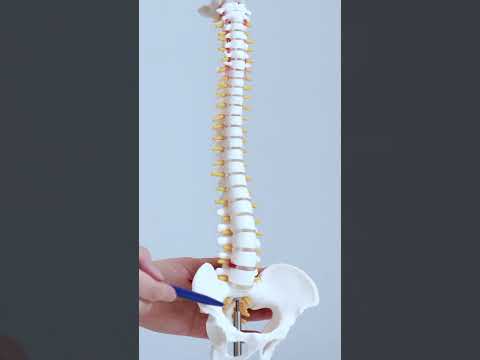
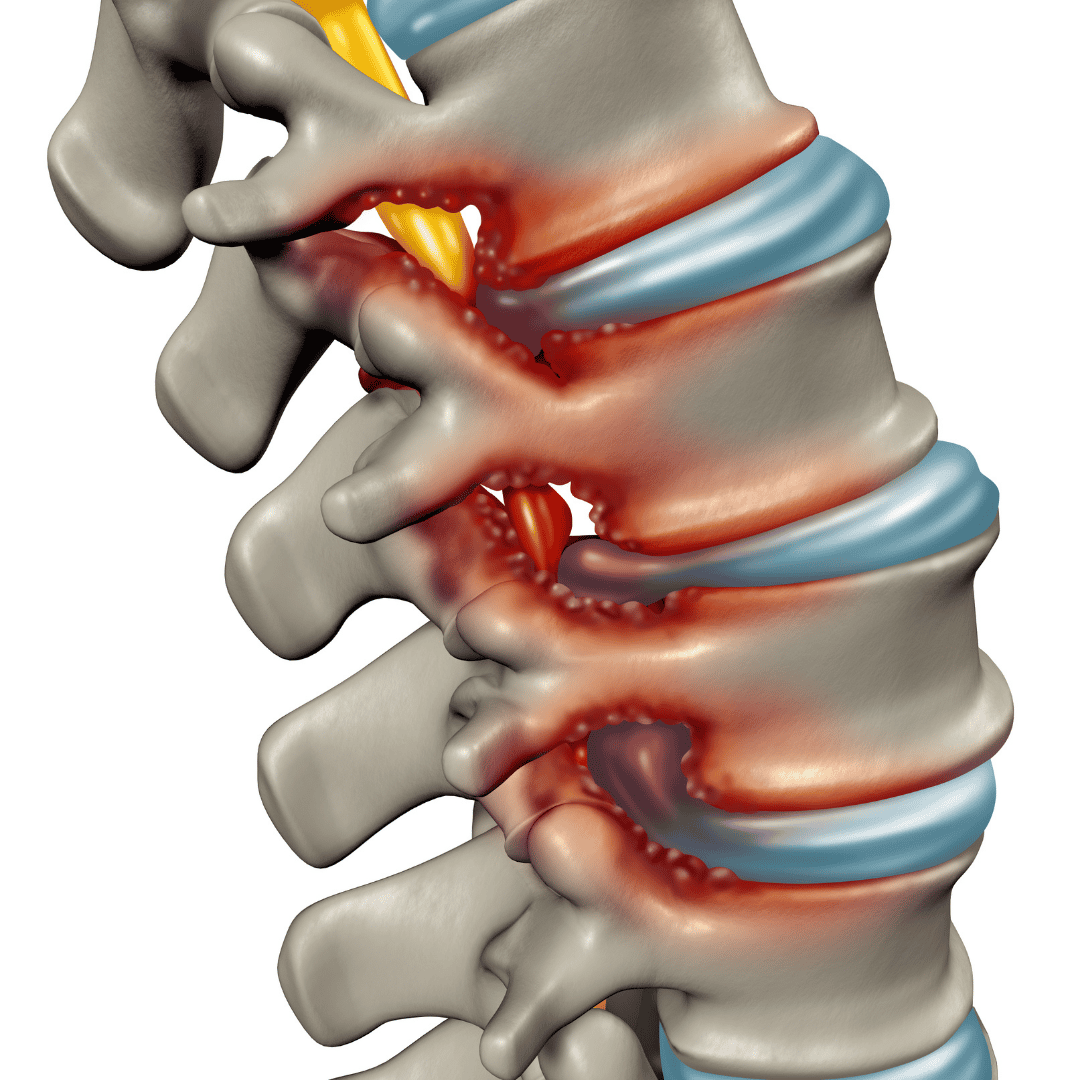
The goal of this surgery is not just pain relief, but the restoration of spinal stability and the decompression of pinched nerves. When the intervertebral discs collapse due to age, trauma, or disease, the space for the spinal cord and exiting nerve roots narrows dramatically. By removing the damaged disc, restoring the correct height with an implant, and fusing the bones together, surgeons can alleviate the debilitating leg pain (sciatica) and localized back pain associated with these conditions.
Common Types of Lumbar Fusion Techniques
Top spinal centers in Mexico do not rely on outdated techniques. Board-certified neurosurgeons and orthopedic spine specialists in Tijuana are trained in the exact same modern, minimally invasive approaches used in the United States. The terminology refers to the angle from which the surgeon accesses the spine:
- ALIF (Anterior Lumbar Interbody Fusion): The surgeon approaches the spine through the abdomen. This avoids cutting through the major back muscles, often resulting in a faster muscular recovery.
- PLIF (Posterior Lumbar Interbody Fusion): The traditional approach from the back. The surgeon removes the lamina (bone covering the spinal cord) to access and remove the disc before placing the graft.
- TLIF (Transforaminal Lumbar Interbody Fusion): A popular variation of the posterior approach that enters through the side of the spinal canal, reducing the amount of nerve retraction required during surgery.
- XLIF/LLIF (Lateral Lumbar Interbody Fusion): A minimally invasive approach through the patient's side, avoiding both abdominal organs and back muscles.
Why do patients choose Tijuana for these complex procedures?
Aside from the undeniable economic benefits, patients gain access to highly specialized, multidisciplinary medical teams. Rather than navigating fragmented care systems back home, medical tourists in Mexico often find that their neurosurgeon, anesthesiologist, and rehabilitation specialists work cohesively within the same facility, offering immediate, personalized attention.
Cost Breakdown: Tijuana vs USA
The primary catalyst for medical travel is the profound cost disparity. Spine surgery is inherently expensive due to the advanced technology, premium implants, and extended operating room time required. However, the pricing models between North American hospitals and Mexican medical tourism clinics differ radically.
The comparison table below illustrates the average estimated costs for a 1-to-2 level lumbar spinal fusion across various regions.
Note: Costs vary based on the number of vertebral levels being fused, the specific surgical approach (e.g., ALIF vs. TLIF), and any underlying health conditions requiring specialized ICU monitoring.
What is Included in a Tijuana Spinal Fusion Package?
One of the most frustrating aspects of US healthcare is receiving separate, unpredictable bills from the hospital, the surgeon, the anesthesiologist, and the implant manufacturer. Medical tourism in Tijuana operates on a transparent, bundled package model. A standard package generally includes:
- Pre-operative cardiac and medical clearances (EKG, blood panels).
- All surgeon, anesthesiologist, and surgical assistant fees.
- Operating room expenses and specialized neuro-monitoring equipment.
- FDA-approved titanium hardware (screws, rods) and interbody cages.
- Bone graft material (synthetic matrix or allograft).
- 2 to 4 nights in a private hospital room with 24/7 nursing care.
- Ground transportation between San Diego Airport and the hospital.
What is Excluded?
- Pre-operative MRI scans (must be obtained locally before travel).
- Post-discharge recovery hotel accommodations (though often coordinated by the clinic).
- Long-term outpatient physical therapy in your home country.
- Airfare to San Diego (SAN).
Why is Lumbar Surgery Cheaper in Mexico?
The dramatic price difference does not indicate a reduction in surgical quality or hardware safety. Instead, it reflects fundamental economic variances. Mexico features significantly lower administrative and bureaucratic overhead, lower costs of living impacting facility operations, and tort reform that drastically reduces the exorbitant malpractice insurance premiums paid by American surgeons. Furthermore, international clinics bypass the complex, highly inflated billing structures associated with US insurance networks, offering direct cash-pay pricing to the consumer.
The Spinal Fusion Medical Tourism Journey
Undergoing major spine surgery in a foreign country requires meticulous logistical planning. High-quality clinics provide dedicated patient coordinators to guide you through a standardized, secure process. Here is the typical step-by-step journey.
- Remote Medical Evaluation (Weeks Prior): You will submit recent MRI and X-ray imaging, along with your medical history, via a secure portal. The Tijuana neurosurgeon will evaluate your spine to confirm that fusion is medically necessary and determine the exact number of levels requiring intervention. A video consultation follows to discuss the surgical plan and risks.
- Arrival and Pre-Op Testing (Day 1): You fly into San Diego International Airport (SAN). Clinic personnel will greet you and drive you across the border to the hospital using the medical fast-pass lane. You will undergo physical examinations, blood work, and an in-person meeting with your surgical and anesthesia team to finalize the plan.
- The Surgery (Day 2): Depending on the complexity, the operation lasts between 3 and 6 hours under general anesthesia. The surgeon performs the decompression, places the titanium implants, and inserts the bone graft. Neuromonitoring is often used to track nerve function in real-time throughout the procedure.
- Hospital Recovery (Days 3-5): You will wake up in recovery and soon be transferred to a private room. The primary focus during this acute phase is managing pain via intravenous medications and beginning gentle mobilization. Physical therapists will assist you in standing and taking your first steps, often with the support of a specialized back brace.
- Hotel Recovery and Clearance (Days 6-12): Once you are medically stable, eating well, and walking short distances, you are discharged to a local recovery hotel. Nurses or doctors will visit you to change dressings and monitor your vitals. Around Day 10 to 12, your surgeon will conduct a final assessment, check the incision for proper healing, and issue official medical clearance for you to fly home.
Surgeon Credentials and Quality Standards in Mexico
When considering spinal fusion Tijuana, patient safety must be the uncompromising priority. The spine houses the central nervous system; therefore, verifying the expertise of your surgical team and the accreditation of the facility is absolutely critical.
Evaluating Spine Surgeon Credentials
In Mexico, spine surgery is performed by either neurosurgeons or orthopedic surgeons who have completed advanced fellowships in spine pathology. To ensure you are receiving world-class care, you must verify the following credentials:
- Board Certification: The surgeon must be certified by the Consejo Mexicano de Cirugía Neurológica (Mexican Board of Neurological Surgery) or the equivalent board for orthopedics.
- Specialized Fellowship: The highest-tier surgeons have completed international fellowships in complex spine surgery, often training extensively in the United States, Germany, or Spain.
- International Affiliations: Look for active memberships in prestigious global organizations such as the North American Spine Society (NASS) or AOSpine.
Hospital Accreditation and Hardware Safety
Never undergo major spine surgery in a small outpatient clinic. The procedure requires fully equipped operating rooms, robust intensive care units (ICUs) in case of emergencies, and stringent infection control protocols. The gold standard for international hospital safety is accreditation by the Joint Commission International (JCI) or the Mexican General Health Council (CSG).
Furthermore, premium Tijuana hospitals utilize the exact same spinal implants as US institutions. You should expect your surgeon to use FDA-approved titanium screws, rods, and PEEK (polyetheretherketone) interbody cages manufactured by global leaders like Medtronic, Stryker, Globus Medical, or DePuy Synthes. Do not hesitate to ask the clinic for the specific brand of hardware they intend to use.
The Recovery Timeline: What to Expect?
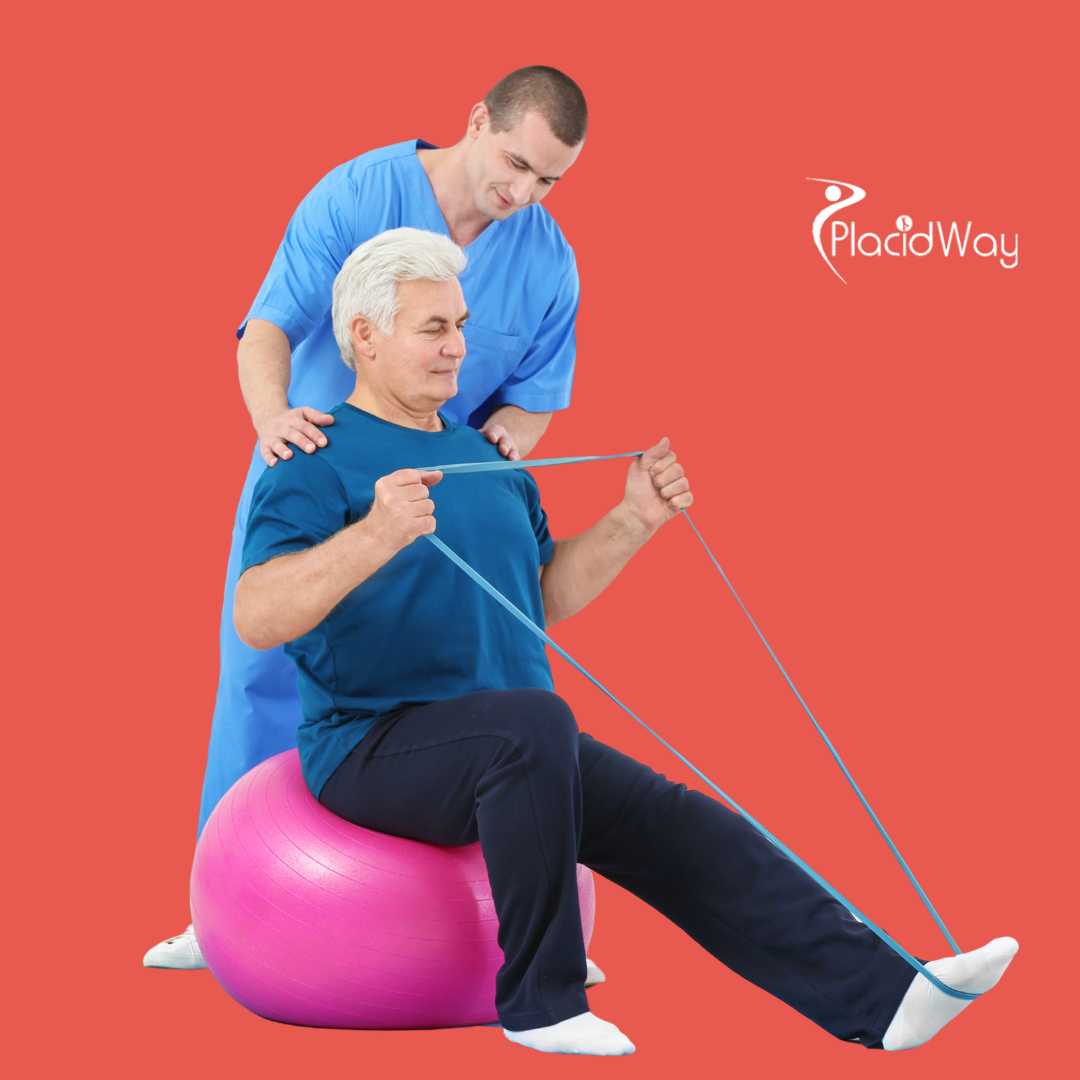
Spinal fusion is not a quick fix. While the surgery mechanically stabilizes the spine immediately via the titanium hardware, the biological process of bone fusion—where the vertebrae actually grow together into a solid mass—takes several months to a year. Patience and strict adherence to post-operative protocols are essential.
Phased Recovery Timeline
- Weeks 1–4 (Acute Healing): Pain and fatigue are most prominent during this period. You will likely wear a customized lumbar brace. Activities are strictly limited to short, frequent walks. Bending, lifting (anything over 5-10 lbs), and twisting are absolutely forbidden (the "BLT" rule).
- Months 1–3 (Early Fusion): Pain levels generally subside significantly. Soft tissues are healing, and early bone bridging begins. You may be cleared to start light physical therapy focused on gentle core stabilization and stretching. You can gradually return to sedentary work.
- Months 3–6 (Progressive Activity): X-rays will be taken locally to monitor the progress of the bone graft. As osseointegration (bone fusion) becomes more solid, your physical therapy will intensify to strengthen the back and abdominal muscles. Low-impact exercises like swimming or stationary biking may be introduced.
- Months 6–12+ (Full Maturation): The bone fusion solidifies into a permanent, rigid structure. Patients can typically return to most normal activities, though high-impact sports (like rugby or heavy weightlifting) may be permanently discouraged depending on your specific case.
Warning Signs to Watch For Post-Op
Upon returning home, you must remain vigilant for potential complications. Seek immediate medical attention if you experience:
- A sudden, severe increase in back or leg pain, or new numbness and weakness in the legs.
- Fever exceeding 101°F (38.3°C), accompanied by chills or night sweats.
- Redness, swelling, or foul-smelling drainage from the surgical incision.
- Shortness of breath or sharp chest pain, which could indicate a pulmonary embolism.
- Loss of bowel or bladder control (a severe medical emergency requiring immediate ER evaluation).
How to Choose the Right Clinic in Tijuana?
The stakes of spinal surgery are incredibly high. Use this practical 6-step checklist to systematically vet providers, ensuring you prioritize clinical excellence over the lowest possible price.
- Demand Full Surgeon Transparency: Request the lead neurosurgeon’s full CV. Confirm their certification with the Mexican Board of Neurological Surgery and verify their specialized spine fellowship training.
- Verify Hospital Capability: Ensure the facility is a full-scale hospital (not a surgery center) equipped with an on-site Intensive Care Unit (ICU), an emergency blood bank, and advanced neuromonitoring capabilities.
- Confirm Hardware Quality: Ask the clinic to explicitly state in writing the brand and manufacturer of the titanium implants and bone grafts being used (e.g., FDA-approved brands).
- Require an Itemized Quote: Secure a comprehensive written estimate that clearly delineates what is included (surgery, hospital days, hardware) and what is excluded (companion fees, extended hotel stays).
- Evaluate Communication: Assess the responsiveness of the medical team. Does the surgeon speak fluent English during your video consultation? Clear communication is paramount for surgical safety.
- Plan Local Follow-Up Care: Before sending any deposit, secure an agreement with a primary care physician or local orthopedic specialist in your home country who is willing to manage your post-operative recovery, remove sutures, and order follow-up X-rays.
Red Flags to Avoid
Eliminate any clinic that pressures you into immediate surgery, refuses to facilitate a pre-operative video call with the surgeon, lacks a dedicated ICU, or provides quotes that are suspiciously lower than the $12,500 market baseline for complex fusion in Tijuana.
Risks, Limitations, and Contraindications
All surgical procedures carry inherent risks, and lumbar fusion is a major undertaking. When exploring options abroad, you must objectively weigh both the clinical risks and the logistical limitations of medical tourism.
Clinical Risks of Spinal Fusion
According to the National Institutes of Health and major spine societies, general risks of spinal fusion include infection, deep vein thrombosis (blood clots), nerve damage resulting in weakness or pain, and hardware failure (such as a broken screw). A specific risk to this procedure is pseudarthrosis (non-union), where the bone fails to fuse properly over time, potentially requiring a second surgery.
Travel and Continuity of Care Challenges
The most significant limitation of traveling for spine surgery is the fragmentation of care. If you develop an infection three weeks after returning home, you cannot easily drive back to Tijuana to see your surgeon. You must rely on local emergency rooms and doctors who were not involved in your original procedure. This highlights the absolute necessity of establishing a relationship with a local doctor prior to your trip.
Who Should NOT Pursue Spine Surgery Abroad?
Medical tourism for complex spinal procedures is contraindicated for individuals who:
- Suffer from severe osteoporosis, as weak bones cannot properly anchor titanium screws.
- Have a Body Mass Index (BMI) exceeding 40, which drastically increases anesthesia and infection risks.
- Are active smokers or heavy nicotine users. Nicotine severely inhibits bone growth and doubles the risk of fusion failure. Most reputable surgeons require patients to be nicotine-free for at least 6 weeks prior to surgery.
- Suffer from uncontrolled diabetes, severe cardiovascular disease, or active infections.
5-Step Action Plan for Spine Surgery Tourism
If you have exhausted conservative treatments and are ready to explore your surgical options in Mexico, follow this structured, five-step framework to ensure a secure and organized medical journey.
- Obtain Current Diagnostic Imaging: Secure a recent (within 6 months) MRI of your lumbar spine. Tijuana surgeons cannot provide accurate treatment plans or exact cost estimates without reviewing this imaging.
- Research and Compare Clinics: Utilize global medical platforms like PlacidWay to identify JCI-accredited hospitals and board-certified neurosurgeons in Tijuana. Compare credentials, hospital facilities, and patient reviews.
- Schedule a Video Consultation: Engage directly with the surgeon. Discuss your specific pathology, ask about their proposed surgical approach (ALIF, TLIF, etc.), and confirm the type of hardware they intend to use.
- Establish Local Support: Book an appointment with your local doctor. Explain your plans, secure their agreement to oversee your post-operative wound care and physical therapy referrals, and ensure you have someone to help you at home during the first critical weeks of recovery.
- Coordinate Safe Travel: Book your flight to San Diego, ensure your passport is valid, and arrange for a reliable companion to travel with you. You will need physical assistance managing luggage and navigating the airport on your return journey.
Take the First Step Toward a Pain-Free Life
Connect with internationally accredited neurosurgical centers in Tijuana. Review detailed surgeon profiles, compare all-inclusive package costs, and schedule a free, no-obligation evaluation of your MRI today.
Frequently Asked Questions
Make the Best Healthcare Decision
Chronic spinal instability fundamentally degrades your independence, mobility, and emotional well-being. When evaluating the reality of spinal fusion Tijuana, the data demonstrates that patients do not have to choose between enduring years of back pain and facing devastating financial debt. Tijuana’s highly regulated medical tourism sector provides access to elite, board-certified neurosurgeons and FDA-approved implants at up to 80% less than the cost of US healthcare.
However, an empowered decision requires acknowledging the rigorous demands of the procedure. Successful outcomes depend heavily on meticulous surgical selection, adherence to safety protocols, and your commitment to a strict 6-to-12-month recovery and physical therapy regimen back home. By prioritizing JCI-accredited hospitals and verified specialists, you mitigate the risks inherent to medical travel.
If you are frustrated by insurance denials or insurmountable wait times, take control of your spinal health today. Utilize platforms like PlacidWay to securely submit your MRI, compare transparent treatment packages, and schedule a vital consultation with a top-rated Tijuana spine surgeon.
The information in this article is for educational purposes only and does not constitute medical advice. Individual results vary based on health status, case complexity, and other factors. Always discuss your specific situation with a licensed healthcare professional before making treatment decisions. PlacidWay connects patients with verified healthcare providers but does not provide medical services directly.
- Mayo Clinic: Spinal Fusion - Purpose, Risks, and Results
- North American Spine Society (NASS): Patient Education: Spinal Fusion Explained
- National Institutes of Health (NIH): Clinical Outcomes and Complications of Lumbar Fusion
- World Health Organization (WHO): Low Back Pain Fact Sheet and Interventions
- PlacidWay Medical Tourism: Global Spinal Fusion Surgery Packages and Clinics





.jpg)
.png)
.png)
.png)








Share this listing