


When evaluating Hip Resurfacing Surgery in Turkey, German medical tourists discover a highly viable alternative to domestic care. The procedure in Turkey costs between €6,500 to €9,500, offering savings of up to 60% compared to private German clinics. Packages typically include the surgery, premium FDA-approved metal-on-metal implants (like the Birmingham Hip), anesthesia, a 3-to-5-night hospital stay, and airport transfers, delivered by board-certified orthopedic surgeons in JCI-accredited facilities.

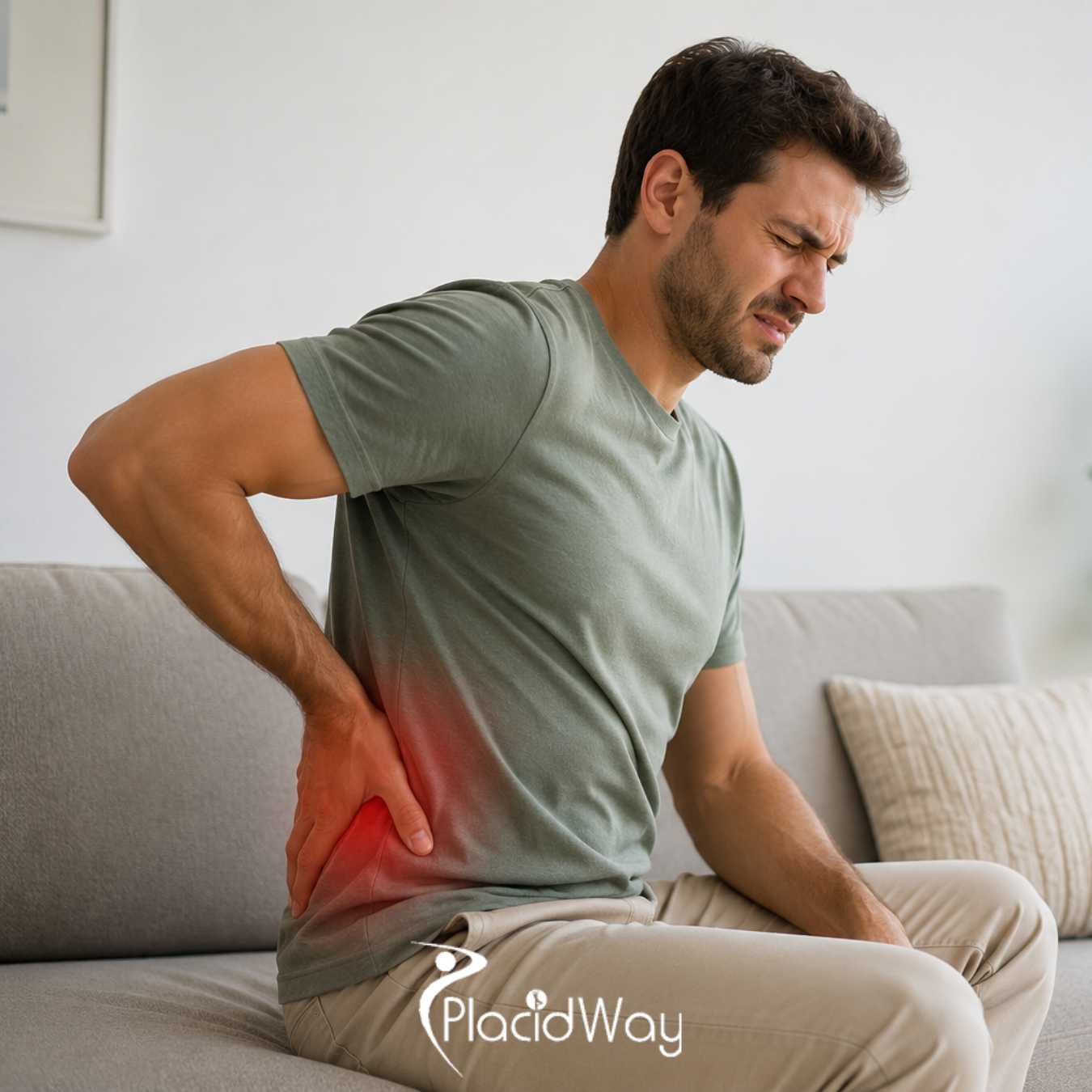
Osteoarthritis of the hip affects millions of individuals globally, gradually eroding joint cartilage and causing debilitating pain that severely limits daily mobility and quality of life. For younger, highly active individuals, a traditional Total Hip Replacement (THR) may not be the optimal solution, as standard implants often restrict high-impact sports and may wear out over a patient’s lifetime, necessitating complex revision surgeries. In these specific cases, hip resurfacing emerges as a revolutionary, joint-preserving alternative.
However, German patients seeking this specialized procedure often face significant hurdles. Within the German statutory health insurance system (Gesetzliche Krankenversicherung or GKV), securing approval for hip resurfacing over a standard THR can be a lengthy, bureaucratic battle. Wait times for consultations with elite orthopedic specialists can stretch for months, and opting for private treatment out-of-pocket easily pushes the financial burden past €15,000 to €20,000.
Consequently, a growing demographic is looking beyond the borders of the EU. Hip Resurfacing Surgery in Turkey has rapidly become a premier choice for German medical tourists. With flight times under three hours from major hubs like Frankfurt, Munich, and Berlin, cities like Istanbul and Antalya offer immediate access to world-class orthopedic centers. These facilities boast internationally trained surgeons, state-of-the-art diagnostic technology, and luxury medical packages tailored specifically for international patients.
This comprehensive, evidence-based guide provides a detailed roadmap for German patients considering this intervention abroad. In the following sections, we will explore:
- The precise medical definition and context of hip resurfacing
- An objective cost and value comparison between Germany and Turkey
- The detailed step-by-step surgical and recovery process
- Essential safety protocols, patient selection criteria, and risks to consider before booking your medical journey
Quick Facts at a Glance
Essential benchmarks for German patients researching joint preservation and hip resurfacing abroad.
- Average Cost in Turkey
- €6,500 – €9,500
- Private Cost in Germany
- €15,000 – €22,000
- Hospital Stay Required
- 3 – 5 Nights
- Total Time in Turkey
- 10 – 14 Days
- Primary Implant Type
- Cobalt-Chrome (BHR)
- Full Recovery Timeline
- 6 – 9 Months
What is Hip Resurfacing Surgery?
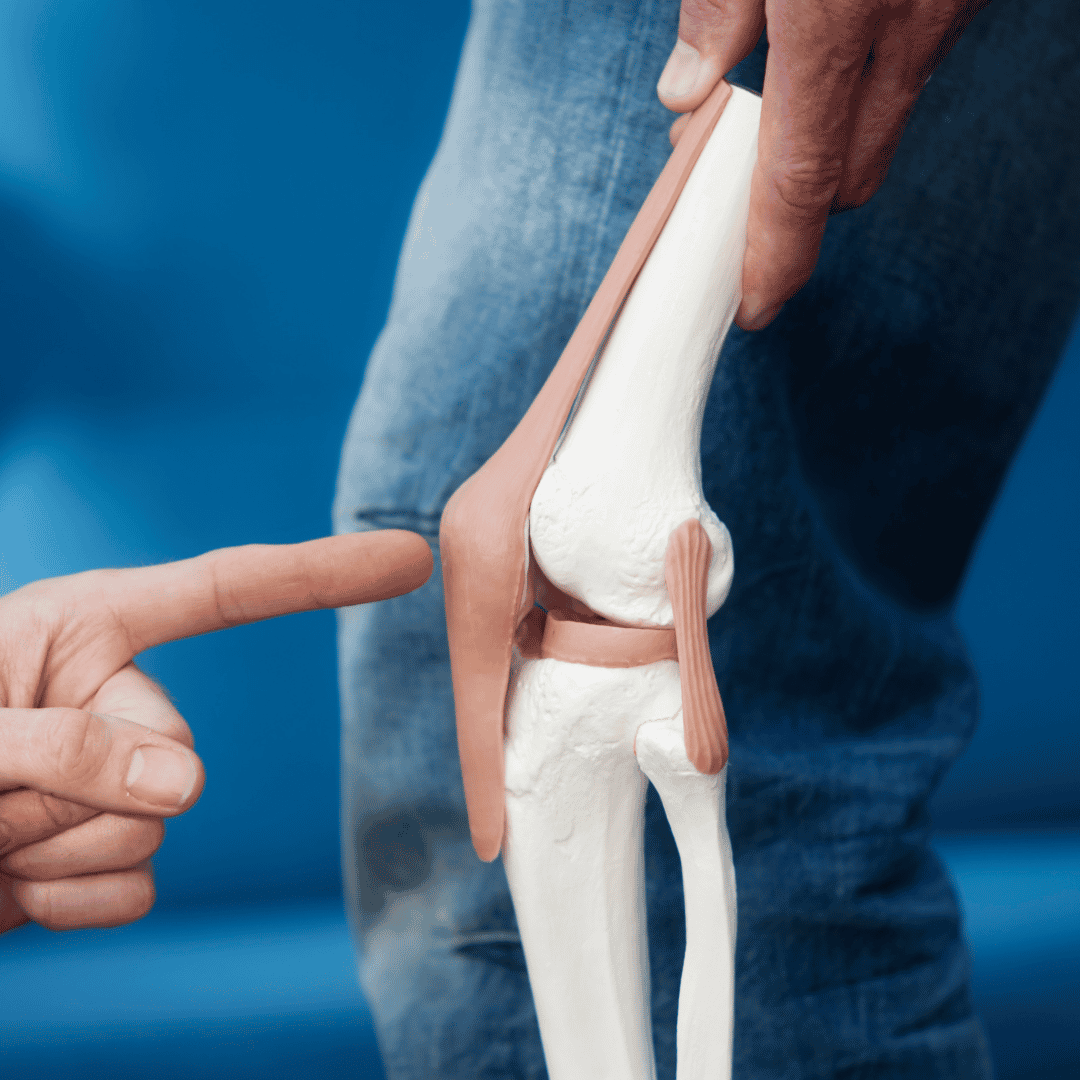
To grasp why patients actively seek out this procedure, one must understand the biomechanics of the hip. The hip is a ball-and-socket joint. In osteoarthritis, the cartilage cushioning these bones wears away, leading to painful bone-on-bone friction. While a Total Hip Replacement (THR) amputates the top of the thigh bone (femur) to insert a stemmed implant deep into the femoral canal, hip resurfacing acts more like a dental crown. It shaves away the diseased surface and caps it with highly durable cobalt-chrome metal.
Categories and Variations of Hip Implants
When considering Hip Resurfacing Surgery in Turkey, understanding implant variations is critical. The global gold standard for this procedure is the Birmingham Hip Resurfacing (BHR) system, developed by Smith & Nephew. This is a metal-on-metal (MoM) device.
- Metal-on-Metal (MoM): The standard for resurfacing. Both the ball cap and the socket cup are made of smooth cobalt-chrome. This material is highly resistant to wear, allowing for the large diameter head required for resurfacing.
- Total Hip Replacement (THR) Materials: In contrast, traditional hip replacements often use ceramic-on-polyethylene or metal-on-polyethylene combinations, which are excellent but generally use smaller ball diameters, increasing the risk of dislocation during extreme athletic movements.
Why do German medical tourists specifically request this? The primary driver is anatomical preservation. By keeping the femoral head intact, the patient retains a more natural biomechanical load transfer. This results in a hip that feels more "normal" and boasts a significantly lower risk of dislocation. For a 45-year-old martial artist, runner, or heavy construction worker, resurfacing offers the possibility of returning to unrestricted physical activity—a promise that standard hip replacements cautiously avoid.
Cost and Value Comparison: Turkey vs. Germany
Navigating the financial realities of joint replacement is a major part of the patient journey. For German citizens with statutory insurance (GKV), basic total hip replacements are covered if medically necessary. However, elective hip resurfacing—especially if the patient demands a specific premium implant or immediate scheduling—often falls into the private healthcare sector, requiring massive out-of-pocket payments. This makes the Turkish medical market incredibly attractive.
Note: Precise costs fluctuate based on the specific hospital, surgeon expertise, the need for bilateral (both hips) surgery, and current exchange rates.
Breaking Down the Turkish Medical Package
When you book Hip Resurfacing Surgery in Turkey through verified medical tourism platforms, the pricing model is usually "all-inclusive." This starkly contrasts with the German and US systems, where anesthesia, hospital boarding, and surgical fees are billed separately. A standard Turkish package includes:
- Comprehensive pre-operative diagnostics (X-rays, MRI, blood tests, EKG).
- The primary surgeon's fee, anesthesiologist, and operating room charges.
- The cost of the premium implant itself (often imported from the UK or US).
- 3 to 5 nights of hospitalization in a private, hotel-like recovery suite.
- Initial post-operative physical therapy while in the hospital.
- VIP ground transfers between the airport, hotel, and hospital.
- A dedicated English or German-speaking patient coordinator.
Why is it significantly cheaper?
It is a common misconception that lower medical costs equate to lower clinical quality. The affordability of orthopedic surgery in Turkey is driven by macroeconomic factors: a highly favorable currency exchange rate (Euro to Turkish Lira), substantially lower labor costs for nursing and administrative staff, government incentives to promote medical tourism, and lower medical malpractice insurance premiums compared to Western Europe. These systemic savings are passed directly to the patient.
Step-by-Step Turkey Medical Tourism Procedure
Traveling abroad for major orthopedic surgery requires meticulous logistical coordination. Knowing the exact timeline helps manage expectations and reduces anxiety for German medical tourists navigating a foreign healthcare system.
- Remote Medical Evaluation (Weeks Prior): You will begin by securely submitting your recent pelvic X-rays, MRI scans, and medical history to your chosen Turkish clinic. The orthopedic surgeon evaluates your bone density and joint geometry to confirm if you are a viable candidate for resurfacing rather than a total replacement.
- Arrival and Pre-Op Testing (Day 1): After landing in Istanbul or Antalya, VIP transport takes you to your hotel or directly to the hospital. You undergo extensive pre-operative testing, including advanced 3D imaging, blood work to ensure no underlying infections, and an in-person consultation with the lead surgeon and anesthesiologist.
- The Surgery (Day 2): Administered under general or spinal anesthesia, the procedure takes approximately 1.5 to 3 hours. The surgeon accesses the hip joint, meticulously sculpts the damaged cartilage from the femoral head, secures the metal cap with specialized bone cement, and presses the corresponding metal cup into the prepared pelvic socket (acetabulum).
- Acute Hospital Recovery (Days 3-5): You will remain in the hospital for close monitoring. Pain management is prioritized. Within 24 hours, physical therapists will assist you in standing and taking your first steps using a walker or crutches. Intravenous antibiotics and blood thinners are administered to prevent infection and deep vein thrombosis (DVT).
- Hotel Recuperation (Days 6-12): Discharged from the hospital, you move to a partnered recovery hotel. You will continue daily exercises, focusing on mobility and avoiding deep bending. You will visit the clinic for a final wound inspection and suture management.
- Medical Clearance and Flight Home (Day 13-14): Once the surgeon confirms you are stable, with no signs of blood clots or infection, you receive a "fit to fly" certificate. You will require wheelchair assistance at the airport and must wear compression stockings during the flight to Germany.
Safety, Accreditation, and Quality Standards
When considering Hip Resurfacing Surgery in Turkey, safety is paramount. Medical tourists rightly question how Turkish medical standards compare to the strict regulations enforced by the German Ministry of Health and TÜV standards.
Evaluating Accreditation and Standards
Turkey’s medical tourism sector is heavily regulated by the Turkish Ministry of Health, which requires specific licensing for hospitals treating international patients. The most critical indicator of safety is international accreditation. Top-tier private hospitals in Turkey hold the Joint Commission International (JCI) accreditation. JCI is the global gold standard, measuring hospitals against strict criteria encompassing surgical sterility, anesthesia safety protocols, and emergency response capabilities.
Furthermore, the implants utilized in reputable Turkish clinics are not local generics. They use internationally recognized, CE-marked, and FDA-approved implants imported directly from global manufacturers like Smith & Nephew (UK), Stryker (USA), or Zimmer Biomet (USA). These are the exact same prosthetics unboxed in top Munich or Berlin clinics.
Surgeon Expertise and Specialization
Hip resurfacing is technically far more demanding than a standard total hip replacement. It requires perfect spatial alignment of the implant to prevent premature wear and metallosis. Therefore, it should only be performed by a highly specialized orthopedic surgeon.
Many lead orthopedic surgeons in premium Turkish hospitals have completed extensive fellowships in the United States, Germany, or the United Kingdom. When selecting a surgeon, you must verify their specific experience with the BHR system and inquire about their annual resurfacing volume. High-volume surgeons (performing over 50 resurfacings annually) statistically present significantly lower complication rates.
Risk Acknowledgment and Mitigation
Despite high standards, traveling for surgery carries risks. Long flights shortly after lower-limb surgery elevate the risk of Deep Vein Thrombosis (DVT). Turkish clinics mitigate this by requiring an extended in-country stay (10-14 days), administering prophylactic anticoagulants (like Clexane injections), and providing detailed flight protocols. Meticulous adherence to these protocols is non-negotiable for patient safety.
Recovery Timeline and Aftercare Protocol
The success of Hip Resurfacing Surgery in Turkey depends equally on the surgeon’s skill and the patient’s dedication to rehabilitation. The recovery phase is a marathon, not a sprint, and German patients must plan for continuity of care once they return home.
Phased Recovery Timeline
- Weeks 1–3 (Acute Healing): The primary focus is wound healing, clot prevention, and basic mobility. You will use two crutches to manage weight-bearing as directed by your surgeon. Pain and swelling are normal but should gradually subside.
- Weeks 4–6 (Early Rehabilitation): As soft tissues heal, physical therapy intensifies. You will likely transition from two crutches to one, and eventually to a cane. Driving may be permitted after 4 to 6 weeks, provided you have regained muscle control and are no longer taking narcotic pain medications.
- Months 2–4 (Strengthening): At this stage, osseointegration—the biological process where your natural bone fuses tightly with the porous inner coating of the implant cap—is well underway. Therapy focuses on strengthening the gluteal and thigh muscles using closed-chain exercises, stationary biking, and swimming (once incisions are fully closed).
- Months 6–9+ (Return to High-Impact Activity): Unlike traditional replacements, resurfacing patients can often return to jogging, tennis, skiing, or martial arts. However, this is only allowed after passing rigorous functional tests and receiving explicit clearance from a reviewing orthopedist.
Warning Signs Post-Surgery
Upon returning to Germany, patients must monitor for adverse signs. Seek immediate medical attention if you experience:
- Sudden, severe groin or thigh pain (could indicate a femoral neck fracture).
- Fever, chills, or increasing redness/drainage at the incision site.
- Swelling, tenderness, or a warm sensation in the calf of either leg (signs of DVT).
- Shortness of breath or chest pain (requires emergency room care for a potential pulmonary embolism).
How to Choose a Turkish Clinic for Hip Surgery?
The booming medical tourism market means patients must be diligent consumers. Use this practical, 6-step checklist to systematically evaluate providers and protect your health and investment.
- Demand the Surgeon’s Credentials: Do not just look at the hospital. Ask for the specific surgeon's CV. Look for international board memberships and specialized training in joint preservation.
- Verify Facility Accreditation: Search the JCI (Joint Commission International) online directory to confirm the hospital’s accreditation status is current.
- Confirm the Implant Brand: Insist on knowing the exact make and model of the implant in writing (e.g., Smith & Nephew BHR). There should be absolute transparency regarding the hardware entering your body.
- Assess Language Support: Complex medical discussions require clear communication. Ensure the clinic provides fluent German or English-speaking patient coordinators and that the surgeon can communicate effectively without severe language barriers.
- Review the Written Quote: Obtain a detailed, itemized quote. Ensure it explicitly states what happens in the event of unforeseen medical complications. Are extended ICU stays covered?
- Ensure Continuity of Care: Before flying, secure a physical therapist and a local orthopedic physician in Germany who is willing to take over your post-operative monitoring and suture removal.
Red Flags to Avoid
Be highly skeptical of clinics that attempt to diagnose you without reviewing your MRI or X-rays, facilities that pressure you with "limited time discount" tactics, or providers who quote prices drastically below the €6,000 baseline, which often indicates compromised implant quality or hidden fees.
Risks, Limitations, and Contraindications
While Hip Resurfacing Surgery in Turkey offers profound benefits for the right demographic, it is not a universal solution. The medical community acknowledges specific, inherent risks associated with this procedure that must be presented transparently.
Who Should NOT Have This Surgery?
Patient selection is the single most critical factor in the success of a resurfacing procedure. The operation is heavily contraindicated for:
- Patients with Osteoporosis: Resurfacing relies on the structural integrity of the remaining femoral neck. Poor bone density dramatically increases the risk of a post-operative femoral neck fracture, which would necessitate an emergency revision to a total hip replacement.
- Women of Childbearing Age: Because metal-on-metal implants release microscopic cobalt and chromium ions into the bloodstream over time, there are theoretical risks regarding how these heavy metals might cross the placental barrier. Consequently, many surgeons will not perform this on younger women.
- Patients with Severe Hip Deformity: Extensive cystic changes in the bone or severe anatomical deformities (like severe dysplasia) make securing the resurfacing cap mechanically impossible.
- Individuals with Kidney Impairment: Healthy kidneys are required to effectively filter and excrete the metal ions generated by the implant's friction.
The Risk of Metallosis
The most widely discussed risk unique to metal-on-metal implants is metallosis. This is an adverse tissue reaction caused by the accumulation of metallic debris surrounding the joint. If the implant is placed at an incorrect angle, edge-loading occurs, drastically increasing friction and metal wear. This can lead to localized pain, swelling, and tissue damage, requiring revision surgery. This underscores why choosing a highly experienced Turkish surgeon who understands the precise biomechanics of implant seating is non-negotiable.
Your 5-Step Action Plan for Medical Travel
If you have researched the procedure, understand the risks, and believe you fit the criteria for Hip Resurfacing Surgery in Turkey, follow this structured, actionable framework to begin your medical journey.
- Obtain Fresh Diagnostics in Germany: Book an appointment locally to get high-resolution pelvic X-rays and an MRI. Turkish surgeons cannot provide accurate remote consultations without these baseline images.
- Submit Records for Evaluation: Utilize verified medical tourism facilitators like PlacidWay to securely send your medical files to top-rated, JCI-accredited orthopedic centers in Istanbul or Antalya.
- Schedule a Video Consultation: Demand a virtual meeting directly with the operating surgeon. Discuss your activity goals, the specific implant brand, and ask if your bone density makes you a prime candidate.
- Organize German Aftercare: Do not skip this step. Pre-book your physiotherapy appointments in Germany for the week following your planned return. Verify that a local doctor will manage your prescriptions and sick leave notes (Krankschreibung).
- Coordinate Travel and Accommodations: Finalize dates, ensuring you allocate a full 10 to 14 days in Turkey. Book a travel companion if possible, as navigating airports with luggage while on crutches is exceptionally difficult.
Take the First Step Toward a Pain-Free, Active Life
Connect with JCI-accredited orthopedic centers in Turkey. Compare comprehensive resurfacing packages, review surgeon credentials, and schedule a free, no-obligation medical evaluation today.
Frequently Asked Questions
Empower Healthcare Choice
Living with severe hip osteoarthritis deprives individuals of the active lifestyles they cherish. For German medical tourists seeking to preserve their joint anatomy and return to unrestricted movement, Hip Resurfacing Surgery in Turkey represents a scientifically sound, financially accessible alternative to navigating domestic insurance bureaucracy or paying exorbitant private clinic fees in Western Europe.
By leveraging the expertise of internationally trained surgeons and the strict safety protocols of JCI-accredited hospitals in Istanbul and Antalya, patients can receive the gold-standard Birmingham Hip implant at a fraction of the cost. However, a successful outcome demands thorough pre-operative evaluation, understanding the strict contraindications, and committing fully to post-operative rehabilitation in Germany.
If you are ready to reclaim your mobility and explore your joint preservation options, take the next step. Browse verified, world-class orthopedic clinics on PlacidWay, request an itemized package quote, and begin your journey toward a pain-free, active future today.
The information in this article is for educational purposes only and does not constitute medical advice. Individual results vary based on health status, case complexity, and other factors. Always discuss your specific situation with a licensed healthcare professional before making treatment decisions. PlacidWay connects patients with verified healthcare providers but does not provide medical services directly.
- World Health Organization (WHO): Osteoarthritis Fact Sheet
- Mayo Clinic: Hip Replacement and Joint Preservation
- Wikipedia: Hip Resurfacing - Clinical Overview
- National Institutes of Health (NIH): Clinical Outcomes of Birmingham Hip Resurfacing
- PlacidWay Medical Tourism: Orthopedic Hip Surgery Abroad Options


















Share this listing