


For Canadians exploring alternative therapies, stem cell treatment for multiple sclerosis in Puerto Vallarta Mexico offers a highly accessible option. The cost generally ranges from $15,000 to $35,000 USD, which is up to 75% less than private US or Canadian alternatives. Regulated by COFEPRIS, modern clinics in Puerto Vallarta provide advanced protocols—such as MSC and HSCT therapies—designed to modulate the immune system and halt disease progression, combined with comprehensive, all-inclusive medical travel packages.
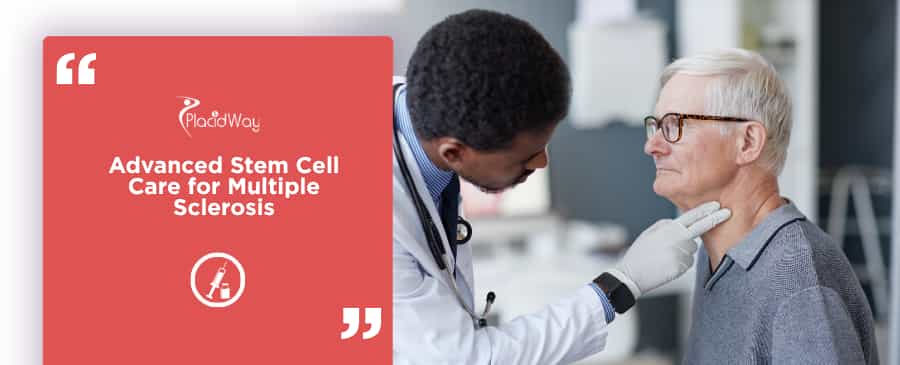
Canada has one of the highest rates of multiple sclerosis (MS) in the world, with over 90,000 Canadians currently living with the disease. For many, navigating the provincial healthcare system means facing limited coverage for experimental therapies, extensive wait times to see specialists, and strict eligibility criteria for advanced treatments. While standard disease-modifying therapies (DMTs) can manage symptoms, they do not work for everyone, leaving many patients searching for alternative solutions to halt their disease progression.
Consequently, an increasing number of patients are looking beyond their borders. Stem cell treatment for multiple sclerosis in Puerto Vallarta Mexico has emerged as a premier medical tourism pathway. Known for its world-class resort infrastructure, direct flights from major Canadian cities, and internationally trained medical specialists, Puerto Vallarta provides access to innovative regenerative therapies without the restrictive waitlists found in Canada.
This comprehensive guide is designed specifically for Canadian patients considering this journey. We will objectively break down how these therapies work, provide a detailed cost comparison, outline the exact procedural steps, evaluate clinical safety standards in Mexico, and offer a practical selection guide. By the end of this article, you will have the evidence-based knowledge required to make an empowered, informed decision about your healthcare.
What is MS Stem Cell Therapy?
Multiple sclerosis is an unpredictable autoimmune disease where the body’s immune system mistakenly attacks myelin—the protective sheath covering nerve fibers in the central nervous system. This causes communication issues between your brain and the rest of your body, resulting in symptoms ranging from chronic fatigue and mobility loss to severe cognitive impairment.
Types of Stem Cell Protocols Available
When researching clinics in Mexico, you will encounter two primary approaches to treating MS. Understanding the distinction is vital for patient safety and outcome expectations.
- Mesenchymal Stem Cell (MSC) Therapy: This approach uses adult stem cells harvested from umbilical cord tissue, adipose (fat) tissue, or bone marrow. MSCs are highly regarded for their immunomodulatory properties—meaning they can calm the immune system and reduce inflammation without the need for chemotherapy. It is generally an outpatient procedure with minimal downtime.
- Hematopoietic Stem Cell Transplantation (HSCT): A much more aggressive protocol primarily suited for highly active relapsing-remitting MS. It involves harvesting the patient's own blood-forming stem cells, using chemotherapy to completely wipe out the dysfunctional immune system, and then reinfusing the stem cells to "reboot" the immune system from scratch.
Why are Canadians specifically drawn to Puerto Vallarta for these procedures?
In Canada, access to HSCT is heavily restricted to highly specific clinical trials, and MSC therapies are largely unapproved for public funding. Puerto Vallarta bridges this gap, offering timely access to these therapies in regulated, private medical centers.
Cost Comparison: Mexico vs. North America
Financial accessibility is a primary catalyst for medical tourism. Because experimental or private stem cell treatments are rarely covered by Canadian provincial health plans (like OHIP, MSP, or AHCIP), patients are forced to bear the financial burden entirely out-of-pocket. The table below illustrates the stark financial contrast between regions.
Note: Exact costs depend on the number of stem cells administered (dosage), the specific source of the cells, and the duration of the clinical stay.
What Do All-Inclusive Packages Cover?
To accommodate international patients, top Puerto Vallarta clinics bundle their services. A standard medical tourism package typically includes:
- Comprehensive pre-treatment blood testing, neurological evaluations, and MRI reviews.
- The stem cell harvesting, processing, and intravenous (IV) or intrathecal (spinal) infusions.
- Physician fees, nursing care, and facility usage costs.
- VIP ground transportation between the Puerto Vallarta airport, your hotel, and the clinic.
- Accommodation in a nearby resort or recovery hotel (often included for 7-14 days).
Why is the Treatment Cheaper in Mexico?
The reduced cost is not a reflection of inferior medical quality. The savings stem from macroeconomic factors: lower administrative and operational overhead, a favorable exchange rate between the Canadian Dollar and the Mexican Peso, and a medical system that is not burdened by the inflated insurance billing practices seen in the United States. Furthermore, the regulatory pathway for regenerative medicine in Mexico allows clinics to bring safe therapies to market more efficiently.
Step-by-Step MS Stem Cell Treatment Process in Mexico
Traveling for advanced medical care can feel overwhelming. Knowing exactly what the procedure entails can help alleviate anxiety. Here is the typical step-by-step process for a Canadian patient undergoing MSC therapy for MS in Puerto Vallarta.
- Initial Remote Consultation: Before traveling, you will submit your Canadian medical records, including recent MRIs, neurologist reports, and blood work. A medical team in Puerto Vallarta reviews your file to determine if you are a viable candidate.
- Arrival and Pre-Evaluation: Upon flying directly into Puerto Vallarta International Airport (PVR), you are escorted to the clinic. The first day involves in-person neurological exams, vital checks, and final lab tests to ensure you are healthy enough for the procedure.
- Pre-Treatment Conditioning: Patients often receive preliminary IV therapies—such as vitamin infusions, ozone therapy, or hyperbaric oxygen therapy—to optimize the body's internal environment and enhance stem cell absorption.
- Stem Cell Preparation: If utilizing allogeneic (donor) cells—such as Wharton’s Jelly derived from umbilical cords—the clinic’s laboratory thaws and prepares the highly concentrated cells for your specific dosage requirements.
- The Infusion Procedure: The actual administration takes a few hours. Cells are most commonly delivered intravenously (IV). For MS, some specialists also perform intrathecal administration, where cells are injected directly into the spinal canal to cross the blood-brain barrier effectively.
- Observation and Discharge: Following the infusion, you will rest under medical supervision for a few hours. Most MSC treatments are outpatient, allowing you to return to your hotel. You will have a final follow-up consultation before receiving medical clearance to fly back to Canada.
Safety Standards and Clinical Quality
One of the most common questions Canadian patients ask is: "Is stem cell therapy in Mexico actually safe?" The answer is yes, provided you select an accredited, transparent, and highly regulated clinic. The medical tourism sector in Puerto Vallarta caters largely to North Americans, and top-tier facilities maintain standards parallel to those in Canada and the US.
Regulatory Oversight by COFEPRIS
In Mexico, medical facilities and stem cell laboratories are regulated by COFEPRIS (The Federal Committee for Protection from Sanitary Risks), which functions similarly to Health Canada or the US FDA. Legitimate clinics must hold specific, up-to-date COFEPRIS licenses specifically for regenerative medicine and cellular therapy.
When clinics utilize allogeneic (donor) stem cells, they must source them from certified cellular banks. These banks rigorously screen donors for infectious diseases, genetic abnormalities, and cellular viability, adhering to international good tissue practice guidelines.
Quality Comparison
Leading clinics in Puerto Vallarta feature board-certified neurologists, immunologists, and hematologists—many of whom completed their specialized fellowships in the US or Europe. Their laboratories utilize clean rooms, advanced flow cytometry to count viable cells, and strict sterility protocols to prevent contamination.
Safety Mitigation Strategies
To ensure your safety, never prioritize cost over credentials. Look for clinics that publish their cellular viability rates (the percentage of living cells infused, which should be above 90%) and those that refuse to treat patients with active infections or severe comorbidities that contraindicate regenerative therapies.
Recovery and Post-Treatment Aftercare
Stem cell therapy is not a "magic bullet" that yields overnight results. The recovery and healing process requires time, patience, and strict adherence to post-care protocols.
The Recovery Timeline
- Days 1-3 (Immediate Post-Op): Patients often experience mild fatigue, a low-grade fever, or slight soreness at the injection site. This is a normal immune response as the body reacts to the new cells.
- Weeks 1-4 (Cellular Integration): You should resume normal, light activities. Avoid strenuous exercise, alcohol, and excessive stress. The stem cells are actively migrating to areas of inflammation during this phase.
- Months 3-6 (Clinical Observation): This is typically when patients begin to notice tangible improvements in symptoms, such as reduced spasticity, increased energy, or improved balance.
- Months 6-12 (Long-Term Efficacy): Follow-up MRIs in Canada are recommended at this stage to assess if the treatment successfully halted new lesion formations in the brain or spinal cord.
Warning Signs to Watch For
While severe complications from MSC therapy are rare, patients must remain vigilant. Contact your medical provider immediately if you experience persistent high fevers, severe headache (especially following an intrathecal injection), localized infection at the IV site, or sudden respiratory distress.
How to Choose the Right MS Stem Cell Treatment Clinic in Mexico?
The medical tourism market requires patients to advocate for themselves. Use this practical 6-point checklist to evaluate stem cell providers in Puerto Vallarta.
- Verify COFEPRIS Licensing: Ask for the clinic’s official government license numbers and ensure they are specifically permitted for cellular therapy, not just general practice.
- Check Physician Credentials: The lead doctor managing your case should be a board-certified neurologist or immunologist, not a general practitioner or aesthetic doctor.
- Demand Transparency on Cell Count: A reputable clinic will tell you exactly how many millions of cells you will receive. Dosages for MS typically require upwards of 100 million to 300 million cells.
- Understand the Cell Source: Confirm where the clinic sources its cells. If using umbilical cord MSCs, they must provide a certificate of analysis proving the cells were screened for pathogens.
- Evaluate the Facility: Ensure the treatment is performed in a clinical setting equipped with emergency protocols, not a converted hotel room or spa.
- Review Post-Care Support: Ask how the clinic handles follow-up consultations once you return to Canada. A quality provider will schedule remote follow-ups at 1, 3, and 6 months.
Red Flags to Avoid
Be extremely wary of any clinic that guarantees a 100% cure for multiple sclerosis. Reputable medical professionals understand the unpredictable nature of autoimmune diseases and will provide realistic, data-driven expectations. Furthermore, avoid clinics that rush you into paying non-refundable deposits before a doctor has reviewed your medical files.
Risks, Limitations, and Contraindications
As with any medical intervention, stem cell treatment for multiple sclerosis in Puerto Vallarta Mexico carries inherent risks. It is imperative to weigh these realities carefully.
Understanding the Clinical Limitations
Stem cell therapy is not a cure for multiple sclerosis. Research indicates that while treatments can halt disease progression and dramatically improve quality of life, they cannot fully reverse extensive, long-standing neurological damage or resurrect dead nerve fibers. Individual results vary significantly based on the patient's age, disease duration, and specific MS subtype.
Who Should NOT Pursue This Option?
Treatment in Mexico is generally contraindicated for patients who:
- Are experiencing an active, acute infection (such as pneumonia or severe UTI).
- Have advanced secondary progressive MS (SPMS) with a very high EDSS (Expanded Disability Status Scale) score, where the patient is entirely bedbound and unresponsive to any prior therapies, as the risks may outweigh the potential benefits.
- Have an active history of certain cancers, as the growth factors in stem cells could theoretically stimulate tumor growth.
- Are pregnant or nursing.
Risk Mitigation
To safely navigate your journey, establish a relationship with your Canadian neurologist before you leave. While they may not endorse international medical tourism, having a domestic specialist willing to order post-treatment MRIs and monitor your long-term health is critical for comprehensive care.
Your 5-Step Action Plan for MS Stem Cell Therapy in Mexico
If you have decided to explore stem cell therapy in Puerto Vallarta, follow this actionable framework to organize your medical journey effectively.
- Compile Your Medical Dossier: Gather your most recent MRI reports, blood panels, and neurologist notes from your Canadian providers. Clinics will require these for review.
- Consult Multiple Clinics: Reach out to at least two or three accredited providers in Puerto Vallarta. Compare their proposed protocols, cell counts, and pricing side-by-side.
- Schedule a Video Interview: Insist on a remote consultation directly with the lead medical doctor, not just a sales coordinator. Ask specific questions about their success rates with your particular MS subtype.
- Plan Your Travel Logistics: Check your Canadian passport validity. Book direct flights to PVR (available from Toronto, Vancouver, Calgary, and Montreal). Ensure your travel insurance covers medical evacuation, even if it won't cover the elective procedure itself.
- Establish Domestic Aftercare: Inform your local primary care physician of your plans so they are prepared to assist with routine blood work or follow-up care upon your return.
Frequently Asked Questions
Take Control of Your Health Journey Today
Living with multiple sclerosis presents profound daily challenges. For Canadians hindered by public healthcare waitlists and the high cost of experimental domestic treatments, stem cell treatment for multiple sclerosis in Puerto Vallarta Mexico presents a viable, life-altering alternative. By combining significant cost savings with highly regulated medical expertise, Puerto Vallarta empowers patients to seek innovative care without delay.
Your health is your most valuable asset. Take the time to research, consult with verified specialists, and evaluate all available data to determine if regenerative therapy aligns with your medical needs.
Ready to Explore Your Treatment Options?
Connect with verified, internationally accredited stem cell clinics in Puerto Vallarta. Review comprehensive packages and speak directly with a medical specialist about your specific MS case.
The information in this article is for educational purposes only and does not constitute medical advice. Individual results vary based on health status, case complexity, and other factors. Always discuss your specific situation with a licensed healthcare professional before making treatment decisions. PlacidWay connects patients with verified healthcare providers but does not provide medical services directly.
- World Health Organization (WHO): Multiple Sclerosis Overview
- Mayo Clinic: Diagnosis and Treatment of Multiple Sclerosis
- MS Society of Canada: MS Treatments and Therapies
- National Institutes of Health (NIH): Mesenchymal Stem Cell Therapy for Autoimmune Diseases
- PlacidWay Medical Tourism: Global Stem Cell Therapy Options and Information



.png)



.png)
.png)
.png)
.png)
.png)

.png)








Share this listing