

Clinical trial evidence & transition planning
Stopping Ozempic: What Trials Show Happens Next
Stopping Ozempic (semaglutide) usually brings weight back. In the STEP 1 extension trial, adults regained about two thirds of the weight they had lost within one year of stopping (Wilding et al., 2022). Trial averages; individual results vary and are not guaranteed. A physician should plan any stop.
01 / Key facts
What clinical studies and clinic disclosures show at a glance
Before deciding to pause, taper, or end treatment, patients and clinicians can review what major clinical trials report after stopping GLP-1 or GIP/GLP-1 medications, alongside how clinic protocols differ. Each figure below reflects study averages or stated program details rather than a personal outcome.
A structured summary helps separate long-term trial observations from everyday clinical questions. Reviewing both weight trajectories and cardiometabolic changes gives a clearer picture of what may happen once medication is discontinued.
| Item | Fact | Source |
|---|---|---|
| Weight after stopping semaglutide | Mean weight loss of 17.3% on treatment became 5.6% one year after stopping | Wilding et al., 2022, STEP 1 extension |
| Weight after stopping tirzepatide | Participants switched to placebo regained a mean 14.0% of body weight over 52 weeks (weeks 36 to 88) | Aronne et al., JAMA 2024, SURMOUNT-4 |
| Stopping semaglutide after 20 weeks | Placebo group regained 6.9% while the continuing group lost a further 7.9% | Rubino et al., JAMA 2021, STEP 4 |
| Cardiometabolic markers | Improvements in waist, blood pressure and lipids partly reversed after stopping | Wilding et al., 2022 |
| Healthi Life and semaglutide | Healthi Life in Bangkok does not dispense semaglutide (Ozempic or Wegovy) | Healthi Life weight loss program page |
02 / Weight trajectory after stopping
What happens to your weight when you stop Ozempic?
In trials, most of the lost weight returns after semaglutide is stopped, and it returns gradually. The STEP 1 extension followed participants for one year after they stopped weekly semaglutide 2.4 mg and lifestyle support. Their mean weight change had been a loss of 17.3% at week 68. One year later the net loss was 5.6%, so about two thirds of the loss had come back (Wilding et al., 2022). Trial averages; individual results vary and are not guaranteed.
Ozempic is the brand name used for semaglutide at the doses approved for type 2 diabetes. The STEP trials used the 2.4 mg weight-management dose sold as Wegovy. The molecule is the same, so the research is the closest available guide to what stopping looks like, although the dose differs.
The pattern is not unique to semaglutide. SURMOUNT-4 randomized adults who had lost a mean 20.9% on tirzepatide over 36 weeks. Those switched to placebo regained a mean 14.0%, and those who continued lost a further 5.5% (Aronne et al., JAMA 2024). Trial averages; individual results vary and are not guaranteed.
STEP 1 extension finding
Mean weight loss shifted from 17.3% at week 68 to 5.6% one year after stopping semaglutide 2.4 mg and lifestyle support.
SURMOUNT-4 finding
Adults switched to placebo after 36 weeks on tirzepatide regained a mean 14.0% over 52 weeks, while those continuing lost a further 5.5%.
03 / Biological mechanisms
Why does the weight come back?
Appetite signals return when the drug leaves the body. Semaglutide acts on GLP-1 receptors that slow stomach emptying and reduce hunger.
Obesity is a chronic condition in which the body defends a higher weight. Hormones that raise hunger and lower energy use stay active after weight loss. A medicine that suppresses appetite works while it is taken. When it is stopped, those hormonal signals are unopposed.
Understanding this biology helps explain why weight regain after stopping is a common pattern across weight-management studies rather than simply a lapse of effort. Once the pharmacological effect wears off, physiological appetite cues and lower energy expenditure remain active in the background, making ongoing support and medical follow-up central to any transition plan.
04 / Cardiometabolic & trial timelines
What else changes after stopping?
Metabolic markers tend to drift back toward baseline. In the STEP 1 extension, waist circumference, systolic blood pressure, HbA1c and lipids all improved on treatment and then moved partly back in the year after stopping (Wilding et al., 2022). The improvements were still better than at the start for several markers, which suggests some benefit lasted. The paper reports group averages, not outcomes for any one person.
In STEP 4, adults had taken semaglutide for 20 weeks before being randomized. Those who switched to placebo regained a mean 6.9% of body weight over the next 48 weeks. Those who kept taking it lost a further 7.9% (Rubino et al., JAMA 2021). Trial averages; individual results vary and are not guaranteed.
Tracking health after stopping therefore involves more than watching the scale. Changes in waist measurements, blood pressure, blood sugar control, and lipid levels show why periodic clinical check-ins and laboratory reviews are part of a thoughtful post-treatment plan.
05 / Planning a stop with a physician
Can you stop Ozempic safely, and how?
The decision to stop belongs with the prescribing physician.
Reasons to stop include side effects, cost, supply shortage, pregnancy planning, reaching a goal or a physician's advice. Each one calls for a different plan.
Points a physician may discuss when planning a stop:
- Whether to stop at once or lower the dose first. Trials mostly stopped abruptly, so evidence on tapering is limited.
- Which food, protein and resistance training habits to build before the last dose.
- Which blood tests to repeat after stopping, such as HbA1c, lipids and liver and kidney function.
- Whether a different treatment fits better than no treatment.
- When to review weight and measurements, for example every four weeks at first.
No taper schedule has been proven to prevent regain. A clinic that promises one is overstating what the research shows.
Evidence check
No taper schedule has been proven to prevent regain—plan any stop with your prescribing physician.
06 / Clinic approach in Bangkok
What does Healthi Life do for guests who stop a GLP-1?
Healthi Life Longevity Center in Ekkamai, Bangkok does not dispense semaglutide, Ozempic or Wegovy. The clinic reviews your medication history and current labs at a consultation.
For its own GLP-1 program, the clinic uses a four-step process: a physician consultation with medical history and medication review, baseline HbA1c, lipids, liver and kidney function, selection of the medicine, then a clinical review every four weeks. It prescribes Mounjaro (tirzepatide) after a physician's assessment. The clinic describes the program as biomarker-monitored with a physician review every four weeks.
Healthi Life does not publish a price for a stopping or transition plan, so this article gives none. The clinic confirms what a visit covers at the consultation.
Hospital & certificate overview

Healthi Life Longevity Center
Located in Ekkamai, Bangkok; reviews medication history and current labs at consultation and uses a biomarker-monitored GLP-1 program with a clinical review every four weeks.

Dr. Sarassawadee Suwanjinda, MD (Dr. Petch)
Physician profile associated with Healthi Life Longevity Center for clinical assessment and care guidance.

Dr. Napat Hunsajarupan, MD (Dr. First)
Physician profile associated with Healthi Life Longevity Center for patient evaluation and follow-up care.
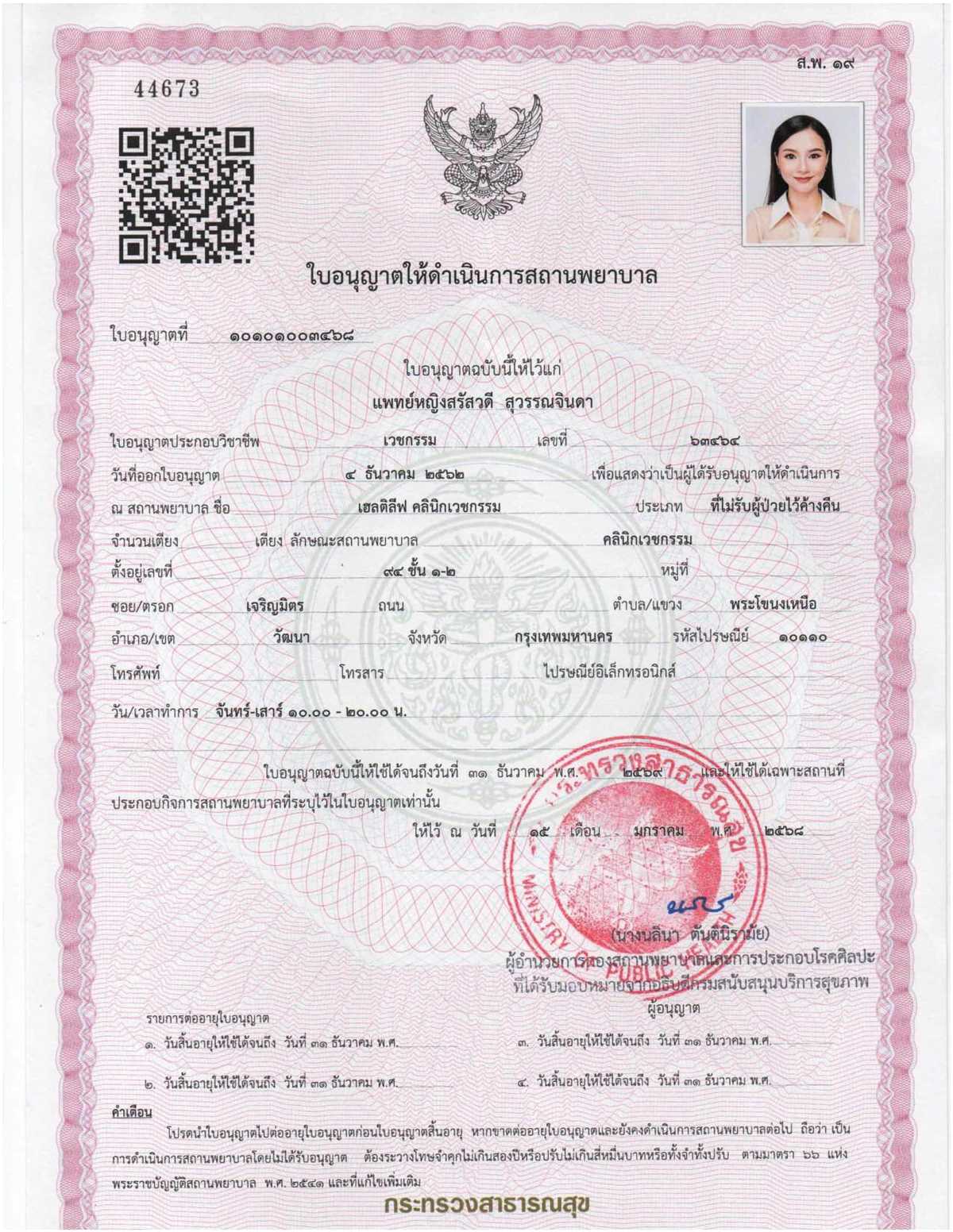
Healthi Life Longevity Center Certificate
Documentation displayed for Healthi Life Longevity Center; verify specific credentials, scope, and visit coverage directly at consultation.
07 / Risks and limits
Why trial numbers and real-world care differ
The evidence on stopping comes from trials with fixed designs, and real life differs.
- Trial participants received lifestyle support. Without it, regain can be faster.
- Averages hide wide variation. Some people keep most of the loss and some regain all of it.
- Weight is one outcome. Blood pressure, blood sugar and liver fat matter too.
- No study cited here tested a clinic's own protocol, including Healthi Life's.
Stopping because of a serious symptom, such as severe abdominal pain, repeated vomiting or signs of allergic reaction, is a medical matter. Seek care promptly and tell the prescriber.
08 / Questions to ask any clinic before stopping a GLP-1
Six practical questions before your next step
Bringing clear questions to a consultation helps you compare clinical reasoning, monitoring schedules, and potential costs before changing or ending a prescription.
- Do you recommend stopping now, tapering or switching, and what is the evidence for that choice?
- Which blood tests will you repeat, and when?
- How will you measure fat mass and lean mass before and after?
- What follow-up visits are planned in the first six months?
- If weight returns, what are the options, and what do they cost?
- If I take other medicines, such as diabetes tablets, does any dose need to change?
09 / FAQ
Frequently asked questions on stopping Ozempic
Click any question below to expand the answer based on trial findings and clinical guidance.
What happens if I stop taking Ozempic?
In the STEP 1 extension, adults who stopped semaglutide regained about two thirds of their lost weight within one year, from a mean loss of 17.3% to 5.6%. Appetite usually returns over several weeks. Trial averages; individual results vary and are not guaranteed. Ask your prescriber about a plan before the last dose.
How fast does weight come back after stopping Ozempic?
Regain is gradual in the trials. Participants in SURMOUNT-4 who switched from tirzepatide to placebo regained a mean 14.0% over 52 weeks (weeks 36 to 88), and the curve kept rising at the end. Speed varies with diet, activity, sleep and the individual. Trial averages; individual results vary and are not guaranteed.
Can I taper Ozempic instead of stopping suddenly?
Physicians sometimes lower the dose before stopping, but no taper schedule has been proven to prevent regain. Most trials stopped treatment abruptly, so evidence on tapering is limited. The decision depends on your dose, side effects and goals. Raise it with the prescribing physician, not with an online forum or a seller.
Does Healthi Life in Bangkok prescribe Ozempic?
No. Semaglutide is not part of the Healthi Life menu. The clinic prescribes Mounjaro (tirzepatide) after a physician's assessment, with baseline labs and a review every four weeks. If you took semaglutide elsewhere, bring the dose history and recent labs to the consultation.
How can I keep weight off after stopping a GLP-1?
Trials suggest weight is regained without ongoing support. Habits that physicians commonly discuss include a protein-adequate diet, resistance training, regular sleep and repeat measurements. These lower the risk of regain but do not remove it. A physician can help you set targets and decide whether another medicine fits.
Is it better to keep taking the medicine than to stop?
In STEP 4, adults who kept taking semaglutide after 20 weeks lost a further 7.9%, while those switched to placebo regained 6.9% (Rubino et al., JAMA 2021). That shows what continuing did in a trial. Whether to continue depends on side effects, cost, your health goals and your physician's advice. Trial averages; individual results vary and are not guaranteed.
References
1. Wilding JPH, Batterham RL, Davies M, et al. Weight regain and cardiometabolic effects after withdrawal of semaglutide: the STEP 1 trial extension. Diabetes Obes Metab. 2022;24:1553-1564. https://pubmed.ncbi.nlm.nih.gov/35441470/
2. Aronne LJ, Sattar N, Horn DB, et al. Continued treatment with tirzepatide for maintenance of weight reduction in adults with obesity: the SURMOUNT-4 randomized clinical trial. JAMA. 2024;331:38-48. https://pubmed.ncbi.nlm.nih.gov/38078870/
3. Rubino D, Abrahamsson N, Davies M, et al. Effect of continued weekly subcutaneous semaglutide vs placebo on weight loss maintenance in adults with overweight or obesity: the STEP 4 randomized clinical trial. JAMA. 2021;325:1414-1425. https://pubmed.ncbi.nlm.nih.gov/33755728/
This article is for information only and does not replace a medical consultation.






























Share this listing