
Share with AI


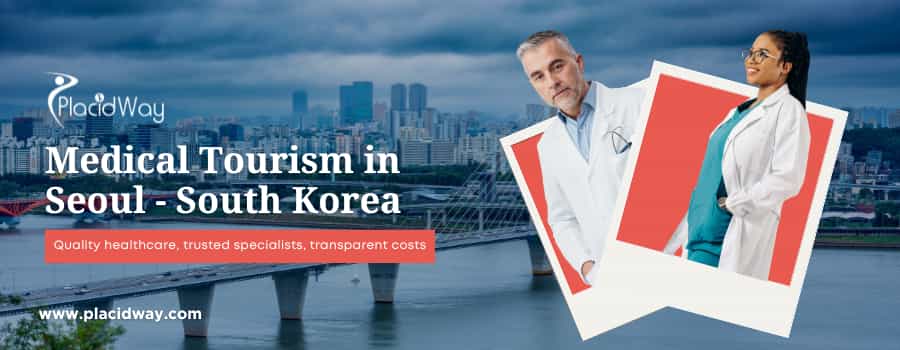
Seoul has rapidly transformed into a global powerhouse for healthcare, attracting hundreds of thousands of international patients annually who are seeking medical tourism in Seoul, South Korea. As the capital city, it represents the pinnacle of medical innovation, blending cutting-edge robotic technology with highly skilled specialists who have trained at top institutions worldwide. For patients tired of long waiting lists or exorbitant costs in their home countries, Seoul offers a compelling alternative where quality is never compromised for affordability.
Beyond its reputation as the plastic surgery capital of the world, Seoul boasts incredible success rates in complex fields such as oncology, cardiology, and orthopedics. The city's medical infrastructure is designed to cater to global visitors, featuring hospitals that rival luxury hotels in comfort and efficiency. With a focus on patient-centric care, affordable surgery in Seoul, South Korea is accessible without the bureaucratic hurdles often found in Western healthcare systems.
Recent data indicates that South Korea attracts over 400,000 international medical tourists annually, with Seoul hosting the vast majority of these patients due to its concentration of accredited university hospitals and specialized clinics.
Why Choose Seoul for Your Medical Treatment
Choosing to undergo medical procedures abroad is a significant decision, but Seoul provides a unique ecosystem that prioritizes patient safety and superior outcomes. The city is renowned for its "Bali-bali" (hurry-hurry) culture, which in the medical context translates to incredible efficiency—diagnosis, testing, and treatment plans are often finalized within days, not weeks. This speed, combined with the presence of best hospitals in Seoul, South Korea, ensures that your time is respected and utilized effectively.
Furthermore, the technological integration in Seoul's hospitals is unmatched. From AI-assisted diagnostics to minimally invasive robotic surgeries, the medical landscape here is futuristic. Patients choosing medical travel packages to Seoul benefit from these advancements, which often lead to faster recovery times and less post-operative pain compared to traditional methods.
- Advanced Technology: Widespread use of Da Vinci robotic surgical systems and Proton Therapy for cancer treatment.
- Cost Efficiency: Medical bills are typically 30-70% lower than in the US or Japan for comparable procedures.
- High Success Rates: Korea boasts some of the world's highest 5-year survival rates for gastric, thyroid, and colorectal cancers.
- Accredited Facilities: A high concentration of JCI-accredited hospitals ensuring international safety standards.
- Government Support: Strict government regulations protect international patients and ensure transparent pricing.
- Cultural Experience: The opportunity to recover in a city rich with history, cuisine, and modern entertainment.
South Korea has the highest number of CT and MRI scanners per capita among OECD countries, ensuring that diagnostic imaging is readily available without long wait times.
Cost of Popular Medical Treatments and Procedures
One of the primary drivers for medical tourism in Seoul, South Korea is the transparent and competitive pricing structure. While the cost is lower, it is vital to understand that this is due to lower government-controlled medical fees and operational costs, not a lack of quality. Patients can access premium services, including stem cell therapy in Seoul and complex orthopedic surgeries, at a fraction of the price found in North America.
Below is a detailed breakdown of costs for various sub-treatments. These figures are estimates and can vary based on individual patient needs and the specific facility chosen. This table highlights the potential savings for those seeking affordable knee replacement in Seoul, South Korea and other major interventions.
| Procedure / Sub-Treatment | Average Cost in Seoul ($) | Avg. Cost in USA ($) |
|---|---|---|
| Total Knee Replacement (Unilateral) | $10,000 - $14,000 | $35,000 - $50,000 |
| Total Hip Replacement (Titanium Implant) | $12,000 - $16,000 | $40,000 - $65,000 |
| Rotator Cuff Repair (Shoulder) | $5,000 - $8,000 | $15,000 - $25,000 |
| Stem Cell Therapy for Joints (Per Session) | $1,500 - $3,000 | $5,000 - $8,000 |
| Dental Implant (Titanium + Crown) | $900 - $1,500 | $3,000 - $5,000 |
| Rhinoplasty (Nose Reshaping) | $3,500 - $6,000 | $8,000 - $15,000 |
| Blepharoplasty (Double Eyelid Surgery) | $1,500 - $2,500 | $4,000 - $6,000 |
| LASIK Eye Surgery (Both Eyes) | $1,200 - $2,500 | $4,000 - $5,000 |
| Gastric Sleeve (Bariatric Surgery) | $9,000 - $13,000 | $15,000 - $25,000 |
| IVF Cycle (In Vitro Fertilization) | $4,500 - $6,500 | $12,000 - $17,000 |
| Spinal Fusion (Lumbar) | $14,000 - $20,000 | $60,000 - $100,000 |
| Coronary Angioplasty (Stent Placement) | $10,000 - $15,000 | $30,000 - $50,000 |
| Breast Augmentation (Implants) | $6,000 - $9,000 | $10,000 - $15,000 |
| Full Body Cancer Screening (Premium) | $500 - $1,500 | $2,500 - $5,000 |
South Korea performs the highest number of plastic surgery procedures per capita globally, leading to unmatched expertise and technique refinement among local surgeons.
How Medical Tourism Works in Seoul
The process of arranging medical travel to Seoul is streamlined to support international patients from the moment of inquiry. Hospitals have established specific international departments to handle logistics, language barriers, and appointment scheduling. Understanding this workflow helps alleviate anxiety and prepares you for a smooth experience when seeking medical treatment in Seoul, South Korea.
From the initial digital consultation to your return flight, every step is designed for convenience. Most centers offer a "Fast-Track" system for international patients to minimize waiting times for diagnostics and surgery. Here is what the typical journey looks like:
- Inquiry & Triage: You submit your medical records and imaging to the provider via a secure platform for preliminary assessment.
- Treatment Plan Proposal: The medical team reviews your case and provides a detailed treatment plan, cost estimate, and duration of stay.
- Visa & Travel Arrangements: Depending on the procedure, you may apply for a Medical Tourism Visa; flight and accommodation are booked.
- Arrival & Airport Pickup: Many hospitals offer concierge services, picking you up from Incheon International Airport.
- Consultation & Pre-op: You meet your doctor in person for final examinations and pre-operative testing.
- Procedure & Recovery: The treatment is performed, followed by recovery in a modern, comfortable hospital suite or hotel.
- Follow-up & Departure: Final check-ups are conducted, medical reports are translated, and you are cleared for travel home.
Myth: "The language barrier makes communication impossible."
Reality: This is a common misconception. Top-tier hospitals in Seoul employ full-time coordinators fluent in English, Russian, Arabic, and other languages to accompany patients during every consultation.
Myth: "Lower cost means lower quality equipment."
Reality: Quite the opposite. The lower cost is structural; the equipment in Seoul is often newer and more advanced than what is found in average community hospitals in the West.
Top Medical Districts and Hubs in Seoul
Seoul is a sprawling metropolis, but its medical infrastructure is clustered in specific districts known for different specialties. Understanding the geography of the city can help you choose the right location for your accommodation and treatment. Whether you are looking for best hospitals in Seoul, South Korea for cancer care or cosmetic enhancements, distinct hubs cater to these needs.
From the upscale streets of Gangnam to the research-intensive university districts, Seoul offers varied environments. Some areas are bustling with city life, perfect for minor procedures, while others offer tranquility for major surgical recovery.
- Gangnam District: Globally famous as the "Plastic Surgery Capital," this area has the highest concentration of dermatology and cosmetic surgery clinics.
- Songpa District: Home to some of the largest general hospitals in the country, ideal for complex surgeries like organ transplants and cardiac care.
- Seodaemun District: Known for university hospitals that specialize in cancer research, robotics, and difficult medical cases.
- Jongno District: Located near historical palaces, this area hosts long-standing medical institutions combining modern medicine with traditional Korean holistic care.
- Seocho District: A hub for specialized spine and joint clinics, offering advanced non-surgical and surgical orthopedic solutions.
When booking accommodation, try to stay within the same district as your clinic. Seoul's traffic can be heavy, and minimizing travel time post-surgery is crucial for comfort.
Patient Success Stories and Testimonials
Nothing speaks louder than the experiences of those who have already undertaken the journey. Thousands of patients return home from Seoul with life-changing results, whether it is renewed mobility from a hip replacement or confidence from a cosmetic procedure. Reading about these journeys can provide insight into what you can expect regarding care quality and emotional support.
These summarized accounts highlight the diversity of treatments sought by international patients. From complex oncology to elective aesthetics, the feedback consistently praises the efficiency, cleanliness, and kindness of the medical staff in Seoul.
Knee Replacement Success - Sarah from USA
"I was quoted $45,000 for one knee at home. In Seoul, I got both knees done for less than that, including my flights and hotel. The robotic surgery meant I was walking within days. The nurses were incredibly attentive."
Dental Implants - Mark from UK
"The dental technology in Seoul is years ahead. I had a full mouth restoration. The clinic in Gangnam was like a spaceship. Painless, professional, and half the price of London quotes."
Cancer Treatment - Elena from Russia
"We came for a second opinion on gastric cancer. The doctors in Seoul acted fast. The surgery was minimally invasive, and the post-op care was thorough. We felt very safe despite the language difference."
Rhinoplasty - Jessica from Australia
"I wanted a natural look, and Korean surgeons are masters of aesthetics. The 3D imaging beforehand showed me exactly what to expect. The recovery center was luxurious and private."
Medical Accreditations and Quality Standards
Safety is the paramount concern for any medical tourist. South Korea has a rigorous accreditation system to ensure that facilities inviting international patients meet global standards. When searching for medical travel packages, checking for these accreditations is the first step in vetting a provider. Seoul is home to numerous hospitals that hold the gold standard of global healthcare recognition.
Beyond international bodies, the Korean government plays an active role in quality assurance. The Ministry of Health and Welfare strictly evaluates hospitals, ensuring that the technology, hygiene, and administrative processes are up to par for handling foreign patients.
- JCI (Joint Commission International): Many top-tier hospitals in Seoul are JCI accredited, signifying they meet the highest international safety and quality benchmarks.
- KAHF (Korean Accreditation Program for Hospitals Serving Foreign Patients): A specialized certification specifically for facilities that demonstrate excellence in international patient care.
- KOIHA (Korea Institute for Healthcare Accreditation): The national body that rigorously tests and certifies hospital safety and performance.
- ISO Certification: Many specialized clinics hold ISO certifications for their management systems and medical device safety.
- Board Certification: Specialists are typically board-certified by the relevant Korean medical societies, requiring years of rigorous training.
Safety Protocols and Legal Protection
South Korea is one of the few countries with a robust legal framework specifically designed to protect medical tourists. The Act on Development of Overseas Medical Expansion and Attraction of International Patients ensures that unregistered brokers and illegal clinics are penalized, creating a safer environment for visitors. When you seek medical tourism in Seoul, South Korea, you are protected by laws that mandate malpractice insurance for providers.
In the unlikely event of a medical dispute, international patients have recourse through the Korea Medical Dispute Mediation and Arbitration Agency. This government body provides a neutral platform to resolve issues quickly and fairly, often without the need for expensive litigation.
- Mandatory Malpractice Insurance: Hospitals treating foreign patients are required to carry insurance to cover potential liability claims.
- Medical Mediation: Access to the Korea Medical Dispute Mediation and Arbitration Agency for fair conflict resolution.
- Strict Hygiene Laws: Post-pandemic, hygiene protocols in Korean hospitals are among the strictest in the world.
- Transparent Pricing: The government discourages price gouging; many procedures have standard market rates available for reference.
- Emergency Infrastructure: Seoul has a highly responsive 119 emergency system that is accessible to foreigners.
Always ensure your chosen clinic is officially registered with the Ministry of Health and Welfare to treat international patients. Unregistered clinics may not offer the same legal protections.
Cost of Living and Travel Expenses in Seoul
While medical costs are the primary concern, budgeting for your stay is equally important. Seoul offers a wide range of options, from budget-friendly guesthouses to luxury 5-star hotels. Generally, the cost of living in Seoul is lower than in New York or London but higher than in Southeast Asian medical hubs. Properly planning your daily expenses ensures your medical tourism in Seoul, South Korea experience remains within budget.
Food is relatively affordable, especially if you enjoy local cuisine. Transportation is exceptionally cheap and efficient, allowing you to move between your hotel and the clinic easily. Below are estimated costs for a medical tourist's daily needs.
- Budget Hotel / Guesthouse: $40 - $70 per night.
- Mid-Range Hotel (3-4 Star): $80 - $150 per night.
- Luxury Hotel (5 Star): $200 - $400+ per night.
- Meal (Inexpensive Restaurant): $7 - $12 per person.
- Meal (Mid-range Restaurant): $20 - $40 per person.
- Subway/Bus Ticket: $1.00 - $1.50 per trip.
- Taxi Start Rate: Approx. $3.50 (varies by time/type).
How to Plan Your Medical Trip to Seoul
Planning a medical trip abroad requires organization. To ensure a stress-free experience, it is best to start planning at least 1-2 months in advance, especially for major surgeries. Securing your medical appointment is just the first step; logistics like visas and recovery accommodation are crucial. Here is a checklist to guide you through planning your affordable surgery in Seoul, South Korea.
Following this structured approach will help you avoid common pitfalls and ensure that your focus remains on your health and recovery rather than logistical headaches.
- Step 1: Research & Consultation: Use a trusted platform to compare hospitals and request preliminary quotes based on your medical history.
- Step 2: Medical Visa Application: Check if your procedure requires a medical visa (C-3-3) and apply through the Korean embassy if necessary.
- Step 3: Book Flights & Stay: Schedule your arrival 1-2 days before the consultation. Book flexible return flights in case recovery takes longer.
- Step 4: Financial Preparation: Notify your bank of international travel and ensure you have access to funds for the procedure and daily expenses.
- Step 5: Pack Essentials: Bring all medical records, comfortable loose clothing for recovery, and any regular medications you take.
- Step 6: Download Apps: Install navigation apps (like Naver Map) and translation apps to help navigate the city easily.
- Step 7: Arrival: Meet your coordinator or transport service at the airport and proceed to your accommodation.
Incheon International Airport is consistently rated one of the best in the world and offers specific concierge desks for medical tourists to help you upon arrival.
How PlacidWay Facilitates Your Medical Journey
Navigating a foreign healthcare system can be daunting, which is where PlacidWay steps in. We act as your bridge to the best medical providers in Seoul, simplifying the process of finding the right doctor and facility for your specific needs. Our role is to provide you with information, facilitate communication, and help you compare options so you can make an educated decision.
We believe in transparency and patient empowerment. By using PlacidWay, you gain access to a curated network of accredited providers without the stress of cold-calling hospitals abroad. We streamline the information gathering process, allowing you to focus on what matters most: your health.
- Free Information Access: Our service of connecting you with clinics and providing quotes is completely free to you.
- Direct Payment: You pay the medical provider directly for your treatment; we do not handle your medical payments.
- Customized Comparisons: We help you gather multiple quotes to compare costs and treatment plans effectively.
- Provider Verification: We feature clinics that meet our rigorous standards for quality and international patient care.
- Communication Support: We assist in bridging the communication gap between you and the medical facility during the inquiry stage.
Frequently Asked Questions About Medical Tourism in Seoul
Yes, international patients often require a Medical Tourism Visa (C-3-3 or G-1-10) depending on the length of treatment. Short procedures may be covered under standard tourist entry, but it is crucial to verify with the Korean embassy and your medical coordinator.
Absolutely. Many major hospitals in Seoul hold Joint Commission International (JCI) accreditation, ensuring global safety standards. Additionally, the Korean government strictly regulates facilities through the Korea Accreditation of Healthcare Organization (KOIHA).
Patients typically save between 30% to 70% on medical procedures in Seoul compared to the United States. While costs are significantly lower, the quality of care and technology remains world-class.
Leading hospitals and clinics catering to international patients have dedicated International Healthcare Centers. These facilities provide professional interpreters and coordinators fluent in English, Russian, Arabic, and Chinese to assist you throughout your journey.
Reputable providers in Seoul offer follow-up protocols, often including telemedicine consultations. Before leaving, you will receive detailed medical records and instructions to share with your local physician for continuity of care.
Seoul is consistently ranked as one of the safest cities in the world with low crime rates. The public transportation system is excellent and safe, making it a viable destination for solo medical tourists.
Yes, the South Korean government often operates a tax refund system for tourists undergoing specific cosmetic and plastic surgery procedures. You can claim this refund at the airport upon departure with valid documentation from the clinic.
Most international medical centers accept major credit cards, wire transfers, and cash in Korean Won or US Dollars. It is advisable to notify your bank of your travel plans to avoid transaction blocks.
Spring (April-May) and Autumn (September-October) offer the most comfortable weather for recovery. However, medical facilities operate year-round with climate-controlled environments.
You can verify a surgeon's credentials by checking if they are board-certified by the Korean Ministry of Health and Welfare. PlacidWay also assists by connecting you with pre-vetted providers who meet high professional standards.
Are you ready to access world-class healthcare at affordable prices? Do not let high costs or long waiting times delay your treatment. PlacidWay is here to connect you with the best hospitals and surgeons in Seoul, ensuring you receive the quality care you deserve. Request a free, no-obligation quote today and take the first step toward your transformation.


.png)
.png)
.png)
.png)
.png)




.png)


.png)








Share this listing