
Share with AI


.png)
Munich is globally renowned not only for its rich cultural heritage and economic strength but also as a premier hub for advanced medical tourism in Munich, Germany. As the capital of Bavaria, the city hosts a dense network of university hospitals and specialized private clinics that set international standards for patient care and medical technology. Patients traveling here gain access to a healthcare ecosystem where rigorous German efficiency meets compassionate, patient-centered service, ensuring outcomes that often exceed global benchmarks.
The city attracts thousands of international patients annually who seek expertise in complex fields such as oncology, cardiology, and orthopedics. With a healthcare infrastructure ranked among the best in the world, Munich offers a safe, regulated, and high-quality environment for treatment. Whether you require minimally invasive spine surgery or cutting-edge fertility treatments, the medical landscape here is designed to handle the most challenging cases with precision.
Germany consistently ranks in the top tier of the Euro Health Consumer Index, with Munich's specialized clinics treating over 250,000 inpatients annually, a significant percentage of whom are international medical travelers seeking superior care.
Why Choose Munich, Germany for Medical Travel
Choosing to undergo a medical procedure abroad is a significant decision, yet the arguments for selecting Munich are compelling for patients prioritizing quality over lowest-possible cost. The region is a powerhouse of medical research, often being the first in Europe to adopt new technologies such as robotic-assisted surgery and proton therapy for cancer. When you opt for specialized treatment in Munich, you are placing your health in the hands of physicians who are often professors and researchers at the forefront of their fields.
Beyond the technology, the holistic approach to patient management distinguishes Munich from other destinations. The healthcare system here emphasizes thorough diagnostics and comprehensive rehabilitation, ensuring that the patient's journey from diagnosis to full recovery is seamless. The combination of strict government regulations and a culture of perfectionism ensures that safety standards are rigorously maintained.
- World-Leading Specialists: Access to doctors who are pioneers in neurosurgery, cardiology, and orthopedics.
- Cutting-Edge Technology: Widespread availability of Da Vinci robotic systems, CyberKnife, and advanced MRI diagnostics.
- Strict Hygiene Standards: Germany has some of the world’s strictest hospital hygiene and infection control laws.
- Transparent Pricing: The DRG (Diagnosis Related Groups) system ensures billing transparency for international patients.
- English Proficiency: Medical staff in Munich are highly fluent in English, minimizing communication barriers.
- Comprehensive Rehabilitation: Bavaria is famous for its "Reha-Kliniken" (rehab clinics) that aid faster recovery post-surgery.
- Strategic Location: Excellent flight connections make it accessible for patients from the US, Middle East, and Asia.
Munich has the highest density of doctors per capita in Germany, ensuring that patients have access to highly specialized second opinions and interdisciplinary medical boards for complex cases.
Cost of Popular Medical Treatments and Procedures
While Germany is not a low-cost destination like some Asian or South American countries, it offers exceptional value when compared to the United States. Patients typically save 40% to 60% on complex surgeries in Munich without compromising on quality or safety. The cost structure is transparent, regulated by federal law, which prevents arbitrary pricing for international visitors.
The table below outlines the estimated costs for various sub-treatments. Please note that these are average estimates and final prices depend on individual diagnosis, duration of stay, and specific hospital fees. The comparison highlights the savings against US prices, where these procedures are often prohibitively expensive.
| Medical Procedure | Average Cost in Munich ($) | Avg. Cost in USA ($) |
|---|---|---|
| Total Knee Replacement (Unilateral) | $19,000 - $24,000 | $45,000 - $70,000 |
| Total Hip Replacement | $21,000 - $26,000 | $40,000 - $65,000 |
| Stem Cell Therapy (Orthopedic) | $12,000 - $18,000 | $20,000 - $35,000 |
| Coronary Artery Bypass Graft (CABG) | $35,000 - $45,000 | $120,000 - $200,000 |
| Spine Fusion Surgery (Lumbar) | $28,000 - $35,000 | $80,000 - $130,000 |
| IVF Cycle (Standard) | $5,500 - $7,500 | $12,000 - $17,000 |
| LASIK Eye Surgery (Both Eyes) | $3,500 - $5,000 | $4,000 - $6,000 |
| Dental Implants (Per Tooth + Crown) | $2,000 - $3,000 | $3,500 - $5,500 |
| Sleeve Gastrectomy (Weight Loss) | $15,000 - $19,000 | $20,000 - $30,000 |
| Breast Augmentation | $6,500 - $8,500 | $8,000 - $12,000 |
| Shoulder Arthroscopy | $10,000 - $14,000 | $20,000 - $30,000 |
| Prostate Cancer Surgery (Da Vinci) | $22,000 - $28,000 | $40,000 - $80,000 |
| Cataract Surgery (Monofocal/Eye) | $2,500 - $3,500 | $4,000 - $6,000 |
How Medical Tourism Works in Germany
Understanding the process of obtaining medical care in a foreign country is crucial for a stress-free experience. The German system is highly organized, requiring clear documentation and adherence to specific protocols before travel. This structure ensures that upon arrival, your focus can remain entirely on your treatment and recovery rather than administrative hurdles.
From the initial inquiry to your return flight, the pathway for international patients in Munich is designed to be transparent. Hospitals typically have dedicated International Patient Departments (IPDs) that coordinate every step of the logistics. Here is the typical workflow for a medical tourist:
- Initial Inquiry: Submit your current medical reports, MRI scans, and history to the provider for review.
- Cost Estimate & Plan: The hospital provides a detailed treatment plan and a cost estimate (Kostenvoranschlag).
- Payment & Visa: You transfer the estimated amount; the hospital issues an invitation letter for your medical visa application.
- Travel & Admission: Arrive in Munich, undergo pre-operative tests, and get admitted to the facility.
- Treatment & Rehab: Undergo the procedure followed by immediate post-operative care and rehabilitation.
- Final Billing & Discharge: Receive final bill (refund or extra payment) and discharge papers in English.
- Follow-Up: Maintain contact with your Munich specialist via telemedicine after returning home.
Always request your medical records in English. While German doctors are multilingual, having your home records translated facilitates a faster and more accurate initial assessment.
Many patients assume that German healthcare is inaccessible or overly bureaucratic. A common myth is that the language barrier makes treatment difficult; in reality, Munich is an international city where English is the standard language of business and medicine. Another misconception is that you must wait months for surgery, whereas international private patients often receive priority scheduling.
Top Medical Destinations in Munich
Munich is not dominated by a single hospital but rather features a network of excellence spread across several districts. Each area often specializes in different aspects of medicine, ranging from large university-affiliated research centers to private boutique clinics that offer luxury amenities alongside medical care. Understanding these districts helps patients choose the right environment for their medical journey to Germany.
The city's medical infrastructure is integrated with its urban transport, making access easy. Whether you are looking for a facility near the serene Isar River for a peaceful recovery or a central location near the historic Marienplatz, Munich offers diverse options tailored to international needs.
- University Hospital Districts: These areas host large, multi-disciplinary centers known for handling the most critical and complex cases, including organ transplants and rare cancers. They are hubs of academic research and innovation.
- Bogenhausen Medical Hub: Known for upscale private clinics and specialized centers focusing on orthopedics, cardiology, and cosmetic surgery. This area offers a quieter, more residential atmosphere conducive to recovery.
- City Center (Innenstadt) Specialists: The heart of Munich contains numerous day-surgery centers and specialized practices for ophthalmology, dentistry, and dermatology, allowing patients to stay in central hotels.
- Rehabilitation Centers in the Outskirts: Just outside the city limits, near the Bavarian lakes, you will find world-class rehabilitation facilities that combine intensive therapy with fresh air and nature.
Patient Success Stories and Testimonials
Nothing speaks louder than the experiences of those who have already traveled for care. Patients from across the globe choose Munich for life-changing procedures, often finding solutions that were unavailable in their home countries. These stories highlight the expertise, compassion, and technical capability of Munich's medical community.
From restoring mobility to beating aggressive diseases, the outcomes achieved here transform lives. Below are summaries of real patient journeys (names anonymized for privacy) that illustrate the standard of healthcare in Bavaria.
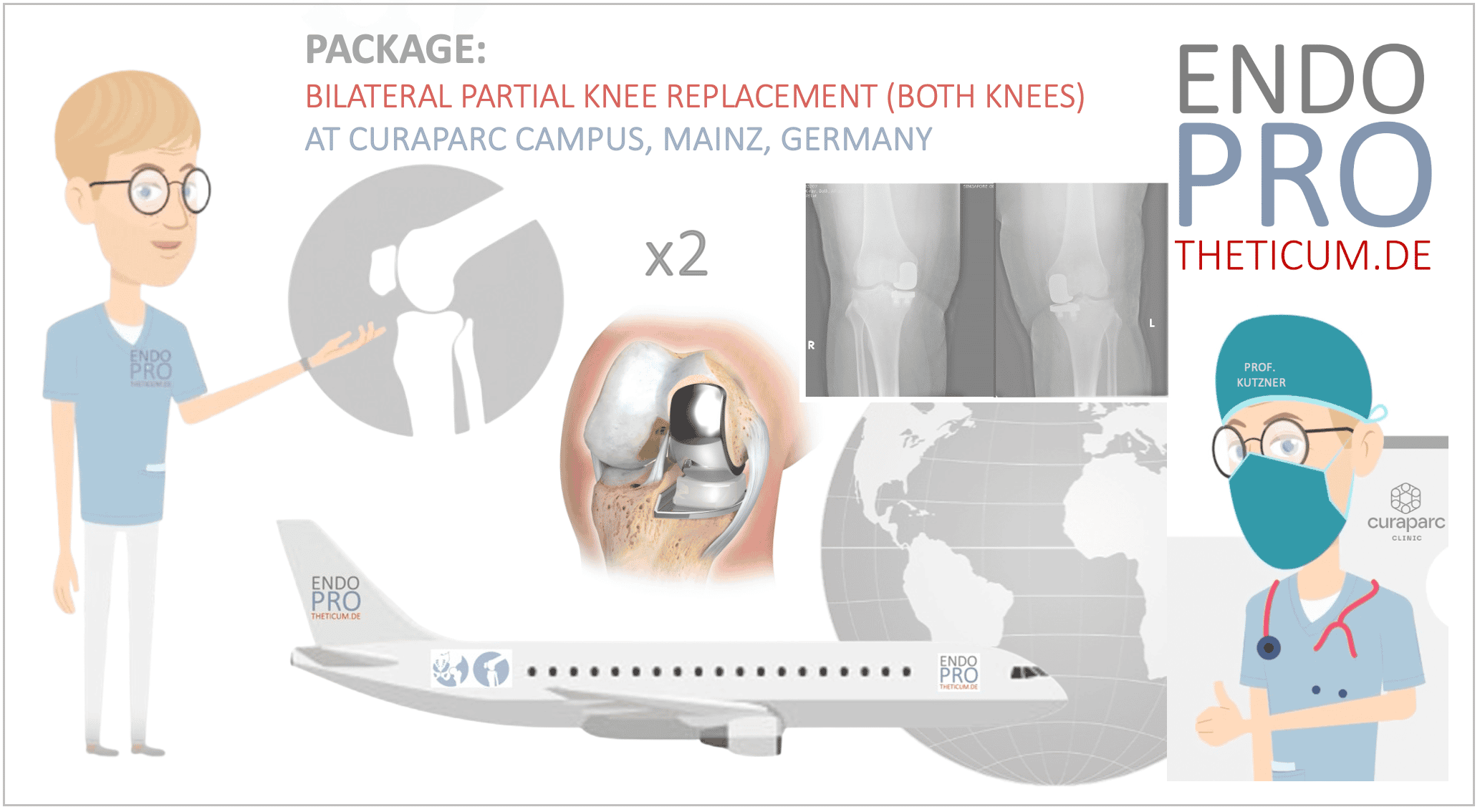
Complex Knee Reconstruction (Patient from USA)
"After being told I needed a full knee replacement at 45, I sought a second opinion in Munich. The specialist performed a partial reconstruction instead, saving my natural joint. I was walking within two days and hiking again in six months."
Cardiac Valve Repair (Patient from UAE)
"The robotic valve repair surgery was minimally invasive. I avoided the large chest scar typical of open-heart surgery. The precision and the nursing care in Munich were simply world-class."
Spinal Disc Replacement (Patient from UK)
"Suffering from chronic back pain, I traveled to Munich for an artificial disc replacement. The efficiency of the clinic was incredible. No waiting lists, clear pricing, and I am finally pain-free."
Advanced Fertility Treatment (Couple from Canada)
"We struggled with IVF for years. The clinic in Munich used advanced diagnostic techniques to identify the underlying issue. We are now proud parents of twins. The personalized attention made all the difference."
Medical Accreditations and Quality Standards
Germany enforces some of the most stringent quality controls in the world for its healthcare facilities. When choosing a hospital in Munich, accreditation is a key indicator of safety, hygiene, and process efficiency. These certifications are not merely administrative badges but represent rigorous, ongoing audits of clinical performance and patient safety protocols.
International patients should look for facilities that hold recognized certifications. This ensures that the medical treatment in Munich you receive adheres to standardized protocols, minimizing risks and maximizing surgical success rates.
- KTQ (Cooperation for Transparency and Quality): A leading German certification focusing on patient orientation, safety, and leadership.
- JCI (Joint Commission International): The gold standard for global healthcare, held by several top-tier institutions in the region.
- ISO 9001: Validates the quality management systems of the hospital, ensuring consistent operational excellence.
- TÜV SÜD: A technical inspection association that audits medical devices and clinical hygiene standards.
- OnkoZert: A specific certification for cancer centers, ensuring they meet the requirements of the German Cancer Society.
Safety, Legal Recourse, and Liability
Safety is the cornerstone of the German medical system. Munich's hospitals operate under strict federal laws that mandate high hygiene standards, rigorous staff training, and continuous monitoring of surgical outcomes. For international patients, this legal framework provides a significant layer of security and peace of mind that is not available in unregulated markets.
In the unlikely event of medical malpractice, Germany has a defined legal structure to protect patients. Doctors and hospitals are required by law to carry professional liability insurance. While litigation is rare due to high standards of care, the legal system allows for recourse and compensation if negligence is proven. Additionally, the General Data Protection Regulation (GDPR) ensures your medical data is handled with the highest level of privacy and security.
Germany has one of the lowest rates of hospital-acquired infections in Europe, thanks to the "Aktion Saubere Hände" (Clean Hands Campaign) and strict sterilization laws enforced in all Munich clinics.
Cost of Living for Medical Tourists in Munich
While treatment costs are the primary concern, budgeting for accommodation, food, and transport is essential for a well-planned trip. Munich is an affluent city, and prices can be higher than in other parts of Germany. However, a range of options exists, from luxury hotels near clinics to affordable serviced apartments designed for long-term medical stays.
The city boasts an excellent public transport system (MVG), reducing the need for expensive taxis. Many patients find that staying slightly outside the city center offers better value while remaining just a short train ride away from major hospitals. Below are estimated daily costs for a medical tourist and their companion:
- Accommodation (3-Star Hotel): $100 - $150 per night.
- Accommodation (Luxury/5-Star): $300 - $500+ per night.
- Daily Meals (Mid-range): $40 - $60 per person.
- Public Transport Day Pass: Approx. $9 - $12 (covers all zones).
- Private Taxi (Airport to City): Approx. $80 - $100.
- Sim Card / Data: $20 - $30 for a monthly package.
How to Plan Your Medical Trip to Munich
Proper planning is the key to a successful medical journey. Munich's popularity as a travel destination means that hotels and flights can book up quickly, especially during peak seasons like summer or Oktoberfest (late September). Coordinating your medical schedule with travel logistics ensures you avoid unnecessary stress.
To ensure a smooth experience, start planning at least 4-6 weeks in advance. This allows ample time for visa processing, medical consultations, and financial arrangements. Here is a checklist to guide your preparation for surgery in Germany:
- Gather Medical Documents: Compile all recent X-rays, MRIs, and doctor's notes in digital format.
- Check Visa Requirements: Determine if you need a Schengen Medical Visa and request the invitation letter early.
- Financial Planning: Ensure your bank allows large international transfers for the treatment deposit.
- Pack Appropriately: Bring comfortable clothing for rehabilitation and any regular medications you take.
- Notify Your Local Doctor: Inform your home physician about your travel plans for seamless post-care integration.
- Install Transport Apps: Download apps like MVG Fahrinfo or Uber to navigate the city easily upon arrival.
German medical culture values directness and punctuality. Expect appointments to start exactly on time and doctors to be very straightforward about diagnoses and risks. This honesty is a sign of respect and professional integrity. Also, expect a strong emphasis on early mobilization; German physiotherapy protocols often encourage movement very soon after surgery to speed up recovery.
How PlacidWay Facilitates Your Medical Treatment in Munich
Navigating the German healthcare system from abroad can be daunting, but PlacidWay simplifies the process by serving as your bridge to top-tier medical providers in Munich. We understand the specific needs of international patients and work to ensure you have all the information required to make a confident decision about your health.
Our platform allows you to explore options, compare costs, and communicate directly with providers. We streamline the initial phases of your journey, allowing you to focus on what matters most: your health. Please note that our role is to connect and inform.
- Direct Connection: We introduce you directly to the medical centers, removing communication barriers.
- Free Information Access: Our assistance in gathering quotes and information is completely free of charge to you.
- Transparent Payments: You pay the clinic directly for your treatment; we never handle your medical funds.
- Customized Options: We help you find providers that match your specific medical needs and budget preferences.
- Educational Resources: Access our library of guides and articles to prepare for your medical trip to Munich.
Frequently Asked Questions About Medical Tourism in Munich
Yes, patients from outside the EU/EEA typically require a medical treatment visa (Schengen Visa Type C for short stays or Type D for longer treatments). You will need a letter of invitation from the German hospital confirming your treatment plan and proof of financial resources.
Language is rarely a significant barrier as most senior doctors and medical staff in Munich speak fluent English. Many major hospitals also offer dedicated international departments with interpreters for Arabic, Russian, and other languages.
Germany is known for efficiency, and private or international patients typically experience very short waiting times. Once your treatment plan is confirmed, surgery can often be scheduled within a few weeks, unlike the long waitlists found in other public healthcare systems.
Yes, German hospitals adhere to strict quality standards. Many hold prestigious accreditations such as the Joint Commission International (JCI), ISO 9001 certification, and the local KTQ (Cooperation for Transparency and Quality in Healthcare) seal.
Most hospitals require an upfront deposit or full payment of the estimated cost before treatment begins. Payments are typically made via bank transfer directly to the hospital's international patient account, and credit cards are widely accepted for smaller fees.
Absolutely, most hospitals in Munich encourage family support and offer accommodation options for companions, such as suite upgrades or nearby partner hotels. If your companion requires a visa, the hospital can include them in the invitation letter.
Yes, German law strictly mandates that all practicing physicians and hospitals carry comprehensive professional liability insurance. This ensures that patients have legal protection and recourse in the extremely rare event of medical error.
Before discharge, you will receive detailed medical reports and a follow-up plan to share with your local doctor. Many specialists in Munich offer remote consultations or telemedicine services to monitor your recovery progress after you leave Germany.
Medical costs in Germany are regulated by the DRG (Diagnosis Related Groups) system and the GOÄ (Fee Schedule for Physicians), ensuring transparency. While costs are generally fixed based on the procedure, final bills may vary slightly depending on the length of stay and complexity of care.
Munich is home to some of the world's leading specialized orthopedic centers, pioneering minimally invasive techniques and robotic-assisted surgeries. The city attracts elite athletes from around the globe for knee, hip, and spine treatments due to its high success rates.
Take the first step towards better health and precision recovery. Contact PlacidWay today to receive free quotes, compare top-rated providers, and begin planning your medical journey to Munich, Germany. Our team is ready to connect you with the expertise you deserve.




.png)

Share this listing