
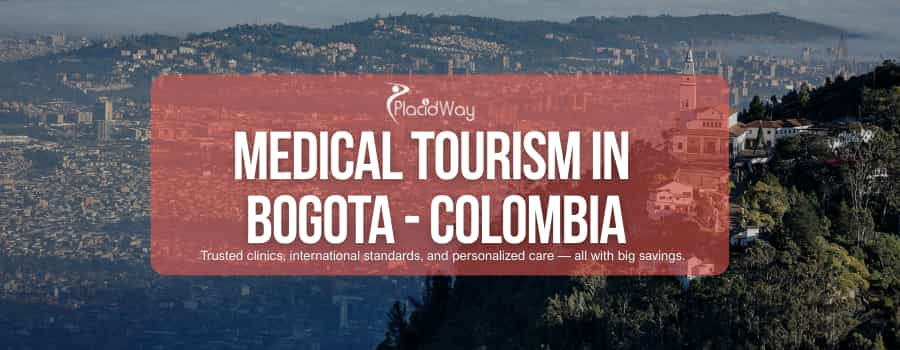
Healing in the Andes: The Complete Guide to Medical Tourism in Bogota, Colombia
Stepping through the sliding glass doors of El Dorado International Airport, the crisp, 8,600-foot Andean breeze immediately reminds you that this journey is fundamentally different from a typical hospital visit back home. Your pre-arranged private driver is already waiting curbside with a warm smile, ready to navigate the vibrant, brick-lined streets of the capital while you settle into the back seat and finally let out a breath of relief.
For thousands of patients traveling from the United States and Canada each year, the anxiety of overwhelming healthcare costs begins to melt away the moment they arrive. Pursuing medical tourism in Bogota, Colombia, offers a profound shift in perspective, blending meticulously structured clinical care with the comforting, culturally rich embrace of a world-class South American metropolis.
Key Takeaways
- Patients traveling from North America typically find procedure cost savings ranging between 40% and 70% compared to domestic healthcare pricing as of 2024.
- Bogota is home to multiple top-tier hospitals holding Joint Commission International (JCI) and local ICONTEC accreditations.
- The city sits at an elevation of 2,640 meters (8,660 feet), requiring specific pacing and hydration protocols during post-operative recovery.
- Premium medical facilities are strategically clustered in upscale, tourist-friendly neighborhoods like Usaquén and Chapinero.
- Citizens of the United States and Canada do not require a pre-approved visa for medical stays lasting under 90 days.
Why Do North Americans Choose Medical Tourism in Bogota, Colombia?
Making the decision to leave your home country for healthcare requires an immense amount of trust, and it is completely normal to weigh the benefits against the unfamiliarity of a new city. Bogota answers this apprehension by offering a sophisticated healthcare infrastructure seamlessly woven into a culturally captivating urban landscape.
- Exceptional Medical Standards: The city's leading institutions maintain strict clinical guidelines overseen by local bodies like ICONTEC, ensuring hospital protocols mirror those found in North America. While you recover, you are treated in facilities that rival top US hospitals in both technology and hygiene.
- Financial Predictability: Transparent pricing structures allow patients to bundle complex surgical costs with luxurious recovery accommodations for less than a standard domestic deductible. This financial freedom means you can afford a premium hotel suite in the safe, leafy district of Chico rather than recovering in a cramped room at home.
- Unparalleled Hospitality: Colombian culture is deeply rooted in warmth and attentive care, transforming the often-sterile medical experience into a supportive journey. Nurses and hospitality staff alike share a genuine dedication to your comfort, making your stay in the capital feel incredibly welcoming.
- Engaging Recovery Environment: Unlike isolated clinical zones, Bogota’s medical hubs are steps away from emerald museums, artisan cafes, and peaceful city parks. This integration allows you to participate in gentle, doctor-approved sightseeing without straying far from your surgical team.
- Convenient Geographic Access: Direct flights from major US hubs like Miami, New York, and Houston make reaching the Andean capital highly efficient. The shorter travel times minimize pre-surgery fatigue and make the return journey much more comfortable for recovering patients.
What Are the Most Popular Medical Procedures in Bogota?
Understanding the clinical specialties of a destination helps you align your specific healthcare needs with the city's strongest medical assets. Bogota has cultivated global recognition for several advanced specialties, drawing international patients who want to blend top-tier treatment with an inspiring travel experience.
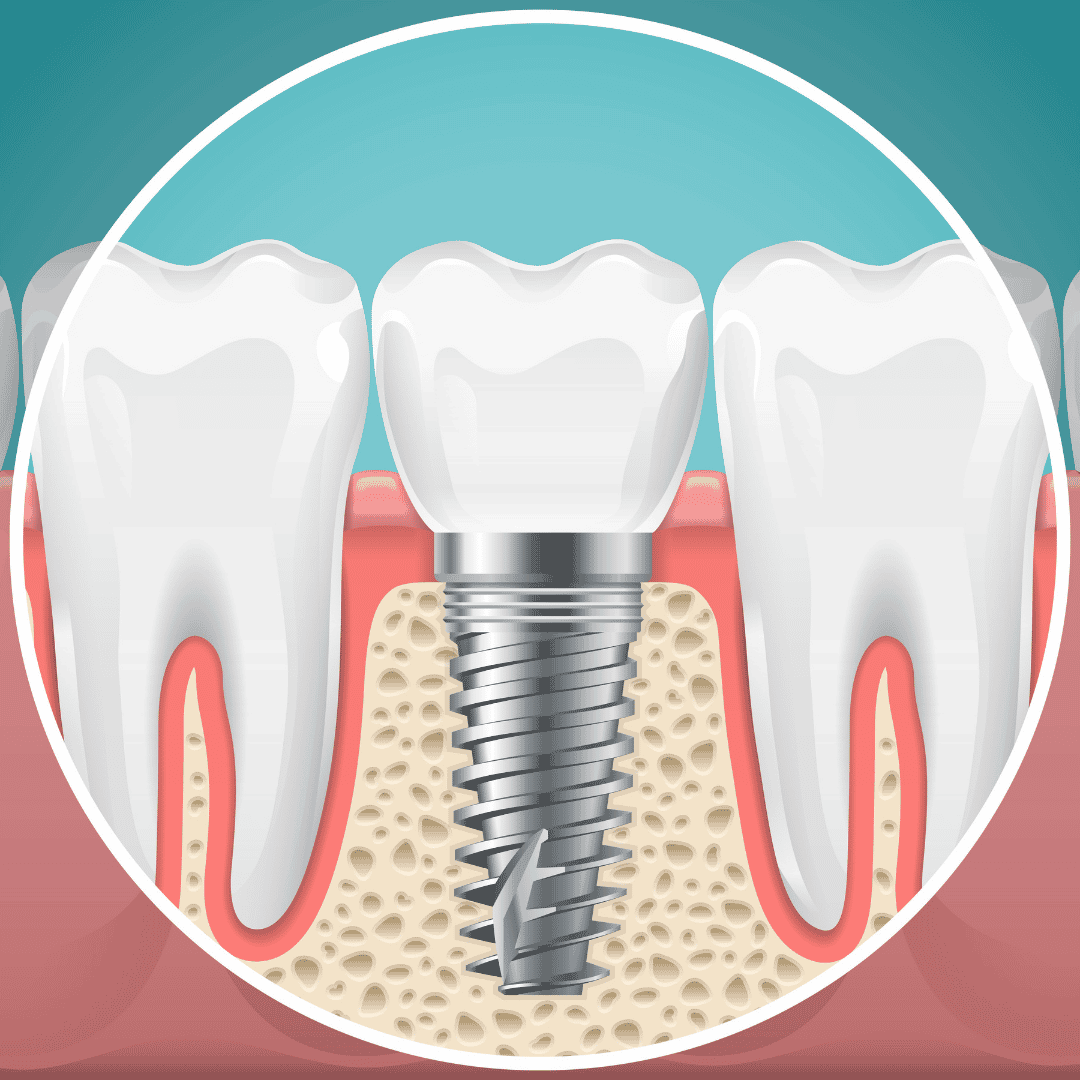
- Advanced Dentistry and Implants: The capital is highly regarded for full-mouth restorations and cosmetic dentistry, utilizing globally recognized materials like titanium and zirconia. Between appointments, dental patients often enjoy exploring the historic La Candelaria district, as their mobility remains completely unaffected.
- Cardiovascular Care: Housing some of Latin America’s most prestigious heart institutes, the city provides complex cardiac surgeries and advanced diagnostics. Recovery for these patients typically involves extended stays in tranquil, high-end hotels where they can safely rest while enjoying panoramic views of the surrounding mountains.
- Cosmetic and Reconstructive Surgery: Board-certified plastic surgeons in the capital are renowned for their refined techniques and natural-looking results in facial and body contouring. Post-operative care is highly structured, allowing patients to discretely recover in boutique accommodations tailored specifically for medical guests.
- Bariatric and Weight Loss Surgery: Multidisciplinary obesity clinics offer comprehensive packages that include the surgery, nutritional counseling, and psychological support. Patients find the city's abundant access to fresh, healthy Andean produce incredibly beneficial as they transition to their new dietary routines.
- Fertility Treatments (IVF): World-class reproductive endocrinologists offer IVF and egg donation protocols at a fraction of North American prices. The emotionally taxing nature of fertility treatments is beautifully offset by the calming, romantic atmosphere of Bogota’s upscale dining and arts scene.
- Ophthalmology and Vision Correction: Laser eye surgery and advanced cataract treatments are performed using state-of-the-art laser platforms. Patients appreciate the rapid recovery times, which quickly allow them to take in the stunning visual details of the Gold Museum or the vibrant street art of the capital.
How Do Medical Costs in Bogota Compare to the United States and Canada?
It is completely understandable to feel anxious about the financial burden of major medical care in North America, where out-of-pocket expenses can quickly drain savings. By looking at average pricing, patients can see exactly how a medical trip to Colombia can drastically reduce their financial stress.
The data below illustrates typical estimated ranges for procedures, allowing you to budget effectively for both your treatment and your cultural exploration. Keep in mind that these estimates are averages as of early 2024, and final costs will always depend on your unique clinical needs and the specific hospital chosen.
| Medical Procedure | Estimated Cost (USA) | Estimated Cost (Bogota) | Tourism & Recovery Integration |
|---|---|---|---|
| Gastric Sleeve Surgery | $15,000 - $25,000 | $4,500 - $6,500 | Recovery involves short, guided walks in flat, safe park areas like Parque El Virrey to promote circulation. |
| Dental Implant (Per Tooth) | $3,000 - $5,000 | $800 - $1,300 | Minimal downtime allows patients to fully engage in museum tours and high-end shopping in the Zona T. |
| Rhinoplasty | $8,000 - $12,000 | $3,500 - $5,000 | Requires sun avoidance, making Bogota's cool, often overcast Andean climate ideal for post-operative healing. |
| In Vitro Fertilization (IVF) | $12,000 - $15,000 | $4,000 - $6,000 | A stress-free environment is vital, perfectly matching the relaxing atmosphere of luxury spas in Usaquén. |
| Hip Replacement | $30,000 - $45,000 | $10,000 - $14,000 | Patients utilize specialized medical transport to navigate the city, enjoying scenic drives through the historic center. |
Navigating Bogota’s Top-Tier Hospitals and Local Accreditations
Safety and clinical excellence are rightfully the top concerns for anyone traveling abroad for surgery. Bogota addresses this by maintaining a network of highly regulated, internationally respected medical institutions that sit right in the heart of the city's most desirable districts.
- Understanding ICONTEC Accreditation: The Colombian Institute of Technical Standards and Certification (ICONTEC) acts as the gold standard for domestic medical quality. Hospitals holding this badge have proven their commitment to rigorous hygiene, patient safety protocols, and continuous medical education.
- JCI-Accredited Powerhouses: Several leading facilities in the capital proudly hold Joint Commission International accreditation, a familiar and comforting benchmark for US patients. Knowing your hospital meets these stringent global standards provides immense peace of mind before you even board your flight.
- Fundación Santa Fe de Bogotá: Located near the charming, cobblestoned neighborhood of Usaquén, this premier hospital is renowned for its architectural beauty and clinical excellence. After consultations, patients and their families often stroll through the nearby artisanal markets to relax.
- Clínica del Country: Situated in an upscale commercial and residential area, this facility is surrounded by excellent hotels and highly rated restaurants. This central location ensures that your travel companion can comfortably explore the city while you receive world-class care.
- Dedicated International Patient Departments: Most major hospitals feature specialized wings designed explicitly for foreign visitors, offering multilingual staff and personalized concierge services. These departments act as your liaison, effortlessly bridging the gap between your medical schedule and your tourism itinerary.
Is Bogota Safe for Medical Tourists from North America?
It is incredibly common to have lingering questions about urban safety when visiting South America for the first time. By understanding the layout of the city and adhering to standard travel precautions, you can enjoy a deeply secure and highly rewarding medical journey.
- Staying in Verified Neighborhoods: Medical tourists are almost exclusively housed in premium northern districts like Chicó, Rosales, and Parque 93. These areas boast heavy private security, well-lit streets, and an atmosphere comparable to upscale neighborhoods in major US cities.
- Secure Ground Transportation: Leading clinics coordinate private, vetted drivers for all your airport transfers and medical appointments. Avoiding street taxis and relying on these dedicated services ensures you traverse the city safely and without language-barrier stress.
- Hospital Security Protocols: Premium healthcare facilities in the capital employ strict access controls, 24-hour surveillance, and dedicated patient safety teams. Your personal belongings and medical records are guarded with the same vigilance you would expect from a top-tier North American institution.
- Discreet Tourism Practices: When exploring areas like the historic La Candelaria or the bustling Paloquemao market, it is best to leave flashy jewelry and designer accessories in your hotel safe. Blending in with the locals allows you to focus on the vibrant culture rather than attracting unwanted attention.
- Constant Clinic Communication: Your dedicated patient coordinator monitors your itinerary and remains available via WhatsApp 24/7. This continuous line of communication means you are never truly alone, providing a vital safety net whether you are in a hospital bed or a local cafe.
How Does the High Altitude of Bogota Affect Surgery and Recovery?
Many first-time visitors are surprised to learn that the capital sits on a high plateau at 2,640 meters (8,660 feet) above sea level. This unique geography plays a crucial role in how you must approach both your clinical recovery and your tourism activities.
The thinner air requires your body to work slightly harder to oxygenate blood, meaning pacing is absolutely essential. By following a structured timeline, you can safely acclimate while still enjoying the majestic views of the surrounding Andean peaks.
| Recovery Phase | Altitude Medical Consideration | Appropriate Tourism Activity |
|---|---|---|
| Days 1-2 (Arrival) | Body requires adjustment to lower oxygen levels; deep hydration is mandatory. | Rest in your hotel room; enjoy panoramic city views from your window while acclimating. |
| Days 3-5 (Post-Op) | Heart rate may elevate quicker during exertion; follow surgeon's walking limits strictly. | Short, flat walks in Parque 93 or visiting accessible, indoor museum exhibits with seating. |
| Days 6-10 (Healing) | Acclimatization improves, but heavy lifting or steep inclines remain dangerous. | Enjoying a multi-course tasting menu at a high-end restaurant in the Zona G dining district. |
| Late Recovery Phase | Stamina returns, though the thin air will still cause faster fatigue than at sea level. | Taking the funicular (cable car) up to Mount Monserrate to avoid physical climbing while securing the best view. |
Language and Communication: Do Doctors in Bogota Speak English?
The fear of not being understood during a critical health moment is entirely valid and deeply human. Fortunately, the medical tourism sector in Colombia has actively built a robust, bilingual infrastructure to ensure crystal-clear communication throughout your stay.
- Bilingual Medical Specialists: The vast majority of top-tier surgeons and clinical directors have completed fellowships in the US or Europe and are highly fluent in English. You can confidently ask detailed questions about your procedure and receive nuanced, easily understood answers directly from your doctor.
- Dedicated Translation Services: For nursing staff or administrative personnel who may only speak Spanish, hospitals provide dedicated, in-house medical translators. These professionals accompany you during pre-op checks and follow-ups to ensure zero miscommunication regarding your care.
- Navigating the City Streets: While doctors speak English, the general public in Bogota is predominantly Spanish-speaking. Learning a few basic greetings goes a long way in showing respect and often results in incredibly warm interactions with local shopkeepers and café staff.
- Technology as a Tourism Bridge: Downloading offline translation apps onto your smartphone before leaving home is highly recommended for exploring the city. These tools make reading restaurant menus in the Zona T or negotiating prices at local craft markets straightforward and enjoyable.
- Written Medical Documentation: Upon discharge, your clinical notes, prescriptions, and fit-to-fly certificates are provided in both Spanish and English. This dual-language documentation is critical for ensuring seamless continuity of care once you return to your primary physician in North America.
The Best Neighborhoods in Bogota for Post-Operative Recovery
Where you choose to lay your head after surgery profoundly impacts both your physical healing and your overall impression of the country. Selecting the right district allows you to combine proximity to emergency medical care with gentle, accessible urban tourism.
- Parque 93: This lush, vibrant area is heavily populated by international business travelers and medical tourists alike. It offers wide, flat, impeccably paved sidewalks perfect for post-surgery mobility, surrounded by premium cafes where you can comfortably rest and people-watch.
- Usaquén: Blending colonial architecture with modern luxury, this northern neighborhood feels almost like a standalone village within the sprawling city. It is situated remarkably close to major medical centers, allowing patients to enjoy its famous Sunday flea market with minimal physical strain.
- Chicó / Chicó Norte: Known as one of the safest and most exclusive residential zones in the capital, this area provides a supremely quiet environment essential for deep sleep. The proximity to high-end grocery stores makes it ideal for patients recovering in apartment-style medical suites who wish to prepare their own meals.
- Chapinero Alto: Favored by younger patients or those seeking a more bohemian, artistic vibe, this district is packed with progressive culinary spots and independent boutiques. While slightly hillier, it offers a deeply authentic Colombian cultural experience just a short drive from leading cosmetic clinics.
- Medical Hotels and Recovery Houses: Across these premium neighborhoods, specialized recovery houses offer 24/7 nursing care fused with boutique hotel amenities. These facilities eliminate the stress of arranging meals or transportation, letting you focus entirely on your healing while soaking in the local ambiance.
Planning Your Arrival: El Dorado International Airport and Ground Logistics
The logistics of navigating a massive foreign airport right before a major medical event can trigger understandable travel anxiety. By knowing exactly what to expect upon touchdown, you can transform your arrival into a smooth, highly orchestrated introduction to Colombian hospitality.
- Modern Airport Infrastructure: El Dorado International (BOG) is consistently ranked among the top airports in South America, featuring immaculate facilities and excellent accessibility. Wheelchair assistance is readily available upon request, ensuring patients with mobility concerns never have to walk long distances to baggage claim.
- Streamlined Immigration Processing: Foreign passport holders generally experience an efficient entry process, though wait times can vary during peak afternoon arrivals. Presenting a printed letter from your Colombian medical provider can sometimes expedite questions from border officials regarding the purpose of your trip.
- Curbside Concierge Hand-off: The hallmark of premium medical travel is avoiding the chaotic public taxi lines altogether. Your dedicated clinic driver will be waiting just past customs with a sign bearing your name, immediately taking charge of your luggage and guiding you to a comfortable, climate-controlled vehicle.
- The Drive into the City: The journey from the airport to northern medical hubs like Chicó typically takes between 45 and 60 minutes, depending on the city's infamous traffic. This drive serves as your first tourism experience, revealing stunning murals and the towering eastern mountains framing the urban sprawl.
- Currency and Connectivity: Before leaving the terminal, you can easily exchange a small amount of cash for Colombian Pesos (COP) and purchase a local SIM card. Having immediate internet access allows you to seamlessly message your loved ones back home and stay connected with your local patient coordinator from day one.
The Patient Journey: A North American Experience
(The following is an illustrative scenario based on typical logistics for a patient traveling from the United States or Canada.)
When Marcus, a 55-year-old from Chicago, arrived in Bogota for a comprehensive dental restoration, his primary concern was navigating the massive city while managing post-procedure discomfort. Instead of a chaotic experience, his itinerary was tightly managed. The morning after his arrival, a private car collected him from his hotel in Parque 93 and drove him the short distance to the clinic.
After his initial implant placement, Marcus was instructed to rest, but his mobility was completely unrestricted. By day three, he felt well enough to safely visit the Museo del Oro (Gold Museum) using an Uber arranged by his concierge. He spent his afternoons enjoying mild, pureed Colombian soups at upscale cafes, perfectly blending his mandatory dietary restrictions with authentic local tourism. The juxtaposition of high-tech clinical mornings and relaxed, culturally enriching afternoons made his medical trip feel remarkably like a specialized vacation.
Integrating Gentle Tourism into Your Bogota Medical Itinerary
You do not have to spend your entire trip confined to a hotel bed simply because you are recovering from a procedure. Bogota is uniquely suited for "gentle tourism"—activities that feed the soul and engage the mind without physically exhausting the body.
By matching your specific medical clearance level to the appropriate cultural excursion, you can safely experience the magic of the Andes. Always secure explicit permission from your surgeon before attempting any of the activities listed below.
| Medical Clearance Level | Recommended Bogota Activity | Why It Works for Patients |
|---|---|---|
| Wheelchair / Zero Strain | Museo del Oro (Gold Museum) | Fully elevator accessible with smooth, flat floors and extensive seating areas on every level. |
| Minimal Walking (15 Mins) | Botanical Garden (Jardín Botánico) | Offers flat, paved pathways winding through tranquil, shaded flora, perfect for lowering blood pressure. |
| Moderate Walking / Diet Restricted | Paloquemao Fruit Market | Visually stimulating sensory experience where bariatric patients can purchase fresh, healing exotic fruits. |
| Sun Avoidance (Cosmetic Surgery) | Museo Botero | Indoor art museum featuring Fernando Botero's iconic works, keeping patients completely out of direct UV light. |
| Full Mobility Recovered | Monserrate Cable Car | Provides breathtaking mountaintop views via a seated funicular ride, sparing the lungs from climbing at high altitude. |
Colombian Cuisine for Healing: What to Eat During Your Recovery
Food is deeply tied to emotional comfort, and managing your diet post-surgery does not mean missing out on local flavors. The culinary landscape of the city is rich with natural, nutrient-dense ingredients that can actually accelerate your recovery process.
- Ajiaco (With Modifications): This iconic Bogotano chicken and potato soup is incredibly comforting for patients recovering from dental or facial surgeries. By simply asking the restaurant to hold the heavy cream and capers, you are left with a mild, deeply nourishing broth perfect for sensitive stomachs.
- Exotic Healing Fruits: Colombia is a paradise for fresh produce, boasting unique fruits like pitahaya (yellow dragon fruit) which naturally aids in post-operative digestion. Papaya and lulo are also widely available and packed with vitamin C, essential for collagen production and wound healing.
- Hydration with Aromáticas: Staying hydrated at high altitudes is critical, but plain water can become monotonous. Local cafes serve "aromáticas," soothing hot infusions of fresh fruits and herbs that warm you up in the cool Andean weather while promoting healthy fluid intake.
- Lean Andean Proteins: For orthopedic or reconstructive patients needing high protein to rebuild tissue, local restaurants excel at preparing grilled trout (trucha) sourced from nearby mountain rivers. It provides a clean, easily digestible protein source without the heavy spices found in other Latin American cuisines.
- Navigating Dietary Restrictions: The upscale dining districts of Zona G and Zona T are highly accustomed to accommodating specific dietary requests, from low-sodium to liquid-only diets. Waitstaff at these premium establishments are typically English-speaking and eager to help tailor your meal to your doctor’s orders.
Weather and Packing: Preparing for Bogota’s Unique Climate
Packing for a medical trip involves much more than just gathering your clinical records and comfortable pajamas. Because of its elevation, the city experiences a highly unique, unpredictable climate that locals lovingly describe as "four seasons in a single day."
- The Importance of Layering: Mornings can be quite brisk, afternoons unexpectedly warm under the equatorial sun, and evenings chilly enough to require a jacket. Packing lightweight sweaters and cardigans allows you to adjust your temperature easily, which is especially important when experiencing post-anesthesia chills.
- Sun Protection at High Altitude: Do not let the cool temperatures fool you; the UV index at 8,600 feet is intensely high. For patients recovering from facial procedures, packing a wide-brimmed hat, premium sunscreen, and UV-blocking sunglasses is an absolute medical necessity.
- Comfortable, Stable Footwear: The charm of Bogota lies in its brick sidewalks and slightly uneven historic streets, which pose a trip hazard for recovering patients. Packing high-quality, slip-on supportive sneakers ensures you remain stable and secure during your approved daily walks.
- Rain Gear for Sudden Showers: Quick, dramatic rainstorms are common in the Andes, particularly in the afternoons. Tucking a compact, lightweight umbrella into your day bag ensures you won't get soaked while walking the short distance from a museum back to your private medical transport.
- Post-Op Clothing Essentials: Regardless of the weather outside, your immediate post-op wardrobe should prioritize ease of dressing. Bring loose-fitting, button-down shirts and elastic-waist trousers so you never have to strain your arms or torso while getting dressed in your hotel room.
Understanding Visa Requirements and Medical Travel Documentation
The bureaucratic side of crossing international borders can feel incredibly overwhelming when you are already focused on your health. Thankfully, the Colombian government has implemented highly favorable entry protocols for North American citizens, removing much of the administrative friction.
- Standard Entry Allowances: Travelers holding passports from the United States, Canada, and many Caribbean nations do not need to apply for a visa in advance. Upon arrival at El Dorado Airport, you are typically granted a 90-day tourist stamp, which provides more than enough time for the vast majority of medical procedures and recovery.
- Check-Mig Requirement: Colombia requires all incoming and outgoing travelers to complete a digital form called "Check-Mig" within 72 hours of their flight. Completing this simple online document before you head to your departure airport prevents stressful delays at the check-in counter.
- Carrying Your Medical Letters: Always keep a printed copy of your consultation confirmation or treatment plan from your Colombian clinic in your carry-on bag. Presenting this to immigration officials clearly explains the purpose of your visit and establishes your legitimate intent to return home.
- Extending Your Stay for Complications: In the rare event that a clinical complication requires you to stay beyond 90 days, the visa extension process is straightforward. Your hospital’s international patient department will assist you with the necessary documentation to present to the local immigration authority (Migración Colombia).
- Fit-to-Fly Certificates: Before you can board your flight home, airlines often require official medical clearance if you have recently undergone major surgery. Your surgical team will provide a signed, bilingual fit-to-fly certificate detailing any special accommodations you may need, such as an aisle seat or wheelchair assistance.
Traveling with a Companion: Managing Their Bogota Experience
Bringing a spouse, family member, or friend offers immeasurable emotional support during a medical journey. However, while you are resting in a clinical setting, your companion will need guidance on how to safely and enjoyably navigate the city on their own.
- Independent Exploration: While you are in surgery, your companion can easily book a guided walking tour of La Candelaria or a specialized coffee tasting experience in Chapinero. Reputable tour operators handle all logistics, keeping them safely engaged and preventing them from anxiously pacing the hospital waiting room.
- Hotel Amenity Utilization: Choosing a premium hotel with comprehensive on-site amenities is highly beneficial for travel partners. They can utilize the fitness center, spa, or business lounge to maintain their own routine, remaining comfortably close by while you rest in the room.
- Dining Logistics: Your dietary restrictions do not have to limit your companion's culinary adventure in the capital. Services like Rappi (the local delivery app) allow them to order from Bogota’s finest restaurants directly to the hotel suite, meaning they can enjoy gourmet meals without leaving your side.
- Emotional Burnout Prevention: Acting as a medical caregiver in a foreign country is mentally taxing. Encourage your companion to take short, daily breaks to wander the safe, tree-lined streets of Parque 93 or enjoy a quiet hour at a local café to recharge their own mental batteries.
- Involving Them in Discharge Protocols: Ensure your companion is present during all final medical consultations and translation sessions. Having a second person hear the post-operative instructions, medication schedules, and travel limitations drastically reduces the chances of errors once you are back home.
Follow-Up Care Before You Fly Home from Bogota
The final days of your medical journey are critical for securing your long-term health and ensuring a smooth transition back to your daily life. This phase marries the finalization of clinical protocols with the joy of a last, celebratory tourism experience in the city.
- The Final Surgical Consultation: Your doctor will perform a thorough, physical examination to remove any remaining stitches, check for signs of infection, and officially clear you for international travel. This is your most important appointment, ensuring your body is prepared for the cabin pressure of the flight home.
- Securing Your Medical Records: Before leaving the clinic, you must collect all digital imaging, operative reports, and lab results, translated into English. Hand-carrying these documents ensures your primary care physician in North America can immediately take over your follow-up care without any data gaps.
- Stocking Up on Medications: Colombian pharmacies (droguerías) are excellent resources for filling your required post-op prescriptions before heading to the airport. Your doctor will write enough prescriptions to cover your travel days and the immediate week back home, avoiding any scramble at your local US pharmacy.
- A Celebratory Farewell Meal: If medically cleared, spend your final evening enjoying a gentle, celebratory dinner at one of the city's renowned restaurants, reflecting on the success of your trip. Establishments in Usaquén offer a beautifully lit, romantic atmosphere perfect for a quiet toast to your health.
- Airport Departure Coordination: Just as they did upon arrival, your clinic's transport service will drive you to El Dorado Airport, ensuring ample time for check-in. They will coordinate your wheelchair assistance to the gate, leaving you to comfortably relax in the lounge until boarding.
Frequently Asked Questions
Is medical tourism in Bogota, Colombia safe for US citizens?
Yes, medical tourism in Bogota is highly secure when utilizing reputable agencies and staying in premium northern neighborhoods like Chicó or Usaquén. Top hospitals maintain rigorous 24-hour security protocols, and international patients are protected by dedicated, vetted ground transportation networks throughout their stay.
How much does dental work cost in Bogota compared to the USA?
Patients typically save between 50% and 70% on major dental procedures in Bogota compared to standard US pricing. A single dental implant that costs roughly $4,000 in the United States generally averages between $800 and $1,300 at a premium Colombian clinic, utilizing identical titanium materials.
What are the best hospitals in Bogota for medical tourists?
Fundación Santa Fe de Bogotá and Clínica del Country are consistently ranked among the top facilities for international visitors. These premier institutions hold elite domestic ICONTEC accreditations, feature dedicated bilingual patient departments, and are strategically located near secure, high-end tourism districts.
Do doctors in Bogota, Colombia speak English?
Yes, the vast majority of board-certified surgeons and clinical directors at top-tier facilities are highly fluent in English, often holding fellowships from US institutions. For nursing and administrative interactions, major clinics provide dedicated in-house translators to ensure seamless communication during your recovery.
How does Bogota's altitude affect surgery recovery?
Bogota sits at 8,660 feet above sea level, meaning the thinner air can cause fatigue and elevated heart rates during physical exertion. Patients must adhere to strict pacing protocols, prioritize deep hydration, and avoid strenuous tourism activities like climbing during the initial post-operative healing phase.
Do Canadians need a visa for a medical trip to Colombia?
No, Canadian citizens do not need to apply for a visa in advance for temporary medical travel. Upon arrival at El Dorado International Airport, immigration typically issues a 90-day tourist entry stamp, which provides ample time to complete clinical treatments and mandated recovery protocols.
What are the most popular medical procedures for tourists in Bogota?
International visitors primarily travel to the capital for advanced dentistry, cosmetic and reconstructive surgery, cardiovascular care, bariatric weight-loss procedures, and in-vitro fertilization (IVF). The city is globally recognized for offering elite clinical expertise in these specific high-demand specialties.
Where is the best place to stay in Bogota recovering from surgery?
The upscale northern neighborhoods of Parque 93, Usaquén, and Chicó are the optimal recovery locations. These exclusive districts offer exceptionally safe, flat walking environments, close proximity to major accredited hospitals, and an abundance of luxurious hotels equipped for medical convalescence.
Can I go sightseeing immediately after my procedure in Colombia?
Sightseeing heavily depends on explicit medical clearance from your surgeon based on your specific procedure. While major physical exertion is prohibited, many patients enjoy "gentle tourism," such as visiting the accessible Gold Museum or enjoying local cuisine, perfectly blending recovery with cultural exploration.
How do I arrange transportation from Bogota airport to the hospital?
Premium medical tourism facilitators arrange private, vetted drivers to meet you directly at the arrivals gate at El Dorado Airport. This specialized concierge service handles your luggage and guarantees a secure, stress-free transfer to your hotel or clinic without relying on public taxis.
Ready to Plan Your Health Journey in the Andes?
It is completely normal to have questions about combining healthcare with international travel. Our compassionate care coordinators are ready to help you compare verified clinics, understand exact costs, and arrange your ground logistics without any pressure. Reach out today to discover how seamless and supportive your experience with medical tourism in Bogota, Colombia can truly be.
References
- Travelers' Health: Colombia – Centers for Disease Control and Prevention (CDC)
- JCI-Accredited Organizations in Colombia – Joint Commission International
- Colombia International Travel Information – U.S. Department of State
- Global Survey on Aesthetic/Cosmetic Procedures – International Society of Aesthetic Plastic Surgery (ISAPS)
- High-Elevation Travel and Altitude Illness – CDC Yellow Book 2024
- Acreditación en Salud (Healthcare Accreditation Guidelines) – ICONTEC (Colombian Institute of Technical Standards)
- Travel Advice and Advisories for Colombia – Government of Canada
Medical Disclaimer: The information provided in this article is intended for general educational and informational purposes only and does not constitute professional medical advice, diagnosis, or treatment. Always seek the advice of your physician or another qualified healthcare provider with any questions you may have regarding a medical condition, travel risks, or treatment plans. Never disregard professional medical advice or delay in seeking it because of something you have read in this guide. The costs and clinical data mentioned are estimates based on standard published ranges and are subject to change.















Share this listing